Yarrow Field Guide: Identification, Poison Hemlock Lookalikes, and Traditional Uses
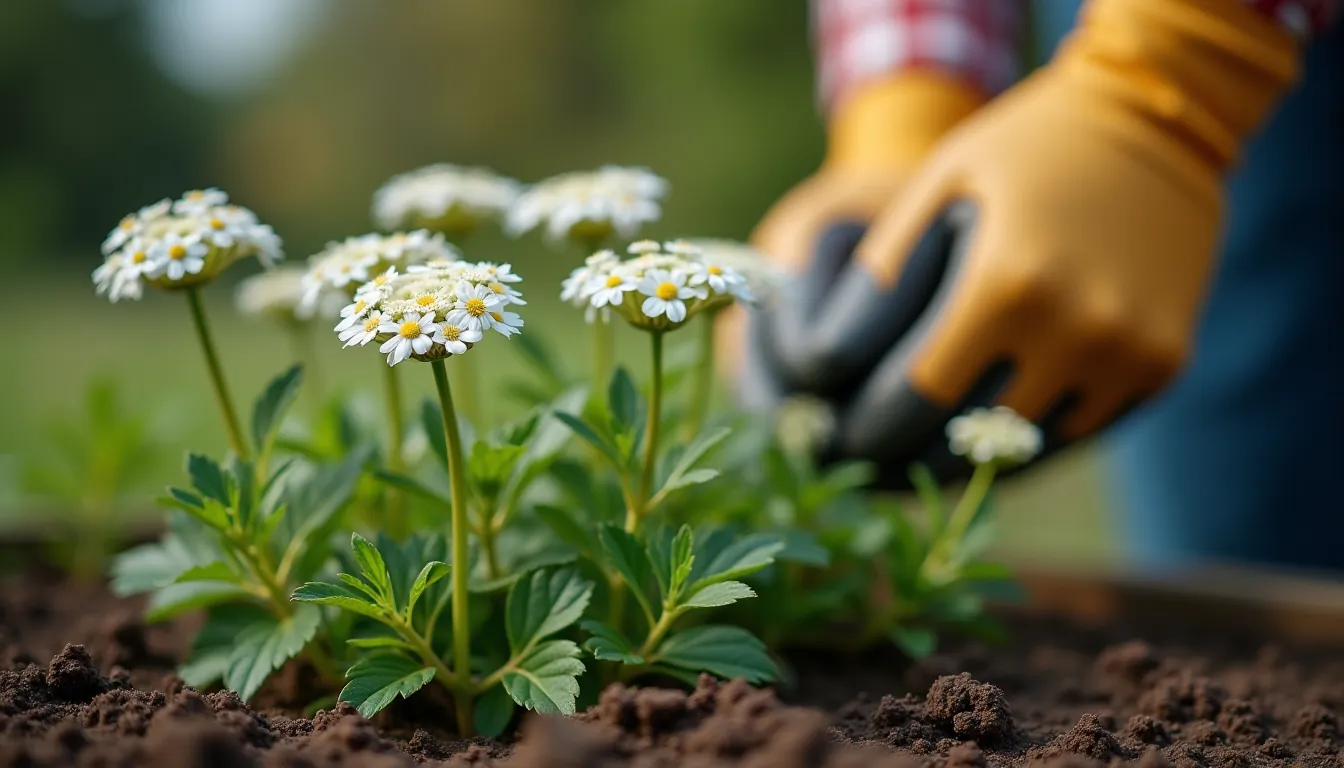
A patch of finely divided leaves can make yarrow and poison hemlock look deceptively similar. Getting the identification wrong can be deadly. Take time to examine the whole plant, especially its stem, leaves, flowers and overall size. If those features leave you uncertain, walk away.
Not medical advice. This article is for general information only. It does not diagnose or treat anything. Talk to a qualified health professional before using any herb or remedy, especially if you are pregnant, breastfeeding, on medication or have a medical condition.
Yarrow at a glance
Common yarrow (Achillea millefolium) is a perennial in the daisy family, Asteraceae. North Carolina State University Extension describes its native range as the temperate regions of Europe, Asia and North America. It grows in gardens, fields, roadsides and other disturbed areas, so a plant’s setting alone can’t confirm its identity.
Yarrow is typically 1 to 3 feet tall and about as wide. It spreads by rhizomes, underground stems that send up new growth, and by seed. That growth habit can help it fill an area, but it can also spread aggressively beyond its intended spot.
Its small, commonly whitish flower heads form dense, flattened clusters. The finely divided leaves give the plant a feathery, fern-like appearance. Those leaves are one useful clue, but they aren’t enough by themselves. Poison hemlock has divided foliage too, so a quick glance at a single stem or leaf can lead to a dangerous mistake.
Treat yarrow’s typical size, growth pattern and flower clusters as parts of a whole-plant picture. Check that picture against potential lookalikes before deciding what you have.
Reading yarrow’s field marks
Look at the plant’s overall form. Yarrow’s leaves are finely divided and fern-like. Its small whitish flower heads sit in dense clusters with a flat-topped outline. A Modern Herbal also describes yarrow as hairy, with white or pale-lilac flowers in flattened clusters.
Colour can vary. A pale-lilac cast doesn’t rule yarrow out, and a white flower doesn’t establish that a plant is yarrow. Shape and arrangement are more helpful when read alongside the stem, leaves and whole plant.
Pause to inspect more than one part. Check how the leaves are divided and arranged, whether the stem is hairy or smooth, and how the flowers are grouped. Then step back and judge the plant’s size and overall structure. A field mark becomes useful when it fits with the others.
North Carolina State Extension’s description is a good starting point for yarrow’s typical appearance and growth. Don’t turn any single feature into a shortcut. Poison hemlock can also look fern-like, and both plants may carry small flowers. If the full set of features doesn’t fit clearly, don’t harvest or use the plant.
Poison hemlock: the dangerous lookalike
Poison hemlock (Conium maculatum) can resemble yarrow at a glance, particularly when its divided foliage is seen without the rest of the plant. Minnesota Extension describes its leaves as generally triangular and fern-like. Its small white flowers grow in umbrella-shaped clusters.
Cluster shape is only a weak clue: yarrow’s flower arrangement can also be described as an umbel. Give more weight to poison hemlock’s smooth, hollow stem with purple spots. Minnesota Extension says it can grow up to 8 feet, much taller than yarrow at its typical size.
A short plant isn’t automatically yarrow. Poison hemlock starts as a low-growing rosette in its first year. Check the stem, leaves, flowers and size together, and don’t rely on height alone.
Minnesota Extension warns that all parts of poison hemlock, including roots, stems, leaves and seeds, are highly toxic if eaten. Small amounts can be deadly to people and livestock. Resemblance to yarrow is no reason to taste a plant or take a chance on harvesting it.
Don’t rely on smell. Check the stem, leaves, flowers and size together.
A cautious identification checklist
Examine the whole plant before deciding what it is. Work through these features together:
- Leaves: Are they finely divided and fern-like? Do they look generally triangular, as poison hemlock leaves often do?
- Stem: Is it smooth and hollow, with purple spots? Treat that combination as a warning for poison hemlock.
- Flowers: Are the small flower heads in a dense cluster, or an umbrella-shaped one? Cluster shape is a weak clue, so check the stem and leaves too.
- Overall size: Is the plant within yarrow’s typical 1 to 3 feet, or much larger? A small plant can still be poison hemlock in its first-year rosette stage.
No single answer settles the identification. Flower colour isn’t enough, and neither is size. Compare the stem, leaves and flower arrangement with a reliable plant guide.
If you can’t make a confident identification, leave the plant where it is. Don’t taste, harvest or use it. Divided leaves alone aren’t a safe basis for deciding that a plant is yarrow.
Safety
Poison hemlock ingestion is an emergency risk. Minnesota Extension describes effects on the nervous system that can include trembling, lack of coordination, respiratory paralysis, coma and death. If you suspect someone has swallowed any part of the plant, contact emergency services or a poison-control centre immediately.
Water hemlock is highly toxic too, and giant hogweed can cause blistering. Minnesota Extension lists both among plants that may be mistaken for poison hemlock. Don’t handle an unfamiliar plant based on resemblance alone.
Take care around suspected poison hemlock even if you’re not harvesting it. Minnesota Extension recommends protective clothing and gloves when working around the plant. Maryland Extension warns against skin contact with its sap and against burning it. Don’t compost it. Seek professional help with disposal.
Yarrow also deserves sensible handling. North Carolina State Extension notes that it may cause contact dermatitis and advises wearing gloves. The profile recommends avoiding planting yarrow where pets are.
Yarrow in historical practice and folklore
Yarrow has a long record in herbal writing. A Modern Herbal describes its historical use as a wound herb and as an ingredient in salads. These are reports of past practice, not proof that yarrow is safe to eat or effective for wounds.
The same account links yarrow with Achilles and the treatment of battle wounds. Stories about the plant stopping bleeding belong to tradition and legend, not evidence of a clinical effect.
Yarrow was used as a traditional wound herb and in folk remedies. Historical accounts describe past practice; they don’t establish a safe method of use or a proven medical benefit.
Growing, harvesting and local rules
Yarrow’s capacity to spread is worth considering before planting it. North Carolina State Extension describes it as an aggressive spreader by rhizomes and seeds. Follow its advice to wear gloves and avoid planting yarrow where pets are.
Foraging adds another decision: whether the plant has been identified correctly. A yarrow-like leaf doesn’t settle that question. Check the whole plant, especially the stem markings, leaves and flower arrangement. If poison hemlock remains a possibility, don’t harvest or use it.
Local rules may affect how poison hemlock must be handled. Minnesota Extension lists it on that state’s Prohibited Eradicate List, where destruction is required and transportation, propagation and sale are prohibited. Requirements vary by location, so check local invasive-plant regulations before acting.
Sources
- North Carolina State University Extension Gardener Plant Toolbox, “Achillea millefolium,” https://plants.ces.ncsu.edu/plants/achillea-millefolium/
- University of Minnesota Extension, “Poison hemlock,” https://extension.umn.edu/natural-resources/forestry-and-wildlife/invasive-species/poison-hemlock
- University of Maryland Extension, “Poison Hemlock Identification and Management,” https://extension.umd.edu/resource/poison-hemlock-identification-and-management
- A Modern Herbal, “Yarrow,” https://www.botanical.com/botanical/mgmh/y/yarrow02.html
Comments (0)
No comments yet.
Log in to comment.