Yarrow, Plantain, and the Field Medic Kit You Already Have
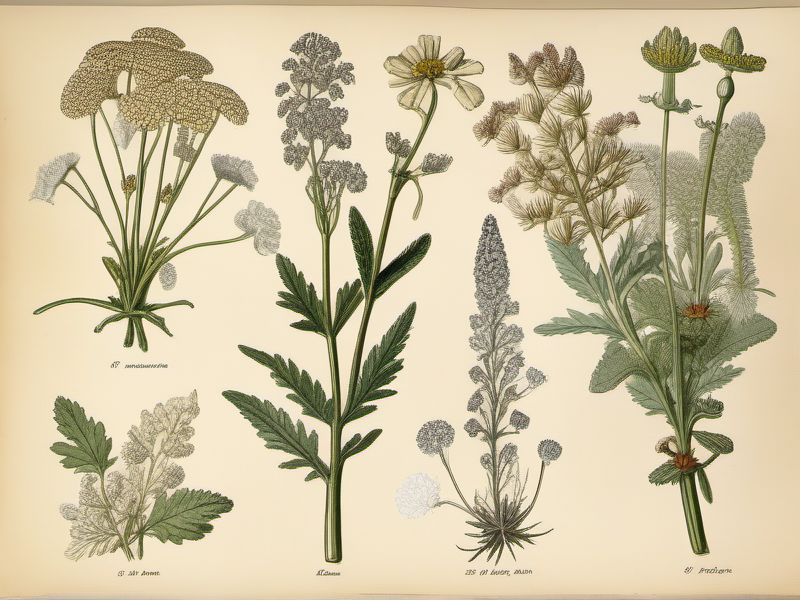
Five plants grow within walking distance of every home in the temperate world. For 10,000 years they were the backbone of field medicine — from Achilles binding his soldiers' wounds with yarrow to Civil War surgeons packing plantain poultices into bullet holes. They're still growing in your lawn. Here's how to identify them, prepare them, and build a first-aid kit that costs nothing.
I. The Pharmacy Beneath Your Feet
There is a peculiar arrogance in the modern condition. We walk across lawns saturated with plants that stopped hemorrhages on the fields of Troy, that drew venom from snakebites in the Appalachian hollows, that knit fractured bones in the monasteries of medieval England — and we see weeds. Nuisances. Things to be sprayed with glyphosate so the grass can grow in uninterrupted, useless green.
Meanwhile, in the bathroom cabinet: a plastic box of adhesive bandages, a tube of petroleum-based antibiotic ointment, a bottle of ibuprofen, and perhaps an expired EpiPen. This is the modern first-aid kit. It costs forty dollars at the drugstore, it treats symptoms rather than causes, and it will be useless the moment supply chains buckle — which, if you have been paying any attention at all, they will.
The alternative has been growing in your yard since before you were born.
I am not going to make the romantic argument that herbs are "better" than modern medicine. That is a fool's claim, and this publication does not traffic in foolishness. Antibiotics save lives. Surgery saves lives. Vaccines save lives. What I am going to argue — what the botanical and historical record makes irrefutable — is that five common plants, properly identified and prepared, constitute a field medical kit of extraordinary versatility. A kit that weighs almost nothing, costs almost nothing, reproduces itself perpetually, and has a clinical track record stretching back to the Bronze Age.
The five plants are these:
- Yarrow (Achillea millefolium) — the styptic, the blood-stopper
- Broadleaf plantain (Plantago major) — the drawing poultice
- Calendula (Calendula officinalis) — the wound healer
- Comfrey (Symphytum officinale) — the bone-knitter
- German chamomile (Matricaria chamomilla) — the soother
Every one of them grows in USDA hardiness zones 3 through 9. Every one of them has been subjected to modern pharmacological analysis that confirms the mechanisms our ancestors understood empirically. Every one of them can be prepared with nothing more than a knife, a jar, and a heat source.
This article will teach you to identify each plant beyond any possibility of error, to understand the active chemistry that makes it work, to prepare it in the forms most useful for field medicine, and to assemble a portable kit that you can carry in a coat pocket. We will also — because this publication respects the weight of history — trace the military lineage of these plants from the battlefields of antiquity to the trenches of the First World War.
Let us begin with the plant that bears a god's name.
II. Yarrow: The Soldier's Woundwort
The Name of Achilles
The genus name Achillea is not a poetic conceit. It is a clinical citation.
According to Pliny the Elder, writing in the first century AD, the Greek hero Achilles — trained in medicine by the centaur Chiron — used yarrow to treat the wounds of his soldiers during the siege of Troy. The plant was so associated with battlefield wound care that it acquired the name herba militaris: the military herb. Other common names accumulated over the centuries like campaign ribbons: bloodwort, soldier's woundwort, staunchweed, nosebleed plant, sanguinary, and — in the Anglo-Saxon tradition — gearwe, from which our modern word "yarrow" descends.
The specific epithet millefolium means "thousand-leaved" in Latin, a reference to the plant's finely divided, almost feathery foliage. It is one of the few plants whose very taxonomy tells you both what it looks like and what it does.
Identification
Yarrow is a perennial herb of the family Asteraceae. It grows 20 to 100 centimeters tall — roughly knee to waist height — on erect, angular stems that are slightly woolly to the touch. The key identification features:
Leaves. This is where certainty lives. Yarrow leaves are 5 to 20 centimeters long, lanceolate in overall outline, but divided two or three times into extremely fine, feathery segments. The effect is fern-like — the "thousand leaves" of the Latin name. Run your thumb along the leaf and you will feel its complexity: dozens of tiny leaflets arranged along a central rachis. No other common roadside plant has this particular combination of feathery division and aromatic scent. The leaves are arranged spirally along the stem. Flowers. Flat-topped clusters (corymbs) of tiny composite flower heads, each head only 3 to 5 millimeters across. Wild yarrow is typically white to cream, though pink and rose variants occur. Each tiny head contains both ray florets (the "petals") and disc florets (the central button). The flowering period runs from June through September in the Northern Hemisphere. Scent. Crush a yarrow leaf between your fingers and smell it. The scent is pungent, sharp, somewhat camphoraceous — unmistakable once you know it. It is not pleasant in the way lavender is pleasant. It smells like medicine. This is not a coincidence. Habitat. Yarrow is a generalist. Roadsides, meadows, pastures, disturbed ground, gravel shoulders, railway embankments, lawns. It tolerates poor soil, drought, and full sun. In North America, it is native to the western regions and thoroughly naturalized everywhere else. You will find it. The question is not if but when. Confusion species. The most important distinction is from poison hemlock (Conium maculatum) and wild carrot (Daucus carota). Poison hemlock has smooth, hollow, purple-blotched stems and a fetid smell when crushed. Wild carrot (Queen Anne's lace) has a single, flat or slightly cupped umbel and a hairy stem; look for the single dark floret at the center of the umbel. Yarrow's flat-topped cluster of many tiny heads, its feathery leaves, and its pungent-not-fetid smell distinguish it from both. If you are uncertain, leave it alone and consult a field guide with photographs. Never guess with Apiaceae.The Chemistry of Hemostasis
Yarrow's reputation as a styptic — an agent that stops bleeding — is not folklore. It is pharmacology.
The plant contains a complex of bioactive compounds that work synergistically:
Achillein. An alkaloid first isolated from yarrow that promotes blood clotting. When applied to a wound, achillein accelerates the coagulation cascade — the series of enzymatic reactions that converts liquid blood into a fibrin clot. This is the same cascade that your body initiates when you cut yourself; yarrow accelerates it. Tannins. Yarrow is rich in tannins, which are astringent compounds that contract tissue. When a tannin-rich preparation contacts a bleeding wound, the proteins in the exposed tissue and blood precipitate — they tighten and constrict. This mechanical contraction closes small blood vessels and reduces blood flow to the wound site. It is, in essence, a chemical tourniquet at the capillary level. Chamazulene. A sesquiterpene that forms during steam distillation of yarrow (and chamomile) essential oil, producing the oil's characteristic deep blue color. Chamazulene has demonstrated anti-inflammatory activity in vivo — it reduces the swelling and heat that accompany tissue injury. This is clinically significant: inflammation at a wound site, while part of the healing process, can also impede clotting and increase pain. By moderating the inflammatory response, chamazulene allows the styptic compounds to work more effectively. Flavonoids. Yarrow contains quercetin, luteolin, kaempferol, and apigenin — a battery of flavonoids with documented antioxidant and anti-inflammatory properties. Quercetin in particular has been shown to stabilize mast cells, reducing histamine release at the wound site. Salicylic acid. Present in small quantities, this is the compound from which aspirin was originally derived. In yarrow, the concentration is too low to act as a systemic analgesic, but applied topically it contributes mild pain relief at the wound site.The net effect of this chemical symphony: yarrow applied to a bleeding wound simultaneously accelerates clotting, contracts tissue, reduces inflammation, provides mild analgesia, and delivers antioxidant protection to the damaged cells. No single synthetic compound does all five. This is the advantage of whole-plant medicine — not mysticism, but biochemical complexity.
Military History
The military use of yarrow is not limited to Greek myth.
The Roman Legions. Pedanius Dioscorides — a Greek physician who served with the Roman army in the first century AD and who described living "a soldier's life" — compiled De Materia Medica between 50 and 70 AD. This five-volume pharmacopoeia described approximately 600 plants and their medicinal applications. It became the principal reference work on pharmacology across Europe and the Middle East for more than 1,500 years. Dioscorides documented yarrow's styptic properties and its use as a wound dressing. Roman legionaries carried dried yarrow in their field kits. When a soldier took a sword cut or was grazed by a sling stone, the medicus applied a yarrow compress to the wound. Medieval Europe. The Anglo-Saxon herbals — the Lacnunga, the Leechbook of Bald — prescribe yarrow for wounds and hemorrhage. The plant appears in virtually every monastic herbal from the ninth century onward. In an era when a minor wound could kill through infection or blood loss, the monks who maintained the physic gardens understood yarrow as something close to indispensable. The American Civil War. Field surgeons on both sides of the American Civil War used yarrow to pack wounds and control hemorrhage when manufactured supplies ran short — which was constantly, particularly in the Confederate medical corps. The plant grew abundantly in the fields where the battles were fought. Soldiers learned to recognize it and apply it themselves when no surgeon was available. The First World War. Even as late as 1914-1918, yarrow saw battlefield use. British and Australian soldiers in the trenches of the Western Front applied yarrow poultices to shrapnel wounds when medical supplies could not reach the front line through the mud and shellfire. The plant grew in the fields of Flanders and Picardy — the same fields being churned into moonscapes by artillery. Between bombardments, stretcher-bearers gathered it.Field Preparation
Styptic poultice (fresh). Gather a handful of yarrow leaves and flower heads. Crush them vigorously between your hands or chew them briefly to release the juices — saliva contains additional enzymes that aid the process. Pack the bruised plant material directly onto the bleeding wound and apply firm pressure. Hold for five to ten minutes. The bleeding should slow dramatically or stop. This is the method Achilles supposedly taught his men, and it has not changed in three thousand years because it works. Styptic powder (dried). Harvest yarrow in full flower. Hang bundles upside down in a warm, dry, well-ventilated space until completely desiccated — typically seven to ten days. Strip the dried leaves and flowers from the stems and grind to a fine powder using a mortar and pestle or a clean coffee grinder. Store in a small glass jar or tin with a tight lid. To use: sprinkle the powder directly onto a bleeding wound and apply pressure. The powder concentrates the active compounds and keeps indefinitely if stored dry and out of sunlight. Yarrow tincture. Fill a glass jar halfway with dried yarrow (leaves and flowers). Pour 80-proof vodka over the herb until it is covered by at least two centimeters of liquid. Cap tightly, label with the date, and store in a cool, dark place. Shake daily for four to six weeks. Strain through cheesecloth, pressing the plant material to extract all liquid. Bottle in dark glass dropper bottles. To use externally: apply directly to wounds on a clean cloth. To use internally (for digestive complaints or to reduce fever): 30 drops in a small glass of water, up to three times daily. The tincture is stable for five years or more.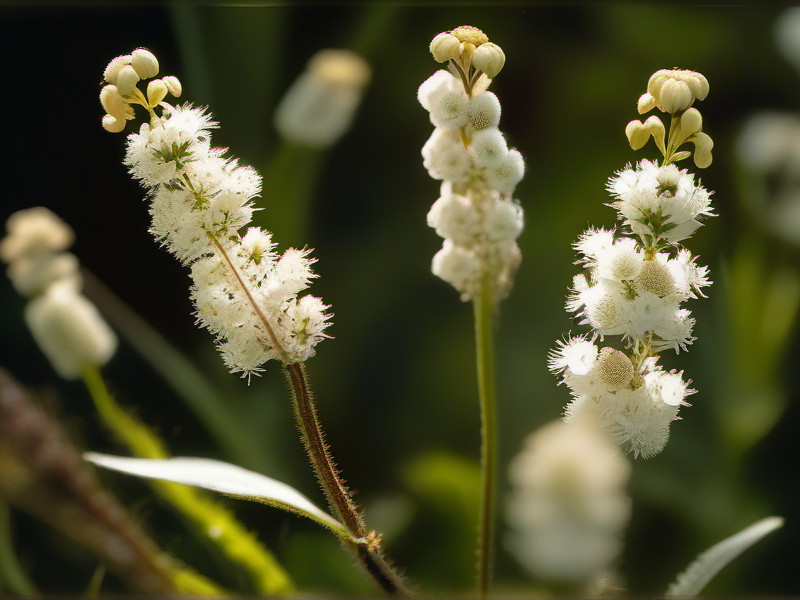
III. Broadleaf Plantain: The White Man's Footprint
A Weed That Follows Civilization
When European colonists arrived in North America, the indigenous peoples noticed something. Wherever the newcomers walked, wherever they built settlements and roads and pastures, a broad-leaved plant appeared that had never grown there before. The Algonquin and other nations called it "white man's foot" or "white man's footprint" — not because they saw the colonists planting it, but because the plant seemed to spring from their very footsteps.
They were almost right. Plantago major — broadleaf plantain, greater plantain, waybread — is a plant that thrives in compacted, disturbed soil. It loves the places where feet tread, where cart wheels roll, where hooves pound the earth. The colonists did not plant it deliberately. Its seeds traveled in the mud on their boots, in the dirt clinging to their wagon wheels, in the ballast soil of their ships. Wherever European civilization compressed the earth, plantain followed.
This ecological habit tells you something important about the plant's character. It is tough. It is persistent. It grows where other plants cannot — in the cracks of sidewalks, in gravel driveways, in the packed dirt of footpaths. It has been doing this for so long that its very biology is adapted to human presence. And it has been healing human wounds for exactly as long.
Identification
Plantain is one of the easiest medicinal plants to identify with certainty. Learn it once and you will never mistake it.
Growth form. A low-growing perennial that forms a basal rosette — a circle of leaves radiating from a central point at ground level. There is no visible stem below the flower stalk. The plant hugs the earth. Leaves. Broadly oval to egg-shaped, 5 to 20 centimeters long, with smooth or slightly toothed margins. The leaf surface is smooth and slightly waxy, with a rubbery texture. And here is the diagnostic feature: five to nine prominent parallel veins running the length of each leaf, from base to tip. These veins are visible to the naked eye and palpable to the finger. If you bend a plantain leaf, the veins resist the bend like the ribs of a boat. No other common lawn weed has this combination of basal rosette growth and strong parallel leaf venation. Flower stalks. Leafless stalks rise 15 to 30 centimeters from the center of the rosette, each topped with a dense, cylindrical spike of tiny greenish-brown flowers. The flowers are wind-pollinated and visually unspectacular — you will notice the leaves long before you notice the flowers. Purple-tinged stamens protrude from the spike at flowering time. Seeds. A single plant can produce up to 20,000 seeds per year. Each seed is tiny, dark, and slightly mucilaginous when wet — the mucilage helps it adhere to feet, tires, and animal fur, which is precisely how it colonizes new ground. Habitat. Lawns, footpaths, driveways, roadsides, parking lots, playing fields, garden edges — anywhere the soil is compacted and regularly disturbed. In a well-maintained suburban lawn, you will almost certainly find broadleaf plantain growing flat against the ground where the mower cannot reach it. Confusion species. There are very few plants that look like plantain. Plantago lanceolata — ribwort plantain, narrowleaf plantain — is a close relative with narrower, lance-shaped leaves and similar parallel veins. It is equally medicinal and can be used interchangeably. Hosta species have somewhat similar leaf venation but grow from bulbs, have much larger and showier leaves, and are garden plants, not lawn weeds. The basal rosette habit plus parallel veins plus the characteristic flower spike equals plantain, full stop.The Chemistry of Drawing
Plantain's primary reputation in folk medicine is as a "drawing" poultice — a preparation that pulls foreign matter (splinters, insect venom, infection) out of the skin. This reputation is so consistent across cultures and centuries that it demands pharmacological explanation. Several compounds provide it:
Aucubin. An iridoid glycoside with documented hepatoprotective and antimicrobial properties. Aucubin is a defensive compound that the plant produces to deter herbivores — it decreases the growth rates of generalist insect feeders. When applied to human skin, aucubin's antimicrobial action helps prevent wound infection. The compound has the chemical formula C15H22O9 and is present in significant concentrations in both the leaves and roots of Plantago major. Allantoin. A cell proliferant. This is the same compound found in comfrey (which we will discuss shortly) and in modern wound-healing creams. Allantoin stimulates the growth of new tissue at a wound site. It has documented antioxidant, anti-inflammatory, and moisturizing properties. Cosmetic manufacturers extract it and add it to skin creams at considerable expense. Plantain gives it away free, in every leaf. Ursolic acid. A pentacyclic triterpene with anti-inflammatory, antimicrobial, and antitumor properties. In the context of wound care, ursolic acid's anti-inflammatory action reduces swelling and pain at the application site. Mucilage. Plantain leaves contain significant mucilage — a thick, gel-like polysaccharide that, when released by chewing or crushing the leaf, creates a soothing, protective layer over damaged skin. This mucilage is what gives the "drawing" poultice its tactile quality. It adheres to the skin, maintains moisture at the wound site, and creates a microenvironment favorable to healing. Tannins. As with yarrow, the tannins in plantain contract tissue and have mild astringent effects. They tighten the skin around a splinter or sting site, which helps to expel foreign matter.The "drawing" effect of a plantain poultice is likely a combination of these mechanisms: the mucilage creates suction and adhesion, the tannins contract surrounding tissue, and the antimicrobial compounds prevent infection while allantoin accelerates tissue repair. It is not magic. It is phytochemistry operating on multiple pathways simultaneously.
Historical Uses
The use of plantain as a wound herb is documented across an astonishing range of cultures:
Anglo-Saxon England. The Lacnunga, a tenth-century Anglo-Saxon medical text, lists plantain (as wegbrade — waybread) among the nine sacred herbs in the "Nine Herbs Charm." The charm was recited while applying the herbs to wounds and poisons: "And you, Waybread, mother of herbs, open from the east, mighty within..." Native American medicine. Despite initially associating the plant with the colonizers, many indigenous peoples quickly adopted plantain into their own pharmacopoeia — a testament to its obvious efficacy. The Algonquin, Cherokee, Iroquois, and numerous other nations used plantain poultices for snakebite, insect stings, and wounds. The speed of this adoption is remarkable: within a generation of contact, tribes that had never seen the plant were using it as a standard remedy. European folk medicine. Across the continent, plantain was the standard field treatment for bee stings, wasp stings, nettle rash, and minor wounds. Country people chewed a plantain leaf and slapped it onto the sting — a practice so universal that it hardly needed to be written down. Military field medicine. During the American Civil War, plantain poultices were used by both Union and Confederate surgeons to pack into bullet wounds and to treat the infections that so often followed battlefield injuries. The plant grew in the fields and along the roads where the armies marched. Like yarrow, it was abundant, free, and effective — three qualities that mattered enormously when medical supplies were exhausted or captured.Field Preparation
Spit poultice (immediate use). This is the fastest field treatment for a bee sting, wasp sting, splinter, or minor wound. Pick two or three fresh plantain leaves. Chew them briefly — just enough to crush the cells and mix the plant juices with saliva. Apply the chewed mass directly to the affected area and hold in place with a bandage, strip of cloth, or even a larger plantain leaf wrapped around the limb. Replace every two to four hours. For insect stings, relief is typically felt within minutes as the drawing action pulls venom from the sting site and the anti-inflammatory compounds reduce swelling. Plantain-infused oil. Harvest plantain leaves on a dry day, after the morning dew has evaporated. Allow them to wilt for 12 to 24 hours to reduce moisture content (excess moisture in an oil infusion promotes mold and rancidity). Pack the wilted leaves loosely into a clean, dry glass jar. Cover completely with olive oil or another carrier oil of your choice — I prefer olive oil for its own anti-inflammatory properties and excellent shelf life. Cap loosely and place in a warm, sunny window for four to six weeks, shaking occasionally. Alternatively, use the double-boiler method: place the jar in a pot of water and heat on the lowest setting for four to eight hours, never allowing the oil to reach a simmer. Strain through cheesecloth, bottle in dark glass, and label. This infused oil is the base for salves and can be applied directly to wounds, dry skin, and minor burns. Plantain tincture. Follow the same method as yarrow tincture: fill a jar halfway with dried plantain leaves, cover with 80-proof vodka, steep four to six weeks with daily shaking, strain, and bottle. Use externally on wounds or internally (30 drops in water) for sore throat, cough, or digestive upset. Plantain's mucilage content makes it particularly soothing for irritated mucous membranes.IV. Calendula: The Wound Healer's Gold
The Marigold of Medicine
Do not confuse calendula with the common garden marigold (Tagetes species). They are different plants from different genera, though both are in the family Asteraceae and both have golden-orange flowers. The plant we want is Calendula officinalis — pot marigold — and the officinalis in its name tells you everything: it means "of the apothecary's shop." It was an official medicinal herb, stocked by every pharmacist, for centuries.
Calendula's use in wound care spans ancient Greek, Roman, Middle Eastern, and Ayurvedic traditions. The flowers were applied directly to wounds, brewed into antiseptic washes, and infused into oils for skin treatment. During the American Civil War and the Franco-Prussian War of 1870, calendula preparations were used extensively in military hospitals to treat open wounds and prevent gangrene. Surgeons noted that wounds treated with calendula tincture suppurated less, healed faster, and formed cleaner scars than wounds treated with water alone.
In the First World War, the British physician and homeopath Dr. W.T. Fernie documented the use of calendula in field dressing stations on the Western Front. The tincture was applied directly to shrapnel wounds, and calendula-soaked bandages were used to pack deep lacerations. The doctors did not fully understand why it worked. We do now.
Identification
Calendula is a garden plant, not a wild plant — which means you must either grow it or know someone who does. The good news: it is one of the easiest plants in the world to grow.
Growth form. An herbaceous annual or short-lived perennial, 30 to 80 centimeters tall, with branching, slightly hairy stems. Leaves. Oblong to lanceolate (spoon-shaped to lance-shaped), 5 to 17 centimeters long, with slightly toothed margins. The leaves are sessile (they attach directly to the stem without a leaf stalk) and have a somewhat sticky, resinous feel. Flowers. This is the diagnostic feature. Calendula flower heads are 4 to 7 centimeters in diameter — showy, conspicuous, and brilliantly yellow to deep orange. The ray florets are numerous, densely packed, and often slightly sticky with resinous exudate. The disc florets in the center are also yellow to orange. The flower heads close at night and in overcast weather and open in sunshine — the name "calendula" derives from the Latin calendae, meaning the first day of the month, because in mild climates the plant flowers nearly year-round. Seeds. Distinctive: curved, thorny achenes that look like tiny, spiny shrimp. Three different seed forms (straight, winged, and curved) may appear on the same plant — a feature called heteromorphism that helps ensure varied dispersal strategies. Growing. Direct sow seeds in spring after the last frost, or start indoors four to six weeks earlier. Calendula tolerates poor soil but prefers well-drained conditions and full sun to partial shade. It self-sows freely and will return year after year once established. Deadhead spent flowers to promote continuous blooming. Harvest the flower heads when fully open on a dry day.The Chemistry of Repair
Calendula is one of the most thoroughly studied wound-healing herbs in modern pharmacology. Its chemical profile is complex and its mechanisms are multiple:
Triterpene saponins and triterpene alcohols. Calendula flowers are rich in oleanane-type triterpene glycosides. Among these, faradiol and its esters are the most pharmacologically significant. Faradiol has demonstrated potent anti-inflammatory activity in multiple studies, inhibiting the same cyclooxygenase and lipoxygenase pathways targeted by ibuprofen and other NSAIDs. A key difference: faradiol achieves this without the gastric side effects of synthetic anti-inflammatories because it is applied topically, not swallowed. Carotenoids. The golden color of calendula petals comes from high concentrations of carotenoids — lutein (comprising approximately 80% of the leaf carotenoid content), zeaxanthin, beta-carotene, flavoxanthin, and auroxanthin. These pigments are potent antioxidants. The flowers contain approximately 29.8 milligrams of lutein per 100 grams — an extraordinary concentration. Applied to a wound, these carotenoids scavenge free radicals produced by the inflammatory process, reducing oxidative damage to healing tissue. Flavonoids. Quercetin, isorhamnetin, and their glycosides provide additional anti-inflammatory and antioxidant support. Flavonol glycosides in calendula have shown synergistic effects with the triterpenes. Essential oil. The volatile fraction contains sesquiterpene compounds with documented antimicrobial activity against both bacteria and fungi. Laboratory studies have demonstrated that both methanol and ethanol extracts of calendula exhibit antibacterial and antifungal activity — confirming the empirical observation that calendula-treated wounds resist infection. Polysaccharides. The high-molecular-weight polysaccharides in calendula stimulate phagocytosis (the process by which immune cells engulf and destroy pathogens) and support the formation of granulation tissue — the new connective tissue that fills a healing wound.The combined effect: calendula applied to a wound simultaneously reduces inflammation, prevents infection, scavenges oxidative damage, and stimulates the formation of new tissue. This is not one compound doing one thing. It is a pharmaceutical orchestra.
Preparation: Calendula-Infused Oil
This is the foundation preparation from which all other calendula remedies are made. Master this and you can make salve, cream, lip balm, and wound dressing.
Ingredients: - Dried calendula flower heads, enough to loosely fill a glass jar (dry them yourself or purchase from a reputable herbal supplier) - Carrier oil: extra virgin olive oil is traditional and effective; jojoba oil is an alternative for those who prefer a lighter texture Solar infusion method (preferred): 1. Ensure the flowers are completely dry. Any residual moisture will cause the oil to go rancid. 2. Pack the dried flowers loosely into a clean, dry glass jar — fill to about three-quarters full. 3. Pour olive oil over the flowers until they are submerged by at least two centimeters. 4. Stir gently with a clean chopstick or skewer to release any trapped air bubbles. 5. Cap the jar and place it in a sunny window. A south-facing window is ideal. 6. Leave for four to six weeks, shaking gently every day or two. 7. The oil will slowly turn from pale gold to deep amber-orange as the carotenoids and triterpenes transfer from the flowers into the oil. 8. Strain through several layers of cheesecloth, squeezing the flower mass to extract every drop. 9. Bottle in dark glass and label with the date. Store in a cool, dark place. 10. Shelf life: one year at room temperature, two years if refrigerated. Quick method (double boiler): 1. Place dried flowers and oil in a glass jar or the top of a double boiler. 2. Set in a pot of water on the lowest heat setting. 3. Maintain gentle warmth (not hot to the touch — never above 45 degrees Celsius) for eight to twelve hours. 4. Strain and bottle as above.Preparation: Calendula Healing Salve
Ingredients: - 1 cup calendula-infused oil (prepared as above) - 1 ounce (28 grams) beeswax, grated or in pellets - Optional: 10 drops lavender essential oil, 10 drops tea tree essential oil Method: 1. Place the infused oil and beeswax in a small saucepan or double boiler. 2. Heat gently, stirring, until the beeswax is completely melted. 3. Test the consistency: dip a spoon into the mixture and place it in the freezer for one minute. The cooled sample on the spoon will tell you the final consistency. Too soft — add more beeswax. Too hard — add more oil. 4. If using essential oils, remove from heat and stir them in now — heat degrades volatile compounds. 5. Pour immediately into small tins or glass jars. Work quickly; the mixture sets fast as it cools. 6. Allow to cool completely before capping. 7. Label with contents and date. Shelf life: one year.This salve is your primary wound-healing preparation. Apply to cuts, scrapes, minor burns, chapped skin, rashes, insect bites, and any wound that needs help closing. It combines the anti-inflammatory, antimicrobial, antioxidant, and tissue-regenerating properties of calendula in a shelf-stable, portable form.
V. Comfrey: The Bone-Knitter
A Name That Tells the Story
Symphytum officinale. The genus name comes from the Greek symphyein — "to grow together." The common name in English — comfrey — descends from the Latin con firma, meaning "with strength" or "to make firm." And the folk name that persists across centuries of English-speaking herbal tradition: knitbone.Every name says the same thing. This plant joins what is broken.
The practice is documented back to at least the first century AD. Dioscorides recorded the use of comfrey root for binding wounds and mending fractures. The method was straightforward and effective: the root was dug, mashed into a thick paste, and packed around the broken limb. As the paste dried, it hardened into a rigid cast — remarkably similar in principle to a modern plaster cast. Inside this botanical splint, the bone healed. The active chemistry of the root accelerated the process.
Throughout the medieval period, comfrey was a staple of the monastic physic garden. The monks who set broken bones for the local population — fractures from falls, farming accidents, horse kicks — relied on comfrey poultices as their primary treatment. The plant earned a secondary common name: bruisewort, for its effectiveness on deep bruising, contusions, and sprains.
Identification
Growth form. A stout, hairy perennial growing 30 to 150 centimeters tall. The stems are strongly winged — the leaf bases extend down the stem as thin flanges of tissue, giving the stem a ridged or ribbed appearance. This winged stem is a reliable identification feature. Leaves. Large, rough, and hairy. The basal leaves can reach 40 centimeters in length. They are ovate to lanceolate with a pronounced drip tip. The surface is covered in coarse, stiff hairs that make the leaves feel like fine sandpaper. The leaves are decurrent — they taper at the base and run down the stem as wings. Flowers. Drooping, bell-shaped clusters (scorpioid cymes) that curl like a scorpion's tail before the flowers open. Colors range from cream and yellow to pink and purple, depending on variety and soil conditions. Flowering occurs May through June. Root. Thick, fleshy, black-skinned, and white inside. The root is mucilaginous — when cut, it exudes a slimy, gel-like substance. This mucilage is rich in allantoin, the plant's primary active compound. The root is the most medicinally potent part of the plant, though the leaves are also active. Habitat. Damp places: stream banks, ditches, wet meadows, the edges of ponds. Comfrey loves moisture. It is a vigorous grower and, once established, nearly impossible to eradicate — every fragment of root left in the soil will regenerate. This can be useful (perpetual supply) or problematic (aggressive spreading). Plant it where you want it permanently. Confusion species. Foxglove (Digitalis purpurea) has superficially similar leaves before flowering, but foxglove leaves are softer, less hairy, and lack the strongly winged stem. Foxglove is extremely toxic — a misidentification could be fatal. Always check for the winged stem and the rough, sandpaper texture of the leaves. Borage (Borago officinalis) is a relative with similar bristly leaves but star-shaped blue flowers and a distinctly different growth habit.The Chemistry: Allantoin and the Alkaloid Problem
Comfrey's healing power and its danger come from different compounds. Understanding both is essential.
Allantoin. This is the compound that earns comfrey its name. Allantoin (C4H6N4O3) is a cell proliferant — it stimulates mitosis (cell division) in the cells at a wound site or fracture. Applied topically, allantoin accelerates the growth of new tissue: new skin over a wound, new bone cells at a fracture site, new connective tissue in a sprained ligament. It achieves this while also providing anti-inflammatory and moisturizing effects. Modern pharmaceutical companies synthesize allantoin and add it to wound-healing products. Comfrey root contains it naturally, in significant concentrations.A 2004 double-blind clinical study found comfrey preparations "highly effective" for acute ankle sprains, with significant anti-inflammatory and analgesic results and no observed adverse reactions — when used topically.
Pyrrolizidine alkaloids (PAs). And here is the danger. Comfrey contains pyrrolizidine alkaloids — toxic compounds that are metabolized by the liver's cytochrome P450 enzymes into reactive pyrrolic esters. These reactive intermediates bind to proteins and DNA in liver tissue, causing cumulative damage that can progress to hepatic sinusoidal obstruction syndrome (formerly called veno-occlusive disease), necrosis, and ultimately liver failure.In 2001, the U.S. Food and Drug Administration banned comfrey products intended for internal use. This was not an overreaction. PA toxicity is dose-dependent but cumulative — the liver does not clear the damage between exposures. Drinking comfrey tea or taking comfrey capsules is genuinely dangerous, particularly with repeated use. Over 660 different pyrrolizidine alkaloids have been identified across approximately 6,000 plant species, with no established minimum safe dose for the carcinogenic effects.
The practical rule is absolute: comfrey is for external use only.Applied to unbroken skin as a poultice, compress, or salve, the systemic absorption of PAs is minimal. The allantoin and other beneficial compounds act locally at the injury site. European regulatory bodies have noted that even topical use warrants caution, recommending that comfrey preparations not be applied to open wounds (where absorption would be greater) and that topical use be limited to periods of four to six weeks.
Respect this plant. It is extraordinarily effective for what it does. But it is not a tea herb, not a salad herb, and not a supplement. External use, intact skin, limited duration.
Field Preparation
Fresh comfrey poultice. Harvest several large comfrey leaves. Bruise them thoroughly by rolling with a bottle or pounding with a flat stone — you want to rupture the cell walls and release the mucilaginous juice. Lay the bruised leaves directly over the injured area (sprain, bruise, strain, swelling — never an open wound). Wrap with a cloth bandage or strip of fabric to hold in place. Leave for one to four hours, then replace with fresh leaves. The cooling, slimy mucilage will reduce swelling and pain while allantoin penetrates the skin to accelerate tissue repair. Comfrey root poultice. Dig a section of comfrey root. Wash and chop or grate it, then mash to a thick paste. The paste will be extremely mucilaginous — slippery and gelatinous. Apply this paste to the injury site, cover with cloth, and leave for several hours. This is the traditional "bone-setting" preparation. For suspected fractures, apply the poultice, then splint the limb conventionally. The comfrey accelerates healing; it does not replace proper stabilization. Comfrey-infused oil and salve. Follow the same method as the calendula preparations above. Use dried comfrey leaf (not root — root preparations are more potent but also contain higher PA concentrations). Infuse in olive oil for four to six weeks, strain, and convert to salve with beeswax at the same ratio. Label clearly: "EXTERNAL USE ONLY." Apply to sprains, bruises, muscle strains, joint pain, and closed fractures. Do not apply to broken skin.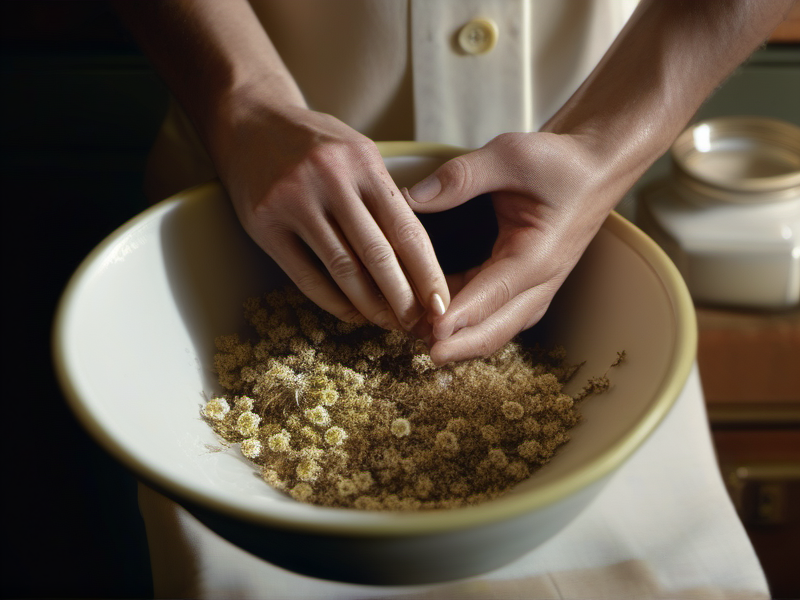
VI. German Chamomile: The Gentle Sentinel
The Safest Herb in the Kit
Every field kit needs an herb that is gentle enough to use on children, on the elderly, on the sick, on the anxious, on the sleepless. German chamomile is that herb. It is the plant you reach for when the situation calls not for hemostasis or bone-knitting but for calm, comfort, and quiet healing.
Matricaria chamomilla — the genus name comes from the Latin matrix, meaning "womb," because the plant was historically used to treat menstrual cramps and gynecological complaints. It has been cultivated and used medicinally for at least 5,000 years. The ancient Egyptians dedicated it to the sun god Ra for its golden flowers. Hippocrates prescribed it. Dioscorides documented it. The Anglo-Saxons listed it among their sacred healing herbs. It is the most widely consumed herbal tea on Earth, with over one million cups drunk daily.And yet, despite this ubiquity, most people think of chamomile as nothing more than a bedtime tea. It is considerably more than that.
Identification
Growth form. A fragrant annual herb, 15 to 60 centimeters tall, with branching, erect stems. The overall impression is delicate and ferny — far more fine-textured than the other plants in this article. Leaves. Bi- or tripinnately divided into narrow, thread-like segments. Similar in principle to yarrow's feathery leaves, but finer and more delicate. The leaves are arranged alternately along the stem. Flowers. Classic daisy-form: white ray florets surrounding a dome of yellow disc florets. Each flower head is 1 to 2.5 centimeters in diameter. The critical diagnostic feature for distinguishing German chamomile from similar-looking plants: the receptacle (the dome in the center of the flower) is hollow and cone-shaped. Cut a flower head in half from top to bottom. If the dome is hollow inside, it is German chamomile. If it is solid, it is likely scentless mayweed (Tripleurospermum inodorum) or corn chamomile (Anthemis arvensis). This hollow-dome test is definitive. Scent. Sweet, apple-like, warm. Chamomile's scent is instantly recognizable — it is the scent of a thousand childhood sick-beds, of grandmother's tea, of calm. The Spanish call it manzanilla, "little apple," for this scent. Habitat. Roadsides, field margins, disturbed ground, waste places. In cultivation, it grows readily from seed in any well-drained soil with full sun. It self-sows with enthusiasm and will naturalize in a garden bed within two seasons.The Chemistry of Calm
German chamomile's essential oil contains over 120 chemical constituents. The three most pharmacologically important:
Alpha-bisabolol. The primary constituent of chamomile essential oil, accounting for up to 33% of the oil's content. Bisabolol is a sesquiterpene alcohol with documented anti-inflammatory, anti-irritant, and antimicrobial properties. It has been used in cosmetic formulations for centuries because of its skin-healing properties — reducing wrinkles, repairing sun-damaged skin, and promoting gentle tissue recovery. Uniquely, bisabolol also functions as a penetration enhancer, increasing the absorption of other compounds through the skin. In a wound care context, this means that bisabolol improves the delivery of chamomile's other active compounds to the tissue where they are needed. Chamazulene. The same compound found in yarrow — the sesquiterpene responsible for the deep blue color of chamomile essential oil. (The essential oil of chamomile is indeed blue, which surprises anyone who expects a golden-flowered plant to yield a golden oil.) Chamazulene has anti-inflammatory activity in vivo and is formed during steam distillation from its precursor compound, matricin. When chamomile is consumed as a tea rather than distilled, matricin is converted to chamazulene in the body and appears in blood plasma — the anti-inflammatory effect occurs systemically, not just locally. Apigenin. A flavone that constitutes approximately 68% of chamomile's total flavonoid content — an extraordinary concentration. Apigenin binds competitively to benzodiazepine receptors on GABA-A receptors in the brain. This is the same receptor site targeted by pharmaceutical anxiolytics like diazepam (Valium). Apigenin's binding affinity is weaker than synthetic benzodiazepines, which is precisely why chamomile is safe: it produces mild sedation and anxiolysis without the addiction potential, respiratory depression, or cognitive impairment of pharmaceutical tranquilizers. This is the mechanism behind chamomile's documented effectiveness as a sleep aid and anxiety reducer.Additional compounds include farnesene (a sesquiterpene with anti-inflammatory properties), coumarin (a mild anticoagulant and anti-inflammatory), and numerous additional flavonoids including quercetin, patuletin, and luteolin.
Safety Profile
Chamomile is one of the safest medicinal herbs known. The primary cautions:
- Individuals with severe ragweed allergies may cross-react to chamomile, as both are members of the Asteraceae family. This is relatively uncommon but worth noting.
- Contact dermatitis can occur from handling the fresh plant — wear gloves during extended harvesting if you have sensitive skin.
- Chamomile may interact with anticoagulant medications (warfarin, heparin) due to its coumarin content. If you take blood thinners, consult a physician before using chamomile medicinally.
- Avoid medicinal-strength preparations during pregnancy, as chamomile has historical associations with uterine stimulation. A cup of chamomile tea is generally considered safe during pregnancy; concentrated tinctures and essential oil are not.
For the vast majority of people, in the vast majority of situations, chamomile is safe.
Field Preparation
Chamomile tea (internal). Place one tablespoon of dried chamomile flowers (or two tablespoons of fresh flowers) in a cup. Pour boiling water over them. Cover — this is important, as the volatile oils that carry the medicinal compounds will escape with the steam if the cup is left uncovered. Steep for five to ten minutes. Strain and drink. For sleep, drink 30 minutes before bed. For digestive upset (nausea, cramping, gas), drink after meals. For anxiety, drink as needed throughout the day. The taste is sweet, mild, and apple-like. Most people find it pleasant without sweetener, though honey complements it beautifully. Anti-inflammatory wash (external). Brew a strong chamomile infusion: three tablespoons of dried flowers in one cup of boiling water, covered, steeped for 15 to 20 minutes. Strain. Allow to cool to a comfortable temperature. Use to wash minor wounds, skin irritations, rashes, and sunburn. The bisabolol and chamazulene provide anti-inflammatory and antimicrobial action; the wash soothes pain and promotes healing. For eye inflammation (styes, conjunctivitis, tired eyes), soak a clean cloth in the cooled infusion and apply as a compress for 10 to 15 minutes. Chamomile eye compresses are a time-tested remedy across European folk traditions. Chamomile tincture. Follow the standard tincture method: half-fill a jar with dried chamomile flowers, cover with 80-proof vodka, steep four to six weeks, strain, and bottle. Use 30 to 60 drops in water for anxiety, insomnia, digestive complaints, or menstrual cramps. The tincture concentrates the apigenin and other flavonoids and is more portable than bulk dried flowers. Steam inhalation. For respiratory congestion, sinus inflammation, or just to calm the nerves: place a handful of dried chamomile in a bowl, pour boiling water over it, drape a towel over your head and the bowl, and breathe the steam for 10 minutes. The volatile oils — bisabolol, chamazulene, farnesene — are carried directly to the respiratory mucosa, providing anti-inflammatory and antimicrobial effects precisely where they are needed.VII. A Brief History of the Military Herbalist
Before we assemble the field kit, a digression — because the history deserves it.
The idea that herbs are "alternative medicine" is one of the great historical illusions. For most of human history, herbs were not alternative. They were the only medicine that existed. And nowhere was this more true — or more consequential — than on the battlefield.
The Greeks
The Iliad describes wound treatment in clinical detail that has impressed modern surgeons. The Greek army at Troy included dedicated physicians — Machaon and Podalirius, sons of Asclepius — who treated battle injuries with herbal preparations, bandaging, and surgical extraction of arrowheads. Achilles himself, as we have discussed, was credited with knowledge of yarrow's hemostatic properties. Whether or not a historical Achilles existed, the attribution tells us something about Greek military culture: the knowledge of wound herbs was considered a warrior's skill, not merely a physician's.
The Greek physician Hippocrates (c. 460-370 BC) documented the use of hundreds of medicinal plants, including yarrow, plantain, and chamomile. His case histories describe the topical application of herbal preparations to battle wounds, fractures, and surgical sites. The Hippocratic Corpus does not distinguish between "herbal medicine" and "medicine." They were the same thing.
The Roman Legions
Rome industrialized military medicine. Every legion had its own medical corps. Every fort had its valetudinarium — a military hospital. And every military physician carried a field kit that included dried herbs, prepared ointments, and the surgical instruments needed to extract arrows and close wounds.
Dioscorides, the Greek physician who served with the Roman army and compiled De Materia Medica between 50 and 70 AD, was the supreme systematizer of this knowledge. His five-volume work described approximately 600 plants and their medical applications. It combined "recognition, pharmacological effect, and guidance on drug preparation" — in modern terms, it was simultaneously a field identification guide, a pharmacopoeia, and a formulary. For more than fifteen hundred years, it served as the principal reference work on pharmacology for the entire Western and Middle Eastern worlds.
The Roman military kit, as reconstructed from archaeological and textual evidence, included dried yarrow, plantain, comfrey root, and various preparations of honey (itself a powerful antimicrobial agent). The legionary medicus was trained to identify local plants that matched the descriptions in the standard medical texts, supplementing his carried supplies with whatever the local flora provided. This is, in essence, what we are doing in this article: learning to recognize the medicinal plants that grow wherever we happen to be.
The Monasteries
When Rome fell, the medical knowledge of the ancient world survived in two places: the Byzantine Empire and the Christian monasteries of Western Europe. The monks maintained physic gardens — dedicated plots where medicinal herbs were grown, harvested, dried, and prepared according to the formulas preserved in copied manuscripts of Dioscorides, Galen, and Hippocrates.
The Capitulare de Villis, issued by Charlemagne around 800 AD, mandated that specific medicinal plants be grown in every royal estate garden. The list included yarrow, calendula, and many others from our kit. The monastic infirmary was the hospital of the early medieval world, and its pharmacy was the physic garden outside the door.
The Civil War
By the 1860s, synthetic chemistry was beginning to transform medicine, but it had not yet replaced herbal practice — particularly not in the field. The American Civil War was fought with minie balls and bayonets but doctored, in large part, with plants.
Confederate surgeons, cut off from Northern pharmaceutical supplies by the Union blockade, were particularly dependent on local medicinal plants. Dr. Francis Porcher of Charleston, South Carolina, compiled Resources of the Southern Fields and Forests in 1863 — a systematic catalog of native and naturalized plants with medicinal applications, intended specifically to help Confederate medical officers replace unavailable pharmaceuticals with local botanical alternatives. The book documented the use of yarrow as a hemostatic, plantain as a wound poultice, and numerous other plant preparations that Civil War surgeons applied daily.
Union surgeons had better access to manufactured medicines but still relied heavily on plant preparations when supply lines were disrupted — which, in the chaos of a major campaign, was frequently.
The World Wars
By 1914, pharmaceutical medicine had advanced enormously, but the scale of industrial warfare overwhelmed the supply of manufactured drugs. On the Western Front, when medical supplies could not reach forward positions through the mud and shellfire, medics and stretcher-bearers fell back on the oldest technology available: the plants growing in the fields around them.
Yarrow grew in the meadows of Flanders. Plantain grew along the roads of Picardy. Chamomile grew in the fields of the Somme. These plants did not care that it was the twentieth century. They grew where they had always grown, and they worked as they had always worked.
In the Second World War, the Soviet military maintained a formal program of collecting and processing medicinal plants for military medical use — partly from philosophical commitment to traditional medicine, partly from the practical reality that a nation fighting for survival on a 2,000-kilometer front could not rely solely on factory-produced pharmaceuticals.
The lesson of this history is not that herbs should replace modern medicine. It is that the knowledge of medicinal plants is a survival skill — one that has proven its value in every war from Troy to the Somme, and one that costs nothing to learn and nothing to maintain.
VIII. Building the Field Medic Kit
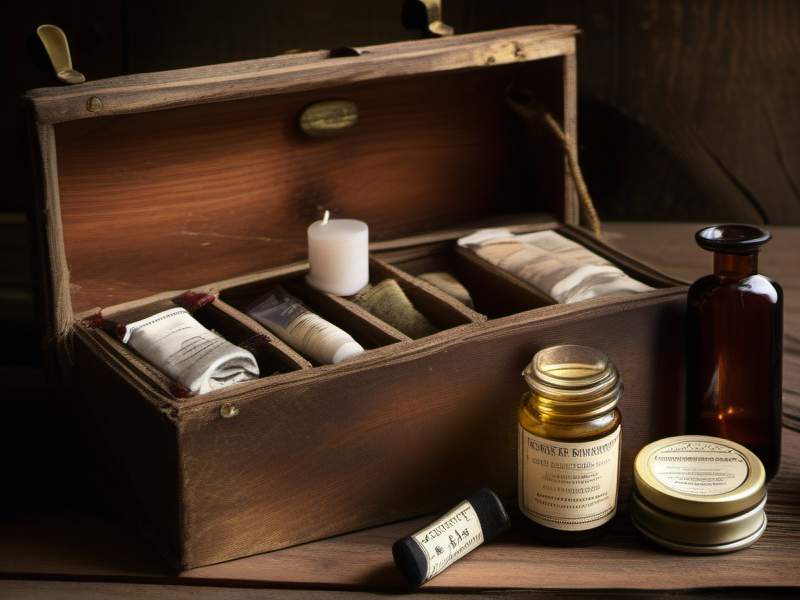
Now we assemble. Everything described below fits in a gallon-sized ziplock bag or a small canvas pouch. Total weight: under 500 grams. Total cost if you grow and prepare everything yourself: essentially zero.
The Core Kit
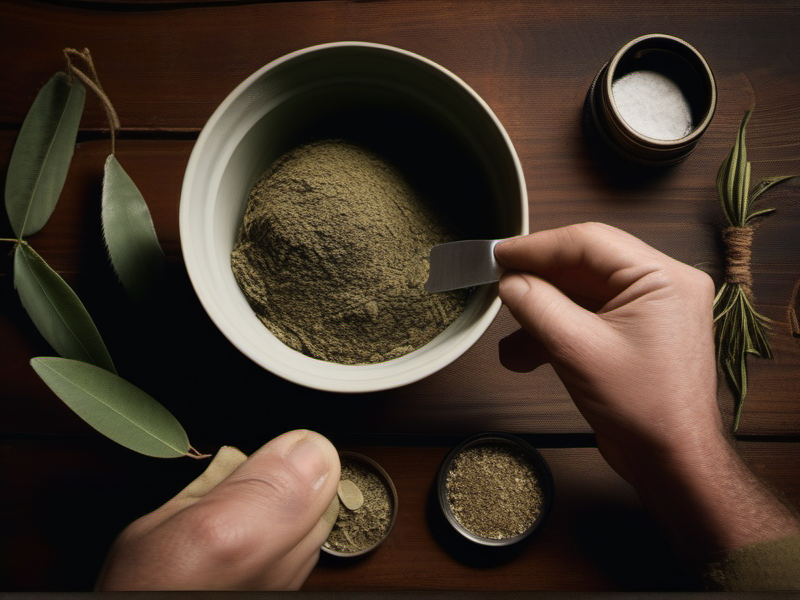
1. Dried yarrow (leaves and flowers), powdered — 30 grams Stored in a small tin or dark glass jar. This is your primary styptic. For any bleeding wound: sprinkle the powder directly onto the wound and apply firm pressure. Functions as a hemostatic agent, astringent, anti-inflammatory, and mild analgesic simultaneously. 2. Yarrow tincture — 30 ml dropper bottle For internal use (digestive complaints, fever reduction, menstrual cramps) and external wound washing. More versatile than the powder for situations that require a liquid preparation. Dose: 30 drops in water, up to three times daily for internal use. 3. Dried plantain leaves, whole — 15 grams Stored in a small bag. For poultices: rehydrate briefly in warm water (or chew, in the field) and apply to stings, bites, splinters, and minor wounds. The drawing action begins within minutes. 4. Plantain tincture — 30 ml dropper bottle For sore throat, cough, digestive upset (internal), and wound washing (external). The mucilage content makes it particularly soothing for irritated mucous membranes. 5. Calendula salve — 60 ml tin Your primary wound-healing preparation. Apply to any cut, scrape, burn, rash, chapped skin, or insect bite that needs help healing. Anti-inflammatory, antimicrobial, antioxidant, and tissue-regenerating. This single tin replaces the petroleum-based antibiotic ointment in a commercial first-aid kit — and it works better. 6. Comfrey salve — 30 ml tin Labeled "EXTERNAL USE ONLY — DO NOT APPLY TO OPEN WOUNDS." For sprains, strains, bruises, joint pain, muscle soreness, and suspected minor fractures. Apply generously to the affected area and cover with a bandage or wrap. Reapply every four to six hours. 7. Dried chamomile flowers — 30 grams Stored in a small bag. For tea (sleep, anxiety, digestive upset), for anti-inflammatory wash (wounds, skin irritation, eye compresses), and for steam inhalation (respiratory congestion). The most versatile single herb in the kit by range of application. 8. Chamomile tincture — 30 ml dropper bottle For situations where brewing tea is impractical. Dose: 30 to 60 drops in water for anxiety, insomnia, digestive complaints. More concentrated and faster-acting than tea.Supporting Supplies
9. Clean cotton cloth or gauze — several pieces For bandaging, poultice wrapping, compresses, and straining. Cloth is the universal tool of field medicine. Pack several clean squares, rolled tightly. 10. Small roll of medical tape or self-adhesive bandage wrap To secure poultices and bandages in place. 11. Small knife or scissors For harvesting fresh plants, cutting bandages, and preparing poultices. 12. A printed identification card Laminated if possible, with photographs and key features of each plant. In the field, you may need to supplement your kit with fresh-gathered plants. A reliable identification reference prevents dangerous mistakes.The Extended Kit
If space and weight allow, consider adding:
Dried elderflower (Sambucus nigra) — for fever-reducing tea and upper respiratory infections. Prepare and use like chamomile tea. Dried peppermint (Mentha piperita) — for nausea, headache, and digestive cramping. Brew as tea or inhale the crushed leaves. Raw honey — nature's wound dressing. Honey is hygroscopic (it draws moisture from bacteria, killing them), acidic (pH 3.2-4.5, inhospitable to most pathogens), and contains hydrogen peroxide produced by the enzyme glucose oxidase. Applied directly to wounds, honey prevents infection and promotes healing. It has been used as a wound dressing since ancient Egypt and is now available as medical-grade Manuka honey in modern hospitals. A small jar in the field kit serves as both a wound dressing and a sweetener for medicinal teas. Activated charcoal — for poisoning and severe digestive distress. Not an herb, but complementary to the herbal kit. Available in capsule form from any pharmacy.IX. Seasonal Harvesting Calendar
The plants in this kit are not available fresh year-round. Proper timing of harvest ensures maximum potency of the dried and preserved forms.
Spring (March-May)
Plantain. New leaves appear early and can be harvested throughout the growing season, but spring leaves are the most tender for fresh poultices. Begin gathering as soon as leaves reach 7 to 10 centimeters in length. Comfrey. Harvest leaves in late spring when they are large and robust but before flowering diverts the plant's energy. The root can be dug in spring or fall; fall roots are generally considered more potent.Summer (June-August)
Yarrow. Harvest when the plant is in full flower — this is when the concentration of essential oils and active compounds peaks. Cut the top third of the plant (flowers and upper leaves) on a dry morning after the dew has evaporated. Bundle and hang to dry in a warm, well-ventilated space out of direct sunlight. Calendula. Harvest flower heads continuously throughout the blooming season. Pick when fully open, on dry days. The more you harvest, the more flowers the plant produces — deadheading stimulates continuous blooming. Dry on screens in a warm, airy space. Chamomile. Harvest flower heads when the white ray florets have just reflexed (bent backward) from the central dome. This indicates peak essential oil content. Pick in the morning after dew has dried. Dry on screens at low temperature — chamomile's volatile compounds are heat-sensitive.Fall (September-November)
Comfrey root. The optimal time to dig comfrey root for medicinal preparations. The plant has spent the growing season accumulating allantoin and other compounds in the root. Dig, wash, slice thinly, and dry in a dehydrator or warm oven at the lowest setting. All plants. This is the season for final processing: grinding dried yarrow to powder, making tinctures from dried herbs, preparing infused oils, and converting oils to salves. By the time the first hard frost arrives, your kit should be fully stocked for the year ahead.Winter (December-February)
No fresh harvesting. This is the time to use your preserved preparations, to study identification guides, and to plan the next season's planting. If you do not already grow calendula and chamomile, order seeds in January for spring planting.
X. Dosage, Cautions, and the Limits of Field Medicine
This article has described what these plants can do. It is equally important to be clear about what they cannot do.
What This Kit Treats
- Minor to moderate bleeding (yarrow)
- Insect stings and bites (plantain)
- Splinters and minor foreign-body removal (plantain)
- Minor cuts, scrapes, abrasions (calendula salve)
- Minor burns (calendula salve, chamomile wash)
- Sprains, strains, bruises (comfrey salve)
- Digestive upset: nausea, cramping, gas (chamomile tea, plantain tincture)
- Anxiety and insomnia (chamomile tea, chamomile tincture)
- Minor skin infections and rashes (calendula salve, chamomile wash)
- Sore throat and cough (plantain tincture, chamomile tea)
- Minor eye inflammation (chamomile compress)
- Muscle soreness and joint pain (comfrey salve)
- Fever (yarrow tincture in combination with chamomile tea)
- Respiratory congestion (chamomile steam inhalation)
What This Kit Does Not Treat
- Arterial bleeding (bright red, spurting blood). This requires a tourniquet and emergency medical care. Yarrow can slow capillary and venous bleeding; it cannot stop a severed artery.
- Deep puncture wounds. These carry a risk of tetanus and deep infection that requires medical evaluation and possibly antibiotics.
- Compound fractures (bone protruding through skin). Comfrey accelerates bone healing but cannot substitute for surgical reduction and stabilization of a compound fracture.
- Anaphylaxis. Severe allergic reactions require epinephrine. No herb replaces an EpiPen.
- Heart attack, stroke, or other cardiovascular emergencies.
- Severe burns (second degree covering large areas, any third degree).
- Suspected spinal injuries.
- Any condition involving loss of consciousness, severe pain, high fever, or rapid deterioration.
Specific Cautions
Comfrey: External use only. Do not apply to open wounds. Limit continuous use to four to six weeks. Do not use during pregnancy. Do not feed to children under two years old. The pyrrolizidine alkaloid content is not trivial — this is a powerful plant that demands respect. Yarrow: May cause allergic reactions in individuals sensitive to Asteraceae plants (ragweed, chrysanthemum, marigold). Avoid during pregnancy (yarrow is a traditional emmenagogue — it stimulates menstrual flow). Toxic to dogs, cats, and horses if ingested in quantity — keep dried yarrow away from pets. Chamomile: Cross-reactivity with ragweed allergies. May interact with anticoagulant medications. Avoid medicinal-strength preparations during pregnancy. Generally the safest herb in this kit, but not universally safe. Calendula: Generally well tolerated. Rare cases of contact dermatitis. Avoid during pregnancy as a precaution (limited safety data for medicinal use during pregnancy; culinary use is considered safe). Plantain: No significant contraindications known. This is the safest plant in the kit for general use. Safe for children, the elderly, and pregnant women at normal doses.A Note on Identification
Every year, people are poisoned by misidentified plants. This article provides identification guidelines, but written descriptions — no matter how detailed — cannot substitute for hands-on learning. Before you use any wild-gathered plant medicinally:
- Learn from an experienced forager or herbalist in person. Books and articles give you the framework. Human teachers give you certainty.
- Use multiple field guides with photographs. Cross-reference at least two independent sources before consuming or applying any wild plant.
- Start with the easy ones. Broadleaf plantain and yarrow are among the most recognizable plants in the temperate world. Learn these first. Move to others as your confidence grows.
- When in doubt, do not use it. The margin of safety with known plants is wide. The margin of error with misidentified plants is zero.
XI. Growing Your Own Apothecary
The most reliable way to ensure a steady supply of correctly identified medicinal plants is to grow them yourself. All five plants in this kit are easy to cultivate, and a dedicated patch of just two or three square meters will yield enough material to stock a kit for a full year.
The Five-Plant Medicinal Garden
Yarrow. Plant divisions or nursery starts in spring. Full sun, well-drained soil. Yarrow tolerates drought and poor soil — do not baby it. Once established, it spreads by rhizomes and will fill a patch quickly. Harvest the top third of the plant when in full flower. Plantain. You almost certainly already have it in your lawn. If not, scatter seeds on compacted ground in spring — it prefers the hard, trampled soil that other plants avoid. Broadleaf plantain does not need a garden bed; it needs a footpath. Calendula. Direct sow seeds in spring after the last frost. Full sun, average soil, moderate water. Deadhead spent flowers to promote continuous blooming. Allow a few flowers to go to seed at the end of the season; the plant will self-sow and return the following year. One packet of seed will give you more calendula flowers than you can use. Comfrey. Plant root cuttings or crown divisions in spring. Rich, moist soil. Partial shade is tolerated. Warning: comfrey is virtually indestructible once established. Every piece of root left in the soil will regenerate into a new plant. Choose your planting site carefully — this is a permanent decision. A single comfrey plant will produce enough leaf material for a year's worth of salve. Chamomile. Direct sow seeds in spring on the surface of the soil — chamomile seeds need light to germinate, so do not cover them. Full sun, well-drained soil. Water gently until established. German chamomile is an annual but self-sows aggressively; you will plant it once and have it forever.Drying and Storage
The quality of your preparations depends entirely on the quality of your dried herbs. Poor drying produces moldy, degraded material with diminished potency. Proper drying preserves the active compounds at near-fresh concentrations.
Method. Harvest on a dry day after morning dew has evaporated. Bundle herbs loosely and hang upside down in a warm, dry, well-ventilated space out of direct sunlight — an attic, a covered porch, a closet with a fan. Alternatively, spread herbs in a single layer on drying screens (window screens work well) with good airflow above and below. Drying time varies by plant and conditions: typically five to ten days for leaves, seven to fourteen days for flower heads. Testing for doneness. Leaves should crumble when rubbed between your fingers. Stems should snap, not bend. Flower heads should feel papery and dry throughout — crush one and check that the center is not damp. Storage. Once fully dried, store in glass jars with tight-fitting lids, in a cool, dark place. Label each jar with the plant name and harvest date. Dried herbs retain full potency for one year and acceptable potency for two years. After two years, replace with fresh material.XII. The Kit That Costs Nothing
There is something quietly radical about the field medic kit described in this article. It is not a product. It cannot be sold to you by a corporation. It does not require a supply chain, a factory, a pharmacy, or a prescription. It grows in the ground, processes with a knife and a jar, and works as well in 2026 as it did in 1200 BC.
This does not make it superior to modern medicine. I want to be unambiguous about this. If I am having a heart attack, I want a hospital. If I have a bacterial infection in my bloodstream, I want intravenous antibiotics. If I shatter my femur, I want a surgeon.
But most of the injuries and ailments of daily life are not emergencies. They are the small damages of living: the cut while slicing vegetables, the bee sting in the garden, the sprained ankle on the trail, the child's scraped knee, the sleepless night, the sore throat, the aching joint. For these — for the routine breakdowns of the human body operating in the physical world — five plants, properly identified and prepared, constitute a medical kit of remarkable breadth and proven efficacy.
The knowledge is free. The plants are free. The preparation requires only time and attention.
Our great-grandmothers knew this. The Roman legionary knew this. The Anglo-Saxon monk knew this. The Civil War surgeon knew this. The stretcher-bearer at the Somme, gathering yarrow between bombardments, knew this.
We are the first generation in ten thousand years to have forgotten it.
The plants are still there, growing in the lawn, along the road, at the edge of the field. They are waiting. They have been waiting for a very long time.
Go outside. Look down.
Your field medic kit is already growing.
References and Further Reading
Historical Sources- Dioscorides, Pedanius. De Materia Medica. c. 50-70 AD. Translated by Tess Anne Osbaldeston, IBIDIS Press, 2000.
- Pliny the Elder. Naturalis Historia. c. 77 AD. Books XX-XXVII (on medicinal plants).
- The Leechbook of Bald. c. 900-950 AD. Anglo-Saxon medical text preserved in the British Library (MS Royal 12 D XVII).
- Porcher, Francis P. Resources of the Southern Fields and Forests. Charleston, SC: Evans & Cogswell, 1863.
- Harrington, H.D. Edible Native Plants of the Rocky Mountains. University of New Mexico Press, 1967.
- Peterson, Lee Allen. A Field Guide to Edible Wild Plants: Eastern and Central North America. Houghton Mifflin, 1977.
- Rose, Francis. The Wild Flower Key. Frederick Warne, 2006.
- Nemeth, E., and Bernath, J. "Biological Activities of Yarrow Species (Achillea)." Current Pharmaceutical Design 14, no. 29 (2008): 3151-3167.
- Predel, H.G., et al. "Efficacy of a Comfrey Root Extract Ointment in Comparison to a Diclofenac Gel in the Treatment of Ankle Distortions." Phytomedicine 12, no. 10 (2005): 707-714.
- Preethi, K.C., Kuttan, G., and Kuttan, R. "Anti-inflammatory Activity of Flower Extract of Calendula officinalis Linn. and Its Possible Mechanism of Action." Indian Journal of Experimental Biology 47, no. 2 (2009): 113-120.
- Srivastava, J.K., Shankar, E., and Gupta, S. "Chamomile: A Herbal Medicine of the Past with a Bright Future." Molecular Medicine Reports 3, no. 6 (2010): 895-901.
- Samuelsen, A.B. "The Traditional Uses, Chemical Constituents and Biological Activities of Plantago major L." Journal of Ethnopharmacology 71, no. 1-2 (2000): 1-21.
- Green, James. The Herbal Medicine-Maker's Handbook. Crossing Press, 2000.
- Gladstar, Rosemary. Rosemary Gladstar's Medicinal Herbs: A Beginner's Guide. Storey Publishing, 2012.
- de la Foret, Rosalee. Alchemy of Herbs. Hay House, 2017.
Silas Whitford is the Senior Botanical Correspondent for The Ancestral Forge. He maintains a three-acre research garden in the Blue Ridge Mountains of Virginia, where he cultivates over 200 species of medicinal and edible plants. His fieldwork focuses on the intersection of traditional botanical knowledge and modern phytochemistry. This article is for educational purposes only and is not intended as medical advice. Always consult a qualified healthcare provider for serious injuries or illnesses. The author and publisher assume no liability for the use or misuse of the information contained herein.
Comments (0)
No comments yet.
Log in to comment.