Plantain, the Weed Under Your Boots
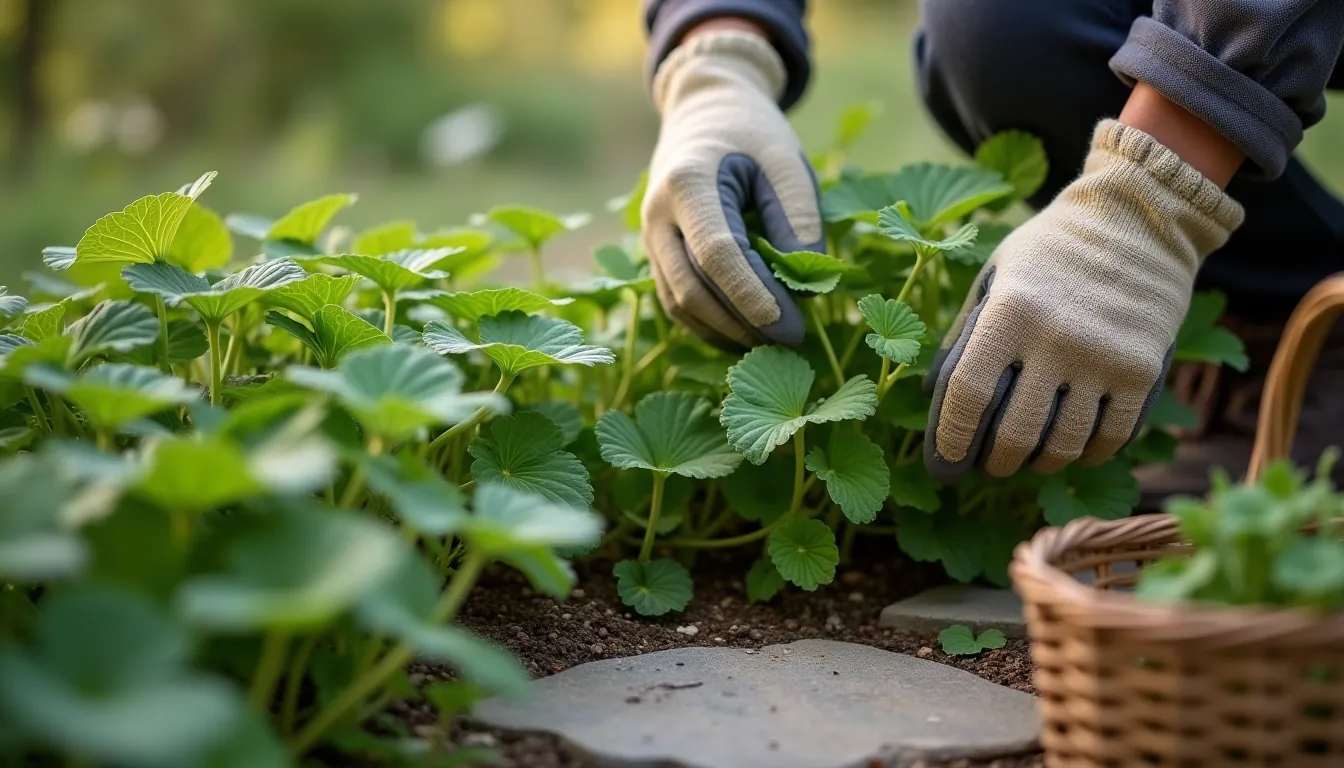
A low rosette of leaves can persist in a lawn that gets mown and walked over week after week. Common plantain is built for that sort of ground. But the name can cause confusion: the plant underfoot is not the banana commonly called plantain. They are unrelated.
Here, plantain means Plantago major, also called broadleaf or common plantain. North Carolina State Extension describes it as a perennial that grows in lawns, fields, roadsides and other disturbed places. Its leaves and seeds can be eaten. S. Samuelsen’s review is titled “The traditional uses, chemical constituents and biological activities of Plantago major L.” Correct identification matters before gathering or using the plant.
Not medical advice. This article is for general information only. It does not diagnose or treat anything. Talk to a qualified health professional before using any herb or remedy, especially if you are pregnant, breastfeeding, on medication or have a medical condition.
What “plantain” means
The word “plantain” covers two very different plants in ordinary conversation. One is the banana commonly called plantain. The other is common plantain, Plantago major, a low-growing plant in the genus Plantago. The two are unrelated, as NC State Extension makes clear in its plant profile.
That distinction matters at the market, in a field guide and when you read an old herbal account. A shared common name does not mean two plants share a family, appearance or use. Use the scientific name alongside the common one. A guide entry for Plantago major is more precise than a search or label that says only “plantain”.
Identifying common plantain
Look for the plant’s overall habit first. Plantago major is a perennial, and its leaves grow close to the ground in a basal rosette. That low arrangement helps it withstand mowing. NC State Extension also notes its tolerance of compacted soil and repeated trampling, which helps explain why it turns up where taller plants struggle.
A rosette alone is not a reliable identification. Many plants grow close to the ground, and one feature can mislead when leaves are young, damaged or partly hidden by grass. Confirm the plant using multiple features and a reliable regional field guide. Compare a clear specimen with a full description rather than relying on a quick match to one photograph or on the common name.
If you cannot confirm the species with confidence, leave it where it is. Foraging is a poor place to turn uncertainty into a guess, especially when the plant is intended for eating or herbal use.
Broadleaf and narrowleaf plantain
Common plantain is also called broadleaf plantain. It is Plantago major. Narrowleaf plantain, also known as ribwort plantain, is Plantago lanceolata. These are separate species in the same genus. NC State Extension maintains a separate profile for narrowleaf plantain.
Use a regional guide that covers both species and explains how to identify them. Confirm which Plantago you have before applying information about its edibility or traditional use.
Where it grows and where to harvest
NC State Extension lists lawns, fields, roadsides and other disturbed places among the habitats where common plantain grows. Its ability to tolerate compacted ground and trampling helps it persist in places with regular foot traffic. Finding a plant in a familiar spot, though, doesn’t mean that spot is suitable for gathering food.
Choose correctly identified plants from clean sites. Avoid roadsides, treated lawns, polluted ground and other places where plants may have been exposed to contaminants. A lawn may look tidy while having been treated. If you don’t know what has happened on a site, choose somewhere else.
Rinsing gathered leaves is sensible, but washing shouldn’t be taken as proof that chemical contamination has been removed. Site selection comes first. Don’t collect from land unless you have permission. Rules vary by landowner and jurisdiction, particularly on public or protected land, so check local requirements before you pick.
Eating the leaves and seeds
Common plantain has edible leaves and seeds, according to NC State Extension. The profile says young, tender leaves may be eaten raw. Older leaves become stringier and may be boiled in stews. Select tender leaves for raw use, and expect mature leaves to have a tougher texture.
The same source describes the leaves as nutritious and lists calcium and vitamins A, C and K. It doesn’t provide amounts, serving sizes or a comparison with other foods, so those details don’t show what any one meal supplies.
The seeds are edible too, but NC State Extension cautions that ingesting large quantities may lower blood pressure. It gives no safe threshold or quantity, and none should be inferred from the warning. If you have a blood-pressure condition or take related medication, seek qualified clinical advice before using plantain medicinally or consuming large quantities. Correct identification and a clean harvest site come before the recipe.
Traditional uses and evidence limits
S. Samuelsen’s review, “The traditional uses, chemical constituents and biological activities of Plantago major L.”, concerns traditional uses of the plant. Traditional use tells us that people have used a plant in particular ways. It doesn’t, by itself, show that a use works as a treatment. There’s no clinical evidence in the sources cited here that plantain works as a remedy.
Claims that plantain draws out venom, splinters or infection aren’t supported by these sources. They can make an uncertain practice sound like dependable first aid. If a wound, bite or other health concern needs attention, use appropriate care and seek qualified medical help when needed. A wild plant’s reputation isn’t a reason to delay care.
Safety
Don’t eat a plant because its common name sounds familiar. Confirm that it is Plantago major using multiple features and a reliable regional field guide. Avoid roadsides, treated lawns and polluted ground. Rinse gathered greens, while remembering that rinsing can’t be assumed to remove chemical contamination.
NC State Extension says ingesting large quantities of seeds may cause a drop in blood pressure, but gives no amount or threshold. Don’t turn that statement into a suggested serving limit. Anyone with a blood-pressure condition, or taking related medication, should ask a qualified professional before using plantain medicinally or consuming large quantities.
Traditional wound use doesn’t make a leaf sterile. Don’t put unclean plant material on broken skin, and don’t treat a folk practice as a substitute for wound care.
Before harvesting
Confirm the species, choose a clean site where you’re allowed to collect, and check local rules, especially on public or protected land. NC State Extension says young, tender leaves may be eaten raw and older leaves may be boiled in stews. The source warns that large quantities of seeds may lower blood pressure but gives no safe threshold.
Sources
- North Carolina Extension Gardener Plant Toolbox, “Plantago major”, https://plants.ces.ncsu.edu/plants/plantago-major/
- North Carolina Extension Gardener Plant Toolbox, “Plantago lanceolata”, https://plants.ces.ncsu.edu/plants/plantago-lanceolata/
- S. Samuelsen, “The traditional uses, chemical constituents and biological activities of Plantago major L.”, https://pubmed.ncbi.nlm.nih.gov/10904143/
Comments (0)
No comments yet.
Log in to comment.