The Bitter Cup: Why Our Great-Grandmothers Drank Wormwood at Dawn
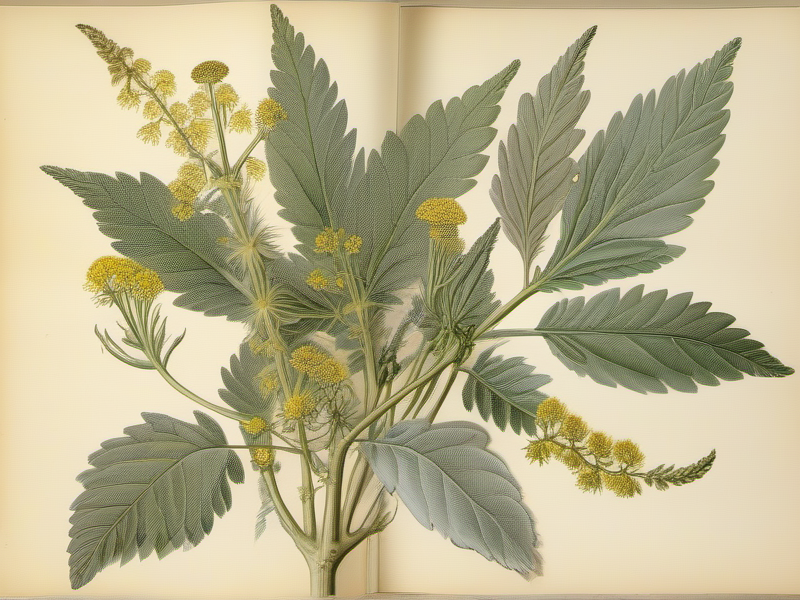
Every European peasant pharmacy carried Artemisia. We threw it out for ibuprofen. The receipts are now coming in.
The Bitter Principle
Before aspirin, before ibuprofen, before any synthetic anti-inflammatory -- there was wormwood. Artemisia absinthium. The bitter herb that every grandmother in Europe kept dried in a cloth bag above the hearth. The plant with the silver-green leaves and the small yellow flowers that grows wild along roadsides, in rubble lots, and at the edges of old pastures from Ireland to the Urals. The plant that tastes like medicine -- because for two hundred thousand years of human evolution, bitterness was medicine.
This is a story about a taste, a plant, a set of receptors, and a cascade of physiological events that begins the moment a bitter compound touches your tongue. It is also a story about what happens when an entire civilization decides, in the span of a single century, that bitterness is unpleasant and should be eliminated from the diet -- and what the consequences of that decision are now beginning to look like.
Part I: The Plant
Taxonomy and Distribution
Artemisia absinthium is a member of the Asteraceae (daisy) family and the genus Artemisia, which contains over 500 species distributed across the temperate regions of the Northern Hemisphere. The genus is named for the Greek goddess Artemis, who was associated with wilderness, the hunt, and the healing arts. The species name absinthium derives from the Greek apsinthion, meaning "undrinkable" -- a testament to the plant's formidable bitterness.Wormwood is native to temperate Eurasia and North Africa. It grows wild across most of Europe, from the Mediterranean coast to Scandinavia, and eastward through the Caucasus, Central Asia, and Siberia. It has naturalized in North America, where it is common along roadsides, railway embankments, disturbed ground, and waste places from coast to coast. It is a hardy perennial, surviving temperatures down to -40 degrees Fahrenheit / Celsius (the scales converge at this point) and thriving in poor, dry soils where more demanding plants fail.
Morphology
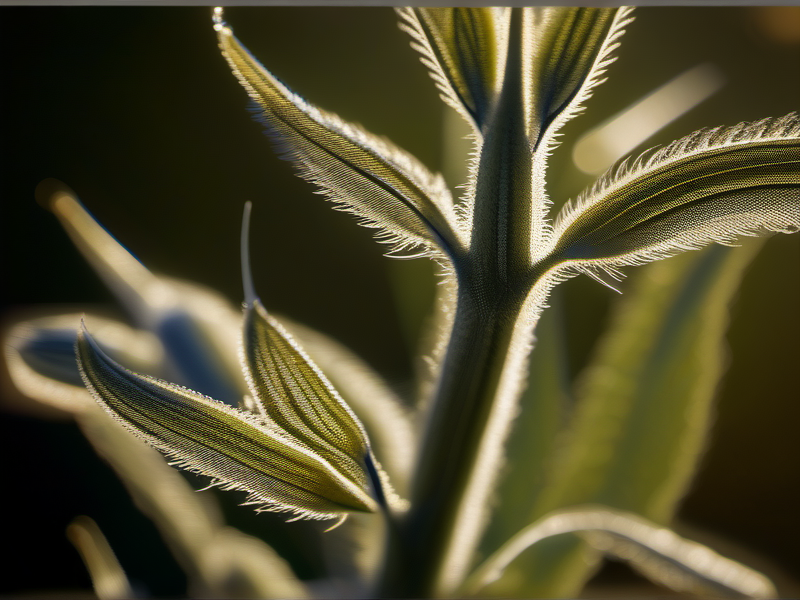
Wormwood is an herbaceous perennial growing 2-4 feet (60-120 cm) tall. The stems are erect, branched, and covered with fine, silky hairs that give the plant its characteristic silver-green color. The leaves are deeply divided, with three to five lobes, and are covered on both surfaces with the same silky pubescence. The flowers are small (3-5 mm), yellow, globular, and arranged in drooping panicles. The entire plant is strongly aromatic, with a distinctive camphor-and-sage scent.
The root system is fibrous and spreading, enabling the plant to colonize poor soils and disturbed ground with vigor. A single plant can persist for 10-15 years, spreading slowly by underground runners to form a dense, fragrant clump.
Chemistry
The chemical complexity of Artemisia absinthium is formidable. The plant produces over 100 identified secondary metabolites, organized into several major classes:
Sesquiterpene lactones: These are the bitter principles -- the compounds responsible for wormwood's legendary bitterness. The two most important are:- Absinthin: The primary bitter compound. Absinthin has a bitter threshold concentration of approximately 1 part per 70 million -- meaning that a single gram of absinthin, dissolved in 70,000 liters of water, produces a detectably bitter solution. This makes absinthin one of the most bitter natural compounds known to science.
- Artabsin: A related sesquiterpene lactone with similar bitter potency and demonstrated anti-inflammatory, anti-parasitic, and choleretic (bile-stimulating) properties.
- Thujone (alpha and beta forms): The compound most associated with wormwood in the popular imagination, largely due to its presence in absinthe. Thujone is a GABA-A receptor antagonist that, at high doses, can cause seizures. At the low concentrations present in whole-plant preparations, however, its physiological effects are minimal. More on this below.
- Chamazulene: An anti-inflammatory compound also found in chamomile. Responsible for the blue-green color of some wormwood essential oil preparations.
- Beta-caryophyllene: A terpene with demonstrated anti-inflammatory and analgesic properties, now known to act as a selective agonist of the CB2 cannabinoid receptor.
The Bitterness Spectrum
To appreciate wormwood's role in traditional medicine, you must understand where it sits on the spectrum of bitter plants. Bitterness is not a single sensation -- it is a family of sensations, mediated by at least 25 different bitter taste receptors (the TAS2R family) in humans, each responding to a different set of chemical structures.
Different bitter plants activate different subsets of these receptors. Gentian (Gentiana lutea), the bitterest commonly used medicinal herb, activates primarily TAS2R1 and TAS2R4. Coffee activates TAS2R7, TAS2R10, and TAS2R14. Hops activate TAS2R1, TAS2R14, and TAS2R40.
Wormwood, with its complex mixture of sesquiterpene lactones, activates a broad spectrum of TAS2R receptors -- it is what herbalists call a "full-spectrum bitter," engaging multiple receptor subtypes simultaneously. This has implications for its physiological effects, as we will see in the next section.

Part II: The Bitter Taste Receptor Revolution
Beyond the Tongue
For most of the twentieth century, taste receptors were understood as tongue-specific sensory organs whose sole function was to detect the chemical composition of food and transmit that information to the brain. Bitter taste was interpreted as a warning signal: "This might be toxic. Spit it out."
Then, in the early 2000s, researchers began finding bitter taste receptors in places that had nothing to do with tasting food.
The discovery that changed everything was published in 2003: TAS2R (also called T2R) bitter taste receptors were found in the epithelial cells lining the gastrointestinal tract -- the stomach, the small intestine, and the colon. These receptors were not connected to the brain's gustatory cortex. They were not producing the sensation of bitterness. They were doing something else entirely.
Since that initial discovery, TAS2R receptors have been identified in an extraordinary range of tissues:
- Gastrointestinal tract: Stomach, duodenum, jejunum, ileum, colon. Found on enteroendocrine cells (hormone-secreting cells) and enterocytes (absorptive cells).
- Respiratory tract: Airway epithelial cells and smooth muscle cells. Activation causes bronchodilation and stimulates mucociliary clearance -- the lung's self-cleaning mechanism.
- Heart: Cardiomyocytes (heart muscle cells). Function still under investigation but appears related to contractility regulation.
- Brain: Neurons and glial cells in specific brain regions. Possible role in neuroinflammation and neuroprotection.
- Pancreas: Beta cells (insulin-producing cells). Activation modulates insulin secretion.
- Immune cells: Various leukocyte subtypes. Activation stimulates antimicrobial peptide production and cytokine release.
- Reproductive tract: Sperm cells and ovarian tissue. Function unclear but may relate to chemotaxis.
The implication is staggering. Bitter taste receptors are not just taste receptors. They are a body-wide chemical sensing system -- a network of molecular detectors that respond to bitter compounds not by producing a taste sensation but by triggering local physiological responses in every tissue where they occur.
A 2019 review in the Journal of General Physiology titled "Extraoral bitter taste receptors in health and disease" summarized the paradigm shift: TAS2Rs "have been detected in a large number of cells and tissues located outside the mouth, and activation of these receptors produces a diverse range of biological responses under normal conditions."
The Gut Bitter Response
The gut bitter receptors are the most relevant to understanding why our great-grandmothers drank wormwood at dawn. Here is the cascade that occurs when bitter compounds reach the gastrointestinal tract:
Step 1: Detection. Bitter compounds in the food (or drink) contact TAS2R receptors on enteroendocrine cells in the stomach and upper small intestine. The receptors activate, triggering an intracellular calcium signaling cascade. Step 2: Hormone release. The activated enteroendocrine cells release a cocktail of hormones and peptides, including:- Cholecystokinin (CCK): Stimulates the gallbladder to contract and release bile into the duodenum. Bile emulsifies dietary fats, enabling their absorption. CCK also stimulates the pancreas to secrete digestive enzymes.
- Glucagon-like peptide 1 (GLP-1): Modulates insulin secretion, slows gastric emptying (increasing satiety), and has demonstrated neuroprotective effects.
- Peptide YY (PYY): A satiety hormone that signals the brain to reduce appetite.
- Ghrelin modulation: Bitter compounds may suppress ghrelin, the "hunger hormone," though this is dose-dependent.
The Metabolic Implications
The hormonal cascade triggered by gut bitter receptors has metabolic consequences that extend far beyond digestion:
- Blood sugar regulation: GLP-1 release improves insulin sensitivity and moderates postprandial blood glucose spikes. This is not a subtle effect -- GLP-1 receptor agonists (synthetic versions of the hormone) are among the most effective drugs for type 2 diabetes and obesity (semaglutide, marketed as Ozempic, is a GLP-1 agonist).
- Appetite regulation: CCK and PYY are powerful satiety signals. A bitter tonic before a meal may reduce total caloric intake by enhancing the body's natural satiety mechanisms.
- Fat absorption: Enhanced bile production improves the absorption of dietary fats and fat-soluble vitamins (A, D, E, K). A person with inadequate bile production -- common in the elderly and in people with gallbladder dysfunction -- may be malabsorbing critical nutrients despite adequate dietary intake. A bitter tonic can address this directly.
Part III: The Historical Tradition
The European Bitter Tonic
The practice of drinking bitter herb preparations as digestive tonics is as old as European herbal medicine itself. The earliest written references appear in the Ebers Papyrus (circa 1550 BCE), which recommends wormwood for digestive complaints. Hippocrates (460-370 BCE) prescribed wormwood for jaundice, menstrual disorders, and anemia. Dioscorides (40-90 CE), in his De Materia Medica, described wormwood as warming, astringent, and useful for stomach ailments.
In medieval Europe, every monastery garden included wormwood among its medicinal herbs. The Benedictine tradition of herbal pharmacy, codified in texts like the Hortulus of Walahfrid Strabo (ninth century), gave wormwood a prominent place among the healing plants. Hildegard of Bingen (1098-1179), the German abbess, mystic, and natural philosopher, prescribed wormwood tea for digestive weakness, fever, and melancholy.
The folk tradition was even more deeply rooted. In every peasant community from Portugal to Poland, the household medicine chest -- which might be a shelf, a box, or a cloth bag hung from a nail -- contained dried wormwood. The standard preparation was an infusion: a pinch of dried leaves steeped in hot water for five minutes, drunk first thing in the morning on an empty stomach. The purpose was explicitly digestive: to "wake up the liver," to "get the bile moving," to "prepare the stomach for the day's work."
Swedish Bitters
The most famous European bitter tonic still in wide use is Swedish bitters (Schwedenbitter), a formula whose origins are traced to Swedish physicians of the late 17th or early 18th century, notably Dr. Claus Samst. The formula was popularized in the 20th century by Austrian herbalist Maria Treben, whose 1980 book Health Through God's Pharmacy sold millions of copies across Europe.
The original Swedish bitters recipe contains 11 ingredients: aloe, camphor, angelica root, saffron, senna leaves, manna, myrrh, rhubarb roots, zedoary roots, carline thistle roots, and theriac (a classical herbal electuary). Several of these ingredients -- notably aloe, rhubarb, and senna -- are intensely bitter. The formula is macerated in alcohol for three weeks, producing a dark, aromatic tincture with extraordinary bitterness.
Swedish bitters is used traditionally as a digestive tonic (10-15 drops in water before meals), a topical wound treatment (applied as a compress), and a general health tonic. While controlled clinical trials are limited, the biochemical rationale is sound: the formula delivers a concentrated dose of bitter compounds that activate the TAS2R-mediated digestive cascade described above.
The Amaros of Italy
Italy has the richest living tradition of bitter liqueurs -- the amari (singular: amaro). These are herbal digestive liqueurs consumed after meals as digestivi, and their bitterness is the entire point. Major examples include:
- Fernet-Branca: Contains aloe, myrrh, chamomile, saffron, rhubarb, and numerous other bitter herbs. Extremely bitter, consumed neat or in cocktails.
- Amaro Averna: Sicilian, with a gentler bitterness balanced by citrus and herb notes.
- Campari: Characterized by its signature bitterness and red color, long attributed to the use of wormwood and gentian among its botanical ingredients.
The Italian tradition encodes, in the form of a cultural habit, the same physiological wisdom that the Bavarian farmwife's morning wormwood tea encoded: bitter compounds after (or before) meals improve digestion. The Italians simply made it more palatable by adding sugar, alcohol, and caramel.
Absinthe: The Tragic Detour
Wormwood's most famous -- and most controversial -- historical use was as the primary botanical ingredient in absinthe, the high-proof spirit that became the defining drink of late-19th-century Bohemian Paris. Absinthe was distilled from a base of wormwood, green anise, and sweet fennel, and its distinctive green color and complex herbal flavor made it the drink of choice for artists, writers, and intellectuals from Baudelaire to Toulouse-Lautrec to Van Gogh.
The absinthe story is a tragedy of moral panic, industrial competition, and bad science. In the late 1800s, as absinthe consumption soared in France -- eventually surpassing wine in sales -- a campaign developed to blame absinthe for a range of social pathologies: insanity, violence, moral degeneracy, and a condition called "absinthism" that was described as distinct from ordinary alcoholism.
The case against absinthe rested primarily on animal experiments conducted by Valentin Magnan in the 1860s and 1870s, in which he injected pure wormwood oil directly into the brains of cats and dogs, producing seizures. This was not a study of absinthe; it was a study of concentrated essential oil administered by an entirely non-physiological route. But the distinction was lost in the moral panic. By the early 1900s, absinthe had been banned in Belgium (1906), Switzerland (1910), the Netherlands (1910), the United States (1912), and France (1915).
The bans were driven not by science but by politics. The French wine industry, devastated by the phylloxera epidemic and desperate to reclaim market share, lobbied aggressively against absinthe. The temperance movement, gaining political power across Europe, saw absinthe as a convenient target -- more exotic and more threatening than ordinary alcohol. And the medical establishment, uncritically accepting Magnan's experiments, provided the intellectual cover.
Modern analysis has thoroughly debunked the absinthe myth. A 2006 review in the Journal of Agricultural and Food Chemistry by Lachenmeier and colleagues analyzed vintage bottles of pre-ban absinthe and found that thujone levels were far lower than previously assumed -- typically 25-35 mg/L, well below the concentration needed to produce neurological effects. The review concluded that "absinthism" was simply alcoholism rebranded, and that thujone at the concentrations present in absinthe poses no meaningful health risk.
Absinthe has since been re-legalized in most countries (the EU in 1988, Switzerland in 2005, the US effectively in 2007). But the damage to wormwood's reputation persists. Many people still associate wormwood with hallucinations, madness, and poison -- associations that have no basis in the pharmacology of the actual plant.
Part IV: The Modern Deficit of Bitterness
The Disappearing Taste
The modern Western diet has undergone a systematic removal of bitter flavors. This is not a conspiracy; it is a market response. Consumers prefer sweet and salty. Food manufacturers optimize for consumer preference. The result is a dietary environment in which the five basic tastes -- sweet, salty, sour, bitter, and umami -- are represented in wildly disproportionate measure, with sweet and salty dominant, umami present (in processed foods via glutamate), sour occasional (in fermented foods and citrus), and bitter nearly absent.
Consider the trajectory of common vegetables. Wild lettuce is bitter. Iceberg lettuce, bred over decades for mildness, is not. Wild chicory is intensely bitter. Modern radicchio varieties, while still bitter by salad standards, are tame compared to their ancestors. Brussels sprouts, once feared for their bitterness, have been selectively bred since the 1990s to remove the glucosinolate compounds that produced the bitter taste -- compounds that, it turns out, are potent cancer-preventive agents.
The pattern extends beyond produce. Tonic water once contained enough quinine (from cinchona bark) to taste genuinely bitter and to have antimalarial properties. Modern tonic water contains approximately 83 mg of quinine per liter -- about one-tenth the therapeutic dose -- and is sweetened with sugar or high-fructose corn syrup to mask what little bitterness remains. Coffee, the last major source of bitterness in the Western diet, is increasingly consumed with sweeteners and cream.
The Physiological Consequences
If TAS2R receptors throughout the body depend on regular activation by dietary bitter compounds to maintain optimal function, then the systematic removal of bitterness from the diet has predictable consequences:
- Reduced bile production: Without regular bitter-compound stimulation, bile output decreases. Reduced bile production impairs fat digestion, reduces absorption of fat-soluble vitamins, and allows bile acids to become concentrated and lithogenic (stone-forming). Gallstone prevalence in Western populations has risen steadily over the past century.
- Impaired gastric motility: Without the bitter-triggered motility cascade, food moves more slowly through the digestive tract. Functional dyspepsia, bloating, and constipation -- the vague "digestive complaints" that drive millions of doctor visits annually -- may be, in part, a consequence of insufficient bitter-receptor activation.
- Dysregulated appetite: Without the CCK, GLP-1, and PYY release triggered by bitter compounds, the body's natural satiety mechanisms are weakened. The result is increased caloric intake and, over time, weight gain. It is suggestive that the global obesity epidemic has tracked closely with the removal of bitterness from the diet, though causation cannot be established from correlation alone.
- Compromised mucosal immunity: Without regular bitter-receptor-mediated antimicrobial peptide production in the gut, the mucosal immune system may be less effective at controlling pathogenic bacteria. This could contribute to the rising prevalence of small intestinal bacterial overgrowth (SIBO) and other gut dysbiosis conditions.
The Evolutionary Perspective
For roughly 200,000 years of Homo sapiens existence -- and for millions of years before that in our hominid lineage -- bitter compounds were a regular, unavoidable part of the diet. Wild plants are bitter. The leaves, roots, barks, and seeds that constituted the majority of the pre-agricultural human diet were rich in alkaloids, terpenes, phenolics, and other secondary metabolites that taste bitter.
The human TAS2R receptor system evolved in this context. The 25 functional TAS2R genes in the human genome represent an ancient, highly conserved sensory and regulatory system that was calibrated by millions of years of exposure to dietary bitter compounds. The system expects bitterness. It depends on bitterness. When bitterness is removed from the diet, the system does not simply go dormant -- it dysregulates.
This is the bitter deficit hypothesis: that the modern epidemic of digestive disorders, metabolic dysfunction, and compromised mucosal immunity is, in part, a consequence of the evolutionarily unprecedented removal of bitter compounds from the human diet. It is a hypothesis, not a proven theory. But the molecular mechanisms are documented, the evolutionary logic is sound, and the epidemiological trends are consistent.
Part V: The Wormwood Protocol
A Morning Bitter Tonic
The simplest way to reintroduce bitterness into the diet is the method our great-grandmothers used: a small amount of wormwood, taken as a tea or tincture, first thing in the morning on an empty stomach.
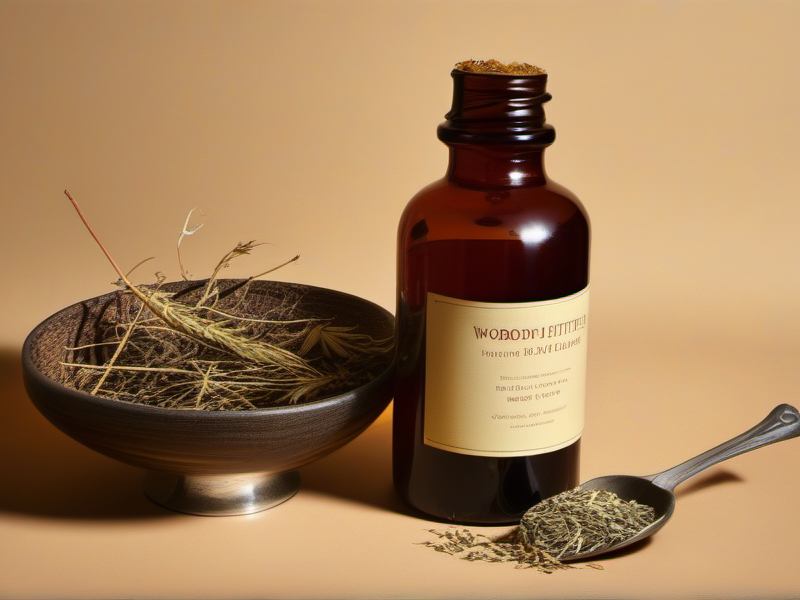
Wormwood Tea: - Use 1/2 to 1 teaspoon (1-2 grams) of dried Artemisia absinthium leaves per cup. - Pour near-boiling water (200 degrees Fahrenheit / 93 degrees Celsius) over the herb. - Steep for 3-5 minutes. Do not over-steep; the tea becomes harsh and unpalatably bitter beyond 5 minutes. - Strain and drink. Do not sweeten -- the bitterness is the point. Adding sugar defeats the purpose by masking the very compounds that activate the TAS2R cascade. - Drink 20-30 minutes before your first meal. Wormwood Tincture: - A tincture (alcohol extract) is more concentrated and portable than tea. - Standard preparation: 1 part dried wormwood to 5 parts 80-proof vodka or brandy by weight. Macerate in a sealed glass jar for 2-4 weeks, shaking daily. Strain through cheesecloth. Store in a dark glass dropper bottle. - Dose: 10-20 drops in a small amount of water, taken 20-30 minutes before the first meal. Hold the solution in the mouth briefly before swallowing -- this activates the tongue-based TAS2R receptors, initiating the cephalic phase of the digestive response. Duration: Traditional use suggests 2-4 week courses, with 1-2 week breaks between courses. This pulsed pattern avoids any theoretical concerns about thujone accumulation and aligns with the traditional herbal practice of alternating tonics.What to Expect
Day 1-3: The bitterness will be intense if you are unaccustomed to it. The gag reflex may activate. This is normal -- it is the TAS2R tongue receptors doing their job, sending a strong signal to the brainstem. Persist. The aversion diminishes rapidly. Day 3-7: You will notice increased salivation before and during meals. You may notice more vigorous bowel movements. Some people report a slight increase in appetite, followed by earlier satiety at meals (consistent with the GLP-1 and CCK effects). The tea will taste less shocking, though it will not become pleasant. Day 7-14: Digestive regularity typically improves. Bloating and post-meal heaviness, if present, tend to diminish. Some people report clearer skin and improved energy, though these are subjective and may be placebo-adjacent. Day 14-28: If you track biomarkers (not necessary but informative for the data-minded), fasting blood glucose may show modest improvement. Lipid panels may show slight changes in triglycerides. These are consistent with the metabolic effects of enhanced bile production and GLP-1 release.Combining Bitters
Wormwood is powerful alone, but the traditional European approach typically combined multiple bitter herbs to create a broader receptor activation profile. A household bitter tonic might include:
- Wormwood (Artemisia absinthium): The foundational bitter. Activates a broad spectrum of TAS2R receptors.
- Gentian root (Gentiana lutea): The most intensely bitter commonly used herb. Activates TAS2R1 and TAS2R4 with extraordinary potency.
- Dandelion root (Taraxacum officinale): Mildly bitter with demonstrated choleretic (bile-stimulating) and diuretic properties.
- Artichoke leaf (Cynara scolymus): Contains cynarin, a caffeoylquinic acid that stimulates bile production. One of the few bitter herbs with randomized controlled trial evidence for digestive efficacy.
- Chamomile (Matricaria chamomilla): Mildly bitter with anti-inflammatory and carminative (gas-reducing) properties.
A simple compound tincture: equal parts dried wormwood, gentian root, and dandelion root, macerated in vodka at a 1:5 ratio for 3 weeks. Dose: 20-30 drops in water before meals.
Part VI: Growing and Harvesting Wormwood
Cultivation
Wormwood is one of the easiest herbs to grow. It is hardy to USDA Zone 4 (down to -30 degrees Fahrenheit / -34 degrees Celsius). It tolerates poor soil, drought, neglect, and competition. It actively prefers conditions that most garden plants dislike: dry, rocky, nutrient-poor ground in full sun.
Soil: Sandy, well-drained, low fertility. Do not amend with compost or fertilize. Rich soil produces lush, floppy growth with reduced essential oil and sesquiterpene lactone content. The medicinal compounds are stress metabolites -- the plant produces more of them when it is slightly stressed. Light: Full sun. Six to eight hours minimum. Shade produces etiolated growth with reduced potency. Water: Minimal after establishment. Water newly transplanted starts weekly for the first month, then let the plant fend for itself. Wormwood is native to dry steppe environments and overwatering promotes root rot. Spacing: 2-3 feet apart. A single plant forms a bushy mound roughly 3 feet in diameter and 3-4 feet tall by midsummer. Propagation: Division in spring or fall (easiest), stem cuttings in late spring (80-90 percent success rate), or seed (slow but straightforward -- sow seed on the soil surface, as it requires light for germination, and keep moist until sprouting in 14-21 days).Harvesting
Harvest the above-ground portions (leaves and flowering tops) in mid-to-late summer, when the plant is in full flower. This is when sesquiterpene lactone (absinthin, artabsin) concentrations peak.
Cut the stems 4-6 inches above the ground, leaving the basal growth to regenerate. Bundle the stems and hang upside down in a dry, well-ventilated, shaded location. Drying takes 5-10 days depending on humidity. Strip the dried leaves from the stems and store in airtight glass jars away from light and heat. Properly stored, dried wormwood retains potency for 2-3 years.
A single mature plant provides enough dried leaf for a full year's supply of daily tonic tea.
Drying and Processing for Year-Round Supply
A single mature wormwood plant, at full summer growth, provides approximately 200-300 grams of dried leaf material from a single harvest -- sufficient for 100-200 cups of tea. Two harvests per season (midsummer and early autumn) yield 400-600 grams of dried herb, which is more than a year's supply for daily use.
Harvesting procedure: Cut stems 4-6 inches above ground level using sharp shears. Harvest in the morning after dew has dried but before the heat of day (essential oil content peaks in the cool morning hours). Bundle stems loosely with twine -- bundles of 8-10 stems work well. Drying procedure: Hang bundles upside down in a warm, dry, well-ventilated space away from direct sunlight. A covered porch, attic, or dedicated herb-drying room is ideal. Drying takes 5-14 days depending on humidity. The herb is fully dry when leaves crumble easily between fingers and stems snap rather than bend. Processing: Strip dried leaves from stems by running your thumb and forefinger firmly down the stem, from tip to base. Discard the woody stems. Crumble the leaves into a glass jar. For tea, a coarse crumble (roughly torn leaf pieces) is preferable to a fine powder -- powder becomes muddy in tea and is difficult to strain. Storage: Sealed glass jars, away from light and heat. A dark pantry shelf or a cabinet is ideal. Properly stored, dried wormwood retains its bitter potency for 2-3 years, though essential oil content (and thus aroma) diminishes gradually after the first year. Tincture preparation for long-term storage: For maximum shelf life, prepare a tincture (which is stable indefinitely when properly stored). Fill a glass jar one-quarter full with dried wormwood. Cover completely with 80-proof vodka. Seal tightly. Store in a dark location for 4-6 weeks, shaking every few days. Strain through fine cheesecloth into dark glass dropper bottles. The resulting tincture remains potent for 5-10 years.A Word on Identification
Artemisia absinthium is easy to identify but should not be confused with its relatives:- Mugwort (Artemisia vulgaris): Very common, often grows alongside wormwood. Similar leaf shape but greener above (less silvery) and with darker, less aromatic leaves. Mugwort has its own medicinal uses (traditionally for menstrual regulation and as a moxibustion herb in Chinese medicine) but is significantly less bitter than wormwood.
- Sweet wormwood (Artemisia annua): An annual species best known as the source of artemisinin, the anti-malarial compound discovered by Tu Youyou (who received the Nobel Prize for the discovery in 2015). A. annua is not interchangeable with A. absinthium for bitter tonic purposes; its chemistry is different.
- Tarragon (Artemisia dracunculus): The familiar culinary herb. Not bitter; used for its anise-like flavor.
The key identifying features of A. absinthium are: silver-green color on both leaf surfaces (from dense silky hairs), deeply lobed leaves, strongly aromatic camphor-sage scent, and extreme bitterness when a leaf is chewed.
Part VII: Safety, Dosage, and the Thujone Question
Thujone: The Reality
Thujone is the compound most often cited as a reason to avoid wormwood. The concern is not entirely without basis -- alpha-thujone is a convulsant at high doses, acting as a GABA-A receptor antagonist that can lower the seizure threshold. Animal studies have established the LD50 (lethal dose for 50 percent of subjects) of alpha-thujone at approximately 45 mg/kg in rats.
But dose matters. A cup of wormwood tea made from 2 grams of dried herb contains approximately 2-10 mg of thujone (depending on the specific plant material and brewing method). The EU regulatory limit for thujone in food products is 35 mg/kg. A 70-kg adult would need to consume many liters of wormwood tea in a single sitting to approach a pharmacologically significant thujone dose.
The scientific consensus, as articulated in a 2006 review by Lachenmeier and colleagues, is that "thujone in normal (food-compatible) concentrations does not pose a risk to human health." The European Medicines Agency (EMA) has established a maximum daily intake of 6 mg of thujone from herbal preparations, which is comfortably above the amount delivered by standard therapeutic doses of wormwood tea or tincture.
Contraindications
- Pregnancy: Wormwood is a traditional emmenagogue (menstruation-stimulant) and uterine stimulant. It is contraindicated in pregnancy.
- Breastfeeding: Insufficient safety data. Bitter compounds may transfer to breast milk and could theoretically cause digestive disturbance in infants. Avoid during breastfeeding.
- Seizure disorders: Thujone's GABA-A antagonist activity theoretically lowers the seizure threshold. People with epilepsy or other seizure disorders should avoid wormwood.
- Kidney or liver disease: Wormwood's terpenoid compounds are hepatically metabolized. People with compromised liver function should use wormwood cautiously, if at all.
- Drug interactions: Wormwood may interact with anticonvulsant medications (by antagonizing their mechanism) and with drugs metabolized by cytochrome P450 enzymes (by competing for the same metabolic pathways).
Dosage Guidelines
The following dosages are consistent with traditional European herbal practice and with EMA guidelines:
- Tea: 1-2 grams dried herb per cup, 1-3 cups daily, taken before meals. Maximum course: 4 weeks, followed by a 1-2 week break.
- Tincture (1:5 in 45% alcohol): 10-20 drops, 1-3 times daily before meals.
- Fresh leaf: 1-2 small leaves chewed briefly and swallowed. This is the simplest and most direct method, but the bitterness is overwhelming for most people.
These dosages deliver approximately 2-6 mg of thujone daily -- well within the EMA safety limit and consistent with centuries of traditional use without documented adverse effects.

Part VIII: Clinical Evidence -- What the Studies Show
Wormwood and Crohn's Disease
One of the few controlled clinical trials of wormwood involved patients with Crohn's disease -- a chronic inflammatory bowel condition characterized by relapsing inflammation of the intestinal tract. A 2010 study by Krebs and colleagues, published in Phytomedicine, gave Crohn's patients either wormwood herb powder (750 mg three times daily) or placebo for 6 weeks, in addition to their standard medications.
The results were striking. The wormwood group showed a significant reduction in TNF-alpha (a key inflammatory cytokine) and a measurable clinical improvement score. Eight of ten patients in the wormwood group achieved clinical remission, compared to two of ten in the placebo group. The authors noted "almost complete clinical remission" in the wormwood-treated group.
This single study is not definitive -- it was small (20 patients), short-duration (6 weeks), and has not been replicated in a large multicenter trial. But it provides the most direct clinical evidence that wormwood's anti-inflammatory properties, demonstrated in cell and animal studies, translate to measurable benefit in human inflammatory disease.
Wormwood and Parasitic Infections
The name "wormwood" is not accidental. The plant was historically used as an antihelminthic -- a treatment for intestinal parasites (worms). This use is supported by modern evidence: sesquiterpene lactones from A. absinthium demonstrate in vitro activity against multiple helminth species, including Ascaris, Enterobius, and Haemonchus.
The mechanism is thought to involve interference with the parasite's neuromuscular function -- the sesquiterpene lactones disrupt neural transmission in the worm, causing paralysis and expulsion. This is pharmacologically similar to the mechanism of conventional antihelminthic drugs like pyrantel pamoate, though the plant compounds are less potent and require longer exposure.
In regions where intestinal parasites remain common (much of sub-Saharan Africa, South Asia, and rural Latin America), Artemisia species continue to be used as first-line treatments where pharmaceutical drugs are unavailable or unaffordable. The WHO has acknowledged the traditional use of Artemisia for parasitic conditions, while noting that standardized dosing and quality control remain challenges.
Wormwood and Small Intestinal Bacterial Overgrowth (SIBO)
Emerging clinical interest has focused on wormwood (and herbal bitters generally) as treatments for SIBO -- a condition characterized by excessive bacterial colonization of the small intestine, causing bloating, gas, malabsorption, and abdominal pain. A 2014 study at Johns Hopkins found that herbal antimicrobial protocols (containing wormwood among other herbs) were as effective as rifaximin (the standard pharmaceutical treatment for SIBO) in normalizing breath test results, with a response rate of 46 percent versus 34 percent for rifaximin.
The proposed mechanisms include direct antimicrobial activity of the sesquiterpene lactones against the overgrown bacteria, stimulation of gastric motility (which helps prevent bacterial stasis in the small intestine), and enhancement of bile production (bile acids are themselves antimicrobial and help control small-intestinal bacterial populations).
The Limitations of the Evidence
Intellectual honesty requires stating clearly: the clinical evidence for wormwood is limited. There are no large, multicenter, randomized, double-blind, placebo-controlled trials -- the gold standard of clinical evidence. The studies that exist are small, often unblinded, and have not been replicated. The strongest evidence is mechanistic (the TAS2R receptor system, the bile-stimulation cascade, the anti-inflammatory properties of sesquiterpene lactones) rather than clinical.
This is not unusual for herbal medicines -- large clinical trials are expensive ($50-200 million for a Phase III trial), and they are typically funded by pharmaceutical companies seeking patent-protected drug approvals. A plant compound that cannot be patented will not attract this level of investment. The result is a permanent evidence gap: traditional medicines with plausible mechanisms and centuries of use remain "unproven" by modern standards, not because they have been tested and found ineffective, but because they have never been tested with sufficient rigor.
The responsible position is this: wormwood has strong mechanistic evidence, limited but positive clinical evidence, centuries of traditional use without documented harm at standard doses, and a safety profile that permits cautious therapeutic trial. It is not a proven drug. It is a reasonable intervention for digestive health, supported by biology and history, pending the large-scale clinical evidence that may never come.
Part IX: The Broader Artemisia Family
Artemisia annua and Malaria
No discussion of the Artemisia genus is complete without mentioning Artemisia annua and artemisinin. In 1972, Chinese chemist Tu Youyou, working from clues in a 1,600-year-old Chinese medical text (Ge Hong's Emergency Prescriptions), isolated artemisinin from A. annua and demonstrated its potent antimalarial activity. Artemisinin-based combination therapies (ACTs) have since become the global standard of care for malaria, saving millions of lives.
The artemisinin story is a perfect case study in the relationship between traditional herbal knowledge and modern pharmacology. The knowledge was in the old texts. The compound was in the plant. The mechanism (artemisinin's endoperoxide bridge reacts with heme iron in the malaria parasite, generating free radicals that kill the organism) was discovered only after the traditional use pointed researchers in the right direction.
Wormwood's bitter compounds have not yet yielded a comparable pharmacological breakthrough. But the parallels are suggestive: a genus of plants with a deep tradition of medicinal use, a complex chemistry that modern science is only beginning to characterize, and a set of physiological mechanisms (TAS2R-mediated digestive and metabolic regulation) that may prove as consequential for chronic disease as artemisinin has been for infectious disease.
Artemisia and the Gut Microbiome
Emerging research suggests that Artemisia compounds interact with the gut microbiome in ways that extend beyond simple antimicrobial activity. Sesquiterpene lactones from wormwood appear to selectively inhibit certain pathogenic bacteria (particularly gram-negative species) while sparing or even promoting beneficial Lactobacillus and Bifidobacterium populations. If confirmed, this would make wormwood a natural prebiotic-like agent -- shaping the gut ecosystem rather than simply sterilizing it.
Part IX: The Bitter Heritage
What Was Lost
When our great-grandmothers hung that cloth bag of dried wormwood above the hearth, they were not practicing folk superstition. They were maintaining a pharmacological intervention -- a daily dose of bitter compounds that activated a body-wide receptor system, stimulated bile production, enhanced digestive motility, regulated appetite, and supported mucosal immunity. They did not know the molecular mechanisms. They did not need to. The plant worked, and the tradition preserved the knowledge of its use across generations.
When the twentieth century swept away the bitter tradition -- replacing wormwood tea with antacids, bile stimulation with proton pump inhibitors, digestive motility with laxatives, and appetite regulation with diet pills -- it did not merely change the treatment. It changed the paradigm. It replaced a prophylactic, systemic, food-based approach to digestive health with a reactive, symptom-targeted, pharmaceutical approach. The old way kept the system running well. The new way waits for the system to break down and then intervenes.
Both approaches have their place. Proton pump inhibitors save lives in cases of severe gastroesophageal reflux. Laxatives relieve acute constipation. Antacids provide immediate symptom relief. But none of these medications addresses the upstream question: why is the digestive system underperforming in the first place?
The bitter tonic does. Not by treating symptoms, but by activating the system's own regulatory mechanisms. Not by adding something the body cannot make, but by triggering the body to make what it already knows how to make. Not by overriding physiology, but by cooperating with it.
What Can Be Recovered
The bitter tradition is trivially easy to recover. Wormwood grows wild across most of the temperate world. It can be planted in any garden, in any soil, with minimal care. A single plant provides a year's supply. The preparation requires nothing more than hot water and a cup.
The cost is zero. The side effects, at proper doses, are negligible. The evidence -- molecular, physiological, epidemiological, and historical -- is converging on a single conclusion: bitter compounds are not optional nutrients. They are required inputs for a receptor system that regulates digestion, metabolism, appetite, and mucosal immunity. Removing them from the diet has consequences. Restoring them is simple.
Our great-grandmothers knew. They did not need the science. They had the cup.
Part X: Practical Materia Medica -- A Bitter Herb Garden
Building a Bitter Pharmacy
For those who wish to go beyond wormwood and establish a complete bitter herb garden, the following species represent the core European bitter pharmacopoeia. Each can be grown in a standard temperate garden with minimal care:
Wormwood (Artemisia absinthium): The foundation. Full-spectrum bitter. Hardy to Zone 4. Perennial. One plant provides a year's supply. Silver-green foliage provides ornamental value in addition to medicinal function. Gentian (Gentiana lutea): The king of bitters. Its root contains the most intensely bitter compound in common herbal use. Hardy to Zone 3. Perennial. Requires moist, slightly acidic soil and partial shade. Slow-growing -- roots require 4-7 years before harvest. Plant once and harvest sustainably by taking only one-third of the root system. Yellow-flowered alpine plant of striking beauty. Dandelion (Taraxacum officinale): The mildest of the bitters and the most accessible -- it already grows in most lawns. Root and leaf are both useful. Root is harvested in autumn, when inulin and bitter compound concentrations peak. Leaf is harvested throughout the growing season for salads (the young spring leaves are least bitter; older leaves more medicinal). Blessed thistle (Cnicus benedictus): Annual. Bitter tonic herb of the Benedictine monastic tradition. Easy to grow from seed. Self-sows freely. The whole above-ground plant is used. Bitterness comparable to wormwood but with a different receptor activation profile. Traditionally used for appetite stimulation and digestive support. Horehound (Marrubium vulgare): Perennial. Hardy to Zone 4. Intensely bitter leaves, traditionally used for cough and digestive complaints. The botanical source of horehound candy -- which in its original, unsweetened form was a bitter medicinal lozenge, not a confection. Grows aggressively in dry, poor soils. Angelica (Angelica archangelica): Biennial or short-lived perennial. The roots, seeds, and stems are all bitter, aromatic, and medicinally active. A key ingredient in many traditional European bitter formulations including Benedictine and Chartreuse liqueurs. Prefers moist, rich soil and partial shade. Magnificent architectural plant reaching 6 feet in height when flowering. Elecampane (Inula helenium): Perennial. Hardy to Zone 3. The root contains bitter sesquiterpene lactones (particularly alantolactone) with demonstrated anti-parasitic and antimicrobial activity. Traditionally used for respiratory complaints and digestive weakness. Tall (4-6 feet), sunflower-like yellow flowers. Roots harvested in autumn of the second or third year.A Weekly Rotation
Rather than consuming a single bitter herb continuously (which may lead to tolerance or receptor downregulation), the traditional European approach often involved rotation:
- Monday through Wednesday: Wormwood tea (broad-spectrum bitter activation)
- Thursday and Friday: Gentian root decoction (deep, intense bitterness targeting TAS2R1/R4)
- Saturday: Dandelion root tea (mild bitter with liver-supportive properties)
- Sunday: Rest (allowing receptors to resensitize)
This rotation provides varied receptor stimulation, prevents monotony-induced tolerance, and aligns with the historical practice of varying tonics by the day or the week.
Integration with Meals
The timing of bitter consumption relative to meals determines the physiological response:
- 20-30 minutes before a meal: Stimulates the cephalic phase of digestion -- the anticipatory secretion of gastric acid, bile, and enzymes that prepares the digestive system for incoming food. This is the traditional "aperitif bitter" timing. Best for people with poor appetite or sluggish digestion.
- With the meal: Provides simultaneous bitter receptor activation alongside nutrient intake. The bile stimulation coincides with fat absorption; the motility enhancement accompanies the food bolus. This is the timing of the bitter salad (radicchio, endive, arugula) at the start of a European meal.
- After the meal: The "digestif" timing. Stimulates gastric motility and bile flow to process food already in the stomach. Best for people who experience bloating, heaviness, or slow gastric emptying after eating. This is the Italian amaro tradition.
All three timings are valid. The before-meal timing has the strongest traditional support and the most logical physiological rationale (it prepares the system before the substrate arrives), but individual experimentation will reveal which timing produces the best subjective response.
The Bitter Salad Tradition
Before the bitter tonic was a medicine, it was a food. The traditional European salad course -- served before the main meal -- was built on bitter greens: endive, radicchio, chicory, watercress, arugula, dandelion, sorrel. These greens were not chosen for their sweetness or mildness. They were chosen for their bitterness -- because the empirical wisdom of centuries had established that bitter greens before a meal improved digestion, satisfaction, and health.
The modern salad -- iceberg lettuce, ranch dressing, croutons -- contains essentially zero bitter compounds. It is a calorie delivery system dressed in the language of health food. It does not activate TAS2R receptors. It does not stimulate bile. It does not prepare the digestive system for anything. It is decoration, not medicine.
Recovering the bitter salad is perhaps the simplest dietary intervention available: replace one-third of your salad greens with genuinely bitter varieties. Arugula is the most accessible gateway; radicchio and endive are readily available in most markets; dandelion greens can be picked from any chemical-free lawn in spring.
Part XI: The Bitter Principle in Traditional Medicine Systems
Ayurveda
In Ayurvedic medicine, bitter taste (tikta rasa) is one of six fundamental tastes and is considered essential for health maintenance. The Ayurvedic understanding of bitter taste maps remarkably well onto modern TAS2R physiology: bitter is described as cleansing to the liver, stimulating to digestion, reducing to excess heat and moisture in the body, and purifying to the blood. Bitter herbs recommended in Ayurvedic practice include turmeric, neem, aloe vera, and numerous Artemisia species native to the Indian subcontinent.
Traditional Chinese Medicine
In TCM, bitter flavor corresponds to the fire element and the heart/small intestine organ system. Bitter herbs are classified as "clearing" and "draining" -- they remove excess heat, dry dampness, and promote the downward movement of qi (which parallels the enhanced gastric motility triggered by TAS2R activation). Major bitter herbs in the Chinese pharmacopoeia include Huang Lian (Coptis chinensis), Huang Qin (Scutellaria baicalensis), and Ku Shen (Sophora flavescens).
Indigenous American Traditions
North American indigenous peoples used numerous bitter herbs for digestive and medicinal purposes, though the specific species differed from Eurasian traditions. Artemisia tridentata (sagebrush) served many of the same functions in the Great Basin and Rocky Mountain regions that A. absinthium served in Europe: a bitter digestive stimulant, a respiratory remedy, and an antimicrobial wash for wounds. The Navajo, Paiute, Shoshone, and many other nations incorporated various Artemisia species into their pharmacopoeias.
Quassia amara (bitterwood), native to Central and South America, was used by indigenous Caribbean peoples as a bitter tonic and fever remedy centuries before European contact. Its bitterness rivals that of gentian, and modern analysis confirms the presence of quassinoids -- intensely bitter compounds with demonstrated antimicrobial and insecticidal properties.The cross-cultural pattern is unmistakable: wherever human populations have lived, they have identified and used locally available bitter plants for digestive health. The plants differ -- wormwood in Europe, andrographis in Southeast Asia, gentian in the Alps, quassia in the Caribbean, chirata in the Himalayas -- but the function is identical. This cannot be coincidence. It is convergent discovery of a biological fact: the human digestive system requires bitter-compound input to function optimally.
The Convergence
Across European, Ayurvedic, Chinese, and indigenous medical traditions worldwide, bitter herbs occupy a central and consistent role: they are digestive stimulants, liver protectants, anti-parasitic agents, and general tonics. The cross-cultural consistency of this observation -- developed independently by civilizations that had no contact with one another -- is powerful evidence that the physiological effects of bitter compounds are real, consistent, and biologically significant. The modern discovery of the TAS2R receptor system provides the mechanistic explanation for what diverse medical traditions observed empirically over thousands of years.
Drink it at dawn. Make the face. Feel the bile rise. That is the bitter principle at work, doing what it has done for two hundred thousand years of human mornings, in every village, on every continent, before the sweet age washed it away.
References
- Lu, P., Zhang, C.H., Bhatt, J.M., et al. "Extraoral bitter taste receptors in health and disease." Journal of General Physiology 149, 181-197 (2017). https://doi.org/10.1085/jgp.201611637
- Behrens, M., Meyerhof, W. "Bitter taste receptors and human bitter taste perception." Cellular and Molecular Life Sciences 63, 1501-1521 (2006).
- Jeon, T.I., Seo, Y.K., Osborne, T.F. "Gut bitter taste receptor signalling induces ABCB1 through a mechanism involving CCK." Biochemical Journal 438, 33-37 (2011).
- Lachenmeier, D.W., Walch, S.G., Padosch, S.A., Kroener, L.U. "Absinthe -- A Review." Critical Reviews in Food Science and Nutrition 46, 365-377 (2006).
- Padosch, S.A., Lachenmeier, D.W., Kroener, L.U. "Absinthism: a fictitious 19th century syndrome with present impact." Substance Abuse Treatment, Prevention, and Policy 1, 14 (2006). https://doi.org/10.1186/1747-597X-1-14
- Bayer, S., Mayer, A.I., Borgonovo, G., et al. "Physiological activation of human and mouse bitter taste receptors by bile acids." Communications Biology 6, 612 (2023).
- Tack, J., Deloose, E., Ang, D., et al. "Motilin-induced gastric contractions signal hunger in man." Gut 65, 214-224 (2016).
- Krebs, S., Omer, T.N., Omer, B. "Wormwood (Artemisia absinthium) suppresses tumour necrosis factor alpha and interleukin-1B and accelerates healing in patients with Crohn's disease." Phytomedicine 17, 305-309 (2010).
- Bora, K.S., Sharma, A. "The genus Artemisia: a comprehensive review." Pharmaceutical Biology 49, 101-109 (2011).
- McMullen, M.K., Whitehouse, J.M., Towell, A. "Bitters: time for a new paradigm." Evidence-Based Complementary and Alternative Medicine 2015, 670504 (2015). https://doi.org/10.1155/2015/670504
- Loper, H.B., La Sala, M., Dotson, C., Steinle, N. "Taste perception, associated hormonal modulation, and nutrient intake." Nutrition Reviews 73, 83-91 (2015).
- Tu, Y. "Artemisinin -- a gift from traditional Chinese medicine to the world." Nobel Lecture, December 7, 2015. Angewandte Chemie International Edition 55, 10210-10226 (2016).
Comments (0)
No comments yet.
Log in to comment.