Unlimited Supplements From One Ferment
A 200-year-old Bavarian recipe yields more bioavailable B12, K2, and probiotics than any pharmacy capsule. Built in 30 minutes from scraps.
The Living Pharmacy
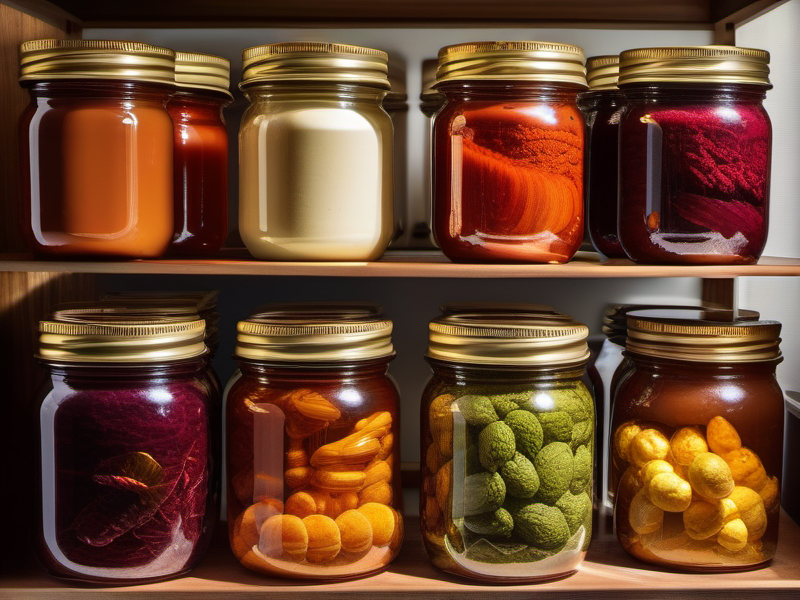
Before the supplement industry existed, every household in central Europe maintained what they called a Lebensglas -- a living glass. A single fermentation vessel that, when properly maintained, produced a continuous supply of B-vitamins, vitamin K2, and beneficial bacteria. The jar sat on a stone shelf in the cellar or beside the kitchen hearth. It was never emptied completely. It was fed scraps of cabbage, turnip tops, and carrot peelings -- whatever the garden yielded and the kitchen discarded. And it worked.
Not as a folk superstition. Not as a placebo. It worked because the biochemistry of lacto-fermentation produces, with mathematical reliability, the same vitamins and probiotics that modern consumers pay premium prices to buy in capsule form. The difference is that the capsule costs twelve to forty dollars per month, degrades on the shelf, and delivers its payload in a single bolus that the gut processes with limited efficiency. The Lebensglas costs nothing after the initial jar, delivers its payload in a living matrix of food that the gut recognizes and absorbs with high efficiency, and replenishes itself indefinitely.
This article is the full technical accounting: the history, the microbiology, the vitamin synthesis pathways, and the step-by-step method. By the end, you will understand not just how to build a living ferment, but why it works at the molecular level -- and why a 200-year-old Bavarian farmwife's kitchen jar outperforms a modern pharmacy shelf.
Part I: The History of Household Fermentation in Central Europe
Deep Roots
Fermentation is not a technique. It is one of the oldest biotechnologies in human civilization, predating metallurgy, written language, and agriculture itself. Archaeological evidence from China dates deliberate fermentation of rice, honey, and hawthorn fruit to approximately 7000 BCE. In the Fertile Crescent, grain fermentation for bread and beer appears by 3500 BCE. By the time the Roman Empire organized Europe's food systems, fermented vegetables, dairy, and beverages were dietary staples from Iberia to the Danube.
But it was in the cold-climate regions of central and northern Europe -- Germany, Austria, Poland, the Czech lands, Scandinavia -- that vegetable fermentation became most critical. The reason is simple: winter. In regions where the growing season spans only five to six months, some method of preserving the summer's harvest through the winter is not a luxury but a survival requirement. Drying works for grains and some herbs. Smoking works for meat and fish. But for fresh vegetables -- the primary source of vitamins C, K, and various B-complex vitamins in a pre-modern diet -- lacto-fermentation was the only reliable preservation method that maintained (and in many cases enhanced) nutritional value.
The Bavarian Tradition
In the Bavarian Alps and the surrounding regions of southern Germany and Austria, household fermentation was governed by oral traditions passed from mother to daughter with the precision of a guild craft. The Lebensglas -- literally "life glass" or "living glass" -- was a term used in some rural Bavarian communities for the household fermentation vessel that served as a continuous-culture system. Unlike batch fermentation (where you make a single jar of sauerkraut, eat it, and start over), the Lebensglas was a perpetual system. A portion of each batch was always retained as the starter for the next, creating an unbroken microbial lineage that, in some households, reportedly stretched back generations.
The practice had practical logic. A mature fermentation culture contains a diverse, stable community of lactic acid bacteria that has been naturally selected, over years or decades of continuous cultivation, for vigor, acid tolerance, and vitamin-synthesis capability. Each generation of bacteria out-competes the weaker strains. Each feeding of fresh vegetable matter provides new nutrients and substrates. The result is a microbial community of extraordinary robustness -- a community that, in modern microbiological terms, we would call a "climax culture."
Regional Variations Across Central Europe
The Lebensglas tradition was not monolithic. Regional variations reflected local agriculture, climate, and taste preferences:
- Alpine Bavaria and Austria: Heavy reliance on cabbage (both white and red) as the primary substrate, supplemented with caraway seeds, juniper berries, and horseradish. Fermentation cellars maintained year-round temperatures of 50-55 degrees Fahrenheit (10-13 degrees Celsius), producing slow, complex fermentations with extended aging.
- Swabia and the Upper Rhine: Turnips featured prominently alongside cabbage. The Ruebenkraut (fermented turnip preparation) was a regional specialty, prized for its sharp, peppery flavor.
- Bohemia and Moravia: Beets and red cabbage dominated, producing deeply colored ferments rich in betalains (beet pigments with antioxidant properties). The practice of drinking ferment brine as a morning tonic was reportedly more common here than in other regions.
- Silesia and eastern Germany: Cucumber fermentation was as important as cabbage fermentation, producing dill pickles and sour cucumber brine (Gurkenwasser) -- the latter considered a specific remedy for muscle cramps and hangover.
- Scandinavia (related tradition): The surkaal (sour cabbage) tradition of Norway and Sweden closely paralleled the German sauerkraut tradition, with the addition of lingonberry leaves (a natural source of benzoic acid, which acts as an antimicrobial preservative).
The Disruption
Household fermentation in central Europe declined precipitously in the twentieth century, driven by three forces: refrigeration (which made preservation by cold feasible), industrial food processing (which made canned and frozen vegetables cheap and convenient), and urbanization (which separated people from kitchen gardens and root cellars). By 1960, the Lebensglas tradition had largely disappeared from urban households. By 1990, it survived primarily among elderly rural populations and a scattering of back-to-the-land enthusiasts.
The irony, of course, is that this decline coincided precisely with the rise of the supplement industry. As households stopped fermenting, they stopped producing their own vitamins B12, K2, and probiotics. The market stepped in to sell back, in capsule form, what the kitchen jar had provided for free.
Part II: The Microbiology of Lacto-Fermentation
What Happens in the Jar
Lacto-fermentation is the anaerobic metabolism of sugars by lactic acid bacteria (LAB). The process is elegantly simple: LAB consume the natural sugars present in vegetable tissue (primarily glucose, fructose, and sucrose) and produce lactic acid as their primary metabolic byproduct. The accumulating lactic acid lowers the pH of the brine, creating an environment that is inhospitable to spoilage organisms and pathogens but comfortable for the LAB themselves.
This is not cooking. It is not chemical preservation. It is the establishment and management of a living ecosystem -- a microbial community that protects the food by making it too acidic for anything harmful to survive.
The Bacterial Succession
One of the most fascinating aspects of vegetable fermentation is that it proceeds through a predictable succession of bacterial species, each one creating the conditions that favor its successor. This is ecological succession in miniature, analogous to the way a forest progresses from pioneer species to climax community.
Stage One: Leuconostoc mesenteroides (Days 1-3) The first bacterium to dominate a fresh vegetable ferment is Leuconostoc mesenteroides, a heterofermentative LAB that is naturally present on the surface of raw cabbage and most other vegetables. L. mesenteroides is salt-tolerant and grows rapidly at temperatures between 65 and 75 degrees Fahrenheit (18-24 degrees Celsius). It is classified as "heterofermentative" because it produces not only lactic acid but also carbon dioxide, ethanol, and acetic acid.The carbon dioxide is crucial. As L. mesenteroides metabolizes sugars and produces CO2, the gas displaces the oxygen trapped in the vegetable mass and brine. This converts the environment from aerobic to anaerobic -- a critical transition, because aerobic conditions favor spoilage organisms (molds, yeasts, aerobic bacteria) while anaerobic conditions favor the LAB that drive the fermentation.
L. mesenteroides dominates until the lactic acid concentration reaches approximately 0.25-0.3 percent by weight. At this acidity level, L. mesenteroides begins to slow and die off, although its enzymes continue to function. Stage Two: Lactobacillus plantarum (Days 3-16) As L. mesenteroides declines, Lactobacillus plantarum -- a homofermentative LAB that produces only lactic acid (no CO2 or ethanol) -- takes over. L. plantarum is more acid-tolerant than L. mesenteroides and thrives in the increasingly acidic environment. It drives the pH downward steadily, producing lactic acid until the concentration reaches approximately 1.5-2.0 percent by weight. L. plantarum is the workhorse of vegetable fermentation. It is the species primarily responsible for the characteristic sour flavor of sauerkraut, kimchi, and other fermented vegetables. It is also one of the most studied probiotic organisms, with documented benefits for gut barrier integrity, immune modulation, and pathogen exclusion. Stage Three: Lactobacillus brevis (Days 16-21+) The final stage is dominated by Lactobacillus brevis, another heterofermentative species that tolerates the high acidity created by L. plantarum. L. brevis continues to lower the pH slightly, reaching a final acidity of 2.5-3.0 percent lactic acid and a pH of 3.1-3.7. At this point, the fermentation is essentially complete. The environment is too acidic for any further bacterial growth, including that of L. brevis itself. The ferment is stable.The Continuous-Culture Advantage
In batch fermentation, you start with fresh vegetables and go through the entire succession each time. In the Lebensglas model of continuous fermentation, you always retain a portion of the mature ferment -- including its stable community of L. plantarum, L. brevis, and other late-stage organisms. When you add fresh vegetable scraps to this retained culture, the succession is compressed: the mature LAB community immediately begins colonizing the new material, skipping or shortening the Leuconostoc phase and reaching stable acidity faster.
This has two practical advantages. First, faster acidification means a shorter window of vulnerability during which spoilage organisms could establish. Second, the retained culture acts as a quality-control mechanism: it has already been selected, over multiple feeding cycles, for the strains that produce the most acid, the most vitamins, and the most effective antimicrobial compounds. It is, in essence, a self-improving system.
Part III: The Vitamins -- B12, K2, and the Rest
Vitamin B12 (Cobalamin)
Vitamin B12 is the nutrient most commonly cited as impossible to obtain from plant sources. This is technically true for plants themselves -- no plant synthesizes B12. But bacteria do. And when bacteria grow on plant substrates in a fermentation vessel, they produce B12 and deposit it in the fermentation matrix.
The B12 question in fermented vegetables is nuanced. The lactic acid bacteria that dominate vegetable fermentation (Lactobacillus, Leuconostoc, Pediococcus) do not themselves synthesize B12 in significant quantities. However, vegetable fermentations are not pure LAB cultures. They are complex microbial communities that include, alongside the dominant LAB, various other bacterial species -- including members of the genus Propionibacterium (now reclassified as Cutibacterium and Acidipropionibacterium).
Propionibacterium freudenreichii is the species responsible for B12 synthesis in Swiss cheese (where it also produces the characteristic holes via CO2 generation). Research published in 2025 demonstrated that co-fermentation of cabbage juice with P. freudenreichii, in addition to naturally occurring LAB, yielded measurable B12 production. The key insight is that P. freudenreichii thrives in the late-stage, highly acidic environment of a mature ferment -- precisely the conditions maintained in a continuous-culture Lebensglas.How much B12 does a household ferment produce? Published data varies widely depending on the specific microbial community, fermentation temperature, duration, and substrate. Conservative estimates for well-maintained vegetable ferments range from 0.05 to 0.2 micrograms of B12 per 100 grams of fermented product. The recommended daily intake of B12 is 2.4 micrograms. This means that a typical daily serving of fermented vegetables (100-200 grams) provides a small but meaningful fraction of the daily requirement -- not the full amount, but a contribution that, combined with other dietary sources (eggs, dairy, meat, nutritional yeast), contributes to B12 adequacy.
The bioavailability question is equally important. B12 in supplement form (cyanocobalamin) requires conversion to its active forms (methylcobalamin and adenosylcobalamin) in the body. B12 produced by bacteria in fermented foods is already in its biologically active forms, requiring no conversion. Additionally, the food matrix of a ferment -- with its organic acids, peptides, and intact cellular structures -- may enhance absorption compared to a naked supplement capsule. A 2025 systematic review published in Frontiers in Nutrition confirmed that vitamins produced by microorganisms in fermented foods showed comparable or superior bioavailability to synthetic supplement forms.
Vitamin K2 (Menaquinone)
If B12 is the nutrient most people associate with animal-source foods, K2 is the nutrient most people have never heard of. This is changing, as research over the past two decades has established K2 as critical for calcium metabolism, bone density, and cardiovascular health -- functions distinct from those of the better-known vitamin K1 (phylloquinone).
K1 is synthesized by plants and is abundant in green leafy vegetables. K2 is synthesized by bacteria. The most biologically active forms are MK-4 (menaquinone-4) and MK-7 (menaquinone-7), with MK-7 having a longer half-life in the blood and greater efficacy for bone and cardiovascular endpoints.
Lacto-fermented vegetables are a significant source of K2. The bacteria responsible for K2 synthesis in fermented vegetables include Lactococcus, Lactobacillus, Leuconostoc, Enterococcus, and Streptococcus species. A 2023 study published in the Journal of Functional Foods measured menaquinone content in fermented cabbage products and found that long-chain menaquinones (MK-5 through MK-10) were present in meaningful quantities, with concentrations increasing with fermentation duration.
The practical implication: a serving of well-fermented sauerkraut or its brine provides a dietary dose of K2 that, while not as concentrated as a natto (Japanese fermented soybean) serving, is sufficient to contribute meaningfully to daily requirements. The recommended adequate intake for vitamin K (K1 and K2 combined) is 90-120 micrograms per day. Published analyses of fermented cabbage suggest K2 content in the range of 2-10 micrograms per 100 grams, depending on the specific bacterial community and fermentation conditions. A generous daily serving of fermented vegetables contributes perhaps 5-15 percent of the daily K requirement in the K2 form.
B-Complex Vitamins
Beyond B12, lacto-fermentation increases the levels of several other B-complex vitamins in the substrate. Lactobacillus and Leuconostoc species are known producers of:
- Riboflavin (B2): Concentrations increase 2-4 fold during vegetable fermentation, depending on species and conditions.
- Folate (B9): L. plantarum and L. delbrueckii are documented folate producers. Fermented vegetable products contain measurably higher folate than their raw counterparts.
- Niacin (B3): Modest increases have been documented in some fermented vegetable systems.
- Thiamine (B1): Some increase, though less consistent than B2 or B9.
The net effect is that a well-maintained ferment transforms nutritionally modest vegetable scraps -- cabbage outer leaves, carrot peelings, turnip tops -- into a B-vitamin-enriched food product. The bacteria are, in a literal sense, manufacturing vitamins from substrates that the human gut cannot process directly.
Probiotics
The probiotic content of a living ferment is its most obvious health benefit and requires the least explanation. A mature vegetable ferment contains, per gram, approximately 100 million to 1 billion colony-forming units (CFU) of live lactic acid bacteria. A typical daily serving of 100-200 grams thus delivers 10 billion to 200 billion CFU -- comparable to or exceeding the dosage in most commercial probiotic supplements, which typically contain 1-50 billion CFU per capsule.
But numbers alone do not capture the advantage. Commercial probiotic supplements contain 1-10 selected strains, cultured in industrial bioreactors, freeze-dried, encapsulated, and shipped. By the time they reach the consumer, a significant fraction of the organisms are dead. Shelf life studies show that many commercial probiotic supplements lose 50-90 percent of their viable organisms before the expiration date.
A living ferment, by contrast, contains a diverse community of dozens of LAB strains, all actively growing, all adapted to the specific biochemical environment of the ferment. They arrive in the gut alive, in a food matrix that buffers them against stomach acid, accompanied by the organic acids, bacteriocins, and metabolites they have produced during fermentation. The difference between a probiotic capsule and a living ferment is the difference between a zoo and an ecosystem.
Part IV: The Recipe -- Building the Lebensglas
Equipment
You need remarkably little:
- One glass jar, 2 liters or larger. Wide-mouth mason jars work well. Avoid plastic (which can harbor scratches that shelter unwanted organisms) and metal (which reacts with lactic acid). A 3-liter Fido jar with a wire-bail lid is ideal because it allows CO2 to escape while preventing oxygen entry.
- A weight. Something to keep the vegetables submerged beneath the brine. A smaller jar filled with water, a zip-lock bag filled with brine, or a purpose-made glass fermentation weight all work.
- A clean cloth or loose lid. To keep insects and debris out while allowing gas exchange during the initial fermentation phase.
That is the complete equipment list. No fermentation crock (though they work beautifully if you have one). No airlock (though again, useful but not essential). No temperature controller. No pH meter. Centuries of European farmwives managed without them. You can too.
Ingredients
- Vegetable scraps: Cabbage outer leaves are the ideal base -- they are rich in natural sugars, harbor a diverse population of wild LAB, and produce excellent flavor. But the Lebensglas tradition is explicitly a scrap-utilization system. Use what you have: cabbage cores, carrot tops and peelings, turnip greens, radish tops, beet greens, celery leaves, kohlrabi peelings. Avoid strongly sulfurous vegetables (raw onion and garlic in large quantities can inhibit LAB growth) and anything sprayed with antimicrobial chemicals (wash thoroughly or use organic).
- Non-iodized salt: 2 percent by weight of the vegetable mass. If you have 500 grams of vegetable scraps, use 10 grams of salt. Table salt works but non-iodized is preferable because iodine is mildly antimicrobial and can slow fermentation. Sea salt, kosher salt, or pickling salt are ideal.
- Clean water: If your tap water is chlorinated, let it stand uncovered for 24 hours to off-gas the chlorine, or use filtered water. Chlorine kills bacteria -- including the LAB you need.
The Method
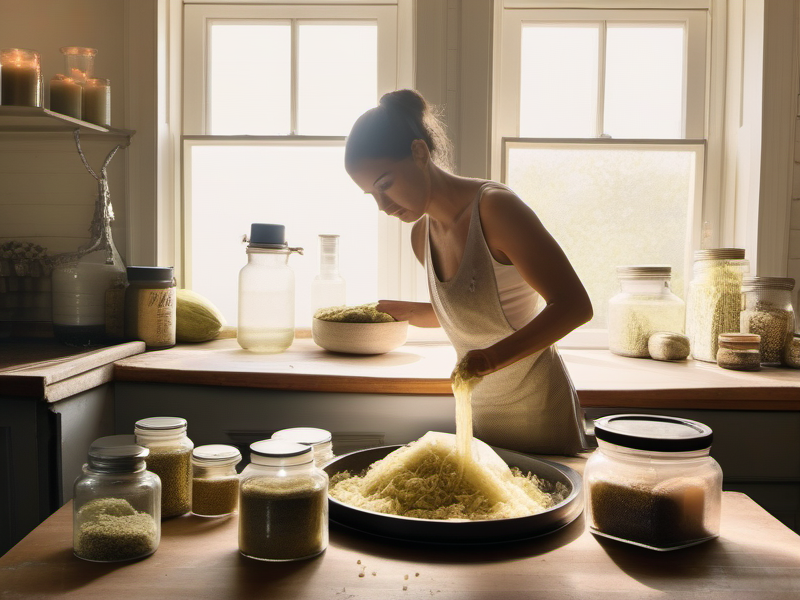
Step 1: Prepare the Vegetables (10 minutes) Wash all vegetable scraps thoroughly. Chop or shred into pieces roughly 1-2 centimeters across. Smaller pieces expose more surface area for bacterial colonization and produce a more even ferment. Place in a large bowl. Step 2: Salt and Massage (10 minutes) Sprinkle the measured salt over the vegetables. Using clean hands, massage the salt into the vegetable matter vigorously for 5-10 minutes. The salt draws water out of the plant cells by osmosis, creating a natural brine. You will see liquid pooling in the bottom of the bowl. Continue until the vegetables are limp and sitting in a substantial pool of their own juice. Step 3: Pack the Jar (5 minutes) Transfer the salted vegetables and all their accumulated liquid into your glass jar. Pack them down firmly with your fist or a wooden tamper, pressing out any air pockets. The vegetables should be fully submerged beneath their own brine. If there is not enough liquid to cover the vegetables, add a small amount of 2-percent salt water (20 grams salt per liter of water) to top up. Step 4: Weight and Cover (2 minutes) Place your weight on top of the vegetables, pressing them below the brine surface. Cover the jar with a clean cloth secured with a rubber band, or place the lid on loosely (do not seal tightly -- CO2 must be able to escape during the first few days). Step 5: Ferment (7-21 days) Place the jar in a location with a consistent temperature between 65 and 75 degrees Fahrenheit (18-24 degrees Celsius). A kitchen counter away from direct sunlight is ideal. During the first 2-3 days, you will see bubbles rising through the brine as Leuconostoc produces CO2. This is normal and desirable. After 3-5 days, bubbling will slow as the Lactobacillus phase takes over.Taste the ferment daily starting at day 5. It should taste pleasantly sour with no off-flavors. At day 7, it will be mildly sour. At day 14, it will be robustly sour. At day 21, it will be very tart and fully stabilized.
Step 6: Establish the Continuous Culture Here is where the Lebensglas diverges from batch sauerkraut. When the first batch is fermented to your liking (typically 14-21 days), do NOT consume it all. Consume or refrigerate approximately two-thirds of the fermented vegetables. Leave one-third in the jar, including a generous amount of the brine.Now add fresh vegetable scraps -- again salted at 2 percent by weight. Pack them down into the retained culture. The mature LAB community in the retained brine will immediately begin colonizing the new material. Fermentation of the new batch will be faster (typically 7-10 days instead of 14-21) because the bacterial succession is compressed by the established culture.
Repeat this cycle indefinitely. Feed the jar whenever you accumulate enough vegetable scraps -- typically every 1-2 weeks. Always retain at least one-third of the previous batch. The microbial community strengthens with each cycle.
Troubleshooting
White film on surface: This is Kahm yeast, a harmless film-forming yeast that sometimes appears on the surface of ferments exposed to air. It is not mold. It does not indicate spoilage. Skim it off and ensure the vegetables remain submerged beneath the brine. Pink or orange discoloration: Usually caused by naturally pigmented vegetables (beets, red cabbage) or by harmless chromogenic bacteria. Not a cause for concern. Soft, mushy texture: Indicates excessively warm fermentation temperature. Move the jar to a cooler location. Vegetables fermented above 80 degrees Fahrenheit (27 degrees Celsius) tend to soften excessively. Foul smell (putrid, not sour): This indicates contamination by spoilage bacteria, usually due to inadequate salt concentration, vegetables not submerged, or contaminated water. Discard the batch and start over with proper technique. Mold (fuzzy growth, black/green/white): Discard the entire batch. Mold indicates that the environment was too aerobic (vegetables above brine) or the salt concentration was too low. Sterilize the jar before restarting.Part V: The Bioavailability Argument
Why Food-Matrix Delivery Matters
The supplement industry is built on a reductionist premise: isolate the active compound, concentrate it, put it in a capsule, and deliver it to the gut. This approach works -- partially. But it ignores the context in which nutrients evolved to be consumed: embedded in a complex food matrix of fibers, fats, proteins, organic acids, and other micronutrients that modulate absorption, transport, and utilization.
Consider vitamin B12 in a supplement capsule versus B12 in a fermented food matrix:
Supplement B12 (cyanocobalamin): - Arrives in the stomach as a free molecule in a gelatin or cellulose capsule. - Must bind to intrinsic factor (produced by gastric parietal cells) for absorption in the ileum. - Requires adequate stomach acid for release from the capsule matrix. - The cyanocobalamin form must be converted to methylcobalamin or adenosylcobalamin in the liver before it is biologically active. - Absorption efficiency varies from 1 to 5 percent at typical supplement doses (500-1000 micrograms), with efficiency decreasing as dose increases. Fermented-food B12 (methylcobalamin/adenosylcobalamin): - Arrives in the stomach embedded in a food matrix of organic acids, peptides, and bacterial cell walls. - The acidic environment of the ferment (pH 3.1-3.7) pre-conditions the stomach for optimal intrinsic factor binding. - The food matrix slows gastric emptying, extending the window for absorption. - The B12 is already in its biologically active forms, requiring no hepatic conversion. - While the absolute amount of B12 per serving is lower than a supplement, the percentage absorbed may be higher due to the food-matrix effects.The same logic applies to K2. Supplement K2 (typically synthetic MK-7) is delivered as a fat-soluble molecule in a capsule. Absorption requires co-ingestion of dietary fat. Fermented-food K2 is delivered in a matrix that includes the bacterial cell membranes in which it was synthesized -- membranes composed of phospholipids that facilitate absorption in the small intestine.
The Probiotic Delivery Advantage
The bioavailability argument is even stronger for probiotics. The survival of probiotic organisms through the stomach's acidic environment is the central challenge of probiotic supplementation. Commercial supplements use enteric coatings, microencapsulation, and other technologies to protect the organisms. Results are variable: studies show that 60-90 percent of organisms in some supplements are dead before they reach the small intestine.
Living fermented foods buffer probiotic organisms naturally. The food matrix physically protects the bacteria. The organic acids in the ferment pre-adapt the organisms to acidic conditions. The slow gastric transit of a food bolus (compared to a capsule that dissolves quickly) extends the period during which the organisms are protected by the food matrix. And perhaps most importantly, the fermented food arrives in the gut accompanied by the metabolites -- lactic acid, bacteriocins, short-chain fatty acids -- that the organisms themselves produced during fermentation. These metabolites have independent biological activity: lactic acid lowers intestinal pH to favor beneficial organisms; bacteriocins directly inhibit pathogenic bacteria; short-chain fatty acids nourish the intestinal epithelium.
A capsule delivers organisms. A ferment delivers an ecosystem.
Part VI: The Economics
The Supplement Cost
A basic daily supplement regimen targeting the same nutrients provided by a well-maintained ferment might include:
- Vitamin B12 (methylcobalamin, 1000 mcg): $8-15/month
- Vitamin K2 (MK-7, 100 mcg): $10-20/month
- B-complex: $8-15/month
- Probiotic (50 billion CFU, multi-strain): $20-40/month
The Ferment Cost
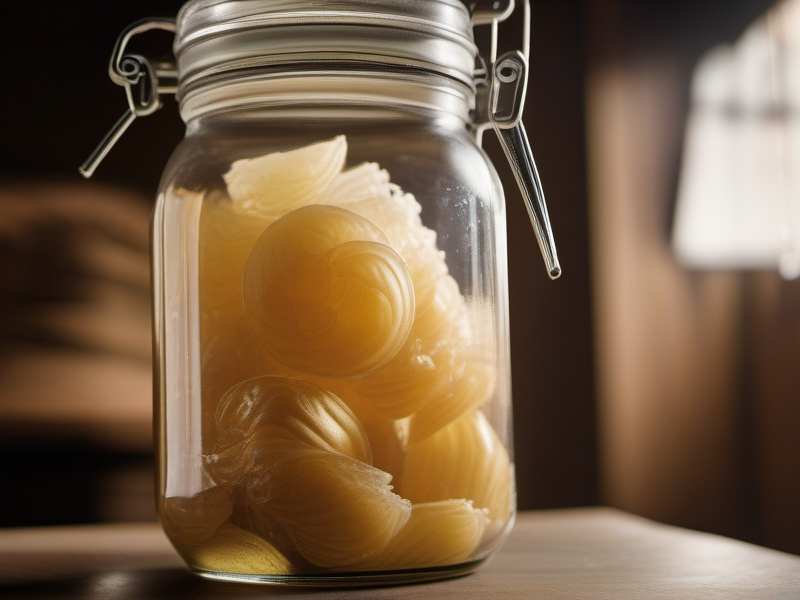
- Glass jar (one-time purchase): $5-15
- Salt: approximately $0.10/month
- Vegetable scraps: $0 (these are waste materials from your normal cooking)
The economics are not close. They are not in the same order of magnitude. A household ferment costs roughly 0.1 percent of what an equivalent supplement regimen costs. And unlike supplements, which must be repurchased monthly, the ferment is self-perpetuating. The jar, once established, continues producing indefinitely as long as it is fed.
The Hidden Costs of Supplements
Beyond the sticker price, supplements carry hidden costs that fermented foods do not:
- Manufacturing carbon footprint: Supplement production involves industrial synthesis or extraction, encapsulation, packaging, and global shipping.
- Excipient exposure: Most supplements contain fillers, flow agents, binders, and coatings -- magnesium stearate, silicon dioxide, titanium dioxide, cellulose, gelatin -- that have no nutritional value and, in some cases, raise health concerns.
- Quality-control uncertainty: The supplement industry is largely self-regulated in many countries. Independent testing repeatedly finds that supplements contain less of the stated ingredient than labeled, and sometimes contain contaminants.
- Shelf degradation: Probiotics, B12, and K2 all degrade over time in supplement form. What you buy is not necessarily what you consume six months later.
A living ferment has none of these costs. Its carbon footprint is approximately zero. Its ingredient list is vegetables, salt, and water. Its quality control is your own senses -- if it smells right and tastes sour, it is working. And it does not degrade on a shelf because it is alive.
Part VII: Advanced Techniques
Temperature Optimization
The standard recommendation of 65-75 degrees Fahrenheit (18-24 degrees Celsius) works well for most purposes. But temperature manipulation can optimize for specific outcomes:
- Cool fermentation (55-65 degrees Fahrenheit / 13-18 degrees Celsius): Slower fermentation produces a more complex flavor profile and higher levels of some secondary metabolites. Traditional European cellars maintained these temperatures year-round. If you have access to a cellar, basement, or cool garage, this is the ideal fermentation environment.
- Warm fermentation (75-85 degrees Fahrenheit / 24-29 degrees Celsius): Faster fermentation, higher CO2 production, slightly higher lactic acid content. Useful in warm climates where cool fermentation is impractical, but produces a simpler flavor profile and softer texture.
Substrate Diversification
Different vegetable substrates produce different vitamin profiles. A diverse Lebensglas fed a variety of scraps over time will develop a more diverse microbial community and produce a broader spectrum of vitamins and metabolites than one fed exclusively cabbage.
Particularly valuable additions:
- Beet greens: Rich in folate, iron, and potassium. Produce a deep ruby-colored ferment with earthy flavor notes.
- Carrot peelings: Contribute natural sugars that fuel vigorous fermentation and provide beta-carotene (which is not destroyed by fermentation).
- Radish tops: Contain glucosinolates that, during fermentation, are converted to isothiocyanates -- compounds with documented anti-cancer properties.
- Celery leaves: Contribute apigenin, a flavonoid with anti-inflammatory properties that survives fermentation intact.
- Kohlrabi peelings: Rich in fiber and vitamin C. Excellent substrate for LAB growth.
Brine Utilization
Do not discard the brine. It is, arguably, the most valuable part of the ferment. The brine contains:
- Dissolved vitamins (B12, K2, B-complex)
- Live LAB at high concentrations
- Lactic acid and other organic acids
- Bacteriocins produced by the LAB
- Dissolved minerals from the vegetable tissue
Drink 30-60 mL of brine daily, ideally first thing in the morning on an empty stomach. The acidity stimulates gastric acid production (beneficial for digestion), the LAB colonize the gut directly, and the dissolved vitamins are absorbed rapidly in the absence of competing food.
The brine also serves as the most potent starter culture for new ferments. Two tablespoons of mature brine added to a new batch of salted vegetables will inoculate the batch with a diverse, adapted LAB community and accelerate fermentation dramatically.
Second Fermentation and Flavoring
Once you have mastered the basic continuous culture, secondary fermentation techniques allow you to produce specialized products from the same base culture:
Fermented hot sauce: Add fresh chili peppers (any variety) to a portion of the mature brine. The LAB ferment the peppers' natural sugars, producing a complex, tangy hot sauce that improves with age. Habaneros, serranos, and Thai chilies all work well. Ferment for 2-4 weeks, then blend smooth. Beet kvass: Add diced raw beets to a portion of the mature brine. The beets provide sugars and pigment; the LAB produce a deep crimson, sour beverage rich in nitrates and betalains. Ready in 3-5 days. Drink 60-120 mL daily as a liver and blood tonic. Ginger beer: Add grated fresh ginger and a tablespoon of sugar or honey to a portion of the mature brine. The LAB and any resident yeasts ferment the sugar, producing a naturally carbonated, probiotic ginger beverage. Bottle in swing-top bottles after 2-3 days for carbonation; refrigerate after 5-7 days to slow fermentation and prevent over-carbonation. Turmeric paste: Blend fresh turmeric root with mature brine into a paste. Ferment for 7-10 days. The resulting product is a concentrated anti-inflammatory paste with enhanced bioavailability (fermentation breaks down turmeric's cellular structure, releasing curcuminoids that the gut can absorb more readily).Seasonal Rhythms
In the traditional Bavarian system, the Lebensglas followed the rhythms of the garden:
- Spring: Fresh greens (dandelion, nettle, wild garlic) become available. These are excellent fermentation substrates and introduce new microbial diversity.
- Summer: Abundance of vegetable scraps from peak harvest. The jar is fed frequently and produces rapidly.
- Autumn: Late-season cabbage, root vegetable peelings, and brassica scraps dominate. This is the traditional season for making large batches of sauerkraut alongside the continuous Lebensglas.
- Winter: Fresh inputs slow. The jar is fed less frequently. The ferment becomes more acidic and concentrated. Consumption shifts from the vegetables themselves to the brine, which remains nutritionally dense even when fresh inputs are scarce.
Part VIII: The Science of the Gut Ecosystem
Why Diversity Matters
Modern microbiome research has established that gut microbial diversity is positively correlated with nearly every measure of health: immune function, metabolic regulation, mental health, inflammatory status, and resistance to infection. Low gut diversity is associated with obesity, type 2 diabetes, inflammatory bowel disease, depression, and increased susceptibility to Clostridioides difficile infection.
Commercial probiotic supplements typically deliver 1-10 strains. A living vegetable ferment delivers dozens of strains across multiple genera. Furthermore, each feeding cycle of the Lebensglas introduces new microbial inputs from the fresh vegetable scraps, continuously refreshing the diversity of the culture and, by extension, the diversity of the organisms delivered to the gut.
Postbiotics: The Forgotten Fraction
Recent research has shifted attention from live organisms (probiotics) to the metabolic products those organisms produce during fermentation (postbiotics). These include:
- Short-chain fatty acids (SCFAs): Butyrate, propionate, and acetate. Nourish the intestinal epithelium, regulate immune function, and modulate energy metabolism. Butyrate, in particular, is the preferred energy source for colonocytes (the cells lining the colon) and has been shown to reduce inflammation and colon cancer risk.
- Bacteriocins: Antimicrobial peptides produced by LAB that selectively inhibit pathogenic bacteria. These function as natural antibiotics that target harmful organisms without disturbing the beneficial community.
- Exopolysaccharides (EPS): Complex carbohydrates produced by LAB that function as prebiotics -- feeding beneficial organisms already resident in the gut.
- Gamma-aminobutyric acid (GABA): A neurotransmitter produced by several LAB species, including L. brevis and L. plantarum. Dietary GABA from fermented foods may contribute to the gut-brain axis, influencing anxiety, sleep quality, and stress response.
A living ferment delivers all of these postbiotics simultaneously, in the concentrations and ratios that the microbial community naturally produces. A supplement capsule delivers none of them.
Part IX: Comparative Traditions
German Sauerkraut
The most famous lacto-fermented vegetable in the Western world. Traditional sauerkraut is a batch ferment: shredded cabbage, salted at 2-2.5 percent, packed into a crock, weighted, and fermented for 3-6 weeks. The Lebensglas is essentially a continuous-culture adaptation of the sauerkraut method.
Korean Kimchi
Korea's national dish is a complex lacto-fermentation that incorporates napa cabbage, radish, garlic, ginger, chili flakes, fish sauce, and sometimes shrimp paste. The additional ingredients introduce microbial diversity beyond what a simple cabbage ferment achieves. Kimchi is one of the most studied fermented foods in the world, with documented benefits for metabolic health, immune function, and gut ecology.
Russian/Ukrainian Kvass
Bread kvass is a fermented beverage made from stale rye bread, water, sugar, and sometimes raisins or herbs. Beet kvass -- made by fermenting diced beets in salted water -- is a related tradition that produces a deep crimson, sour beverage rich in LAB and beet-derived nitrates. Beet kvass is perhaps the closest analogue to the Lebensglas brine consumed as a daily tonic.
Japanese Tsukemono
Japanese pickle-making encompasses dozens of lacto-fermented vegetable preparations, from simple salt-pickled cucumbers (shiozuke) to rice-bran-fermented vegetables (nukazuke). The nuka pot -- a bed of rice bran, salt, and kombu seaweed that is maintained indefinitely and used to ferment vegetables daily -- is the closest Japanese parallel to the Bavarian Lebensglas. Some nuka pots in Japan have been maintained continuously for over a century.
Part X: Safety and Troubleshooting
Is It Safe?
Lacto-fermentation is one of the safest food-preservation methods known. The combination of salt concentration (2 percent or higher), low pH (below 4.0), and the antimicrobial compounds produced by LAB creates an environment that is hostile to virtually all foodborne pathogens, including Salmonella, E. coli, Listeria, and Clostridium botulinum.
The safety record is extraordinary. There are essentially no documented cases of foodborne illness from properly made lacto-fermented vegetables in the peer-reviewed literature. This is in contrast to canning (where C. botulinum is a real and documented risk), raw milk (where Listeria and E. coli outbreaks are regularly reported), and even raw vegetables (where Salmonella and E. coli outbreaks occur periodically from contaminated irrigation water).
The Fermentation Failure That Is Not a Failure
New fermenters frequently mistake normal fermentation processes for spoilage. Understanding what is normal prevents unnecessary disposal of perfectly good ferments:
- Vigorous bubbling in days 1-3: This is Leuconostoc producing CO2. It looks alarming -- like the jar is about to explode -- but it is the most reliable sign that fermentation is proceeding correctly. If you are using a sealed jar, "burp" it daily by loosening the lid briefly.
- Brine turns cloudy: Normal. Lactic acid bacteria are multiplying, and their cell mass creates turbidity. Clear brine is pre-fermentation; cloudy brine is active fermentation.
- Vegetables change color: Normal. Cabbage goes from green-white to translucent yellow-gold. Beets intensify in color. Carrots may pale slightly. These are all normal biochemical changes caused by acidification.
- Smell changes from fresh to sour: Normal and desired. The characteristic "sauerkraut smell" develops as lactic acid accumulates. This is the smell of successful fermentation, not spoilage.
- Small air pockets trapped in the vegetable mass: Normal. These are CO2 bubbles that have not yet risen to the surface. Tap the jar or press the vegetables down with a clean utensil to release trapped gas.
The only signs that genuinely indicate spoilage are: fuzzy mold growth (any color), putrid smell (rotting, not sour), pink or orange slimy colonies (not to be confused with naturally pigmented vegetables), or off-flavors that are distinctly unpleasant rather than merely sour.
When in doubt, trust your nose. Human olfaction evolved over millions of years to detect harmful microbial metabolites. If it smells wrong -- genuinely wrong, in a way that triggers disgust rather than merely surprise -- discard it. If it simply smells sour, acidic, or pungent, it is almost certainly fine.
Who Should Be Cautious?
- Immunocompromised individuals: While fermented foods are generally safe, people with severely compromised immune systems (organ transplant recipients, patients on immunosuppressive therapy, advanced HIV/AIDS) should consult their physician before consuming unpasteurized fermented foods.
- Histamine-sensitive individuals: Fermented foods contain histamine and other biogenic amines produced during bacterial metabolism. People with histamine intolerance may experience headaches, flushing, or gastrointestinal symptoms. Start with small amounts and titrate upward.
- People on MAO inhibitors: Tyramine, another biogenic amine present in fermented foods, can interact with monoamine oxidase inhibitors to cause hypertensive crisis. This is a well-documented drug-food interaction.
Part XI: Troubleshooting the Mature Culture
Diagnosing Common Problems in Long-Running Ferments
A continuous-culture ferment maintained over months or years will occasionally exhibit behaviors that require intervention. Understanding the microbiology allows rational diagnosis:
Problem: Excessive sourness (pH below 3.0) The culture has become dominated by highly acid-tolerant organisms at the expense of less-acid-tolerant species that contribute flavor complexity. This typically happens when the jar is fed too infrequently -- the culture runs out of fresh substrate and the most aggressive acid-producers survive at the expense of others. Solution: Feed more frequently with fresh vegetable material. The new sugars support a broader range of organisms, allowing the community to rebalance. You can also remove some of the old brine and replace it with fresh 2-percent salt solution, diluting the acidity and creating space for less-acid-tolerant organisms to recover. Problem: Yeasty or alcoholic smell Indicates that yeasts (rather than LAB) have become dominant. This happens most often when the ferment is too warm (above 80 degrees Fahrenheit / 27 degrees Celsius) or when the salt concentration has dropped below 1.5 percent (salt favors LAB over yeasts). Solution: Move the jar to a cooler location. Add additional salt (0.5-1 teaspoon dissolved in a small amount of water). Remove any visible Kahm yeast film from the surface. The LAB, once conditions favor them again, will out-compete the yeasts within a few feeding cycles. Problem: Slimy or ropy texture Some LAB strains produce exopolysaccharides (EPS) that create a viscous, stringy texture in the brine. This is harmless -- in fact, EPS are prebiotics with demonstrated health benefits -- but the texture is unappealing to many people. Solution: Increase salt concentration slightly (to 2.5-3 percent). EPS production tends to decline at higher salt levels. Alternatively, accept the texture; it does not indicate spoilage or harmful organisms. Problem: Loss of bubbling/activity A mature ferment will naturally produce less visible CO2 than a fresh one (because the dominant late-stage organisms are homofermentative -- they produce only lactic acid, no gas). Lack of visible bubbling in a mature continuous culture is normal and does not indicate that the culture is dead or inactive. Test: Taste the brine. If it is sour (pH below 4.0), the culture is active. If it tastes bland or flat, the culture may have died (rare, usually due to contamination with cleaning chemicals, extreme temperatures, or prolonged starvation).Reviving a Neglected Culture
If a Lebensglas has been neglected for several weeks or months (left unfed), it can often be revived:
- Smell and taste the brine. If it smells sour (not putrid) and tastes acidic, the culture is likely still viable.
- Remove any surface mold or Kahm yeast film.
- Pour off half the old brine.
- Add fresh vegetable material (salted at 2 percent) and fresh salt water to replace the removed brine.
- Place in a warm location (70-75 degrees Fahrenheit / 21-24 degrees Celsius) and wait 5-7 days.
- If the culture acidifies the new material (taste test: sour brine), it has recovered. Resume normal feeding.
Cultures that have been dormant for up to 6 months can often be revived this way. The LAB form spores or enter dormant states under starvation conditions and reactivate when fresh substrate becomes available.
Part XII: The Microbial Genetics of a Mature Ferment
Why Older Cultures Are Better
The Lebensglas tradition emphasizes continuity -- never emptying the jar completely, always retaining a portion of the mature culture. This is not merely practical convenience; it reflects a microbiological reality that modern science is only beginning to characterize.
A microbial community that has been maintained continuously through dozens or hundreds of feeding cycles undergoes natural selection with each generation. The selective pressures in a vegetable ferment favor organisms that:
- Tolerate high acidity (pH 3.1-3.7)
- Produce lactic acid rapidly (competitive advantage over slower-growing organisms)
- Produce bacteriocins (which eliminate competing strains)
- Utilize a broad range of substrates (enabling growth on diverse vegetable inputs)
- Produce vitamins as metabolic byproducts (which may confer competitive advantages in complex microbial communities through cross-feeding relationships)
Over time, these selection pressures produce a community that is optimized for the specific conditions of that particular jar -- the temperature range, the salt concentration, the typical substrates, the feeding frequency. A jar maintained for ten years has undergone thousands of bacterial generations of selection. The resulting community is a precision instrument, honed by evolution for its specific task.
This is why artisanal fermenters report that their cultures "improve with age." It is not mysticism. It is Darwinian selection operating on microbial populations with generation times measured in hours.
Horizontal Gene Transfer
In microbial communities, evolution is not limited to vertical inheritance (parent to offspring). Bacteria also exchange genetic material horizontally -- between unrelated species, via plasmids, transduction, and transformation. In a complex fermentation community, this means that genes for useful functions (vitamin synthesis, acid tolerance, substrate utilization) can spread between species, creating a community-wide genetic pool that is richer than any individual species.
Research published in Frontiers in Microbiology has documented horizontal gene transfer in fermented food communities, including the exchange of genes related to stress tolerance and metabolite production. A mature Lebensglas culture, maintained over years, may harbor a genetic diversity that exceeds what any commercial probiotic starter culture could provide -- because it has had time and selective pressure to accumulate useful genetic innovations.
Phage Dynamics
Bacteriophages (viruses that infect bacteria) are present in every microbial community, including fermentation cultures. In the simplistic view, phages are destructive -- they lyse (kill) bacterial cells. But in the ecology of a complex fermentation community, phages play a regulatory role: they preferentially infect and kill the most abundant bacterial strain, preventing any single species from completely dominating and maintaining diversity.
This "kill the winner" dynamic means that a mature ferment, with its resident phage populations, is inherently self-regulating. If one bacterial species overgrows (due to a change in substrate or temperature), its resident phages increase in response, cutting it back and allowing competitors to recover. The result is a community that is remarkably stable over time -- resistant to perturbation, capable of recovering from disturbances, and difficult to contaminate because any invading organism must compete not only with the established bacterial community but also with the established phage community.
Part XII: The Philosophical Dimension
The Jar as a Metaphor
The Lebensglas is more than a practical technology. It is a philosophical statement about the relationship between human beings and the microbial world.
The modern paradigm treats microbes as enemies -- organisms to be sterilized, pasteurized, irradiated, and excluded from food. The fermentation paradigm treats microbes as partners -- organisms to be cultivated, nourished, and maintained in a relationship of mutual benefit. The human provides the substrate (vegetable scraps) and the environment (a jar, a shelf, a consistent temperature). The microbes provide the nutrition (vitamins, probiotics, organic acids) and the preservation (acidification that prevents spoilage).
This is mutualism in its most literal form. Neither party benefits without the other. The scraps, without bacteria, rot. The bacteria, without scraps, starve. Together, they produce something that neither can produce alone: a living food, self-perpetuating, nutritionally complete, and free.
The Sovereignty Question
There is a political dimension to the Lebensglas that deserves acknowledgment. A household that produces its own vitamins, probiotics, and preserved foods is a household with reduced dependence on commercial supply chains, pharmaceutical companies, and retail infrastructure. This is not a trivial consideration in an era of supply-chain fragility, pharmaceutical price inflation, and increasing awareness of the interests that shape food-system policy.
The fermentation jar on the kitchen shelf is a small act of sovereignty. It does not overthrow systems or dismantle institutions. But it does demonstrate, in a daily and practical way, that the most essential nutritional inputs -- vitamins, beneficial bacteria, preserved food -- can be produced at home, from waste materials, at zero cost, by anyone with a jar and a tablespoon of salt.
This knowledge was once universal. Every household possessed it. Its recovery is not nostalgia -- it is resilience.
The Intergenerational Transfer
In the traditional model, the Lebensglas -- or the nuka pot, or the sourdough starter, or the kefir grains -- was passed from mother to daughter, often as a wedding gift or a housewarming present. The culture itself was a family heirloom, carrying in its microbial DNA the accumulated genetic wisdom of years or decades of selection.
Some sourdough starters in European bakeries have documented histories of 100 or more years. Some Japanese nuka pots have been maintained continuously for similar periods. These are not merely traditions -- they are living genetic libraries, repositories of microbial diversity that cannot be replicated by commercial starter cultures and that represent, in a very real sense, cultural heritage encoded in DNA.
When you start a Lebensglas, you are not just making a jar of fermented vegetables. You are beginning a lineage. Feed it well. Pass it on.
Conclusion: The Jar on the Shelf
There is a quiet radicalism in a jar of fermenting vegetables. It does not require a prescription. It does not generate revenue for a pharmaceutical company. It cannot be patented, branded, or enclosed behind a paywall. It operates on biochemistry that predates human civilization by billions of years -- the ancient metabolic pathways of lactic acid bacteria, organisms that were fermenting sugars in anaerobic environments long before the first multicellular life appeared on earth.
The Lebensglas is not a supplement. It is a relationship. You feed it scraps; it feeds you vitamins. You maintain the conditions; it maintains the culture. The exchange has no expiration date, no subscription renewal, no supply chain. It requires thirty minutes of attention per week and costs, effectively, nothing.
Two hundred years ago, a Bavarian farmwife knew this without knowing the microbiology. She knew the jar worked because her family was healthy. She knew to keep the vegetables submerged because her grandmother told her to. She knew to use the brine for upset stomachs because it always helped. She did not need a randomized controlled trial to validate what the jar had demonstrated every day of her life.
We, with our electron microscopes and our genome sequencers, have merely confirmed what the jar already knew.
References
- Dimidi, E., Cox, S.R., Rossi, M., Whelan, K. "Fermented foods: definitions and characteristics, impact on the gut microbiota and effects on gastrointestinal health and disease." Nutrients 11, 1806 (2019).
- Marco, M.L., Heeney, D., Binda, S., et al. "Health benefits of fermented foods: microbiota and beyond." Current Opinion in Biotechnology 44, 94-102 (2017).
- Plengvidhya, V., Breidt, F., Lu, Z., Fleming, H.P. "DNA fingerprinting of lactic acid bacteria in sauerkraut fermentations." Applied and Environmental Microbiology 73, 7697-7702 (2007).
- Walther, B., Karl, J.P., Booth, S.L., Boyaval, P. "Menaquinones, bacteria, and the food supply: the relevance of dairy and fermented food products to vitamin K requirements." Advances in Nutrition 4, 463-473 (2013).
- Wolkers-Rooijackers, J.C.M., Endika, M.F., Smid, E.J. "Enhancing vitamin B12 in lupin tempeh by in situ fortification." LWT - Food Science and Technology 96, 513-518 (2018).
- Rezac, S., Kok, C.R., Heermann, M., Hutkins, R. "Fermented foods as a dietary source of live organisms." Frontiers in Microbiology 9, 1785 (2018).
- Leroy, F., De Vuyst, L. "Lactic acid bacteria as functional starter cultures for the food fermentation industry." Trends in Food Science and Technology 15, 67-78 (2004).
- Gille, D., Schmid, A., Walther, B., Vergeres, G. "Fermented food and non-communicable chronic diseases: a review." Nutrients 10, 448 (2018).
- Tamang, J.P., Shin, D.H., Jung, S.J., Chae, S.W. "Functional properties of microorganisms in fermented foods." Frontiers in Microbiology 7, 578 (2016).
- Melini, F., Melini, V., Luziatelli, F., et al. "Health-promoting components in fermented foods: an up-to-date systematic review." Nutrients 11, 1189 (2019).
- Chilton, S.N., Burton, J.P., Reid, G. "Inclusion of fermented foods in food guides around the world." Nutrients 7, 390-404 (2015).
- Sanlier, N., Gokcen, B.B., Sezgin, A.C. "Health benefits of fermented foods." Critical Reviews in Food Science and Nutrition 59, 506-527 (2019).
Comments (0)
No comments yet.
Log in to comment.