Rocket Stoves, Hayboxes, and the Math of Slow Heat
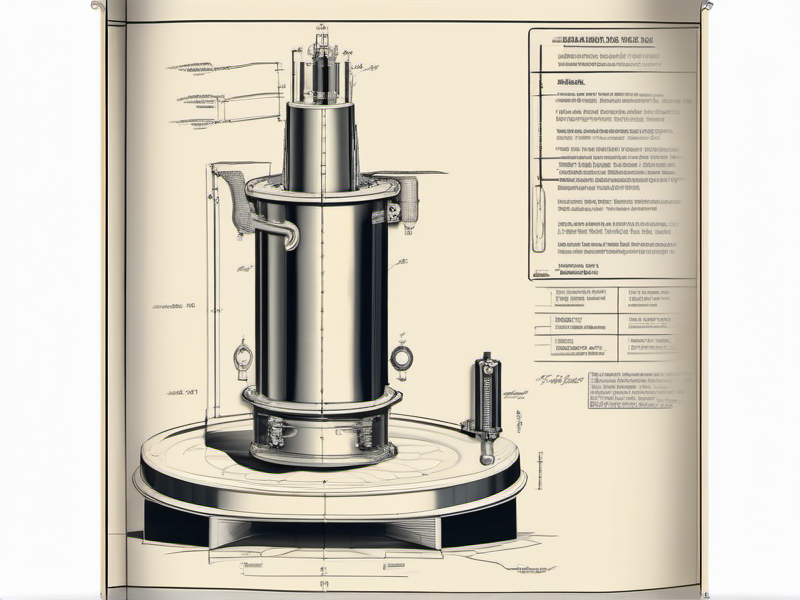
Cooking a Sunday roast on three pages of newspaper -- the thermodynamics our grandfathers knew without ever writing them down.
The Efficiency Problem
A modern gas stove is roughly 40 percent efficient. That means for every dollar of fuel you burn, sixty cents worth of heat escapes into the kitchen, warming the room rather than the food. An open fire -- the campfire, the hearth, the three-stone cooking fire used by roughly three billion people worldwide -- is 8 to 12 percent efficient. Nearly ninety percent of the heat goes up, out, and sideways, doing nothing useful. A rocket stove? Sixty to seventy percent efficient. The difference is not technology in the modern sense. It is geometry. The shape of the burn chamber, the length of the chimney, the ratio of inlet to outlet, and the insulation of the combustion zone -- these determine whether a handful of twigs cooks a meal or merely produces smoke.
This article is about three interlocking technologies that, together, represent the most fuel-efficient cooking system ever devised by human beings outside of an industrial laboratory: the rocket stove (which burns fuel at maximum efficiency), the haybox (which cooks food with zero fuel after initial heating), and the rocket mass heater (which extracts thermal energy from exhaust gases with 90+ percent efficiency for space heating). All three are based on the same thermodynamic principles. All three were developed or refined in the twentieth century using the empirical methods of earlier eras. And all three can be built from salvaged or natural materials by anyone with basic hand skills.
Part I: The Rocket Stove
Origins
The rocket stove was developed beginning in 1980 by Dr. Larry Winiarski, Technical Director of the Aprovecho Research Center in Cottage Grove, Oregon. Winiarski, a mechanical engineer with a background in appropriate technology, was attempting to solve a specific problem: how to reduce the fuel consumption and smoke emissions of cooking fires in the developing world, where approximately three billion people cook over open fires or inefficient traditional stoves.
The starting point was a VITA stove designed by Sam Baldwin, which used a basic chimney effect to improve combustion. Winiarski recognized that Baldwin's design was limited by inadequate insulation of the combustion zone and insufficient control of airflow. He began experimenting with insulated combustion chambers, eventually arriving at the characteristic L-shaped (or J-shaped) design that defines the rocket stove: a short horizontal fuel feed connected to a vertical insulated riser, with a controlled air inlet at the base.
Winiarski did not claim to have invented the underlying principles. He acknowledged that the Romans had used similar thermodynamic configurations in their hypocaust heating systems two thousand years earlier. What Winiarski did was formalize the design into a set of reproducible principles, test those principles rigorously in laboratory conditions, and publish the results for global dissemination.
By 1982, Aprovecho had codified ten design principles for rocket stoves, and the technology began spreading through development organizations, appropriate-technology networks, and eventually the homesteading and preparedness communities in the developed world.
How It Works
The rocket stove achieves its extraordinary efficiency through four mechanisms operating simultaneously:
1. Insulated combustion. The combustion chamber -- the vertical riser where the primary burn occurs -- is heavily insulated with materials that have low thermal conductivity: clay, vermiculite, perlite, pumice, or wood ash. This insulation serves two purposes. First, it prevents heat from escaping through the stove walls, directing it upward toward the cooking surface. Second, and more importantly, it maintains the combustion zone at a high temperature (typically 600-1000 degrees Celsius / 1100-1800 degrees Fahrenheit), which ensures complete combustion of the volatile gases released by the burning fuel.In an open fire, the combustion zone is not insulated. Heat radiates in all directions, cooling the flame. The relatively cool flame temperature means that many volatile gases (the smoke you see and smell) pass through without burning. These unburned gases represent wasted fuel -- energy released from the wood but not captured as useful heat. They are also the primary source of particulate pollution and carbon monoxide from wood fires.
In a rocket stove, the insulated chamber reaches temperatures at which all volatile gases combust completely. The exhaust from a well-designed rocket stove is nearly invisible -- not white smoke (which is water vapor and unburned volatiles) but a thin, clear heat shimmer. Complete combustion means maximum energy extraction from each gram of fuel.
2. Controlled airflow. The rocket stove's air inlet is carefully sized relative to the combustion chamber. Too much air cools the combustion zone (excess air absorbs heat without contributing to combustion). Too little air starves the fire of oxygen, producing incomplete combustion and smoke. The optimal ratio -- determined by Aprovecho through hundreds of laboratory tests -- is approximately 1:5 (inlet area to riser cross-section area).The narrow inlet also accelerates the incoming air (by the Venturi effect), creating a vigorous draft that draws air through the fuel and up the riser without requiring a tall external chimney. This is the "rocket" effect -- the characteristic roaring sound of air being drawn through the combustion zone at high velocity.
3. Directed heat transfer. The top of the riser is shaped to direct hot exhaust gases around the cooking vessel. A skirt or sleeve at the top of the stove circulates the hot gases rising from the fire around the sides and bottom of the cooking pot, maximizing the contact surface area between the hot gas and the cold pot. This is in contrast to an open fire, where the pot sits in a plume of rising hot gas that contacts only the bottom of the vessel and then disperses.The skirt design can double the heat transfer efficiency compared to a pot simply balanced on top of an open riser. Combined with the insulated combustion chamber, this produces overall thermal efficiencies of 60-70 percent -- five to seven times the efficiency of an open fire.
4. Metered fuel feed. The horizontal fuel magazine (the bottom of the J or L shape) allows fuel to be introduced gradually. Small pieces of wood are pushed into the combustion zone bit by bit, so that only the tips of the sticks are burning at any given moment. This prevents the fire from being overloaded with fuel (which produces smoke and drops the combustion temperature) and ensures a consistent, controlled burn rate.The fuel-metering principle is counterintuitive to anyone accustomed to open fires, where the instinct is to pile on fuel. In a rocket stove, less fuel burning at higher temperature produces more useful heat than more fuel burning at lower temperature. Three twigs burning cleanly at 800 degrees Celsius will boil water faster than a bundle of sticks smoldering at 300 degrees Celsius.
The Ten Principles of Rocket Stove Design
Aprovecho's ten design principles, formalized by 1982 and refined in subsequent decades, are:
- Insulate the combustion chamber. The riser must be surrounded by insulating material to maintain high temperatures. Minimum R-value of the insulation: R-4 (approximately 2 inches of clay-perlite mixture).
- Insulate above the fire. Heat loss through the top of the combustion zone (above the fire but below the pot) must be minimized.
- Use a short, direct path from fire to pot. Every additional inch of un-insulated pathway between the fire and the cooking surface is a source of heat loss.
- Provide the right amount of air. The air inlet area should be approximately 20 percent of the riser cross-sectional area. Excess air cools the fire; insufficient air produces smoke.
- Allow the fire to breathe. The fuel should not block the air inlet. There must always be a clear path for air to reach the burning end of the fuel.
- Use a grate under the fire. A grate (metal bars or ceramic lattice) allows ash to fall away from the combustion zone, maintaining clear airflow and preventing ash buildup from smothering the fire.
- Only burn the tips of the sticks. Push fuel in gradually so that only the end is burning. This maintains a consistent flame size and prevents overloading.
- Use a pot skirt or channel. Direct the hot gases to flow along the maximum surface area of the pot. The gap between the pot and the skirt should be 6-8 mm for optimal heat transfer.
- Elevate the pot above the riser exit. A small gap (1-2 cm) between the top of the riser and the bottom of the pot allows combustion gases to flow around the pot rather than being trapped and deflected.
- Match the size of the fire to the task. A larger stove is not necessarily better. The combustion chamber should be sized to the typical pot and cooking load. Oversized chambers waste fuel.
Building a Basic Rocket Stove
A functional rocket stove can be built in an afternoon from materials found in any hardware store, salvage yard, or rural landscape:
Materials: - One metal #10 can (approximately 6 inches diameter, 7 inches tall) -- this is the outer shell - One smaller can (approximately 4 inches diameter, 7 inches tall) or equivalent metal duct -- this is the riser - Insulating fill: perlite, vermiculite, dry wood ash, or pumice gravel - One flat piece of metal (for the shelf/grate inside the feed tube) - Tin snips, a marker, and a drill or punch Construction:- Cut a hole in the side of the #10 can, near the bottom, sized to accept the smaller can (which will serve as the horizontal feed tube). The hole should be approximately 4 inches in diameter.
- Cut the smaller can: one section forms the horizontal feed tube (approximately 6 inches long), and the remaining section, with its closed end cut off, forms the vertical riser (approximately 7 inches tall). Connect the feed tube and riser at a 90-degree angle (forming the L or J shape). Weld, rivet, or wire them together.
- Insert the L-shaped combustion chamber into the outer #10 can, with the feed tube protruding through the hole you cut. The vertical riser should extend to the top of the outer can (or slightly above it).
- Fill the space between the inner combustion chamber and the outer can with insulating material. Pack it firmly.
- Fashion a small shelf or grate inside the feed tube, positioned so that fuel can rest on it with an air gap beneath. This allows air to flow under the fuel and up into the combustion zone.
- Place a pot support (three small bolts, screws, or stones) on top of the riser to hold the cooking pot slightly above the riser exit.
Total construction time: 30-60 minutes. Total cost: $0-15 depending on material sourcing. Weight: 3-5 pounds. This stove will boil a liter of water in 3-5 minutes using a handful of twigs.
Performance Data
Aprovecho's laboratory testing (and subsequent independent verification by the Partnership for Clean Indoor Air, the Global Alliance for Clean Cookstoves, and academic researchers) has established the following performance benchmarks for well-designed rocket stoves:
- Thermal efficiency: 60-70 percent (compared to 8-12 percent for a three-stone fire and 35-40 percent for a typical gas stove).
- Fuel consumption: 39-47 percent less wood than an open fire for the same cooking task.
- Emissions reduction: Approximately 75 percent less carbon monoxide and 46 percent fewer particulates than an open fire.
- Time to boil: 2.5 liters of water in 4-6 minutes with dry softwood twigs as fuel.
- Fuel flexibility: Burns any dry biomass -- sticks, twigs, wood chips, bark, pine cones, dried corn cobs, bamboo, cardboard, newspaper.
The fuel economy is the most striking figure for practical purposes. A well-built rocket stove will cook a complete dinner for a family of four on approximately 1-2 pounds of dry wood. For comparison, an open fire performing the same task would consume 4-6 pounds of wood. Over a year of daily cooking, the difference amounts to roughly half a cord of wood -- a significant savings in time, labor, and environmental impact.
Part II: The Haybox (Fireless Cooker)
The Principle
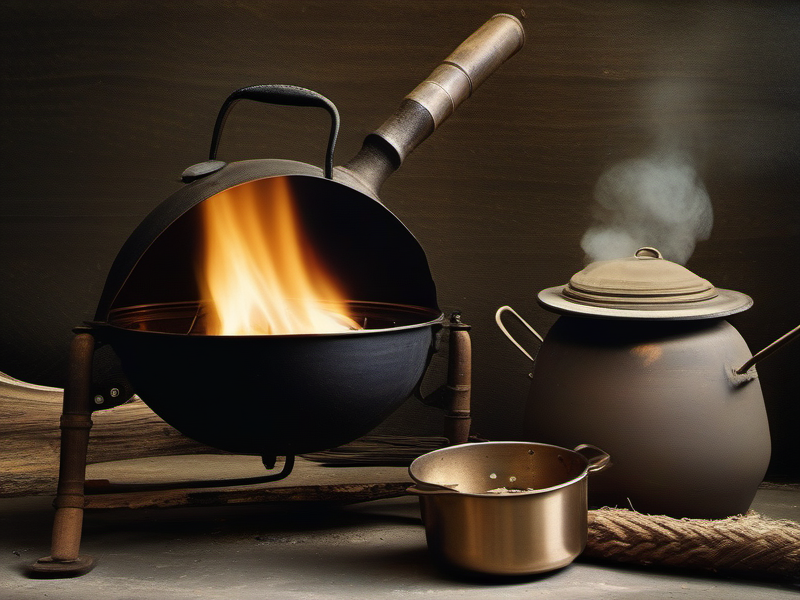
The haybox -- also called a fireless cooker, retained-heat cooker, or thermal cooker -- operates on a principle so simple that it barely qualifies as technology: once food has reached its cooking temperature, it will continue cooking at that temperature (slowly declining) if insulated from heat loss. No additional fuel is required.
The thermodynamics: a pot of stew brought to a full boil (212 degrees Fahrenheit / 100 degrees Celsius) and immediately placed inside a well-insulated box will remain above 180 degrees Fahrenheit (82 degrees Celsius) -- well above the minimum temperature for cooking most foods -- for 6 to 8 hours. During that time, the food cooks exactly as it would on the stove, albeit somewhat more slowly. Beans soften. Meat tenderizes. Grains absorb water. Vegetables break down. The only difference is that zero fuel is consumed after the initial heating.
The energy savings are extraordinary. A pot of beans that would require 3-4 hours of simmering on a stove (consuming fuel the entire time) requires only 15-20 minutes of heating (to bring it to a boil) plus 6-8 hours of insulated rest. The fuel reduction is approximately 70-80 percent.
History
The haybox is not a modern invention. Its principles were known in the ancient world -- Roman and Chinese sources describe insulated cooking vessels. But it became a household technology of significance in two specific historical moments:
World War I (1914-1918): As coal and gas were rationed across Europe to support the war effort, governments actively promoted fireless cookers as a fuel-conservation measure. In Britain, the Food Ministry published pamphlets instructing households in haybox construction. The technology reduced household fuel consumption by an estimated 70-80 percent compared to conventional continuous-cooking methods. World War II (1939-1945): The haybox experienced a second wave of promotion and adoption, again driven by fuel rationing. The UK government printed and distributed thousands of flyers on haybox construction and use. Women's magazines published recipes adapted for retained-heat cooking. The haybox became a symbol of home-front resourcefulness and patriotic economy.Between the wars, fireless cookers were commercially manufactured in the United States and Europe. Companies like Chambers (which made "Retained Heat" gas ranges), and various German manufacturers produced insulated cooking vessels for household use. But the postwar economic boom, with its cheap energy and cultural emphasis on convenience and speed, drove the haybox back into obscurity by the 1960s.
The Inventor: Karl von Drais
Credit for the first documented modern haybox design is given to Karl von Drais, the German inventor better known for inventing the draisine (the precursor to the bicycle) in 1817. Von Drais developed a novel form of haybox in the first part of the nineteenth century as part of his broader interest in labor-saving and energy-saving devices. His design used compressed hay as insulation inside a wooden box, with a fitted lid that sealed tightly against heat loss.
Building a Haybox
Materials: - A box or container large enough to hold your largest cooking pot with 4-6 inches of insulation on all sides. A wooden crate, a cardboard box, a plastic tote, or a purpose-built wooden box all work. - Insulation: hay, straw, wool, shredded newspaper, old blankets, cotton batting, vermiculite, or rigid foam panels. The key property is low thermal conductivity -- still air trapped within a fibrous or granular material. - A tight-fitting lid, also insulated. - A cushion or pad of insulation that sits on top of the pot once it is placed in the box. Construction:- Line the bottom of the box with 4-6 inches of insulation material.
- Create a nest or well in the center of the insulation, sized to fit your pot snugly. The pot should sit in the insulation with at least 4 inches of insulation on all sides.
- Prepare a top cushion: a cloth bag or pillow case stuffed with insulation (hay, wool, shredded paper). This goes on top of the pot after placement.
- Prepare the lid: if using a rigid lid, attach insulation to its underside. If using a soft cover (folded blankets), ensure multiple layers.
- Prepare your food and bring it to a full, rolling boil on any heat source (rocket stove, gas stove, campfire, electric plate -- anything that can bring liquid to 100 degrees Celsius).
- Maintain the boil for 5-15 minutes (depending on the food -- denser items like dried beans need longer initial boiling).
- Remove the pot from the heat source immediately. Do not remove the lid.
- Place the sealed pot into the haybox nest.
- Pack insulation around the sides and top. Place the lid cushion on top.
- Close the box tightly.
- Leave undisturbed for 4-12 hours (depending on the food).
- Open and serve. The food will be cooked, typically more tender than conventional methods produce (because the slow, gentle cooking process breaks down connective tissue without toughening protein).
Cooking Times in the Haybox
General guidelines for haybox cooking (assuming food is brought to a rolling boil and maintained for 10-15 minutes before transfer):
- Rice: 1-2 hours in the haybox
- Oatmeal/porridge: 2-3 hours
- Lentils: 3-4 hours
- Dried beans (pre-soaked): 6-8 hours
- Stew (meat and vegetables): 6-8 hours
- Whole chicken: 6-8 hours
- Soup: 4-6 hours
- Potatoes (whole): 3-4 hours
- Pot roast: 8-12 hours
The general rule: multiply the conventional stove-top cooking time by 3-4, and that is the haybox time. The food cannot overcook because the temperature is declining (slowly) throughout the process. This is one of the great advantages of the haybox: you cannot burn food, you cannot overcook food, and you do not need to watch the pot.
The Thermodynamics of Retained Heat
A practical thermal model of haybox cooking:
Assumptions: - Pot volume: 5 liters (approximately 5 kg of water/food) - Initial temperature: 100 degrees Celsius (boiling) - Insulation: 10 cm (4 inches) of hay on all sides (thermal conductivity approximately 0.06 W/mK) - Ambient temperature: 20 degrees Celsius - Pot surface area: approximately 0.15 square meters Heat loss rate (initial): Using Fourier's law: Q = k A (T_hot - T_cold) / d Q = 0.06 0.15 (100 - 20) / 0.10 Q = 7.2 watts Temperature decline rate (initial): Heat capacity of contents: 5 kg 4186 J/(kgK) = 20,930 J/K Temperature decline: 7.2 J/s / 20,930 J/K = 0.000344 K/s = 1.24 degrees C/hour Predicted temperature profile: - After 1 hour: approximately 99 degrees C - After 2 hours: approximately 97 degrees C - After 4 hours: approximately 94 degrees C - After 6 hours: approximately 90 degrees C - After 8 hours: approximately 86 degrees C - After 12 hours: approximately 78 degrees C(Note: actual decline is exponential, not linear, as the rate decreases with declining temperature differential. The above assumes slightly faster-than-linear decline to account for imperfect insulation, lid gaps, and other real-world factors.)
The key insight: even after 12 hours, the food remains at 78 degrees Celsius -- far above the 60 degrees Celsius threshold for food safety and well within the range at which cooking processes (protein denaturation, starch gelatinization, collagen breakdown) continue.
Haybox + Rocket Stove: The Integrated System
The haybox and the rocket stove are natural complements. The rocket stove provides the initial heat input with maximum fuel efficiency. The haybox provides the sustained cooking with zero fuel input. Together, they reduce total cooking fuel consumption by 85-95 percent compared to an open fire cooking the same meal from start to finish.
A practical scenario: cooking a pot of bean stew for a family of four.
Open fire method: - Fuel required: 4-6 pounds of wood - Cooking time: 3-4 hours of active fire management - Total heat input: approximately 20-30 MJ Rocket stove + haybox method: - Fuel required: 0.5-1 pound of twigs (for 15-20 minutes of rocket stove operation to bring pot to boil) - Active cooking time: 15-20 minutes - Haybox time: 6-8 hours (unattended) - Total heat input: approximately 2-4 MJThe fuel savings are not incremental. They are an order of magnitude. Ten times less wood. Ten times less smoke. Ten times less time spent gathering fuel and tending fire.
Part III: The Rocket Mass Heater
Beyond Cooking: Space Heating
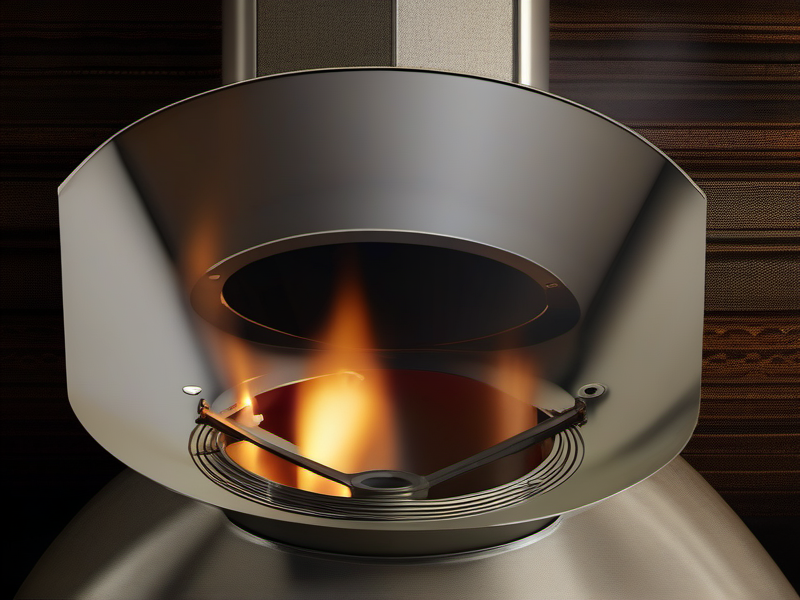
The rocket stove principle, applied to cooking, is impressive. Applied to space heating, it is transformative. The rocket mass heater (RMH) combines the rocket stove's efficient combustion with a massive thermal storage system that captures nearly all the heat from the exhaust gases and releases it slowly into a living space over hours or days.
Origins and Development
The rocket mass heater was developed in the 1980s and 1990s by Ianto Evans and Leslie Jackson at the Cob Cottage Company in Oregon, building directly on Winiarski's rocket stove principles. Evans recognized that the rocket stove's clean, high-temperature exhaust represented a stream of thermal energy that, in a cooking application, was vented to the atmosphere after passing the pot. In a heating application, that exhaust stream could be routed through a massive thermal storage medium -- earth, stone, cob, or water -- before being released to the outside.
The result was a heating system that burned 80-90 percent less wood than a conventional wood stove while providing sustained, radiant warmth for 12-24 hours after a single firing. The clean combustion produced almost no visible smoke and minimal creosote buildup in the exhaust system.
How It Works
A rocket mass heater consists of four primary components:
1. The combustion core (J-tube). Identical in principle to a rocket stove's combustion chamber: a horizontal fuel magazine connected to a vertical insulated riser. The insulated riser reaches temperatures of 600-1000 degrees Celsius, ensuring complete combustion of all volatile gases. Fuel is introduced gradually through the horizontal magazine -- typically small-diameter (1-3 inch) sticks or branches, burned tips-first. 2. The heat riser and bell (or barrel). Above the combustion riser, a metal barrel (typically a 55-gallon steel drum, inverted) serves as a bell or heat exchange chamber. The hot combustion gases rise into the top of the barrel, transferring heat to the barrel's metal walls by radiation and convection. The barrel becomes extremely hot (300-500 degrees Fahrenheit / 150-260 degrees Celsius at its surface) and radiates heat into the room during the burn.As the hot gases transfer their heat to the barrel, they cool, become denser, and sink. They exit the barrel through a flue connection at the bottom and enter the thermal mass system. This is the critical insight: the gases, having already surrendered much of their heat to the barrel, are now at a relatively low temperature (200-400 degrees Fahrenheit / 93-204 degrees Celsius) but still contain significant thermal energy.
3. The thermal mass (bench, bed, or floor). From the barrel's exhaust, the cooled gases are routed through a long horizontal duct (typically 15-30 feet of 6-inch uninsulated stovepipe) that snakes through a massive thermal storage medium. The most popular configuration is a heated bench: the exhaust duct runs through a bench built of cob (a clay-sand-straw mixture) that weighs 2,000-6,000 pounds. As the gases travel through the duct, they transfer their remaining heat to the surrounding cob mass. By the time they reach the chimney exit, they have been cooled to near-ambient temperature -- typically 60-100 degrees Fahrenheit (15-38 degrees Celsius).The cob mass absorbs this heat and releases it slowly -- over 12 to 24 hours after the fire has gone out. A person sitting on the bench feels gentle, even warmth radiating upward from below. The effect is similar to a heated floor (radiant floor heating) but without any electricity, plumbing, or mechanical systems.
4. The chimney. The exhaust gases, having surrendered nearly all their thermal energy to the barrel and the mass, exit through a short chimney. Because the gases are cool and dense at this point, the chimney need not be tall -- 6-10 feet is typical. The draft that drives the system is generated not by the chimney (as in a conventional fireplace) but by the heat differential in the combustion riser itself (the "rocket" effect).Efficiency
The rocket mass heater's total thermal efficiency -- defined as the percentage of fuel energy that is delivered as useful heat to the living space -- approaches 90 percent. Here is the energy accounting:
- Combustion efficiency (complete burn of fuel): 95-98 percent (very little unburned material leaves the firebox).
- Heat capture by barrel: approximately 50-60 percent of flue gas energy.
- Heat capture by thermal mass: approximately 30-40 percent of remaining flue gas energy.
- Heat lost through chimney: approximately 5-10 percent of total fuel energy.
Compare this to: - Open fireplace: 10-20 percent efficiency (most heat goes up the chimney). - Conventional wood stove: 40-60 percent efficiency. - High-efficiency EPA-certified wood stove: 70-80 percent efficiency. - Rocket mass heater: 85-92 percent efficiency.
In practical terms: a rocket mass heater can heat a well-insulated 1,000-square-foot home through a New England winter (5,000+ heating degree-days) on 1-2 cords of wood per year. A conventional wood stove heating the same space would require 4-6 cords. A fireplace would require 8-12 cords.
The Thermal Battery Concept
The thermal mass of a rocket mass heater functions as a thermal battery -- a system that stores energy for release over time. This is the key to its practical advantages:
- Burn time: A typical RMH firing lasts 1-3 hours. During this time, you feed small sticks into the combustion core. The fire burns hot and clean.
- Heat release time: After the fire goes out, the thermal mass continues releasing stored heat for 12-24 hours. You fire the stove once in the morning, and the bench (or bed, or floor) remains warm all day and through the night.
- Fuel requirement per firing: 20-40 pounds of small-diameter wood (equivalent to what you could carry in two armloads from the woodpile).
- Annual fuel requirement: 1-2 cords for a moderate climate. A cord of wood is 128 cubic feet -- a stack 4 feet high, 4 feet deep, and 8 feet long.
The thermal battery concept means that the heating system decouples the timing of fuel burning from the timing of heat delivery. You burn fuel when it is convenient (morning and/or evening), and the mass delivers heat continuously. This is in contrast to a conventional wood stove, which must be fired continuously to provide continuous heat.
Construction Overview
A full rocket mass heater is a substantial construction project -- not a weekend afternoon build. The thermal mass alone (the cob bench) weighs 2,000-6,000 pounds and must be supported by an adequate foundation or ground-floor slab. The project typically requires:
- Time: 2-4 weeks for a skilled builder; 4-8 weeks for a first-time builder.
- Materials: A 55-gallon barrel, approximately 30 feet of 6-inch stovepipe, firebrick for the combustion core, insulating material (perlite, vermiculite) for the riser, and approximately 2-4 cubic yards of cob material (clay soil, sand, and straw).
- Foundation: The thermal mass must be built at ground level on a concrete slab, grade beam, or reinforced earthen floor capable of supporting 120-200 pounds per square foot.
- Clearances: The barrel (which becomes very hot during firing) requires standard wood-stove clearances from combustible surfaces: 18 inches on sides, 36 inches above.
- Chimney: 6-10 feet of insulated chimney pipe, exiting through the wall or roof.
The construction is within the capability of any reasonably handy person willing to study the technique, but it should not be undertaken without thorough reading of the technical literature. The most comprehensive guide is The Rocket Mass Heater Builder's Guide by Erica and Ernie Wisner (published by New Society Publishers), which provides step-by-step instructions, dimensional drawings, and troubleshooting guidance.
Code and Permitting Issues
Rocket mass heaters exist in a regulatory gray zone in most jurisdictions. They do not fit neatly into existing building-code categories for wood-burning appliances (which assume a manufactured, UL-listed unit). Some jurisdictions classify them as masonry heaters (which they resemble in principle), while others have no applicable category.
In practice, many rocket mass heaters are built without permits in rural areas, on homesteads, and in workshops or outbuildings where code enforcement is minimal. In jurisdictions with active code enforcement, builders have successfully obtained permits by demonstrating compliance with masonry heater standards (ASTM E1602) or by working with sympathetic building officials willing to review the system on its engineering merits.
The Wisners and other RMH advocates are working to develop standardized designs that could be submitted for UL testing and code approval, but this process is ongoing.
Part IV: The Thermodynamics of Cooking
What Cooking Actually Is
To understand why the rocket stove and haybox together are so effective, you need to understand what cooking actually does at the molecular level. Cooking is not simply "applying heat." It is the acceleration of specific chemical reactions by thermal energy:
Protein denaturation: At temperatures above approximately 140 degrees Fahrenheit (60 degrees Celsius), proteins unfold from their native three-dimensional structures. This is what makes eggs solidify, meat change color, and gluten form in bread dough. The rate of denaturation increases with temperature but occurs at any temperature above the threshold. Starch gelatinization: At 150-180 degrees Fahrenheit (65-82 degrees Celsius), starch granules absorb water and swell, transforming from a crystalline to an amorphous state. This is what makes potatoes soft, rice fluffy, and sauces thicken. Collagen hydrolysis: At sustained temperatures above 160 degrees Fahrenheit (71 degrees Celsius), collagen (the tough connective tissue in meat) breaks down into gelatin. This is what makes braised meats tender. The process is time-dependent: higher temperatures accelerate it, but even moderate temperatures will accomplish it given enough time. Maillard reactions: At temperatures above 280 degrees Fahrenheit (140 degrees Celsius), amino acids and reducing sugars react to produce the brown color and complex flavors of roasted, grilled, and baked foods. This requires surface temperatures well above boiling and does not occur in boiled or stewed foods. Caramelization: At temperatures above 320 degrees Fahrenheit (160 degrees Celsius), sugars decompose and polymerize, producing the characteristic color and flavor of caramel.The key insight for haybox cooking is this: most of the chemical transformations that define "cooked food" occur at temperatures between 160 and 212 degrees Fahrenheit (71-100 degrees Celsius). A haybox maintains food in this range for hours. Therefore, a haybox cooks food. The only reactions it cannot produce are the high-temperature browning reactions (Maillard, caramelization) -- these require surface temperatures that a haybox cannot maintain. For stews, soups, beans, grains, porridges, braises, and any other wet-cooking method, the haybox is functionally equivalent to a stove -- just slower.
The Time-Temperature Equivalence
In food science, there is a well-established principle: within limits, higher temperature and shorter time produce the same result as lower temperature and longer time. A stew simmered vigorously at 200 degrees Fahrenheit for 2 hours produces a similar result to the same stew held at 180 degrees Fahrenheit for 4 hours. The chemical reactions proceed at different rates, but they reach the same endpoint.
This is the haybox principle restated in chemical terms. The food in the haybox is cooking at a temperature 10-30 degrees below the boiling point, so the reactions proceed more slowly. But given sufficient time (4-12 hours), they reach completion. And because the temperature is lower and more uniform (no hot spots on the bottom of the pot), the cooking is actually gentler -- less likely to overcook delicate ingredients, toughen proteins from excessive heat, or burn starches on the pot bottom.
Professional chefs use this principle routinely in the form of sous vide cooking -- holding food at precisely controlled temperatures for extended periods. The haybox is, in effect, a zero-energy sous vide system.
Part V: Fuel and Resource Analysis
What Can a Rocket Stove Burn?
The rocket stove's high combustion temperature means it can cleanly burn fuels that would produce excessive smoke in an open fire:
- Dry hardwood: The optimal fuel. Dense, high energy content, burns cleanly.
- Dry softwood: Burns faster and slightly less cleanly, but perfectly acceptable.
- Twigs and small branches: The ideal rocket stove fuel -- dry, small-diameter (pencil-thick to thumb-thick), and available everywhere.
- Bamboo: Excellent rocket stove fuel -- high energy density, fast-burning, widely available in tropical regions.
- Dried corn cobs: A free waste product on any farm that grows corn.
- Pine cones: Abundant in coniferous forests. Burn hot and fast.
- Cardboard and paper: Will burn in a rocket stove, but provide less sustained heat than wood. Useful as starter fuel.
- Dried animal dung: Common fuel in many developing-world contexts. Burns better in a rocket stove than in an open fire due to the higher combustion temperature.
- Compressed sawdust or wood pellets: If available, these are near-ideal rocket stove fuels -- consistent density, low moisture, high energy content.
The Fuel-Gathering Equation
One of the rocket stove's most significant practical benefits is the reduction in fuel-gathering labor. In much of the developing world, women and children spend 1-4 hours daily gathering firewood for cooking. This is not a minor inconvenience; it is a major constraint on education, economic activity, and quality of life.
A rocket stove reduces wood consumption by 40-50 percent. Combined with a haybox, total fuel consumption drops by 85-95 percent. A family that previously gathered 6 pounds of wood daily for cooking now needs only 0.5-1 pound -- the amount of small sticks that can be gathered in 5-10 minutes from any wooded area.
In the developed world, the equation is different but still meaningful. A household cooking exclusively with a rocket stove and haybox (no gas or electric stove) could cook all meals for a year on approximately 150-250 pounds of small-diameter dry wood -- an amount that most rural properties produce as natural deadfall without any deliberate harvesting.
Part VI: Historical Parallels and Lost Knowledge
The Roman Hypocaust
Winiarski acknowledged that the rocket stove principle was not new -- it was a rediscovery. The Roman hypocaust, developed in the 1st century BCE, used an identical thermodynamic strategy for space heating: fuel was burned in an insulated firebox, and the hot gases were channeled through passages beneath a masonry floor (and sometimes through hollow walls) before exiting through a chimney. The massive masonry absorbed the heat and released it slowly into the room above.
A Roman bath heated by a hypocaust could maintain comfortable temperatures for hours after the fire was extinguished -- exactly the thermal-battery behavior of a modern rocket mass heater. The Romans did not have the vocabulary of thermodynamics, but they had the empirical knowledge of heat transfer, and they applied it with extraordinary sophistication.
The Korean Ondol
The Korean ondol (literally "warm stone") heating system has been in continuous use for at least 2,000 years. It uses the same principle: fuel burned in an external firebox produces hot gases that flow through channels beneath a stone floor before exiting through a chimney at the far end of the room. The stone floor absorbs the heat and radiates it upward into the living space.
The ondol is, functionally, a rocket mass heater without the rocket combustion efficiency. The principle of thermal mass is identical; the difference is that traditional ondol fires were open or partially enclosed, burning less efficiently than a true rocket combustion core. A modern ondol retrofitted with a rocket J-tube combustion system would combine ancient Korean wisdom with 20th-century Oregon engineering.
The Kachelofen
The central European Kachelofen (tile stove) -- used for centuries in Germany, Austria, Switzerland, and Scandinavia -- is a masonry stove of enormous thermal mass (typically 2,000-8,000 pounds of ceramic tile and brick) that is fired once or twice daily with a relatively small amount of wood. The combustion gases pass through a labyrinthine internal channel system (sometimes 20-30 feet of ducting within the stove body) before exiting through the chimney, surrendering nearly all their heat to the surrounding masonry.
A well-built Kachelofen maintains comfortable room temperatures for 12-24 hours from a single firing of 30-50 pounds of wood. Its efficiency (70-85 percent) approaches that of a rocket mass heater. The key difference is that the Kachelofen uses a conventional firebox (less efficient combustion than a rocket J-tube) but compensates with an extremely long internal gas path (greater heat extraction).
Part VII: Practical Integration -- The Complete System
Designing a Kitchen Around Slow Heat
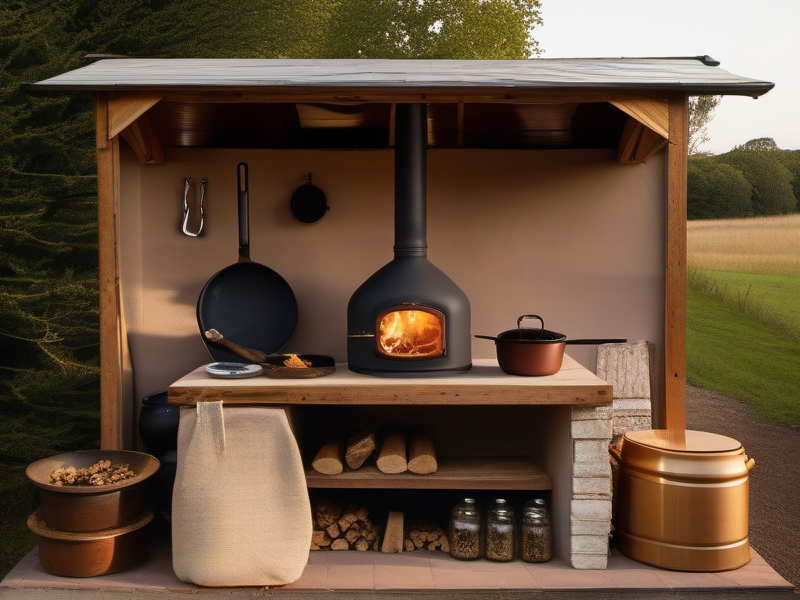
The integrated rocket-stove-plus-haybox kitchen looks nothing like a modern kitchen. There is no gas line. No electrical connection (for cooking -- lighting is separate). No standing pilot flame. No thermostat. Instead:
The rocket stove occupies a central position, built into a counter or worksurface. It is used for: - Bringing pots to a boil (5-15 minutes) - Stir-frying and sauteing (high-heat, fast cooking) - Boiling water for tea, coffee, and dishwashing - Heating canning kettles and water-bath canners The haybox sits nearby -- either a dedicated insulated chest built into the cabinetry, or a portable insulated container that can be carried to the table. It handles: - All slow-cooked foods: stews, braises, beans, grains, soups - Porridge (set up the night before, ready at breakfast) - Stocks and broths (12-hour extraction with zero fuel) - Yogurt making (warm milk inoculated with culture, held in haybox at 110 degrees Fahrenheit for 8-12 hours) The rocket mass heater (if climate requires space heating) combines cooking and heating functions. Many RMH designs include a cooking surface above the barrel, allowing the burn session to serve dual purposes: heating the thermal mass for all-day warmth while simultaneously heating dinner.A Day in the Slow-Heat Kitchen
5:30 AM: Light the rocket stove. Boil water for coffee (3 minutes). Open the haybox to retrieve this morning's oatmeal (set up last night: oats + water brought to a boil, placed in haybox at 9 PM, now perfectly cooked porridge at 5:30 AM with zero morning fuel use). 6:00 AM: Use the hot rocket stove to bring a pot of bean soup to a boil for tonight's dinner. Boil vigorously for 10 minutes. Transfer to the haybox. Total fuel used: one small armload of sticks. Dinner is now cooking itself, unattended, with zero fuel input, for the next 10 hours. 12:00 PM: The rocket stove is cold and unused. Lunch is bread, cheese, and pickles -- nothing requiring cooking. The haybox continues working, silently. 5:30 PM: Open the haybox. The bean soup is perfectly cooked -- tender beans, rich broth, melded flavors. Transfer to serving bowls. Light the rocket stove briefly to heat bread and boil water for evening tea (5 minutes, a few twigs). 9:00 PM: Before bed, bring tomorrow morning's porridge pot to a boil on the rocket stove (5 minutes). Transfer to the haybox. Close the haybox. Go to sleep. Total fuel used for the day: Three brief rocket stove firings, consuming perhaps 2-3 pounds of small sticks total. All meals cooked. No electricity consumed for cooking. No gas consumed. No standing pilot flame. No monthly utility bill for cooking energy.Part VIII: Safety and Common Failures
The Three Ways a Rocket Stove Fails
Understanding failure modes is as important as understanding design principles:
Failure Mode 1: Wet fuel. This is responsible for approximately 80 percent of all rocket stove complaints. Fuel with moisture content above 20 percent cannot sustain the high combustion temperatures required for clean burn. The energy that should be heating your pot is instead consumed evaporating water from the fuel. Symptoms: excessive smoke, difficulty sustaining flame, black soot on pot bottom, low heat output. Solution: use only fuel that has been dried for at least 6 months under cover, or that snaps cleanly when bent (green wood bends; dry wood snaps). Failure Mode 2: Overloading the feed tube. The instinct to "build a big fire" must be overcome. A rocket stove is designed to burn small amounts of fuel at very high temperature. Stuffing the feed tube with a large bundle of sticks smothers the air supply, drops the combustion temperature, and produces smoke. The stove performs best when only the tips of 3-5 thin sticks (pencil-to-thumb diameter) are burning at any given time. Feed continuously, not in batches. Failure Mode 3: Inadequate insulation. A combustion riser that is not properly insulated will never reach the temperatures needed for complete combustion. Metal-can stoves without insulating fill are common in online tutorials but perform poorly -- the metal conducts heat away from the combustion zone, reducing efficiency and increasing smoke. Even 1 inch of perlite, vermiculite, or wood ash between the inner riser and outer shell makes a dramatic difference in performance.Carbon Monoxide Safety
Any combustion device produces carbon monoxide (CO) during transient phases -- startup, fuel addition, and burndown. A well-designed rocket stove operating at steady state produces minimal CO (below 10 ppm at the exhaust), but the transient peaks can reach 100-500 ppm. This is safe outdoors (where CO disperses immediately) but potentially hazardous indoors.
For indoor use (including rocket mass heaters), the exhaust system must be sealed and vented to the exterior with zero leakage. All joints must be sealed with high-temperature silicone or refractory cement. A battery-operated CO detector should be installed in any room containing a rocket combustion device. These are standard precautions for any wood-burning appliance, not unique to rocket stoves.
Fire Safety
The barrel of a rocket mass heater reaches 300-500 degrees Fahrenheit during operation -- hot enough to ignite paper, cloth, or untreated wood within contact distance. Maintain 18-inch clearances from all combustible surfaces (walls, furniture, curtains) around the barrel. The thermal mass (cob bench) remains at moderate temperatures (80-110 degrees Fahrenheit at the surface) and does not present a fire hazard.
The combustion core itself reaches temperatures well above the ignition point of any common material. It must be constructed entirely of non-combustible materials: firebrick, refractory cement, steel, and mineral insulation. No wood, plastic, or organic material should be within 6 inches of the combustion core.
Part IX: The Math of Independence
Energy Accounting
The average American household consumes approximately 50 million BTUs per year for cooking and water heating combined. At current natural gas prices ($1.00-1.50 per therm, or per 100,000 BTU), that represents $500-750 per year in gas costs.
A rocket stove plus haybox system, cooking all meals and heating all domestic hot water, would consume approximately: - 300-500 pounds of dry wood per year for cooking - 500-1000 pounds of dry wood per year for water heating (via a rocket-stove-heated batch system) - Total: 800-1500 pounds of wood per year, or approximately 0.3-0.6 cord
A cord of firewood, purchased delivered and split, costs $200-400 in most markets. Self-harvested from property deadfall, it costs nothing but labor.
Annual cost comparison: - Conventional gas cooking + water heating: $500-750/year - Rocket stove/haybox system (purchased wood): $75-150/year - Rocket stove/haybox system (self-harvested): $0/yearThe payback period for building a rocket stove (cost: $0-50 in materials) and a haybox (cost: $0-30 in materials) is measured in weeks, not years.
Carbon Accounting
Wood burning is often criticized as a source of carbon emissions. This criticism misunderstands the carbon cycle. A tree that grows, dies, and decomposes releases the same amount of CO2 as a tree that grows, is harvested, and is burned. The carbon in wood biomass was sequestered from the atmosphere during the tree's growth; burning it returns that carbon to the atmosphere. This is a closed cycle -- unlike fossil fuels, which release carbon that was sequestered millions of years ago and would otherwise have remained underground indefinitely.
Furthermore, the rocket stove's near-complete combustion means that the carbon is released almost entirely as CO2 (a greenhouse gas but not a pollutant) rather than as CO (a toxic pollutant), particulates (a health hazard), or methane (a potent greenhouse gas). An efficient rocket stove has a smaller health and environmental impact per unit of useful heat than an inefficient wood fire -- and a smaller fossil-carbon impact than a gas or electric stove powered by fossil fuels.
Part IX: The Wisdom of Slow Heat
What We Lost
The twentieth century's energy abundance taught us to treat heat as instantaneous and disposable. Turn a knob, get flame. Flip a switch, get heat. No planning. No preparation. No understanding of the physics required. The convenience is genuine, but it comes at a cost beyond the monthly utility bill.
We lost the knowledge of how heat moves. We lost the intuition for thermal mass -- the understanding that a massive object, once heated, stays warm for a long time, and that this property can be harnessed rather than fought. We lost the practice of planning meals around the rhythms of a fire rather than the rhythms of a clock. We lost the satisfaction of a meal that cooked itself while we slept, using energy stored in a pot wrapped in straw.
Most importantly, we lost resilience. A kitchen that depends on the grid is a kitchen that goes dark when the grid fails. A kitchen built around a rocket stove and a haybox works regardless of what happens to the power lines, the gas pipelines, or the global energy market. It works because it depends on physics and geometry, not on infrastructure.
What Can Be Recovered
Every technology described in this article can be built by a single person in a single weekend (except the rocket mass heater, which takes a few weeks). The materials are universally available. The designs are in the public domain. The physics is immutable.
A rocket stove, a haybox, and a supply of small-diameter dry wood: this is a complete cooking system. It costs nearly nothing to build. It costs nearly nothing to operate. It works in any climate. It produces no waste, no pollution, and no monthly bill. And it cooks food that is, by all accounts, as good as or better than food cooked by any other method.
The thermodynamics that our grandfathers knew without writing them down are still true. They do not expire. They do not require a subscription. They do not need firmware updates. They need only to be remembered, built, and used.
Light the fire. Watch the twigs disappear into the throat of the J-tube. Hear the roar of air being drawn through the combustion zone. See the shimmer of clean exhaust rising from the top of the riser -- not smoke, but heat. Boil the pot. Wrap it in hay. Walk away.
Physics will do the rest.
References
- Winiarski, Larry. "Rocket Stove Design Principles." Aprovecho Research Center, Cottage Grove, Oregon, 1982. http://bioenergylists.org/stovesdoc/Still/Rocket%20Stove/Principles.html
- "Remembering Dr. Larry Winiarski." Aprovecho Research Center, 2023. https://aprovecho.org/rocket-stoves/remembering-dr-larry-winiarski/
- "Improving Stove Performance." Aprovecho Research Center. https://aprovecho.org/portfolio-item/improving-stoves/
- Bryden, M., Still, D., Scott, P., et al. Design Principles for Wood Burning Cook Stoves. Aprovecho Research Center / Shell Foundation / US EPA, 2006.
- "Haybox." Wikipedia. Accessed May 2026. https://en.wikipedia.org/wiki/Haybox
- "Fireless Cooking Has A Long History." Aprovecho Research Center. https://aprovecho.org/fuel-efficiency/fireless-cooking-has-a-long-history/
- Wisner, Erica, and Wisner, Ernie. The Rocket Mass Heater Builder's Guide: Complete Step-by-Step Construction, Maintenance and Troubleshooting. Gabriola Island, BC: New Society Publishers, 2016.
- Evans, Ianto, and Jackson, Leslie. Rocket Mass Heaters: Superefficient Woodstoves YOU Can Build. Coquille, OR: Hand Print Press, 2007.
- "Rocket stove." Wikipedia. Accessed May 2026. https://en.wikipedia.org/wiki/Rocket_stove
- "Rocket mass heater." Wikipedia. Accessed May 2026. https://en.wikipedia.org/wiki/Rocket_mass_heater
- Jetter, J.J., Kariher, P. "Solid-fuel household cook stoves: characterization of performance and emissions." Biomass and Bioenergy 33, 294-305 (2009).
- MacCarty, N., Ogle, D., Still, D., et al. "A laboratory comparison of the global warming impact of five major types of biomass cooking stoves." Energy for Sustainable Development 12, 56-65 (2008).
- "Fires of the future: Meet the Oregon innovators fighting global pollution with rocket stoves." Planet Forward, Georgetown University. https://planetforward.org/story/fires-of-the-future-meet-the-oregon-innovators-fighting-global-pollution-with-rocket-stoves/
Comments (0)
No comments yet.
Log in to comment.