The Lie of Standardization: Why Powdered Herbs from the Supermarket Cannot Replace Fresh Raw Materials
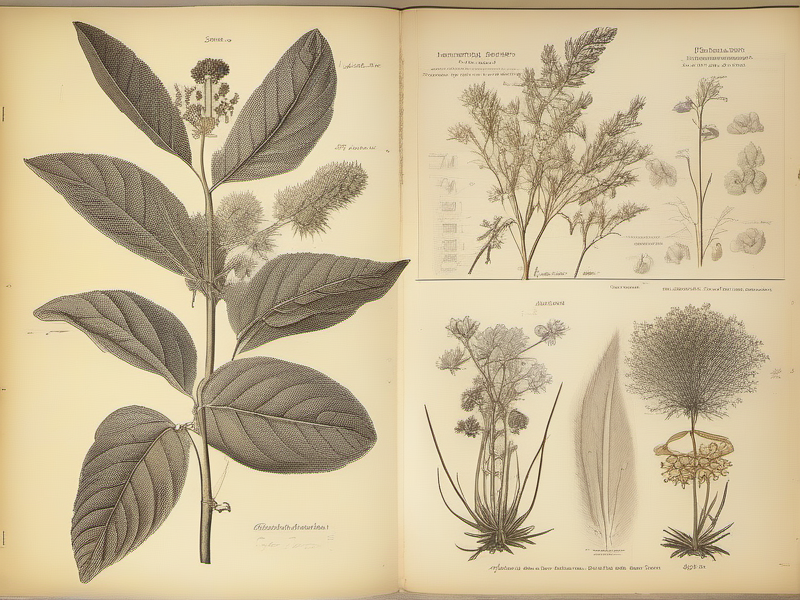
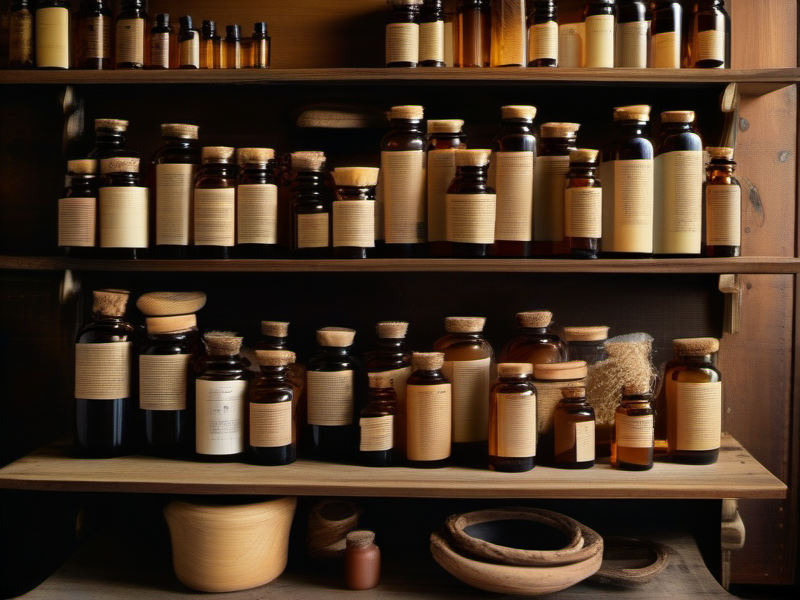
Walk into any pharmacy, health food store, or supermarket supplement aisle in the industrialized world, and you will find a wall of amber bottles containing powdered herbs. Each bottle bears a label declaring a standardized percentage of some marker compound -- 0.3% hypericin in St. John's Wort, 95% curcuminoids in turmeric, 0.8% valerenic acid in valerian. The label implies precision. It implies science. It implies that what is inside the bottle is equivalent to the plant it came from, just measured and controlled.
It is a lie. Not a lie of malice, necessarily, but a lie of reduction -- the same kind of lie that says a photograph of a forest is a forest. The bottle contains a chemical shadow of the original plant, and the standardization number on the label tells you almost nothing about whether that shadow retains any of the biological activity that made the plant worth studying in the first place.
This article is about the distance between a living plant and the powder in that bottle. It is about what happens to a plant's chemistry when you dry it, grind it, and store it. It is about why the supplement industry chose to measure one molecule and ignore two hundred others. And it is about the practical methods -- some of them centuries old -- that preserve what the industry destroys.
The data is not ambiguous. Drying destroys 30 to 70 percent of volatile terpenes within the first week. Grinding exposes flavonoids to oxidation that begins within seconds of contact with air. Storage at room temperature continues the degradation for every day the product sits on a shelf. And standardization to a single marker compound has been shown, repeatedly, to have no predictive correlation with biological activity.
The supplement industry has built a $65 billion annual market on a model of convenience that is incompatible with the chemistry of living plants. What follows is the evidence.
Part I: What a Plant Actually Is
Before we can discuss what is lost, we must understand what exists. A medicinal plant is not a container for a single active ingredient. It is a biochemical factory producing hundreds of compounds simultaneously, many of which exist in dynamic equilibrium with each other and change their concentrations by the hour in response to light, temperature, soil moisture, microbial interactions, and herbivore pressure.
The Chemical Complexity
Consider a single species: Hypericum perforatum, St. John's Wort. This plant, which the supplement industry reduces to a number on a label -- "standardized to 0.3% hypericin" -- contains, at the time of harvest, a minimum of the following compound classes [1][2]:
Naphthodianthrones: Hypericin and pseudohypericin -- the red-pigmented compounds historically used as the standardization marker. Total content in fresh aerial parts: 0.06-0.40% by dry weight. Phloroglucinol derivatives: Hyperforin and adhyperforin -- now recognized as the primary antidepressant constituents. Content in fresh material: 2-5% of dry weight. Hyperforin is chemically unstable and degrades rapidly upon exposure to light and oxygen [3]. Flavonoids: Rutin, hyperoside, isoquercitrin, quercitrin, quercetin, amentoflavone, and at least eight additional flavonoid glycosides. Total flavonoid content: 2-4% of dry weight. These compounds contribute to the antidepressant effect synergistically -- rutin alone shows no antidepressant activity, but in combination with other St. John's Wort constituents, it significantly enhances the effect [4]. Essential oil: A complex mixture of monoterpenes and sesquiterpenes, including alpha-pinene, beta-pinene, myrcene, limonene, caryophyllene, and 2-methyloctane. The essential oil constitutes 0.05-0.90% of the fresh plant weight. Phenolic acids: Chlorogenic acid, caffeic acid, and related compounds. Tannins: Proanthocyanidins (catechin and epicatechin oligomers) at 6-15% of dry weight. Xanthones: Including 1,3,6,7-tetrahydroxyxanthone.That is a minimum of seven major compound classes containing over 150 individually identified molecules [1]. The antidepressant effect that has been demonstrated in over 30 clinical trials is produced by the interaction of these compounds. It is not produced by hypericin alone. It is not produced by hyperforin alone. It is produced by the matrix.
And here is the problem: the industry standardizes to hypericin -- a compound that is now known not to be the primary active antidepressant constituent [3]. The actual antidepressant compound, hyperforin, is unstable and degrades during processing. So the standardization marker measures a compound that is not primarily responsible for the therapeutic effect, while the compound that is responsible is destroyed before the product reaches the shelf.
This is not an exception. This is the rule.
The Turmeric Case
The turmeric industry provides an equally damning example. Commercial turmeric supplements are standardized to "95% curcuminoids" -- curcumin, demethoxycurcumin, and bisdemethoxycurcumin. These are the yellow pigments that give turmeric its color. They are extracted, concentrated, and sold as though they are turmeric.
They are not turmeric.
The whole turmeric rhizome contains, in addition to curcuminoids, a volatile essential oil constituting 3-7% of the rhizome's dry weight. This oil is composed primarily of ar-turmerone, alpha-turmerone, and beta-turmerone, along with smaller amounts of zingiberene, curlone, and other sesquiterpenes [5]. When you standardize to 95% curcuminoids, you have removed virtually all of this essential oil.
Research published in Molecules in 2024 documented what the oil actually does: ar-turmerone demonstrates independent anti-inflammatory, antimicrobial, neuroprotective, antioxidant, and anticancer properties. But the clinically significant finding is that turmeric essential oil serves as a bioavailability enhancer of curcumin itself [5][6]. Multiple clinical studies have shown that formulations combining curcumin with turmeric essential oil produce significantly higher plasma curcumin levels than curcumin alone. The oil is not an inert carrier. It is an active pharmaceutical component that also increases the efficacy of the compound it was separated from.
A "95% curcuminoid" supplement has been stripped of the very compound that makes curcumin work in the body. The standardization process does not preserve the medicine. It dismantles it.
The Scope of the Problem
A landmark study published in the Journal of Ethnopharmacology by Gafner and Bergeron (2016) examined the relationship between marker compound content and biological activity across multiple herbal species. Their conclusion was unequivocal: "A marker compound is often not the biologically active component of a plant and therefore the level of such a marker compound does not necessarily correlate with biological activity or therapeutic efficacy" [7].
The study found that for numerous commercially standardized herbs, including ginkgo, echinacea, and black cohosh, the selected marker compounds had no predictive relationship with the measured biological endpoints. A product could pass standardization testing with flying colors while possessing zero therapeutic activity. Conversely, a product that failed standardization for the chosen marker might contain all of the biologically active compounds in abundance.
The authors noted that the assayed markers "must be considered as purely analytical markers without correlation to quality or efficacy" [7]. In other words, the number on the label is for the laboratory's convenience, not for the patient's benefit.
Part II: What Drying Destroys
The conversion of a fresh plant to a dried powder begins with harvest and ends, weeks or months later, on a warehouse shelf. At every stage, biologically active compounds are lost. The losses are not minor. They are, for certain compound classes, catastrophic.
Terpene Evaporation: The First 48 Hours
Terpenes are the volatile aromatic compounds responsible for the characteristic smell of most medicinal herbs. They are also, in many cases, the primary bioactive constituents. Linalool, myrcene, alpha-pinene, limonene, caryophyllene, bisabolol -- these are not fragrance molecules. They are pharmacological agents with demonstrated anti-inflammatory, anxiolytic, antimicrobial, and analgesic properties [8].
They are also the first compounds to disappear.
Terpenes are classified by molecular weight. Monoterpenes (C10, molecular weight ~136 g/mol) are the lightest and most volatile. Sesquiterpenes (C15, ~204 g/mol) are heavier and somewhat more stable. Diterpenes (C20, ~272 g/mol) are the least volatile but also the least common in essential oils.
The volatility hierarchy determines the order of loss during drying:
Monoterpene losses during standard air drying [9][10]:- Beta-myrcene: 55% loss after one week of drying. This is one of the most common terpenes in medicinal herbs, present in hops, lemongrass, thyme, bay laurel, and cannabis. It has demonstrated analgesic and anti-inflammatory activity.
- Alpha-pinene and beta-pinene: 30-45% loss in the first week. These are the primary terpenes in rosemary, sage, and juniper.
- Limonene: 25-40% loss in the first week. Dominant terpene in citrus-family herbs and present in significant quantities in peppermint and spearmint.
- After 1 week of air drying: 31% total terpene loss
- After 1 month of storage: 44.8% total terpene loss
- After 3 months of storage: 55.2% total terpene loss
These numbers represent average losses across all terpene classes. For individual monoterpenes, the losses are worse. Beta-myrcene, being the most volatile of the common medicinal terpenes, can lose 70-80% of its initial concentration within three months of air drying at ambient temperature [10].
Temperature-dependent losses [9]:Research on drying temperature and terpene retention shows a clear inverse relationship:
- Ambient temperature drying (~20-25C): 82.1% total terpene retention
- 40C drying: 65-70% retention
- 60C drying: 45-55% retention
- 90C drying: 29.9% retention
At 90C -- a temperature commonly used in commercial drying operations where speed is prioritized over quality -- nearly 70% of all terpenes are lost.
The boiling points of common medicinal terpenes tell the story directly [11]:
| Terpene | Boiling Point | Medicinal Activity |
|---|---|---|
| Beta-myrcene | 167C (333F) | Analgesic, anti-inflammatory |
| Limonene | 176C (349F) | Anxiolytic, gastroprotective |
| Linalool | 198C (388F) | Anxiolytic, sedative |
| Alpha-pinene | 155C (311F) | Anti-inflammatory, bronchodilator |
| Beta-caryophyllene | 266C (511F) | CB2 agonist, anti-inflammatory |
Any drying process that raises internal plant tissue temperature above 155C will volatilize alpha-pinene. Above 167C, myrcene is gone. Even at temperatures well below the boiling point, terpenes evaporate steadily -- they have significant vapor pressure at ambient temperature, which is why you can smell herbs from across a room. Every molecule you smell is a molecule that has left the plant and will never return.
The implications for commercially dried herbs are severe. A dried chamomile flower purchased from a bulk herb supplier has lost, at minimum, 30-55% of its bisabolol and chamazulene content compared to the fresh flower. A dried peppermint leaf has lost 25-40% of its menthol. Dried lavender has lost 30-50% of its linalool. These are not minor adjuncts. They are the therapeutic agents.
The Valerian Problem: A Case Study in Volatility
Valerian (Valeriana officinalis) provides a particularly instructive example. The plant contains two major classes of sedative compounds: valerenic acid (a sesquiterpene acid, relatively stable) and valepotriates (iridoid esters, extremely unstable) [12].
Fresh valerian root contains significant concentrations of valepotriates -- compounds with demonstrated sedative and anxiolytic activity that act through GABA receptor modulation. Valepotriates are so unstable that they begin decomposing immediately upon harvest. They are destroyed by heat, by drying, and by storage. A dried valerian root powder contains virtually zero valepotriates. The compound class has been completely eliminated by the time the product reaches the consumer [12].
Meanwhile, valerenic acid -- the compound that survives drying -- undergoes its own degradation during storage. Research published in Food Chemistry demonstrated that valerenic acid concentration decreases significantly over time during storage, with the greatest losses occurring at 30C and low humidity, where 50-70% of valerenic acid content can be lost over a six-month storage period [13].
The consumer who purchases a standardized valerian capsule is receiving a product that: 1. Contains zero valepotriates (destroyed during drying) 2. Contains significantly reduced valerenic acid (degraded during storage) 3. Contains a small fraction of the original essential oil (evaporated during drying) 4. Is standardized to a marker (valerenic acid) whose concentration does not reflect the current state of degradation
The clinical trial that demonstrated valerian's efficacy used a specific extract preparation. The capsule on the shelf may bear no chemical resemblance to that extract.
What Drying Does to Enzymes
Fresh plants contain active enzymes that participate in their therapeutic effects. Polyphenol oxidases, peroxidases, lipases, and proteases are all present in fresh plant tissue and contribute to the biochemical activity that makes the plant medicinal.
Drying denatures enzymes. This is a fundamental biochemistry principle: proteins unfold and lose their three-dimensional structure when water is removed. The process is irreversible for most enzymes at temperatures above 40-50C [14].
Consider fresh aloe vera gel. The gel contains active enzymes including bradykinase (an anti-inflammatory protease), alkaline phosphatase, amylase, lipase, carboxypeptidase, and catalase. These enzymes contribute directly to aloe's wound-healing and anti-inflammatory properties. Dried aloe vera powder retains the polysaccharides (acemannan) but has lost all enzymatic activity. It is a different substance with a different pharmacological profile [15].
This enzymatic death applies across the botanical pharmacopoeia. Fresh garlic contains alliinase, the enzyme that converts alliin to allicin -- the compound responsible for garlic's antimicrobial and cardiovascular effects. Crush a fresh garlic clove and alliinase immediately produces allicin. Open a capsule of dried garlic powder and that enzymatic conversion is impaired or absent -- the alliinase has been denatured by drying [16]. Enteric-coated garlic capsules attempt to work around this by protecting the powder until it reaches the small intestine, where remaining enzyme activity and gut enzymes may complete the conversion. But the efficiency is drastically reduced compared to fresh garlic consumed raw.
Part III: What Grinding Destroys
If drying is the first assault on a plant's chemistry, grinding is the second. And it operates through a different mechanism: not evaporation, but oxidation.
The Surface Area Problem
When you grind a whole herb into powder, you exponentially increase its surface area. A whole dried chamomile flower might have an exposed surface area of 2-3 square centimeters. Ground to a fine powder (particle size 100 microns), the same mass of material now has a surface area measured in square meters. Every newly exposed surface is a site of contact with atmospheric oxygen.
The oxidation that follows is immediate and continuous.
Flavonoid Oxidation
Flavonoids -- quercetin, rutin, kaempferol, catechins, anthocyanins, and their hundreds of glycosidic derivatives -- are among the most therapeutically important compound classes in plant medicine. They are responsible for anti-inflammatory, antioxidant, antiviral, cardioprotective, and neuroprotective effects demonstrated in thousands of studies [17].
Flavonoids are also exquisitely sensitive to oxidation. The canonical mechanism of flavonoid antioxidant action relies on the high susceptibility of their phenolic hydroxyl groups to undergo oxidation. When a flavonoid encounters a reactive oxygen species, it donates a hydrogen atom from one of these phenolic groups, neutralizing the free radical but oxidizing the flavonoid in the process [17]. In a living plant, this reaction is controlled and regenerative -- the plant continuously produces fresh flavonoids to replace those consumed in antioxidant defense.
In a ground powder exposed to air, there is no regeneration. The flavonoids oxidize and are consumed. The antioxidant capacity of the preparation steadily declines.
Research published in Antioxidants (2022) demonstrated that the oxidation of flavonoids follows complex pathways that can produce both less active and occasionally more active products, but the net effect in most cases is a severe compromise of the original antioxidant capacity [17]. The oxidized products -- flavonoid quinones, dimers, and oligomers -- are structurally distinct from the parent compounds and do not necessarily retain the same pharmacological profile.
Essential Oil Oxidation in Ground Material
When whole herbs are ground, the cellular structures that sequester essential oils -- trichomes, oil glands, secretory cells, and resin ducts -- are ruptured. The essential oil compounds, previously protected within intact cellular compartments, are now exposed to oxygen, light, and heat simultaneously.
Research on grinding methods published in Chemical Papers found that all grinding processes reduced monoterpene content and altered the essential oil profile, with the severity of the alteration depending on the mechanical violence of the grinding method [18]. Knife mills (which cut plant material) preserved essential oil composition better than ball mills or hammer mills (which crush and pulverize it), because cutting ruptures fewer cellular oil compartments than crushing.
The practical implication: a coarsely chopped herb retains more of its essential oil than a finely ground powder. The industry preference for fine powders (because they fill capsules uniformly and dissolve predictably) directly contradicts the chemistry of preservation.
The Oxidation Timeline
The degradation of a ground herbal powder is not instantaneous, but it is fast:
- Within minutes: Volatile monoterpenes begin evaporating from newly exposed surfaces. Enzymatic reactions (if any enzyme activity survived drying) begin consuming substrates.
- Within hours: Oxidation of flavonoids and other polyphenols is measurable by spectrophotometry. Color changes -- browning, fading -- become visible.
- Within days: Essential oil content drops measurably. Volatile terpene concentration may fall by 10-20% in the first week after grinding, on top of losses already incurred during drying.
- Within weeks: Cumulative oxidation has reduced total antioxidant capacity by 15-30% compared to the freshly ground material.
- Within months: The powder in the bottle may retain 50-70% of the antioxidant capacity and 20-50% of the volatile terpene content of the original fresh plant material [9][10][19].
And all of this assumes ideal storage conditions: sealed container, cool temperature, dark environment. On a retail shelf under fluorescent lighting at 22-25C, the degradation accelerates.
Part IV: The Standardization Fraud
We now arrive at the central deception. After drying has evaporated the terpenes and grinding has oxidized the flavonoids, the industry performs a final act of misdirection: it measures one compound, prints a number on the label, and calls it quality control.
What Standardization Actually Means
Standardization in the herbal supplement industry means adjusting the concentration of a single selected marker compound to a predetermined level. This is typically achieved by blending batches of varying potency, adding concentrated extracts, or diluting with inert filler material.
The marker compound is chosen for analytical convenience, not therapeutic relevance. An ideal marker compound from the manufacturer's perspective has the following properties [7]:
- It is stable enough to survive processing and storage
- It is easily quantified by standard analytical methods (HPLC, UV spectrophotometry)
- It is relatively specific to the plant species (to distinguish from adulterants)
- It is present in consistent, measurable quantities
Notice what is absent from this list: it must be therapeutically active. The marker compound is not required to have any relationship to the herb's medicinal effect. It is a quality control tag, not a measure of potency.
Case Studies in Misleading Standardization
St. John's Wort -- Standardized to the wrong compound: As discussed above, the industry standard is 0.3% hypericin. But hypericin is now known not to be the primary antidepressant constituent. Hyperforin, the actual active compound, degrades by 50-80% during commercial processing and storage [3]. A product can be perfectly standardized to 0.3% hypericin while containing negligible hyperforin. The consumer receives a product that passes quality control and fails pharmacology. Echinacea -- Standardized to a non-specific marker: Echinacea products are variously standardized to phenolic acids (cichoric acid, caftaric acid), alkylamides, or polysaccharides, depending on the manufacturer. There is no industry consensus on which marker to use because no single compound has been definitively identified as the sole active constituent. Different standardization markers lead to products with radically different chemical profiles, all labeled "standardized echinacea" [7]. Ginkgo biloba -- Standardized to flavonol glycosides: The standard is 24% flavonol glycosides and 6% terpene lactones. But the specific flavonol glycoside profile varies between extracts, and the terpene lactone ratio (ginkgolides A, B, C, J, and bilobalide) varies as well. Two products meeting the same standardization criteria can have different pharmacological profiles because the standardization numbers do not capture the compound ratios [7]. Turmeric -- Standardized to curcuminoids with oil removed: As detailed above, removing the essential oil to achieve 95% curcuminoid concentration eliminates the bioavailability enhancer that makes curcumin therapeutically useful [5][6]. Valerian -- Standardized to a degrading compound: Valerenic acid degrades 50-70% over six months of storage at room temperature [13]. The standardization value on the label reflects the concentration at the time of manufacture, not at the time of consumption. There is no requirement to retest.The Fingerprinting Alternative
Researchers in phytochemistry have proposed an alternative to single-marker standardization: chromatographic fingerprinting. This technique evaluates the entire chemical profile of an herbal preparation -- producing a chromatogram that functions as a unique "fingerprint" of the complete phytochemical matrix [20].
A fingerprint approach captures the complexity that single-marker standardization ignores. It can detect the presence or absence of synergistic compound classes, identify degradation products, reveal adulteration, and provide a holistic assessment of quality. Research published in Frontiers in Pharmacology described fingerprinting as a paradigm shift "towards holistic, multi-marker approaches that can capture the entire phytochemical matrix and its biological relevance" [20].
The technology exists. The analytical methods are validated. The barrier is not scientific -- it is economic. Fingerprint-based quality control is more expensive and more complex than single-marker HPLC. It requires reference standards for multiple compounds and trained personnel to interpret chromatograms. The supplement industry, operating on thin margins and selling commodified products, has not adopted it.
The consumer pays the price.
Part V: The Entourage Effect -- Why the Whole Plant Matters
The term "entourage effect" was introduced in 1998 by Israeli researchers Raphael Mechoulam and Shimon Ben-Shabat to describe the observation that isolated cannabinoids produce weaker biological effects than whole-plant cannabis extracts containing the same cannabinoid concentrations [21]. The concept has since been extended to describe synergistic interactions in numerous other plant species, though it remains most extensively studied in cannabis.
Evidence for Synergy Across Species
The principle that whole-plant preparations outperform isolated compounds is not a hypothesis. It is a repeatedly observed phenomenon across multiple botanical species:
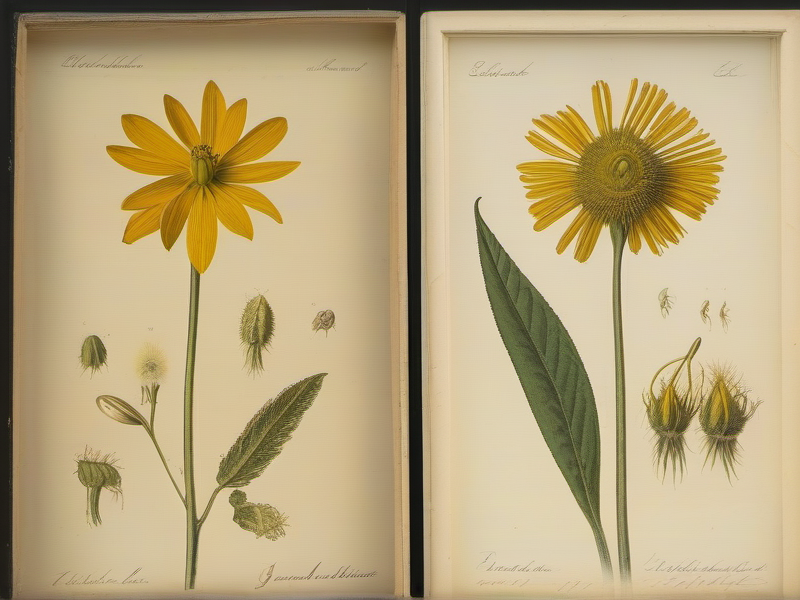
St. John's Wort: Rutin, a ubiquitous flavonoid present in St. John's Wort, demonstrates no antidepressant activity when tested alone. But when combined with other St. John's Wort constituents, it significantly enhances the antidepressant effect [4]. The whole extract is more than the sum of its measurable parts. Turmeric: Whole turmeric extract containing both curcuminoids and turmerones produces stronger anti-inflammatory effects and higher bioavailability than isolated curcuminoids [5][6]. The essential oil is not merely an aromatic byproduct -- it is a functional pharmaceutical component. Cannabis: A clinical trial by Johnson et al. (2010) tested a THC-dominant extract versus a whole-plant extract in patients with intractable pain. The isolated THC extract showed no significant improvement over placebo. The whole-plant extract demonstrated considerable improvement in pain relief [22]. The terpenes, minor cannabinoids, and flavonoids present in the whole plant modulated the effect of THC in ways that the isolated compound could not replicate. Ginkgo: The clinical efficacy of Ginkgo biloba has been demonstrated almost exclusively with a specific standardized extract (EGb 761) that contains a defined ratio of flavonol glycosides to terpene lactones. Preparations with different ratios -- even if they meet the broad 24%/6% standardization criteria -- do not necessarily reproduce the clinical effects [23].The Pharmacological Basis of Synergy
Synergy in botanical preparations operates through at least four established mechanisms [24]:
- Multi-target effects: Different compounds in a plant extract interact with different molecular targets simultaneously. Inflammation, for example, involves dozens of mediators (prostaglandins, leukotrienes, cytokines, nitric oxide, NF-kB). A plant extract containing compounds that modulate multiple inflammatory pathways simultaneously will produce a stronger anti-inflammatory effect than a single compound targeting one pathway.
- Pharmacokinetic enhancement: Some plant compounds increase the absorption, distribution, or metabolic stability of other compounds in the same extract. The classic example is piperine from black pepper, which inhibits hepatic and intestinal glucuronidation of curcumin, increasing its bioavailability by up to 2000% [25]. But this principle operates within single-plant extracts as well -- turmerones enhance curcumin bioavailability, terpenes in cannabis modulate cannabinoid receptor binding, flavonoids in St. John's Wort alter hyperforin metabolism.
- Antagonism of side effects: Compounds within a plant can mitigate the adverse effects of other compounds in the same plant. THC causes anxiety in some users; CBD in whole-plant cannabis preparations reduces this anxiety. The net effect is a therapeutic profile that is both more effective and better tolerated than the isolated compound.
- Resistance prevention: In antimicrobial applications, multi-compound botanical preparations are less likely to induce resistance than single-compound antibiotics, because the pathogen must simultaneously evolve resistance to multiple mechanisms of action.
When you standardize to one compound and discard the rest, you eliminate all four of these synergistic mechanisms. You are left with a pharmacologically impoverished product that the label insists is equivalent to the plant.
Part VI: Fresh Plant Preparations -- The Methods That Work
The traditional herbalists of Europe, Asia, and the Americas did not dry and powder their herbs because it was pharmacologically optimal. They did it because they had no refrigeration, no freezers, and no other means of preserving plant material across seasons. Drying was a compromise forced by the limitations of technology.
We are no longer limited by those technologies. We have refrigeration. We have freezers. We have food-grade alcohol. We have vegetable glycerin. We have vacuum-seal bags. The tools to preserve the full chemical complexity of a fresh plant are available to anyone with a kitchen.
Here are the methods, arranged from most preserving to least.
Method 1: The Fresh Plant Tincture
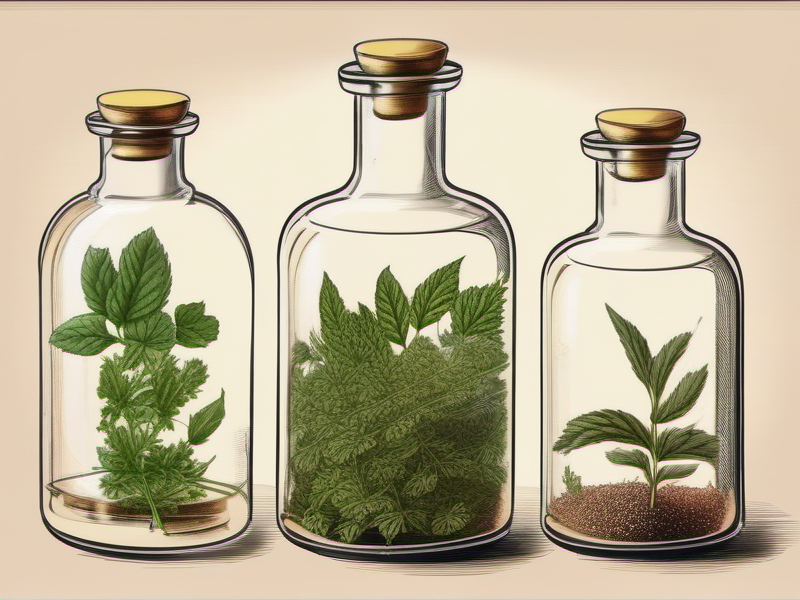
A tincture made from fresh plant material, using ethanol as the solvent, is the closest practical approximation to the living plant's chemistry. Ethanol extracts both water-soluble and lipid-soluble compounds. It denatures enzymes that would otherwise degrade the extract. It preserves volatile terpenes by dissolving them (terpenes are highly soluble in ethanol). And it provides a shelf life of five to ten years without refrigeration.
The Process:- Harvest the plant at peak potency. For aerial parts (leaves, flowers, stems), this is typically at or just before full flowering. For roots, harvest in autumn after the aerial parts have died back and the plant has concentrated its chemistry in the root.
- Process immediately. The interval between harvest and extraction should be measured in hours, not days. Every hour of delay at ambient temperature costs volatile compounds.
- Chop the fresh plant material coarsely. Do not powder it. The goal is to increase surface area for extraction while minimizing the cellular destruction that promotes oxidation. A rough chop with a knife or a brief pulse in a food processor is sufficient.
- Pack the chopped material into a clean glass jar, filling it to the top without compressing excessively.
- Cover completely with ethanol. The traditional ratio for fresh plant tinctures is 1:2 (one part fresh plant by weight to two parts ethanol by volume) using 95% ethanol (190 proof). For home preparation, 75-80% ethanol (150-160 proof) is acceptable and extracts both polar and nonpolar compounds effectively. Vodka at 40% (80 proof) can be used but will extract fewer lipophilic terpenes and resins.
- Seal the jar tightly. Label with the plant name, date, and ethanol percentage.
- Store in a cool, dark location. Shake daily for the first two weeks, then weekly.
- Macerate for four to six weeks minimum. Some roots and barks benefit from eight to twelve weeks.
- Strain through cheesecloth, pressing firmly. Bottle in amber glass.
The resulting tincture preserves: - Monoterpenes and sesquiterpenes (dissolved in ethanol, not evaporated) - Flavonoids (stabilized against oxidation by the ethanol matrix) - Alkaloids (extracted efficiently by ethanol) - Phenolic acids (water-soluble, extracted by the aqueous fraction) - Glycosides (hydrolyzed slowly in the ethanol-water matrix, releasing aglycones)
The British Herbal Pharmacopoeia and the German Commission E both specify fresh-plant tincture ratios for specific herbs where fresh material produces a pharmacologically superior preparation. For example, Commission E specifies fresh-plant tincture for Hypericum perforatum (St. John's Wort), recognizing that the hyperforin content of fresh material significantly exceeds that of dried material [26].
Method 2: The Succus (Fresh Plant Juice)
The succus is one of the oldest forms of herbal preparation and one of the most neglected in modern practice. It was a standard preparation in 19th-century Western pharmacy and remains the most common method of herbal medicine preparation in traditional medicine systems in Papua New Guinea and other Pacific Island cultures [27].
A succus is simply the freshly expressed juice of a plant, preserved with 25% ethanol by volume.
The Process:- Harvest fresh plant material.
- Juice immediately using a cold-press juicer, a blender (with minimal water added), or by grinding in a mortar and pressing through cheesecloth.
- Combine three parts fresh juice with one part 95% ethanol (yielding a final alcohol content of approximately 25%).
- Bottle in amber glass. Refrigerate.
The succus preserves virtually the entire water-soluble fraction of the plant, including enzymes (which remain active at 25% ethanol and cold storage), water-soluble polysaccharides, water-soluble vitamins, mineral salts, and polar flavonoids. It does not extract lipophilic compounds (resins, waxes, fixed oils) as efficiently as a high-proof tincture.
Herbs particularly suited to succus preparation include:
- Cleavers (Galium aparine): The fresh juice is a traditional lymphatic and diuretic agent. Dried cleavers is pharmacologically inert compared to the fresh plant.
- Chickweed (Stellaria media): Fresh juice retains the saponins and mucilage that make it a demulcent for skin and digestive complaints.
- Dandelion (Taraxacum officinale): Fresh root and leaf juice retains the bitter sesquiterpene lactones (taraxacin) and inulin that stimulate bile production and hepatic function.
- Nettle (Urtica dioica): Fresh nettle juice preserves the formic acid, histamine, serotonin, and acetylcholine present in the stinging trichomes -- all of which are destroyed by drying.
- Calendula (Calendula officinalis): Fresh flower juice retains volatile terpenes and active enzymes lost in dried preparations.
Method 3: The Glycerite (Vegetable Glycerin Extract)
For those who cannot or choose not to use alcohol, vegetable glycerin (glycerol) provides an alternative solvent. Glycerol extracts water-soluble compounds effectively and some lipophilic compounds partially. It does not extract resins, waxes, or highly nonpolar terpenes as well as ethanol [28].
The Process:- Chop fresh plant material coarsely.
- Pack into a glass jar.
- Cover with undiluted food-grade vegetable glycerin (USP grade). For fresh plant material, use 100% glycerin -- the water content of the fresh plant provides the aqueous fraction. For dried plant material, use a 60:40 glycerin-to-water ratio.
- Seal, label, and macerate for four to six weeks in a cool, dark location. Shake daily.
- Strain and bottle in amber glass.
Glycerites are gentler and less potent than alcohol tinctures, but they are an excellent choice for: - Children (naturally sweet, no alcohol) - Individuals avoiding alcohol for medical or personal reasons - Herbs whose active compounds are primarily water-soluble (marshmallow root, slippery elm, plantain) - Topical applications (glycerin is an excellent humectant for skin preparations)
Method 4: Freezing and Freeze-Drying
Flash-freezing fresh herbs at -18C or below preserves virtually the entire chemical profile of the plant at the moment of harvest. Volatile terpenes do not evaporate at -18C. Enzymatic reactions are suspended. Oxidation is dramatically slowed. The plant is held in biochemical stasis.
Frozen herbs can be: - Used directly in tincture-making (the freeze-thaw cycle ruptures cell walls, improving extraction) - Thawed and juiced for succus preparations - Stored for six to twelve months with minimal degradation
Freeze-drying (lyophilization) is the gold standard for preserving the chemical complexity of plant material in a dry, shelf-stable form. Unlike thermal drying, freeze-drying operates at temperatures below -40C and very low pressure, causing water to sublimate directly from ice to vapor without passing through the liquid phase. This eliminates both the thermal degradation of heat-drying and the enzymatic degradation of air-drying [29].
Freeze-dried herbs retain: - 90-95% of volatile terpene content - Near-complete flavonoid profile - Intact polysaccharides - Preserved enzyme activity (in some cases) - Original color and aroma
The limitation of freeze-drying is cost. Commercial freeze-drying equipment is expensive, and the process is slow. But home freeze-dryers have become available in the $2,000-$4,000 range, and for the serious herbalist, the investment pays for itself in a single season by enabling preservation of the full pharmacy garden harvest.
Method 5: Fermentation
Fermentation is the oldest preservation method for plant chemistry, and it is pharmacologically active in its own right. Lactic acid fermentation, alcoholic fermentation, and acetic acid fermentation all transform and preserve plant constituents through distinct biochemical pathways.
Herbal wines and meads: Macerating herbs in fermenting grape juice or honey-water combines ethanol extraction with the biotransformation of plant compounds by yeasts and bacteria. The resulting preparation often contains novel metabolites not present in either the raw plant material or a simple tincture. Herbal vinegars: Acetic acid extracts minerals and alkaloids particularly well. A vinegar extraction of mineral-rich herbs like nettle or horsetail produces a preparation with higher bioavailable mineral content than either a tincture or a water infusion. Lacto-fermented herbal preparations: Brine fermentation of herbs (similar to sauerkraut or kimchi) preserves plant compounds while generating probiotic organisms and organic acids that enhance digestion and nutrient absorption. Fermented herbal preparations are a traditional feature of Korean, Japanese, and Eastern European folk medicine.Method 6: Cold Infused Oils
For herbs whose active compounds are lipophilic (fat-soluble) -- such as the anti-inflammatory sesquiterpene lactones in arnica, the wound-healing triterpenoids in calendula, and the analgesic compounds in St. John's Wort -- cold-infused oils provide an excellent preservation method for topical preparations.
The Process:- Fill a clean glass jar with coarsely chopped fresh or recently wilted herbs (wilting for 12-24 hours removes surface moisture and reduces the risk of mold during infusion).
- Cover completely with a high-quality carrier oil: extra-virgin olive oil (most traditional, good solvent for a broad range of compounds), fractionated coconut oil (lighter, longer shelf life), or jojoba oil (technically a liquid wax, extremely stable, excellent for skin preparations).
- Seal and place in a warm location with indirect light -- a sunny windowsill works well, as the gentle warmth accelerates extraction without reaching temperatures that would degrade volatile compounds. Alternatively, place in a cabinet at room temperature for a slower but gentler extraction.
- Infuse for four to six weeks, shaking daily.
- Strain through cheesecloth, pressing firmly. Bottle in amber glass.
St. John's Wort infused oil (Oleum Hyperici) is perhaps the best example of a preparation where the traditional method dramatically outperforms the commercial alternative. When fresh flowering tops of Hypericum perforatum are infused in olive oil in sunlight, the oil turns a deep blood-red color -- evidence of hypericin and pseudohypericin extraction. This preparation has been used topically for nerve pain, burns, and wounds for centuries across Europe, and contemporary research has confirmed its anti-inflammatory and wound-healing properties. The commercial dried-powder capsule contains none of the oil-soluble compounds that make this preparation effective.
Part VII: The Economic Incentive for Fraud
The persistence of the standardization model despite its documented limitations is not a scientific mystery. It is an economic one.
The Numbers
The global dietary supplements market was valued at approximately $177 billion in 2023 and is projected to reach $327 billion by 2030 [30]. Herbal supplements represent roughly $12-15 billion of this total in the United States alone.
The cost structure of a commercially standardized herbal product is approximately:
- Raw dried plant material: $3-12 per kilogram (depending on species and source)
- Extraction and standardization: $15-40 per kilogram of finished extract
- Encapsulation and packaging: $2-5 per bottle of 60 capsules
- Marketing and distribution: $5-15 per bottle
- Retail price: $15-45 per bottle
The markup from raw material to retail product ranges from 500% to 2,000%.
Compare this to the cost of a home-prepared fresh tincture:
- Fresh plant material (home-grown or wildcrafted): $0
- One liter of 95% ethanol: $15-30
- Glass jars and amber bottles: $5-10
- Yield: approximately 750 mL of tincture, equivalent to 15-25 bottles of commercial product
Total cost: $20-40 for a preparation that is pharmacologically superior to $225-$1,125 worth of commercial supplements.
The economics explain the industry's resistance to change. Switching from standardized powders to fresh-plant preparations would: 1. Eliminate the possibility of long shelf life (reducing retail distribution) 2. Require cold-chain logistics (increasing costs) 3. Reduce the markup dramatically (threatening profit margins) 4. Empower consumers to make their own preparations (eliminating the customer)
None of these outcomes are desirable from the manufacturer's perspective. The standardization model persists not because it serves the consumer, but because it serves the supply chain.
The Regulatory Vacuum
In the United States, the Dietary Supplement Health and Education Act of 1994 (DSHEA) exempts dietary supplements from the pre-market approval process required for pharmaceutical drugs. Manufacturers are not required to demonstrate that their products contain therapeutically effective concentrations of active compounds. They are not required to demonstrate bioavailability. They are not required to conduct clinical trials. They are required only to demonstrate that their products are not contaminated, that they contain the ingredients listed on the label, and that they do not make disease-treatment claims [31].
Under this framework, a bottle of dried, powdered, oxidized St. John's Wort that contains 0.3% hypericin and zero hyperforin is a legally compliant product. The label is accurate: it does contain hypericin. It does contain St. John's Wort. The fact that it contains no therapeutically relevant concentration of the compound responsible for the antidepressant effect is not a regulatory concern.
The European Union has moved somewhat further with its Traditional Herbal Medicinal Products Directive (2004/24/EC), which requires manufacturers of registered herbal medicines to demonstrate a consistent manufacturing process and to provide evidence of traditional use for at least 30 years [32]. But even this framework does not require clinical proof of efficacy for individual products, and it does not mandate chromatographic fingerprinting or multi-marker quality control.
The consumer is, effectively, on their own.
Part VIII: A Protocol for Working with Fresh Herbs
For the reader who has followed this argument and is prepared to act on it, here is a practical protocol for transitioning from commercial supplements to fresh-plant preparations.
Step 1: Grow or Source Fresh Material
The ideal source is your own garden. Medicinal herbs are, in many cases, easier to grow than vegetables. They are adapted to poor soils, require less water, and resist pests better than cultivated food plants. A 4x8-foot raised bed can accommodate:
- Chamomile (Matricaria chamomilla): Self-seeding annual. Harvest flowers at full bloom.
- Lemon balm (Melissa officinalis): Hardy perennial. Harvest aerial parts before flowering.
- Calendula (Calendula officinalis): Annual. Harvest flower heads at full bloom.
- Peppermint (Mentha x piperita): Aggressive perennial. Harvest before or during flowering.
- Sage (Salvia officinalis): Hardy perennial. Harvest leaves in late spring.
- Thyme (Thymus vulgaris): Hardy perennial. Harvest aerial parts at flowering.
- St. John's Wort (Hypericum perforatum): Hardy perennial. Harvest flowering tops.
- Valerian (Valeriana officinalis): Hardy perennial. Harvest roots in second autumn.
A single plant of each species will produce enough material for a household's annual supply of tinctures.
Step 2: Process Within Hours of Harvest
The single most important variable in herbal medicine quality is the interval between harvest and processing. Every hour counts. Volatile terpenes are evaporating. Enzymatic degradation is occurring. Oxidation is proceeding. The plant is dying, and its chemistry is dying with it.
For tinctures: Chop and cover with ethanol within two to four hours of harvest. For succus: Juice within one to two hours of harvest. For freezing: Bag and freeze within four hours of harvest.
Step 3: Match the Method to the Plant
Not every herb is best prepared the same way. The optimal method depends on the plant's chemistry:
| Plant | Best Method | Reason |
|---|---|---|
| St. John's Wort | Fresh tincture (high-proof) | Hyperforin degrades in drying; needs lipophilic solvent |
| Valerian | Fresh tincture or freeze | Valepotriates destroyed by drying |
| Cleavers | Succus | Active compounds are water-soluble and heat-labile |
| Chamomile | Fresh tincture or freeze-dried | Bisabolol and chamazulene are volatile |
| Nettle | Succus or freeze | Stinging compounds destroyed by drying |
| Turmeric | Fresh tincture with whole rhizome | Preserves essential oil with curcuminoids |
| Garlic | Fresh crush or freeze | Alliinase denatured by drying |
| Echinacea | Fresh tincture (root) | Alkylamides best extracted from fresh root |
| Calendula | Succus or fresh tincture | Volatile terpenes and enzymes preserved |
| Marshmallow | Cold water infusion or glycerite | Polysaccharides damaged by heat and alcohol |
Step 4: Store Correctly
The enemies of herbal preparations, in order of destructive potential:
- Light (especially UV): Store all preparations in amber or cobalt glass. Never use clear glass.
- Heat: Store at or below 20C (68F). Refrigeration (4C) is ideal for succus and glycerite preparations.
- Oxygen: Minimize headspace in bottles. Fill containers as full as practical. Consider inert gas (nitrogen) blanketing for long-term storage of particularly sensitive preparations.
- Time: Even under ideal conditions, degradation proceeds. Use preparations within their shelf life. Tinctures: 3-5 years. Succus: 12-18 months. Glycerites: 12-24 months. Frozen herbs: 6-12 months.
Step 5: Dose with Intention
Fresh-plant preparations are not interchangeable with commercial products on a milligram-per-milligram basis. A fresh tincture of St. John's Wort made from flowering tops harvested at peak and processed within two hours contains hyperforin, hypericin, the full flavonoid matrix, and the essential oil in proportions that no commercial product replicates. The dosage must be calibrated to this specific preparation.
Start with established ratios from authoritative pharmacopoeias:
- British Herbal Pharmacopoeia (BHP) doses for fresh tinctures
- German Commission E monograph doses
- European Scientific Cooperative on Phytotherapy (ESCOP) monograph doses
As a general starting point for most fresh 1:2 tinctures of aerial parts: 2-4 mL, three times daily. Adjust based on individual response.
Part IX: What the Future Could Look Like
The technology to solve the standardization problem already exists. The pharmaceutical industry uses chromatographic fingerprinting, metabolomic profiling, and bioactivity-guided fractionation to characterize complex mixtures. These methods could be applied to herbal products tomorrow.
What would a properly standardized herbal product look like?
- Chromatographic fingerprint on the label: A QR code linking to the full HPLC chromatogram of the specific batch, showing all major compound classes and their relative proportions.
- Multi-marker quantification: Instead of "standardized to 0.3% hypericin," the label would read: "Contains per dose: hypericin 0.9 mg, hyperforin 12 mg, total flavonoids 45 mg, essential oil 8 mg." All of the therapeutically relevant compound classes, quantified individually.
- Fresh-plant processing declaration: The label would specify whether the product was made from fresh or dried material, the interval between harvest and processing, the extraction method, and the drying temperature (if applicable).
- Batch-specific bioactivity testing: Each batch would be tested for a relevant biological endpoint -- antioxidant capacity, enzyme inhibition, antimicrobial activity -- and the results would be published with the batch number.
- Stability dating based on actual degradation data: Instead of an arbitrary "best by" date, each product would carry a stability profile showing the predicted degradation of key compounds over time, based on accelerated stability testing of the specific formulation.
This is not utopian. This is what the pharmaceutical industry already does for every drug it produces. The herbal industry's failure to adopt these standards is not a technological limitation. It is a choice -- a choice that prioritizes profit over efficacy, convenience over quality, and the appearance of science over its substance.
Conclusion
The supplement aisle is full of ghosts. Bottles containing the dried, ground, oxidized, standardized remains of plants that were once alive with hundreds of interacting compounds. The labels promise precision. The chemistry delivers decay.
The data is not ambiguous:
- Drying destroys 30-70% of volatile terpenes in the first week, with monoterpenes like beta-myrcene losing up to 55% in seven days [10].
- Grinding exposes flavonoids and essential oils to oxidation that begins immediately and continues throughout the product's shelf life [17][18].
- Standardization to a single marker compound has no predictive correlation with biological activity for most commercially standardized herbs [7].
- Whole-plant preparations consistently outperform isolated or reduced preparations in clinical and preclinical studies [4][5][22].
- Storage at room temperature degrades even the most stable marker compounds by 50-70% over six months for some herbs [13].
The supplement industry has built a business model on drying, grinding, and standardizing because those processes are compatible with warehouses, shipping containers, and retail shelves. They are not compatible with the chemistry of living plants.
The alternative is older than the industry. Make tinctures from fresh plants. Press succus from living tissue. Freeze what you cannot process today. Use glycerin for what you cannot use alcohol for. Ferment what benefits from transformation. Grow what you can. Wildcraft what you cannot grow. Process within hours, not weeks. Store in dark glass, not plastic. Measure your dose, not a marketing number.
The living plant is the medicine. The powder in the bottle is a memory of one.
References
[1] Nahrstedt, A., Butterweck, V. "Biologically Active and Other Chemical Constituents of the Herb of Hypericum perforatum L." Pharmacopsychiatry, 30(S2): 129-134, 1997.
[2] Zobayed, S.M.A., Afreen, F., Goto, E., Kozai, T. "Plant-Environment Interactions: Accumulation of Hypericin in Dark Glands of Hypericum perforatum." Annals of Botany, 98(4): 793-804, 2006.
[3] Linde, K. "St. John's Wort -- An Overview." Forschende Komplementarmedizin, 16(3): 146-155, 2009. See also: Molecular Psychiatry (2022), analysis of hyperforin action at TRPC6 channel leading to new class of antidepressant drugs.
[4] Butterweck, V. "Mechanism of Action of St John's Wort in Depression: What Is Known?" CNS Drugs, 17(8): 539-562, 2003.
[5] Aggarwal, M.L., et al. "Turmeric Essential Oil Constituents as Potential Drug Candidates: A Comprehensive Overview of Their Individual Bioactivities." Molecules, 29(17): 4210, 2024. See also: PMC review (2022) on pharmacological profile, bioactivities, and safety of turmeric oil.
[6] Antony, B., et al. "A Pilot Cross-Over Study to Evaluate Human Oral Bioavailability of BCM-95 CG (Biocurcumax), a Novel Bioenhanced Preparation of Curcumin." Indian Journal of Pharmaceutical Sciences, 70(4): 445-449, 2008.
[7] Gafner, S., Bergeron, C. "A Lack of Bioactive Predictability for Marker Compounds Commonly Used for Herbal Medicine Standardization." Journal of Ethnopharmacology, published in Chemical Research in Toxicology context; see PMC 4961437, 2016.
[8] Cho, K.S., et al. "Terpenes from Forests and Human Health." Toxicological Research, 33(2): 97-106, 2017.
[9] Szumny, A., et al. "Effect of Drying Methods on Chemical and Sensory Properties of Cannabis sativa Leaves." Molecules, 28(24): 8089, 2023. See also: PMC 11013261, cultivar-specific drying approaches for medicinal plants.
[10] Ross, S.A., ElSohly, M.A. Studies on terpene content degradation during drying and storage; data compiled from Journal of Cannabis Research (2020) and Analytical and Bioanalytical Chemistry (2024).
[11] Caliterpenes. "Evaporation Temperature of Terpenes." Technical reference, 2024.
[12] Houghton, P.J. "The Scientific Basis for the Reputed Activity of Valerian." Journal of Pharmacy and Pharmacology, 51(5): 505-512, 1999.
[13] Bos, R., et al. "Changes in Valerenic Acids Content of Valerian Root (Valeriana officinalis L. s.l.) During Long-Term Storage." Food Chemistry, 113(1): 290-296, 2009.
[14] Fang, Z., Bhandari, B. "Encapsulation of Polyphenols -- A Review." Trends in Food Science & Technology, 21(10): 510-523, 2010.
[15] Hamman, J.H. "Composition and Applications of Aloe vera Leaf Gel." Molecules, 13(8): 1599-1616, 2008.
[16] Lawson, L.D. "Garlic: A Review of Its Medicinal Effects and Indicated Active Compounds." In: Phytomedicines of Europe: Chemistry and Biological Activity, ACS Symposium Series, 1998.
[17] Ferreres, F., et al. "Revisiting the Oxidation of Flavonoids: Loss, Conservation or Enhancement of Their Antioxidant Properties." Antioxidants, 11(1): 133, 2022.
[18] Mossi, A.J., et al. "Effect of Grinding Method on the Analysis of Essential Oil from Baccharis articulata (Lam.) Pers." Chemical Papers, 71: 753-761, 2017.
[19] Roshanak, S., Rahimmalek, M., Goli, S.A.H. "Evaluation of Seven Different Drying Treatments in Respect to Total Flavonoid, Phenolic, Vitamin C Content, and Antioxidant Activity of Green Tea." Journal of Food Science and Technology, 53(1): 721-729, 2016.
[20] Sagi, S., et al. "Advances in Fingerprint Analysis for Standardization and Quality Control of Herbal Medicines." Frontiers in Pharmacology, 13: 853023, 2022.
[21] Ben-Shabat, S., Fride, E., Sheskin, T., et al. "An Entourage Effect: Inactive Endogenous Fatty Acid Glycerol Esters Enhance 2-Arachidonoyl-Glycerol Cannabinoid Activity." European Journal of Pharmacology, 353(1): 23-31, 1998.
[22] Johnson, J.R., et al. "Multicenter, Double-Blind, Randomized, Placebo-Controlled, Parallel-Group Study of the Efficacy, Safety, and Tolerability of THC:CBD Extract and THC Extract in Patients with Intractable Cancer-Related Pain." Journal of Pain and Symptom Management, 39(2): 167-179, 2010.
[23] DeFeudis, F.V. Ginkgo biloba Extract (EGb 761): From Chemistry to the Clinic. Ullstein Medical, 1998.
[24] Wagner, H. "Synergy Research: Approaching a New Generation of Phytopharmaceuticals." Fitoterapia, 82(1): 34-37, 2011.
[25] Shoba, G., et al. "Influence of Piperine on the Pharmacokinetics of Curcumin in Animals and Human Volunteers." Planta Medica, 64(4): 353-356, 1998.
[26] Blumenthal, M., et al. The Complete German Commission E Monographs: Therapeutic Guide to Herbal Medicines. American Botanical Council, 1998.
[27] King, J. King's American Dispensatory. Originally published 1898; cited via Henriette's Herbal Homepage. See also: Herbal Academy, "How to Make a Succus," 2023.
[28] Mountain Rose Herbs. "Glycerites: How to Use Vegetable Glycerine to Extract Herbal Constituents." Technical reference, 2024.
[29] Abascal, K., Yarnell, E. "Using Freeze-Dried Plant Material in Herbal Medicine." Alternative and Complementary Therapies, 12(3): 142-146, 2006.
[30] Grand View Research. "Dietary Supplements Market Size, Share & Trends Analysis Report." 2024.
[31] United States Congress. "Dietary Supplement Health and Education Act of 1994." Public Law 103-417, 108 Stat. 4325.
[32] European Parliament and Council. "Directive 2004/24/EC on Traditional Herbal Medicinal Products." Official Journal of the European Union, L 136/85, 2004.
Comments (0)
No comments yet.
Log in to comment.