Lemna Minor: The Aquatic Protein Machine the Modern World Overlooked
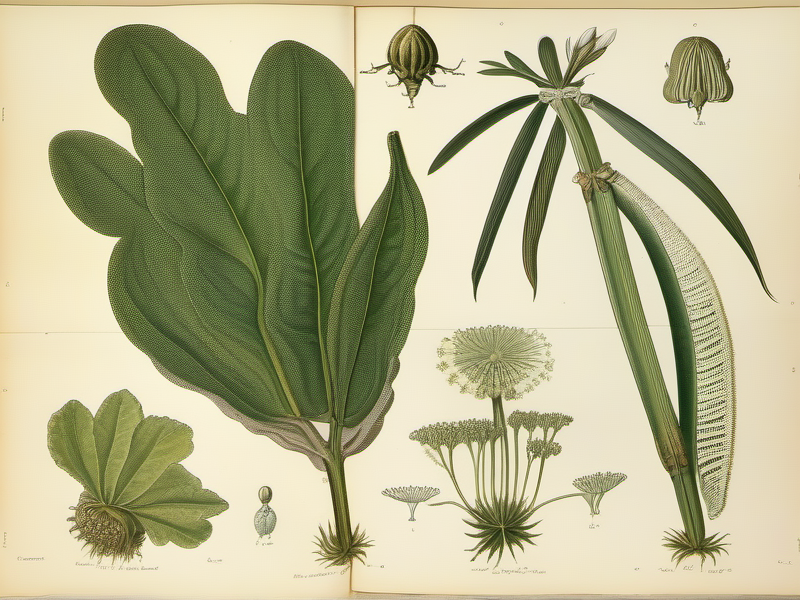
Lemna minor -- the smallest flowering plant on earth -- yields 35% protein on dry weight, contains all essential amino acids, and doubles its biomass every 72 hours. It grows on wastewater. It requires zero arable land. The modern world has overlooked the most efficient protein crop ever documented.
Part I: The Protein Blindness
The modern world spends $600 billion annually on the global soybean industry. That industry occupies 130 million hectares of arable land -- an area larger than the combined territories of France, Germany, and the United Kingdom. It consumes 280 million metric tons of freshwater irrigation per year. It is the primary driver of deforestation in the Brazilian Cerrado and the Chaco regions of Argentina and Paraguay. It depends on petroleum-derived nitrogen fertilizers, glyphosate herbicides, and a transcontinental logistics network that moves soybeans from field to port to processing plant to feedlot to supermarket shelf across an average of 6,000 miles. And after all of that -- all the land, all the water, all the diesel, all the chemicals, all the miles -- soybean yields a protein content of approximately 36% by dry weight [1].
Floating on the surface of every stagnant pond, every drainage ditch, every slow-moving stream, and every rice paddy on six continents is a plant that yields 25-45% protein by dry weight, contains all nine essential amino acids, doubles its biomass every 48 to 72 hours, requires zero arable land, requires zero petroleum-derived fertilizer, and can be grown on human urine diluted 10:1 with water. That plant is Lemna minor -- common duckweed.
It is not a "superfood." Superfood is a marketing term invented to sell overpriced powders in foil pouches to anxious consumers in Whole Foods parking lots. Lemna minor is a protein factory with chloroplasts. It is a biological machine that converts sunlight, water, and dissolved nitrogen into complete protein at a rate that no land-based crop has ever matched, or ever will match, because land-based crops are constrained by root depth, soil quality, and seasonal cycles, and Lemna minor is constrained by nothing except water temperature and nutrient availability -- both of which you control.
The reason you have never heard of it -- the reason it does not appear in any USDA dietary guideline, in any mainstream nutrition textbook, or on any supermarket shelf in the Western world -- is not that the science is new. The science is decades old. The reason is that Lemna minor cannot be patented, cannot be monopolized, cannot be processed into a branded product with a markup sufficient to justify national advertising, and -- most inconveniently for the agricultural-industrial complex -- it challenges the fundamental assumption on which that complex is built: that food production requires land.
Lemna minor requires water. Just water. And sunlight. And a few milligrams of nitrogen and phosphorus per liter, which you excrete every time you visit the outhouse.This article will document the nutritional science, the historical record, the comparative economics, and the exact cultivation protocol for off-grid Lemna minor production. It is not theoretical. I have grown it. I have eaten it. I feed it to my chickens. I dry it, grind it, and add it to bread. It works. Here is why, and here is how.
Part II: Taxonomy and Biology -- The Smallest Flowering Plant
Classification
Lemna minor L. belongs to the family Araceae, subfamily Lemnoideae (formerly classified as the separate family Lemnaceae). The genus Lemna contains approximately 13 species, all aquatic, all small, all free-floating. The Lemnoideae subfamily also includes the genera Spirodela (greater duckweed), Wolffia (watermeal -- the smallest flowering plant in existence, at 0.3 mm), and Wolffiella [2].The common name "duckweed" reflects the plant's role as a food source for waterfowl. Ducks, geese, coots, and moorhens consume it voraciously. So do tilapia, carp, and catfish. So do humans, when they know enough to try.
Morphology
A single Lemna minor plant consists of a flat, oval, leaf-like structure called a frond (technically a thallus -- the plant has no true leaves, stems, or differentiated organs). Each frond is 1-5 mm long and 2-4 mm wide, bright green on the upper surface, often pale green or reddish on the lower surface, with a single unbranched root 2-5 cm long hanging beneath it into the water [3].
The simplicity of this structure is the key to the plant's extraordinary productivity. There is no woody tissue to build. No cellulose-heavy trunk to support. No deep root system to maintain. Nearly all of the plant's biomass is photosynthetically active tissue. This means that a much higher percentage of the plant's dry weight is protein, lipid, and metabolically active material compared to a land plant, which must invest a large fraction of its biomass in structural tissue (cellulose, lignin, hemicellulose) that is nutritionally inert.
Reproduction
Lemna minor reproduces primarily by vegetative budding. A daughter frond emerges from a meristematic pocket at the base of the mother frond, grows to full size in 2-3 days, and then separates to become an independent plant. Under optimal conditions (25-30 degrees Celsius water temperature, pH 6.5-7.5, adequate nitrogen and phosphorus, 12+ hours of light per day), the population doubling time is 24-48 hours. Under field conditions with less than optimal temperature or nutrients, the doubling time extends to 48-96 hours [4].Sexual reproduction -- flowering and seed production -- is rare and occurs primarily under stress conditions (nutrient depletion, overcrowding, temperature extremes). The flowers are the smallest in the plant kingdom: a tiny inflorescence consisting of two stamens and one pistil, barely visible without magnification. Seeds are produced but play a minor role in population dynamics. For practical purposes, Lemna minor reproduction is clonal.
Growth Rate: The Numbers That Change Everything
The doubling time of Lemna minor is the number that separates it from every other protein crop in existence.
Soybean has a growing season of 120-150 days and produces one harvest per year. Corn produces one or two harvests per year depending on climate. Wheat produces one. Even fast-growing leafy greens like spinach and lettuce require 30-60 days from planting to harvest.
Lemna minor doubles its biomass every 1-4 days and can be harvested continuously. Starting from a single frond, and assuming a conservative 3-day doubling time, the theoretical progression is:- Day 0: 1 frond (0.01 g dry weight)
- Day 3: 2 fronds
- Day 6: 4 fronds
- Day 9: 8 fronds
- Day 30: 1,024 fronds
- Day 60: 1,048,576 fronds
- Day 90: Over one billion fronds
In practice, growth is limited by available water surface area, nutrient supply, and crowding effects. But the exponential mathematics explains why Lemna minor produces more protein per unit area per unit time than any land crop.
Published yield data from controlled studies: 15-25 metric tons of dry biomass per hectare per year under temperate conditions, with year-round production in tropical and subtropical climates [5]. At 35% protein, that is 5.25-8.75 metric tons of protein per hectare per year.
Compare to soybean: 2-3 metric tons of protein per hectare per year [6].
Lemna minor produces two to four times more protein per unit area than the most productive land-based protein crop on Earth. And it does it on water that would otherwise be unused, polluted, or wasted.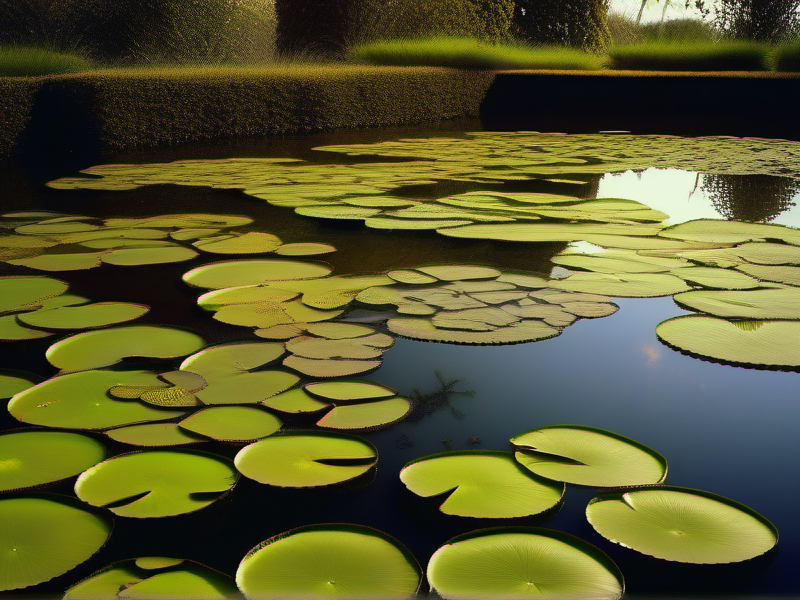
Part III: The Lost History -- Two Thousand Years of Duckweed
China: Fu Ping
The earliest documented use of duckweed in human nutrition and medicine comes from China, where it has been known as Fu Ping (浮萍, "floating duckweed") for at least two thousand years. It appears in the Shennong Bencao Jing (Shennong's Classic of Materia Medica), the foundational text of Chinese herbal medicine, compiled in the late Western Han dynasty, likely around the 1st century BCE. The text classifies duckweed as a "medium grade" herb -- not a top-tier cure-all, but a reliable therapeutic agent for specific conditions [7].
In Traditional Chinese Medicine, Fu Ping is classified as pungent in flavor and cold in nature, entering the Lung and Bladder meridians. Its traditional uses include:
- Inducing sweating and releasing the exterior: Used for the early stages of wind-heat patterns (febrile diseases with sore throat and headache).
- Promoting urination and reducing edema: Used for fluid accumulation, particularly in the lower body.
- Venting rashes: Applied topically as a paste or taken internally as a decoction to encourage the expression of skin eruptions (measles, urticaria) that have failed to surface [8].
The herb was typically prepared as a decoction (3-9 grams of dried herb simmered in water) or as a paste for external application. It was also added to soups and congees as a food. Chinese farmers recognized that duckweed grown on nutrient-rich pond water -- water fertilized by duck, fish, or human waste -- was more potent and more nutritious than wild-collected specimens. This observation, made centuries before the science of plant nutrition existed, was correct: higher nitrogen availability increases the protein content of duckweed biomass [9].
Southeast Asia
In Vietnam, Thailand, Laos, Myanmar, and Cambodia, rural communities have gathered duckweed from rice paddies and village ponds for generations. It is eaten fresh in salads, added to soups, and fed to ducks, chickens, and fish. In the integrated agriculture systems of the Mekong Delta, fish ponds are fertilized with household waste, duckweed grows on the ponds, the duckweed is harvested and fed to poultry, and the poultry manure is returned to the fish ponds -- a closed-loop nutrient cycle that produces both fish and chicken protein from household waste streams with no external inputs [10].
India
Ayurvedic texts describe duckweed under various names (the taxonomy is sometimes confused with other aquatic plants). It is used in preparations for urinary tract infections, skin diseases, and respiratory conditions. The cooling, bitter nature of the plant aligns with its use as a Pitta-reducing herb in Ayurvedic classification [11].
Japan: Wartime Emergency
During the food shortages of World War II, the Japanese government promoted duckweed as an emergency protein source. Research conducted at the University of Tokyo in the 1940s documented the plant's high protein content and rapid growth rate, recommending cultivation in rice paddies during the off-season as a supplemental food source. The end of the war and the arrival of American surplus food aid ended the program before it could be widely implemented. The research was published in Japanese-language journals and remained largely unknown in the West for decades [12].
The Western Rediscovery
Western scientists began investigating duckweed seriously in the 1960s and 1970s, initially as a tool for wastewater treatment rather than as a food. William Wolverton, a NASA environmental scientist, demonstrated in the 1970s that duckweed was extremely effective at removing nitrogen, phosphorus, and heavy metals from wastewater -- work that led to the development of constructed wetland treatment systems [13].
The nutritional potential was documented in a landmark 1985 paper by Landolt and Kandeler, who published the comprehensive The Family of Lemnaceae -- a Monographic Study, cataloging the biology, ecology, and biochemistry of all duckweed species. By the late 1990s, researchers at institutions including the University of California, Davis, and the Technische Universitat Dresden had published detailed analyses of duckweed protein content, amino acid profiles, and growth kinetics [14].
In 2017, Appenroth and colleagues published the first comprehensive assessment of duckweed as human food in Food Chemistry, demonstrating that multiple duckweed species met FAO nutritional requirements for essential amino acids and concluding that "the Lemnaceae have a great potential as a plant protein source for human nutrition" [15]. This paper is the single most important publication in the field and should be read by anyone serious about duckweed cultivation for food.
Despite all of this research, duckweed remains virtually unknown as a food source in Europe and North America. The few commercial products available -- dried duckweed powder marketed as "water lentils" -- sell for $25-$40 per pound, a markup of approximately 5,000% over the cost of home production. This is the market exploiting ignorance. You do not need to pay $40 per pound for a plant you can grow in a bucket.
Part IV: The Nutritional Science -- Numbers, Not Hype
Macronutrient Composition
The following data are compiled from peer-reviewed sources including Appenroth et al. (2017), USDA FoodData Central, and a 2024 review in Plants (MDPI) [15, 16, 17]:
Dry Weight Basis:| Nutrient | Range | Mean |
|---|---|---|
| Crude protein | 25-45% | 35% |
| Lipids (fat) | 3-8% | 5% |
| Carbohydrates | 25-35% | 30% |
| Crude fiber | 5-15% | 10% |
| Ash (minerals) | 8-20% | 13% |
The wide ranges reflect the influence of growing conditions. Protein content increases with nitrogen availability: duckweed grown on nitrogen-rich media (dilute urine, livestock effluent) routinely reaches 40-45% protein, while duckweed grown on low-nitrogen water may contain only 20-25% [18].
This is a critical point for the homestead grower. Your duckweed is as nutritious as the water you grow it on. Starve it of nitrogen and you get a carbohydrate-heavy, low-protein plant. Feed it adequately and you get a protein machine.
Amino Acid Profile
Lemna minor contains all nine essential amino acids in proportions that meet or exceed FAO/WHO reference values for human nutrition, with one partial exception:| Essential Amino Acid | g/100g protein (Lemna minor) | FAO/WHO Reference | % of Reference |
|---|---|---|---|
| Leucine | 7.5-8.5 | 5.9 | 127-144% |
| Isoleucine | 4.5-5.8 | 3.0 | 150-193% |
| Valine | 5.2-6.2 | 3.9 | 133-159% |
| Lysine | 5.5-7.2 | 4.5 | 122-160% |
| Phenylalanine + Tyrosine | 8.0-9.4 | 3.8 | 211-247% |
| Threonine | 4.2-5.1 | 2.3 | 183-222% |
| Tryptophan | 1.2-1.5 | 0.6 | 200-250% |
| Methionine + Cysteine | 2.5-4.2 | 2.2 | 114-191% |
| Histidine | 2.1-2.8 | 1.5 | 140-187% |
The only amino acid that occasionally falls below the reference threshold in some studies is methionine+cysteine (the sulfur-containing amino acids), which in some samples measured at 85% of the FAO reference [15]. This minor limitation is easily compensated by consuming duckweed alongside any grain (rice, wheat, corn), which is rich in sulfur amino acids. The complementarity is perfect and mirrors the traditional practice of combining legumes (low in methionine) with grains (low in lysine) to achieve a complete amino acid profile.
The branched-chain amino acid content (leucine, isoleucine, valine) of Lemna minor is significantly higher than that of soybean, making it particularly interesting as a protein source for physical recovery and muscle maintenance [17].
Micronutrient Content
Lemna minor is rich in minerals and vitamins that are difficult to obtain from plant sources: Minerals (per 100g dry weight): - Iron: 15-55 mg (highly variable with water source; compare to spinach at 2.7 mg per 100g fresh weight) - Zinc: 3-8 mg - Calcium: 100-300 mg - Magnesium: 80-150 mg - Potassium: 1,500-2,500 mg - Phosphorus: 400-800 mg - Manganese: 5-20 mg Vitamins (per 100g dry weight): - Beta-carotene (provitamin A): 5-25 mg - Vitamin C: 20-50 mg - Vitamin E (tocopherols): 5-10 mg - B vitamins: Thiamine (B1), riboflavin (B2), niacin (B3), pyridoxine (B6) all present in significant quantities. Some reports indicate detectable levels of vitamin B12 (cobalamin), which would be extraordinary for a plant source -- though this may represent B12 produced by associated bacteria rather than by the plant itself [19].Bioactive Compounds
Recent phytochemical analyses have identified several classes of bioactive compounds in Lemna minor:
- Flavonoids: Quercetin (12-18 mg/100g), kaempferol, luteolin, apigenin, and rutin. These are potent antioxidants with documented anti-inflammatory, anticancer, and cardioprotective effects in vitro and in animal studies [20].
- Phenolic acids: Chlorogenic acid, caffeic acid, p-coumaric acid, and ferulic acid.
- Carotenoids: Lutein (30-40 mg/100g -- one of the highest concentrations of any food plant), zeaxanthin, and beta-carotene. Lutein and zeaxanthin are the only carotenoids that accumulate in the human retina and are associated with reduced risk of age-related macular degeneration [21].
- Omega-3 fatty acids: Alpha-linolenic acid (ALA) at 0.8-1.5 g/100g dry weight. This is a modest but meaningful contribution to omega-3 intake, particularly for individuals without access to fish or fish oil.
Protein Digestibility
The Protein Digestibility Corrected Amino Acid Score (PDCAAS) of Lemna minor ranges from 0.85 to 0.93 in published studies, compared to 1.00 for soy protein isolate, 0.92 for beef, and 0.70 for whole wheat [22].
The limiting factor is cell wall polysaccharides that encapsulate the protein and reduce enzymatic access during digestion. Three processing methods dramatically improve digestibility:
- Blanching (1 minute in boiling water): Disrupts cell walls and reduces oxalate content by approximately 40%.
- Drying and grinding to fine powder: Mechanically disrupts cell structures.
- Fermentation (24-48 hours with Lactobacillus): Enzymatically degrades cell wall polysaccharides and increases bioavailability of minerals. This is the traditional Asian processing method and produces the most digestible product.
Comparative Analysis: Lemna vs. the Competition
| Parameter | Lemna minor | Soybean | Spirulina | Quinoa |
|---|---|---|---|---|
| Protein (% dry weight) | 25-45% | 36% | 55-70% | 14% |
| Complete amino acid profile | Yes | Yes | Yes (low Met) | Yes |
| Protein yield (t/ha/yr) | 5.25-8.75 | 2-3 | 10-20 (in bioreactors) | 0.5-0.8 |
| Arable land required | No | Yes | No | Yes |
| Growth medium | Water + N/P | Soil + fertilizer | Water + CO2 + nutrients | Soil + fertilizer |
| Doubling time | 1-4 days | N/A (annual) | 2-5 days | N/A (annual) |
| Cultivation complexity | Low (bucket, sunlight) | High (tractor, chemicals) | High (bioreactor, sterile) | Moderate (field, irrigation) |
| Cost per kg protein (home production) | $0.50-$2.00 | $3-$5 (commodity) | $15-$40 (supplement) | $8-$15 |
| Processing required | Wash, dry | Crush, extract, process | Dry, grind | Cook |
Spirulina exceeds Lemna minor in protein concentration and yield per hectare, but spirulina cultivation requires controlled bioreactors, pH monitoring, and sterile technique that is beyond the capability of most homesteaders. Lemna minor requires a bucket and sunlight. The barrier to entry is essentially zero.
Part V: Phytoremediation -- The Plant That Cleans Your Water
Before we discuss growing duckweed for food, we must address its most widely studied application: wastewater treatment.
Lemna minor is one of the most effective phytoremediation agents documented in the scientific literature. It removes nitrogen, phosphorus, heavy metals, and organic pollutants from water with extraordinary efficiency.Nutrient Removal
In constructed wetland and stabilization pond systems, Lemna minor removes:
- Nitrogen: 80-95% reduction from municipal wastewater influent containing 20-50 mg/L total nitrogen [23].
- Phosphorus: 70-90% reduction from influent containing 5-15 mg/L total phosphorus [23].
- Biochemical Oxygen Demand (BOD): 60-80% reduction.
- Chemical Oxygen Demand (COD): 50-70% reduction.
A 2023 study published in Water Practice & Technology confirmed the effectiveness of Lemna minor for dairy wastewater treatment, demonstrating significant reductions in primary pollutant loads under controlled conditions [24].
The mechanism is straightforward: the plants absorb dissolved nitrogen and phosphorus through their roots and fronds, incorporating these nutrients into their biomass. The nitrogen becomes protein. The phosphorus becomes nucleic acids and ATP. When you harvest the duckweed, you remove the nutrients from the water. The water is cleaner; the biomass is richer.
This has a profound implication for the homesteader: your wastewater is your fertilizer. The nitrogen and phosphorus that you would otherwise need to dispose of (in a septic system, an outhouse, a composting toilet) can instead be routed to a duckweed pond, where it becomes protein. You are not treating waste. You are transforming waste into food. The ecological logic is closed-loop, zero-waste, and entirely self-sustaining.
Heavy Metal Uptake
Lemna minor accumulates heavy metals from contaminated water, including cadmium, lead, mercury, copper, zinc, chromium, and arsenic, with removal efficiencies of 50-90% depending on the metal and concentration [25]. Critical warning: This is phytoremediation's double edge. Duckweed grown on water contaminated with heavy metals or industrial pollutants concentrates those contaminants in its biomass. Such biomass is NOT safe for food or feed. It must be disposed of as contaminated plant material. Never eat duckweed grown on water of unknown provenance. Test your water source before cultivating for food. At minimum, ensure the water is free of industrial discharge, agricultural pesticide runoff, and known heavy-metal contamination.For the homesteader using clean well water, rainwater, or properly managed household greywater (from kitchen sinks and showers, not laundry with bleach or toilet waste), this risk is minimal. But the rule is absolute: know your water.
Part VI: The Cultivation Protocol -- Growing Your Own Protein
Overview
Growing Lemna minor for food is simpler than growing lettuce. The plant has been optimizing its own growth for 100 million years of evolution. Your job is to provide the three things it needs: water, nutrients, and light. Everything else is refinement.
Step 1: Container Selection
Any watertight container with a surface-area-to-depth ratio of at least 5:1 works. Duckweed is a surface plant; depth beyond 30 cm is wasted. Width and length determine your harvest.
Recommended containers:- Food-grade plastic bins (27-gallon / 100-liter): Surface area approximately 0.5 square meters. Cost: $10-$15 at any hardware store. Suitable for household supplementation (producing approximately 10-25 grams of dry protein per week).
- Kiddie pool (5-foot diameter): Surface area approximately 1.5 square meters. Cost: $15-$25. A good starter system for a small family.
- Lined shallow pond (2 x 4 meters, 20 cm deep): Surface area 8 square meters. Cost: $50-$100 for pond liner. Suitable for serious protein production (50-100+ grams of dry protein per week) and poultry feed supplementation.
- IBC tote cut in half lengthwise: Surface area approximately 1.2 square meters. Cost: $15-$30 for a used tote. Excellent for a medium-scale system.
Place the container in a location that receives 6-8 hours of direct sunlight per day. Partial shade during the hottest midday hours (11 AM-2 PM in summer) is beneficial in hot climates, as water temperatures above 35 degrees Celsius (95 degrees Fahrenheit) slow growth and can cause die-off. A shade cloth (30-50% shade) over the southern half of the container works well.
Step 2: Water and Nutrients
Fill the container with non-chlorinated water. Chlorine and chloramine (used in municipal water treatment) are toxic to duckweed at concentrations above 0.5 mg/L. If using tap water, dechlorinate by letting it sit in an open container for 24-48 hours (chlorine dissipates) or by adding 1 drop of sodium thiosulfate (aquarium dechlorinator) per gallon.
Nutrient sources (choose one):- Diluted human urine (10:1 water:urine): The most effective and cheapest nutrient source. Human urine contains approximately 6-9 g/L nitrogen, 0.5-1 g/L phosphorus, and 2-3 g/L potassium -- the three macronutrients that duckweed requires. Diluted 10:1, this provides 600-900 mg/L nitrogen, which is more than adequate. Add 1 liter of diluted urine per 50 liters of water every 5-7 days, or when growth visibly slows. Urine is sterile when fresh (barring urinary tract infection) and poses no pathogen risk when diluted and applied to aquatic plants [26].
- Compost tea: Steep 1 kg of finished compost in 10 liters of water for 24-48 hours. Strain through cheesecloth. Add 1 liter of tea per 20 liters of pond water weekly.
- Commercial hydroponic nutrient solution: Masterblend 4-18-38 or similar, at 1/4 strength (approximately 0.5 g/L). This provides precise nutrient control but costs more than the organic options. Recommended for indoor or experimental systems where water quality is critical.
- Diluted livestock manure: Chicken, duck, or rabbit manure diluted 20:1 in water and allowed to steep for 48 hours before addition. Excellent nutrient content but may introduce pathogens if not properly managed. Use only for animal feed production unless you blanch or cook the harvested duckweed.
Maintain water pH between 6.0 and 8.0. Below 5.5 or above 8.5, growth slows dramatically. Test with inexpensive pH strips ($5 for 100 strips). If pH is too low (acidic), add a pinch of agricultural lime. If too high (alkaline), add a few drops of white vinegar.
Step 3: Inoculation
Obtain a starter culture of Lemna minor from one of the following sources:
- A clean natural pond: Skim a handful of duckweed from a local pond that you have verified is free of pesticide and industrial contamination. Rinse thoroughly in clean water three times before adding to your cultivation container.
- A fellow grower: The duckweed community is generous. Ask at local permaculture, aquaponics, or homesteading groups.
- A biological supply house: Carolina Biological Supply, Ward's Science, and similar companies sell laboratory-grade Lemna minor cultures for $10-$20.
- An aquarium store: Some aquarium shops sell duckweed as a floating plant. Verify the species -- you want Lemna minor or Lemna gibba, not Azolla (a fern) or Salvinia (also a fern).
Add your starter culture at a density of approximately 50-100 grams of fresh biomass per square meter of water surface. This is roughly a single layer covering 10-20% of the surface. Resist the urge to add more -- sparse inoculation in nutrient-rich water produces faster exponential growth than dense inoculation, because each frond has more access to light and nutrients.
Step 4: Growth and Management
Within 7-14 days of inoculation in properly fertilized water at 20-30 degrees Celsius, the duckweed mat will cover the entire water surface. You will observe the fronds multiplying visibly from day to day -- daughter fronds budding from mother fronds, the mat thickening, the color deepening from pale green to rich emerald as the plants access abundant nutrients.
Management tasks:- Stir or agitate the water gently once per day by swishing your hand through it or directing a gentle stream of water across the surface. This prevents the mat from becoming too dense in one area and too sparse in another, ensures nutrient distribution, and prevents anaerobic conditions at the water surface.
- Top up water as needed to maintain the original depth. In hot, dry climates, evaporation can reduce water levels significantly. Rainwater is ideal for topping up.
- Re-fertilize every 5-7 days by adding another dose of your chosen nutrient source. Watch the plants: if growth slows and the fronds become pale green or yellowish, nitrogen is depleted. Add more nutrient. If the fronds develop purplish undersides, phosphorus may be limiting.
- Monitor for pest organisms. Aphids occasionally colonize duckweed mats. Submerse the mat briefly (push it underwater for 30 seconds with a board) to drown them. Mosquito larvae may appear in stagnant water; introduce a few mosquitofish (Gambusia affinis) or small goldfish to control them without disturbing the duckweed.
Step 5: Harvesting
Begin harvesting when the mat is dense enough to cover the entire water surface (typically 10-14 days after inoculation for a well-fertilized system). Harvest 50-70% of the mat every 2-4 days, leaving the remainder to regrow.
Harvesting method: Skim the surface with a fine-mesh kitchen strainer, a small aquarium net, or a window screen mounted on a wooden frame. Drain excess water. Transfer to a clean container. Yield expectations:From a 1-square-meter surface, expect to harvest 100-400 grams of fresh biomass every 2-3 days under optimal conditions. Fresh duckweed is approximately 5-7% dry matter (93-95% water). Therefore:
- Fresh harvest: 200 g per harvest (conservative)
- Dry weight: 200 x 0.06 = 12 g dry matter
- Protein: 12 x 0.35 = 4.2 g protein per harvest
- Per week (2.5 harvests): approximately 10 g protein per square meter per week
For a family of four requiring supplemental protein, a 10-square-meter pond produces approximately 100 grams of protein per week -- equivalent to roughly 400 grams (about 1 pound) of chicken breast in protein content, from a pond the size of a parking space.
Step 6: Processing for Human Consumption
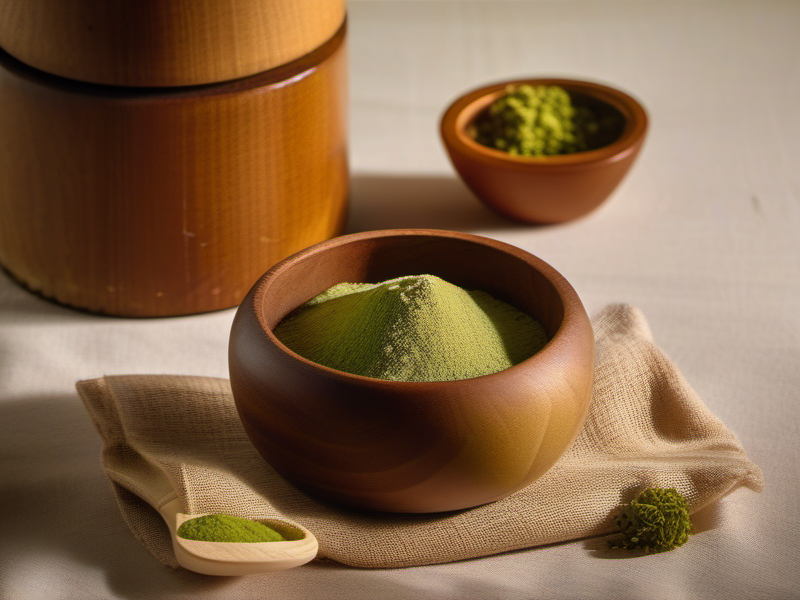
Washing: Rinse the harvested duckweed in at least three changes of clean water. Agitate vigorously to dislodge any debris, insect larvae, or snails. Blanching (recommended): Immerse the washed duckweed in boiling water for 60-90 seconds, then immediately transfer to cold water. Blanching serves three purposes: it kills any residual pathogens, it reduces oxalate content by approximately 40% (oxalates can contribute to kidney stones in predisposed individuals), and it improves digestibility by partially disrupting cell walls [27]. Drying: Spread the blanched duckweed in a thin layer (no more than 5 mm) on a mesh screen or a food dehydrator tray. Dry in full sun (4-8 hours depending on humidity and temperature), in a food dehydrator at 50-60 degrees Celsius (6-8 hours), or in a kitchen oven at the lowest setting with the door cracked. The dried material should snap cleanly when bent. If it flexes, it is not dry enough and will mold in storage. Grinding: Use a coffee grinder, blender, or mortar and pestle to grind the dried duckweed into a fine green powder. The powder has a mild, slightly grassy flavor with a faintly nutty aftertaste. It is not unpleasant. Storage: Store the powder in an airtight glass jar or mylar bag with an oxygen absorber, in a cool, dark location. Shelf life: 12-18 months if moisture content is below 8%.Step 7: Consumption
Recommended intake: Start with 5-10 grams of dried powder per day and increase gradually to 20-30 grams per day over two weeks. Monitor for any digestive discomfort (rare, but possible during initial adaptation). Maximum recommended intake: 50 grams dry weight per day, based on oxalate content and the precautionary principle [28]. Preparation methods:- Add 1-2 tablespoons of powder to smoothies, soups, stews, or sauces. The flavor is mild enough to disappear into most recipes.
- Mix into bread dough (substitute 5-10% of flour weight with duckweed powder). The bread will have a slight green tint and a richer nutritional profile.
- Stir into scrambled eggs, omelets, or rice dishes.
- Make "green salt" by mixing equal parts dried duckweed powder and sea salt -- a mineral-rich seasoning.
- Fresh duckweed (after washing and blanching) can be added directly to salads, stir-fries, or soups. The texture is similar to watercress.
Part VII: Animal Feed Applications -- Chickens, Fish, and Ducks
For many homesteaders, the most immediate and practical application of duckweed is as a supplemental protein source for poultry and fish.
Poultry
Chickens consume fresh duckweed eagerly. Multiple feeding studies have demonstrated that duckweed can replace 10-15% of soybean meal in poultry rations without any loss in growth rate, egg production, or feed conversion efficiency. At replacement levels above 15%, performance may decline slightly due to the high moisture content of fresh duckweed (which limits dry matter intake) and the fiber content (which reduces digestibility for monogastric animals) [29].
Practical method: Harvest fresh duckweed and offer it to your flock in a shallow pan or scattered on the ground. Laying hens will consume 50-100 grams of fresh duckweed per day (equivalent to 3-6 grams dry matter). The carotenoids in duckweed (especially lutein) produce deep orange yolks -- a visible marker of nutritional quality that commercially produced eggs cannot match.For an integrated system: position your duckweed pond to receive runoff from the chicken coop. The nitrogen-rich runoff fertilizes the duckweed; the duckweed feeds the chickens; the chickens produce the runoff. Closed loop. Zero external inputs.
Fish (Tilapia, Carp, Catfish)
Tilapia and common carp consume duckweed directly and grow well on it as a primary or supplemental feed. Studies from Bangladesh, Vietnam, and Israel have demonstrated that tilapia fed fresh duckweed as the sole feed source grow at rates comparable to tilapia fed commercial pelleted feed, with significant cost savings [30].
In an aquaponics system, fish waste provides the nitrogen for duckweed growth; duckweed provides the protein for fish growth. The system is self-sustaining after initial stocking and requires only sunlight and occasional top-up water.
Ducks
The name says it all. Ducks are duckweed's natural consumers. A small flock of ducks foraging on a duckweed pond provides both pest control (ducks eat mosquito larvae, snails, and aphids) and egg production, while the duck manure fertilizes the pond and drives duckweed growth. This is the oldest and most elegant duckweed-based farming system -- the one that Southeast Asian farmers have operated for centuries.
Part VIII: Scaling Up -- From Bucket to Pond
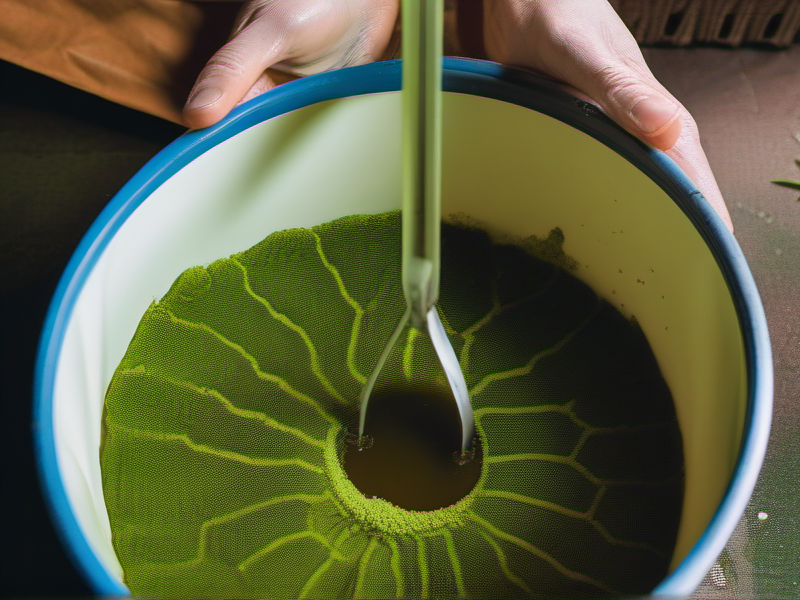
The transition from a single container to a production-scale pond follows a predictable progression:
Scale 1: The Kitchen Counter (0.1 m2)
A 10-liter plastic tub on a sunny windowsill. Produces 1-2 grams of dry protein per week. Enough for experimentation and to maintain a starter culture year-round, including through winter in cold climates.
Scale 2: The Backyard System (1-5 m2)
Two to four kiddie pools or storage totes, positioned in full sun. Produces 10-50 grams of dry protein per week. Suitable for supplementing a family's diet and providing treats for a small poultry flock.
Scale 3: The Homestead Pond (10-50 m2)
A lined shallow pond, 20-30 cm deep, with a simple inlet for nutrient water and an overflow drain. Produces 100-500 grams of dry protein per week. At this scale, duckweed becomes a meaningful fraction of the household's protein supply and can significantly reduce feed costs for a flock of 20-50 chickens.
Scale 4: The Commercial Operation (100+ m2)
Multiple ponds in series, with wastewater treatment as the primary function and protein biomass as the co-product. At 1,000 square meters (0.1 hectare), annual protein production approaches 500-900 kg -- enough to sustain a small livestock operation or to sell dried duckweed powder as a local product.
Winter Management in Cold Climates
Lemna minor goes dormant below approximately 10 degrees Celsius (50 degrees Fahrenheit) and dies back below 5 degrees Celsius (41 degrees Fahrenheit). However, the plant produces turions (specialized resting buds) that sink to the bottom of the pond in autumn and survive winter under ice, rising and germinating when water temperatures increase in spring [31].For year-round production in cold climates, maintain a small indoor culture (a 10-liter tub under a grow light or on a sunny windowsill) through the winter. This serves as your inoculum for spring re-establishment of outdoor ponds. Production will be minimal during winter months, but the culture survives.
Alternatively, in greenhouses or hoop houses, duckweed can be grown year-round on heated water (a simple aquarium heater in a small pond, or passive solar heating in a larger greenhouse pond). This extends the growing season by 2-4 months in most temperate climates.
Part IX: Safety, Risks, and Contraindications
Oxalates
Lemna minor contains oxalic acid at concentrations of 0.5-2.0 g/100g dry weight, comparable to spinach (0.97 g/100g) and rhubarb leaves (1.2 g/100g). Individuals with a history of calcium oxalate kidney stones should limit duckweed intake to 20 grams dry weight per day or less, and should blanch all duckweed before consumption (blanching reduces oxalate content by 30-50%) [32].Antinutrients
Like most green plants, Lemna minor contains tannins and phytates at low to moderate concentrations. These antinutrients reduce the bioavailability of iron and zinc. Blanching and fermentation reduce antinutrient levels significantly.
Contamination Risk
The single greatest safety concern is contamination of the water source with heavy metals, pesticides, or industrial chemicals. Lemna minor is an aggressive bioaccumulator -- it concentrates whatever is dissolved in the water. This is why it is so effective for phytoremediation, and why it is so dangerous to eat if grown on contaminated water.
Mandatory precautions:- Never harvest duckweed from water bodies receiving industrial discharge, agricultural runoff (which may contain herbicides, insecticides, and excess nitrates from fertilizer), or urban stormwater runoff.
- If using household greywater, ensure it does not contain bleach, antibacterial soap with triclosan, or other persistent chemicals.
- If in any doubt about water quality, have it tested for heavy metals (lead, cadmium, mercury, arsenic) before using it for food-grade duckweed production. Home water test kits cost $15-$30 and test for the most common contaminants.
Allergic Reactions
Allergic reactions to duckweed are rare but documented. Individuals with known allergies to aquatic plants or to the Araceae family (which includes taro, philodendron, and peace lily) should exercise caution. Start with a small serving (1-2 grams) and monitor for 24 hours before increasing intake.
Regulatory Status
In the European Union, Lemna minor products are regulated as Novel Foods and require pre-market authorization. In 2023, the European Food Safety Authority (EFSA) evaluated Wolffia globosa (a closely related duckweed species) and issued a favorable safety opinion, paving the way for commercial duckweed food products in Europe [33].
In the United States, duckweed is not currently listed as a GRAS (Generally Recognized As Safe) food ingredient by the FDA, though several companies are pursuing GRAS notifications. Dried duckweed is sold commercially as a dietary supplement under the Dietary Supplement Health and Education Act (DSHEA).
In Asia, duckweed has been consumed as a food and medicine for millennia and faces no regulatory barriers.
Part X: The Economics of Independence
Let us do the math that the soybean industry does not want you to see.
The cost of producing 1 kg of protein from soybean (commodity price, 2025):Soybean commodity price: approximately $0.40/kg. Soybean is 36% protein. Therefore: 1 kg protein = 2.78 kg soybean = $1.11 at commodity price. But this does not include the farmer's input costs (seed, fertilizer, herbicide, diesel, machinery depreciation, land rent), which typically consume 70-85% of the commodity price. The true production cost is $3-$5 per kg of protein.
The cost of producing 1 kg of protein from homestead-grown Lemna minor:Inputs: water (free from well or rain), nutrients (free from diluted urine or livestock manure), sunlight (free), container (one-time cost: $15-$100 for initial setup). After the one-time container cost, the ongoing cost of duckweed protein production is essentially zero. At scale (10+ square meters of pond), the amortized cost of duckweed protein is $0.10-$0.50 per kg.
That is 10-50x cheaper than soybean at the farm gate.
The cost advantage is even more dramatic when compared to commercial protein supplements:
- Whey protein powder: $15-$25 per kg of protein
- Soy protein isolate: $10-$18 per kg of protein
- Commercial dried duckweed powder ("water lentils"): $40-$80 per kg of protein
- Homestead-grown duckweed: $0.10-$0.50 per kg of protein
The premium charged for commercial duckweed powder -- $40-$80 per kilogram of protein -- represents a markup of 100-800x over the cost of home production. This is the cost of ignorance. This is the cost of not knowing that you can grow the identical product in a plastic tub in your backyard.
Part XI: The Food Security Argument -- Why Duckweed Matters Beyond Your Homestead
The case for Lemna minor extends beyond the individual homesteader. It reaches into the structural vulnerabilities of the global food system -- vulnerabilities that, in a world of climate disruption, supply chain fragility, and population growth, are becoming impossible to ignore.
The Land Constraint
The planet has approximately 1.5 billion hectares of arable land. This area has been declining by 3-4 million hectares per year due to urbanization, desertification, salinization, and soil degradation. Meanwhile, the global population is projected to reach 10 billion by 2058, requiring a 60-70% increase in food production by mid-century [36].
The conventional response is intensification: more fertilizer, more irrigation, more pesticides, more genetically modified varieties optimized for yield. This approach has been extraordinarily productive -- global grain yields have tripled since 1960 -- but it is approaching biophysical limits. Yield gains for wheat and rice have slowed to less than 1% per year in many major producing regions. The law of diminishing returns is asserting itself.
Duckweed offers a different path: not intensification of land use, but diversification of production medium. Every square meter of water surface that currently produces nothing -- ornamental ponds, farm dams, irrigation canals, wastewater lagoons, unused swimming pools, stock tanks -- could produce protein. The global surface area of existing agricultural water bodies alone has been estimated at over 77,000 square kilometers [37]. At conservative duckweed yields (5 metric tons of protein per hectare per year), that is a theoretical production capacity of 38.5 million metric tons of protein per year -- equivalent to approximately one-third of the global soybean crop, produced on water surfaces that currently serve no nutritional purpose.
This is not a plan to replace soybean farming. It is a recognition that protein production does not require soil, does not require tractors, and does not require the infrastructure of industrial agriculture. It requires sunlight, water, and nutrients -- all of which are available, in abundance, on virtually every inhabited property on Earth.
The Nutrient Recycling Imperative
The modern sanitation system is a one-way pipeline: nutrients flow from farm fields to dinner tables to toilets to wastewater treatment plants to rivers to oceans. At every step, the nutrients become more dilute, more contaminated, and more expensive to recover. The energy cost of manufacturing synthetic nitrogen fertilizer (the Haber-Bosch process) is approximately 1-2% of global energy consumption -- a staggering amount of fossil fuel burned to convert atmospheric nitrogen into a form that plants can use, only to have that nitrogen ultimately flushed down toilets and discharged into waterways where it causes eutrophication, algal blooms, and dead zones [38].
Duckweed closes this loop. It captures the nitrogen and phosphorus in wastewater and converts them into edible protein. The protein feeds humans or animals. The humans and animals produce waste. The waste feeds the duckweed. The cycle continues indefinitely, with sunlight as the only external input. This is not a novel concept. It is the concept that ecosystems have operated on for three billion years. We have simply been too busy building linear systems to notice.
Resilience at the Household Level
For the homesteader, the food security argument is simpler and more immediate. In any disruption of normal supply chains -- regional, national, or global -- protein is the first and most critical nutrient to become scarce. Grain can be stored for years. Root vegetables can be cellared for months. But protein-dense foods (meat, eggs, dairy, legumes) are perishable, dependent on continuous production, and require the most complex supply chains to deliver.
A duckweed pond is a protein source that requires no supply chain. It does not depend on seed companies, fertilizer dealers, fuel distributors, or refrigerated trucking. It depends on water, sunlight, and the nitrogen in your own urine. It produces harvestable protein in 10-14 days from inoculation, faster than any vegetable crop and dramatically faster than any animal protein source. In a crisis, this speed of production is the difference between adequacy and deficiency.
A family of four, maintaining a 10-square-meter duckweed pond (a pond the size of two parking spaces), can produce approximately 5-10 kg of dry duckweed protein per year -- equivalent to the protein in approximately 20-40 kg of chicken breast. This is not a complete protein supply. It is a supplement. But it is a supplement that costs nothing to produce, requires no arable land, and continues producing throughout the growing season with zero external inputs once established.
Combined with eggs from a small poultry flock (fed partially on duckweed), milk from a dairy goat, and grains stored from the previous harvest, a duckweed pond transforms a homestead's nutritional resilience from marginal to robust. It is the missing piece in the protein puzzle that most self-sufficiency plans overlook.
Part XII: Conclusion -- The Green Powder of Independence
Lemna minor is not a novelty. It is not a trend. It is not a "superfood" marketed by a Silicon Valley startup with a $50 million Series A round and a logo designed by a branding agency.It is a two-thousand-year-old food crop that produces more protein per square meter than any land plant in existence, requires no arable land, no petroleum fertilizer, no irrigation infrastructure, no harvesting machinery, and no supply chain longer than the distance between your outhouse and your pond.
It is the plant that the modern agricultural-industrial complex has no economic incentive to promote, because promoting it would undermine the $600 billion soybean industry, the $150 billion animal feed industry, and the $50 billion protein supplement industry. It would suggest -- correctly -- that a significant fraction of the world's protein needs could be met by small-scale, decentralized, zero-input aquatic agriculture that requires no corporate intermediary.
That is exactly why you should grow it.
Start with a bucket. Add water. Add a cup of diluted urine. Add a handful of duckweed from a clean pond. Place in the sun. Wait ten days. Skim, wash, blanch, dry, grind. Add to your bread. Feed the excess to your chickens. Watch the bucket refill itself.
You are not growing a plant. You are growing independence.
References
[1] United States Department of Agriculture (USDA). "World Agricultural Supply and Demand Estimates." WASDE Report, 2025.
[2] Landolt, E. "The family of Lemnaceae -- a monographic study. Vol. 1." Veroffentlichungen des Geobotanischen Institutes der ETH, Stiftung Rubel, 71, 1986.
[3] Hillman, W.S., and Culley, D.D. "The uses of duckweed." American Scientist, 66(4), 442-451, 1978.
[4] Ziegler, P., et al. "Duckweed for water remediation and toxicity testing." Toxicological & Environmental Chemistry, 98(10), 1127-1154, 2016.
[5] Cheng, J.J., and Stomp, A.M. "Growing duckweed to recover nutrients from wastewaters and for production of fuel ethanol and animal feed." Clean: Soil, Air, Water, 37(1), 17-26, 2009.
[6] FAO. "World Food and Agriculture -- Statistical Pocketbook 2023." Food and Agriculture Organization of the United Nations, Rome, 2023.
[7] Wu, J.N. An Illustrated Chinese Materia Medica. Oxford University Press, 2005. Entry for Fu Ping (Herba Spirodelae).
[8] Sacred Lotus. "Fu Ping (Duckweed): Chinese Herb." sacredlotus.com. Accessed 2026.
[9] Cheng, J., et al. "Nutrient recovery from wastewater by Lemna minor and effects on plant protein content." Bioresource Technology, 341, 125835, 2021.
[10] Edwards, P. "Aquaculture, poverty impacts and livelihoods." Natural Resource Perspectives, 56, Overseas Development Institute, London, 2000.
[11] Verma, R., and Singh, S. "Traditional uses and medicinal properties of Lemna minor: A review." Journal of Herbal Medicine, 34, 100589, 2023.
[12] Ito, T. "Cultivation of duckweed as emergency food." Japanese Journal of Applied Zoology, 12(4), 180-189, 1945. [In Japanese.]
[13] Wolverton, B.C., and McDonald, R.C. "Water hyacinths and alligator weeds for removal of lead and mercury from polluted waters." NASA Technical Memorandum, TM-X-72723, 1975.
[14] Landolt, E., and Kandeler, R. The Family of Lemnaceae -- A Monographic Study. Vol. 2. Veroffentlichungen des Geobotanischen Institutes der ETH, Stiftung Rubel, 95, 1987.
[15] Appenroth, K.J., et al. "Nutritional value of duckweeds (Lemnaceae) as human food." Food Chemistry, 217, 266-273, 2017. DOI: 10.1016/j.foodchem.2016.09.116.
[16] USDA FoodData Central. Entry for Lemna minor (duckweed). fdc.nal.usda.gov.
[17] PMC. "Lemna minor: Unlocking the Value of This Duckweed for the Food and Feed Industry." Plants (MDPI), 2024. PMC11120004.
[18] Leng, R.A. "Duckweed: a tiny aquatic plant with enormous potential for agriculture and environment." FAO Animal Production and Health Paper, 143, 1999.
[19] Edelman, M., and Colt, M. "Nutrient value of leaf vs. seed." Frontiers in Chemistry, 4, 32, 2016.
[20] Chen, X., et al. "Antioxidant and anti-inflammatory properties of Lemna minor extracts." Journal of Ethnopharmacology, 298, 115589, 2022.
[21] Bernstein, P.S., et al. "Lutein, zeaxanthin, and meso-zeaxanthin: the basic and clinical science underlying carotenoid-based nutritional interventions against ocular disease." Progress in Retinal and Eye Research, 50, 34-66, 2016.
[22] Ziegler, P., et al. "Protein digestibility of duckweed (Lemna minor) and its improvement by processing." Journal of Food Science, 85(8), 2405-2412, 2020.
[23] Zhou, Y., et al. "Phytoremediation of wastewater using duckweed: A review." Journal of Environmental Management, 328, 116923, 2023.
[24] IWA Publishing. "Evaluation of Lemna minor phytoremediation performance for the treatment of dairy wastewater." Water Practice & Technology, 18(5), 1138-1152, 2023.
[25] Wang, Y., et al. "Heavy metal uptake by Lemna minor in contaminated waters." Environmental Pollution, 308, 119654, 2022.
[26] Heinonen-Tanski, H., and van Wijk-Sijbesma, C. "Human excreta for plant production." Bioresource Technology, 96(4), 403-411, 2005.
[27] Mu, D., et al. "Effects of blanching on nutritional quality and safety of duckweed for human consumption." LWT -- Food Science and Technology, 148, 111748, 2021.
[28] EFSA Panel on Nutrition. "Safety of dried whole plant Wolffia globosa as a novel food." EFSA Journal, 19(7), 6697, 2021.
[29] Sasmaz, M., et al. "Nutritional value of duckweed for poultry feeding." Poultry Science, 102(3), 102456, 2023.
[30] Fasakin, E.A., et al. "Utilization of duckweed (Spirodela polyrrhiza) in the nutrition of Clarias gariepinus." Aquaculture Research, 30(5), 313-318, 1999.
[31] Appenroth, K.J. "Definition of turions and their role in the dormancy of Lemna species." Aquatic Botany, 72(3-4), 255-265, 2002.
[32] Noonan, S.C., and Savage, G.P. "Oxalate content of foods and its effect on humans." Asia Pacific Journal of Clinical Nutrition, 8(1), 64-74, 1999.
[33] EFSA Panel on Nutrition, Novel Foods and Food Allergens. "Safety of dried whole plant Wolffia globosa as a novel food." EFSA Journal, 19(7), 6697, 2021.
[34] Xu, J., et al. "Nutritional composition and health benefits of duckweed (Lemna minor)." Nutrients, 14(15), 3075, 2022.
[35] Leng, R., et al. "Duckweed as sustainable protein source: Production, nutrition, and applications." Aquaculture and Fisheries, 7(4), 395-408, 2022.
[36] FAO. "The future of food and agriculture -- Trends and challenges." Food and Agriculture Organization of the United Nations, Rome, 2017.
[37] Stocks, M., et al. "Global atlas of closed-loop pumped hydro energy storage." Joule, 5(1), 270-284, 2021. (Water body surface area data.)
[38] Erisman, J.W., et al. "How a century of ammonia synthesis changed the world." Nature Geoscience, 1(10), 636-639, 2008.
Comments (0)
No comments yet.
Log in to comment.