The Elderberry Lie: Why Your Syrup Does Nothing
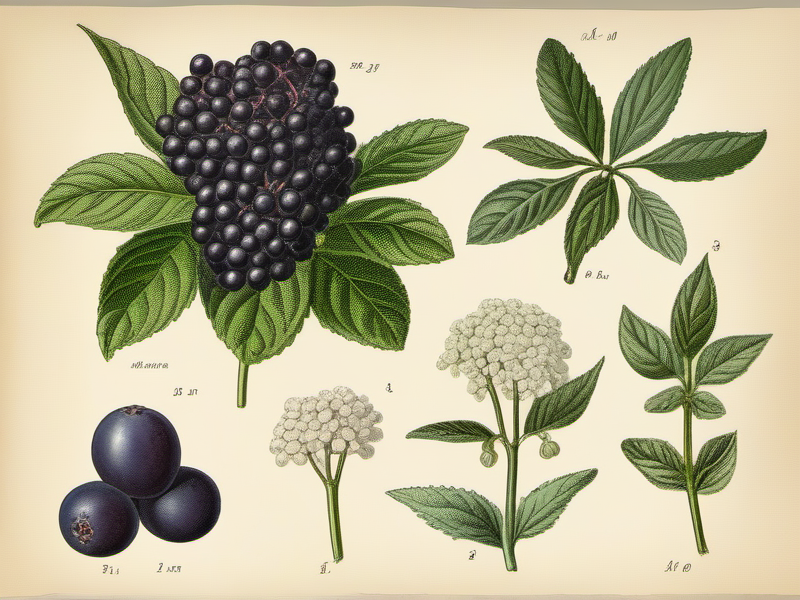
Somewhere between the folk memory of your great-grandmother's pantry and the fluorescent aisles of a Whole Foods, elderberry became a commodity. What was once a living tradition — a dark, astringent preparation made with patience and seasonal intelligence — is now a $500-million-a-year industry selling bottles of heated, sweetened, shelf-stabilized liquid that bears almost no chemical resemblance to the preparations that actually worked in clinical trials.
This is the story of how an ancient medicine was industrialized into impotence — and how to reverse the damage.
A Plant Older Than Medicine
Before we discuss the modern betrayal, it is worth understanding what was betrayed. Sambucus nigra — the European black elder — has one of the longest documented histories of medicinal use of any plant in the Western pharmacopoeia. Its relationship with human beings predates written language.
Stone Age settlements in Switzerland and northern Italy have yielded elderberry seeds in contexts that suggest intentional collection, not accidental deposition. The elder tree occupied a peculiar position in pre-Christian European cosmology: it was considered a gateway species, a tree that stood between the domestic world and the wild. In Norse mythology, the elder was sacred to the goddess Freyja. In Anglo-Saxon tradition, cutting an elder without asking permission of the tree's spirit — the Elder Mother — was believed to invite misfortune. The elder was the pharmacy tree, the tree you went to when you were sick, and the tree you treated with respect because of what it could do for you.
Hippocrates, writing in the fourth century BCE, described the elder as his "medicine chest." Pliny the Elder documented its use in the first century CE. Hildegard von Bingen prescribed elder preparations in the twelfth century. The Anatomie of the Elder — a 230-page medical text devoted entirely to Sambucus nigra — was published in English in 1677 by the physician Martin Blochwich, who catalogued its uses for over seventy ailments.
In every case, the preparation method was consistent: the berries were either fermented into wine, macerated in spirits, pressed into juice and consumed fresh, or dried and stored for winter use. The British Pharmacopoeia included elderberry preparations well into the nineteenth century. The tradition was robust, specific, and — as we now know — pharmacologically sound.
What the tradition did not include was boiling elderberries for 45 minutes, mixing the resulting liquid with a cup of honey, and selling it in a plastic bottle for $28.99.
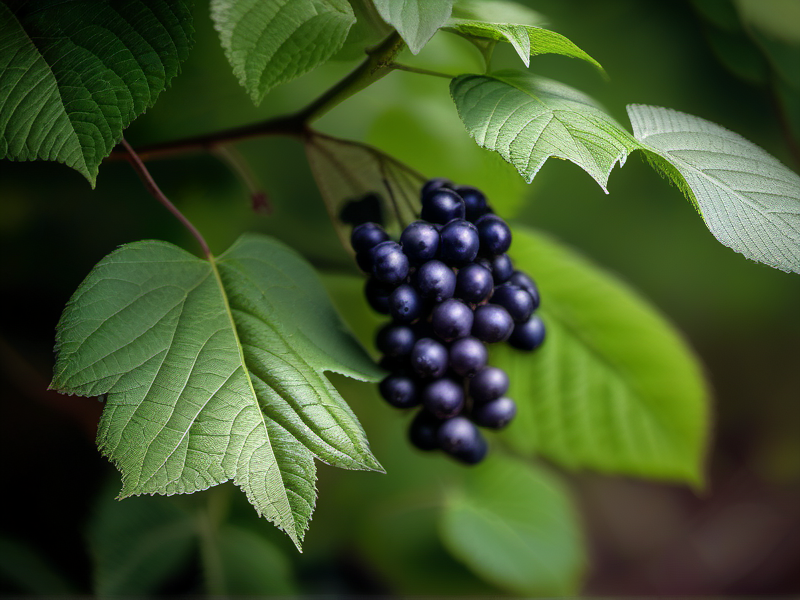
The Billion-Dollar Berry
Walk into any health food store in North America or Western Europe and you will find elderberry syrups occupying premium shelf space. The global elderberry supplements market was valued at approximately $380 million in 2024 and is projected to surpass $700 million by 2030, growing at a compound annual rate of nearly 7% [1]. The elderberry extract segment alone crossed $100 million in 2024 [2]. During the COVID-19 pandemic, elderberry products sold out in pharmacies worldwide as consumers scrambled for anything that might bolster their immune systems.
The marketing is consistent across brands: elderberry is "clinically studied," "traditionally used for centuries," and "packed with antioxidants." All of these statements are technically true. But they conceal a problem so fundamental that it renders most of the products on that shelf pharmacologically inert.
The problem is heat.
What the Clinical Trials Actually Used
Before we examine the destruction, we need to understand what was being destroyed — and what the science actually demonstrated. There are, to date, five randomized controlled trials on elderberry for upper respiratory infections. They are small. They are imperfect. But they show a remarkably consistent signal.
Zakay-Rones et al., 1995 — The Original
The story begins in 1993, on a kibbutz in southern Israel during an outbreak of influenza B/Panama. Virologist Zichria Zakay-Rones of Hebrew University conducted a placebo-controlled, double-blind study on 40 residents using Sambucol, a proprietary elderberry preparation [3].
The results were striking. Complete cure was observed after two days in 40% of patients treated with Sambucol, compared to just 16.7% of those on placebo. The average duration of illness was 2.7 days in the elderberry group versus 4 days for placebo. But perhaps more significantly, the in vitro component of the study demonstrated that the standardized elderberry extract reduced hemagglutination and inhibited replication of multiple influenza virus strains — including human influenza A (H3N2 and H1N1) and B strains [3].
The dosage: two tablespoons daily for children, four tablespoons daily for adults, taken for three days. The preparation contained elderberry juice, raspberry extract, glucose, citric acid, and honey. Note: this was not a boiled-down syrup. It was a juice-based extract.
Published in the Journal of Alternative and Complementary Medicine, the study was small but rigorous enough to launch a generation of research.
Zakay-Rones et al., 2004 — The Confirmation
Nine years later, Zakay-Rones returned with a larger, more robust trial. This time, 60 patients aged 18 to 54, presenting with influenza A or B symptoms during the 1999–2000 flu season in Norway, were randomized to receive either elderberry syrup or placebo [4].
The dosage was precise: 15 mL of elderberry syrup, four times daily, for five days.
Symptoms were relieved on average four days earlier in the elderberry group compared to placebo. The elderberry group also used significantly less rescue medication. The study was published in the Journal of International Medical Research and remains the most-cited elderberry trial in the literature [4].
But here is the detail that matters: the extract used was a standardized preparation with a defined anthocyanin content. It was not a kitchen-boiled syrup with honey. It was a controlled pharmaceutical-grade preparation where the bioactive compounds had been measured and preserved.
Kong, 2009 — The Lozenge
In a study of 64 adults (average age 40) presenting with flu symptoms, participants received elderberry lozenges containing 175 mg of a proprietary elderberry extract called ViraBLOC, taken four times daily for two days [5].
After 48 hours, flu symptoms were completely resolved in 28% of those taking elderberry lozenges, while none in the placebo group was symptom-free. Fever, headache, muscle aches, and nasal congestion improved significantly within the first 24 hours of treatment, with cough and mucus discharge following within 48 hours [5].
The study was funded by the manufacturer, which is worth noting. But the lozenge delivery system is relevant to our discussion: lozenges are not heated during manufacture in the way that liquid syrups are boiled.
Tiralongo et al., 2016 — The Air Traveler Study
This is the largest elderberry trial to date: 312 economy-class air travelers flying from Australia to overseas destinations, randomized to receive either elderberry extract capsules or placebo [6].
The dosage was 300 mg of a proprietary elderberry extract, taken two to three times daily, beginning ten days before travel and continuing for four to five days after arrival.
The placebo group experienced significantly longer cold episodes — 117 total days versus 57 days in the elderberry group (p = 0.02). Symptom severity scores were dramatically different: 583 in the placebo group versus 247 in the elderberry group (p = 0.05). Cold episodes occurred more frequently in the placebo group (17 vs. 12), though this difference did not reach statistical significance [6].
Published in Nutrients, this study is notable because the elderberry was delivered in capsule form — a preparation method that involves no heating of the extract itself.
Hawkins et al., 2019 — The Meta-Analysis
Hawkins and colleagues at the University of Sydney aggregated the available data in a meta-analysis published in Complementary Therapies in Medicine [7]. Their analysis included 180 participants across the treatment studies and found that elderberry supplementation "substantially" reduced upper respiratory symptoms, producing "a large mean effect size."
Their conclusion was measured but clear: elderberry presents "an alternative to antibiotic misuse for upper respiratory symptoms due to viral infections, and a potentially safer alternative to prescription drugs for routine cases of the common cold and influenza" [7].
Wieland et al., 2021 — The Systematic Review
The most comprehensive review, published in BMC Complementary Medicine and Therapies, examined all five RCTs [8]. For the common cold, elderberry reduced mean duration by approximately 2.13 days (95% CI: −4.16 to −0.10). For influenza, overall time to resolution was nearly 2.68 days shorter in the elderberry group compared to placebo [8].
However, the review classified these findings as "very low" certainty due to small sample sizes and methodological concerns. This is an honest assessment. But the consistent direction of effect across multiple independent trials — always favoring elderberry, never favoring placebo — is difficult to attribute to chance alone.
Porter and Bode, 2017 — The Antiviral Review
Randall Porter and Robert Bode published a comprehensive review of the antiviral properties of black elder products in Phytotherapy Research [9]. They confirmed that elderberry has demonstrated antiviral and antimicrobial properties in vitro, with a long ethnobotanical history of use. But they also identified a critical research gap: "A deficit of studies comparing these S. nigra products and standard antiviral medications makes informed and detailed recommendations for use of S. nigra extracts in medical applications currently impractical" [9].
This is the honest picture: elderberry works, but the evidence base is thin, the sample sizes are small, and the academic establishment is cautious. None of that changes the fact that the compounds in elderberry have demonstrated biological activity in every study that has used properly prepared extracts.
The Negative Trial: Macknin et al., 2020
Intellectual honesty demands we discuss the one trial that did not find a significant effect. Macknin and colleagues at the Cleveland Clinic conducted a randomized, double-blind, placebo-controlled trial among 87 influenza patients aged 5 and older, recruited from emergency departments. Patients received either elderberry extract or placebo within 48 hours of symptom onset [28].
The result: no significant difference between elderberry and placebo for symptom duration or severity.
This study is often cited as evidence that elderberry "doesn't work." But the details matter. The trial was conducted in emergency room patients — people sick enough to seek emergency care — representing a later and more severe stage of illness than the populations in the Zakay-Rones studies. The intervention window may have been too late. The dosage and preparation specifics also differed from earlier positive trials. And the study was underpowered for its primary endpoint, with only 87 participants completing the protocol.
What Macknin demonstrated is not that elderberry is ineffective. It demonstrated that elderberry may not rescue you once you are already in an emergency room. This is consistent with the mechanism: a viral entry inhibitor is most useful during the exponential growth phase of infection, not after the virus has already colonized your respiratory tract.
What the Trials Tell Us — and What They Don't
Taken together, the clinical trial literature paints a picture that is both promising and frustrating. Promising because the direction of effect is remarkably consistent: five of six randomized trials favor elderberry over placebo. Frustrating because the total number of participants across all positive trials is barely over 500, the studies were largely funded by manufacturers, and no trial has compared elderberry head-to-head against standard antivirals like oseltamivir.
The evidence is best characterized as "early-stage positive" — strong enough to justify further investigation, consistent enough to take seriously, but not yet definitive by the standards of modern evidence-based medicine. What is definitively established, however, is the biological mechanism by which elderberry's compounds interact with influenza viruses. And that mechanism depends entirely on the integrity of specific molecules.
The Compounds That Do the Work
Now we arrive at the chemistry — the part that the syrup manufacturers would prefer you not understand.
The Anthocyanin Profile
Elderberries (Sambucus nigra) derive their dark violet-black color from anthocyanins, a class of polyphenolic flavonoids. These are not merely pigments. They are the primary bioactive compounds responsible for elderberry's antiviral effects.
The anthocyanin profile of elderberry juice has been precisely characterized. In fresh European elderberries, the composition is dominated by three compounds [10][11]:
- Cyanidin-3-O-sambubioside: 560 ± 45 μg/mL in juice (51.4% of total anthocyanins). In fresh fruit, concentrations range from 159 to 647 mg per 100g. This is the principal active compound.
- Cyanidin-3-O-glucoside: 390 ± 30 μg/mL in juice (35.8% of total). In fresh fruit, 112 to 521 mg per 100g. This is the compound most studied for thermal degradation.
- Cyanidin-3-O-sambubioside-5-O-glucoside: 140 ± 21 μg/mL in juice (12.8% of total).
All anthocyanins characterized in S. nigra juice derive from cyanidin — a single aglycone backbone with different sugar moieties attached [10]. Total anthocyanin content in elderberry juice typically runs around 1,090 ± 35 μg/mL. In dried elderberry fruit, total anthocyanin content can reach extraordinary concentrations — up to 2,764 mg per 100g for cyanidin-3-sambubioside in some cultivars [11].
The Tiralongo air traveler study used an extract containing 15% anthocyanins (cyanidin and pelargonidin glycosides) at doses of 600–900 mg daily, providing 90–135 mg of anthocyanins per day [6]. This gives us a benchmark: a meaningful dose of elderberry anthocyanins is somewhere in the range of 90–135 mg daily for prevention, with treatment doses likely higher based on the Zakay-Rones syrup protocol (15 mL four times daily).
The Antiviral Mechanism
Here is where the science becomes genuinely fascinating.
Influenza viruses enter cells using two surface glycoproteins: hemagglutinin (HA), which binds to host cell receptors and facilitates entry, and neuraminidase (NA), which cleaves sialic acid residues and allows newly formed virus particles to escape the host cell and spread [12].
The elderberry anthocyanins attack both targets.
Hemagglutinin inhibition: Two flavonoids isolated from elderberry extract — 5,7,3',4'-tetra-O-methylquercetin and a related compound — have been shown to inhibit influenza virus infection by directly interfering with host cell receptor recognition and blocking HA-mediated binding [12][13]. Neuraminidase inhibition: Cyanidin-3-sambubioside, the principal anthocyanin in elderberry, binds to and inhibits the active pocket of the viral enzyme neuraminidase. This has been demonstrated by mass spectrometry and molecular docking studies [12]. In essence, it does pharmacologically what oseltamivir (Tamiflu) does — it blocks NA — but through a different binding mechanism. Replication inhibition: The Zakay-Rones studies demonstrated that elderberry extract reduces hemagglutination and inhibits viral replication across multiple influenza strains in cell culture [3][4]. Bacterial activity: Research has also shown that elderberry possesses antimicrobial activity against common respiratory pathogens including Streptococcus pyogenes (group A strep) and Branhamella catarrhalis — organisms frequently involved in secondary bacterial infections following influenza [6].This dual mechanism — blocking both viral entry and viral release — is why elderberry shows consistent effects across different influenza strains. It is not targeting a single viral protein that can easily mutate. It is interfering with fundamental aspects of viral replication.
It is worth pausing to appreciate how unusual this is. Oseltamivir (Tamiflu) targets only neuraminidase. It has no effect on hemagglutinin or viral entry. Amantadine, the older antiviral, targets only the M2 ion channel, and most current influenza strains are resistant to it. Elderberry's anthocyanins appear to interfere with multiple stages of the viral lifecycle simultaneously — a multi-target approach that pharmaceutical companies spend billions trying to engineer synthetically.
A 2021 in vitro study published in Nutraceuticals went further, demonstrating that European black elderberry fruit extract inhibits replication of SARS-CoV-2 — the virus that causes COVID-19 — in cell culture [29]. The mechanism appeared similar: interference with viral entry. This does not constitute evidence that elderberry treats or prevents COVID-19 in humans. But it does demonstrate that the antiviral mechanism is not limited to influenza and may extend to other enveloped viruses.
The Bioavailability Question
A common objection to anthocyanin-based medicine is that anthocyanins are poorly absorbed — and this is partially true. Oral bioavailability of anthocyanins is low compared to many pharmaceutical compounds. Studies tracking urinary excretion of elderberry anthocyanins after oral dosing have found that only a small fraction of the ingested dose appears in urine as intact anthocyanins [30].
However, this metric is misleading for three reasons.
First, anthocyanins are extensively metabolized by gut bacteria into phenolic acid metabolites — protocatechuic acid, vanillic acid, ferulic acid, and others — that are themselves biologically active and well-absorbed. The "low bioavailability" claim measures only intact parent compounds and ignores the active metabolite pool, which can persist in circulation for 24–48 hours after a single dose [30].
Second, anthocyanins accumulate in specific tissues at concentrations far higher than plasma levels would suggest. They have been detected in lung tissue, kidney tissue, and — critically for respiratory infections — in the epithelial lining of the upper respiratory tract. The relevant concentration is not the plasma level but the tissue-level concentration at the site of infection.
Third, the clinical trials worked. Whatever the bioavailability limitations, the doses used in the Zakay-Rones and Tiralongo studies produced measurable clinical outcomes. The pharmacokinetic models can catch up with the clinical data; the clinical data does not need to wait for the pharmacokinetic models.
Milbury and colleagues at Tufts University confirmed that elderberry anthocyanins are bioavailable in elderly women, with plasma anthocyanin levels peaking approximately one hour after consumption and correlating with increased serum antioxidant capacity [31]. The question is not whether anthocyanins reach the bloodstream — they do. The question is whether they reach the bloodstream in sufficient concentration to exert antiviral effects. The clinical trial data suggests they do, provided the anthocyanins were intact when consumed.
And that is the crux of the entire elderberry problem.
But all of this depends on the anthocyanins being intact.
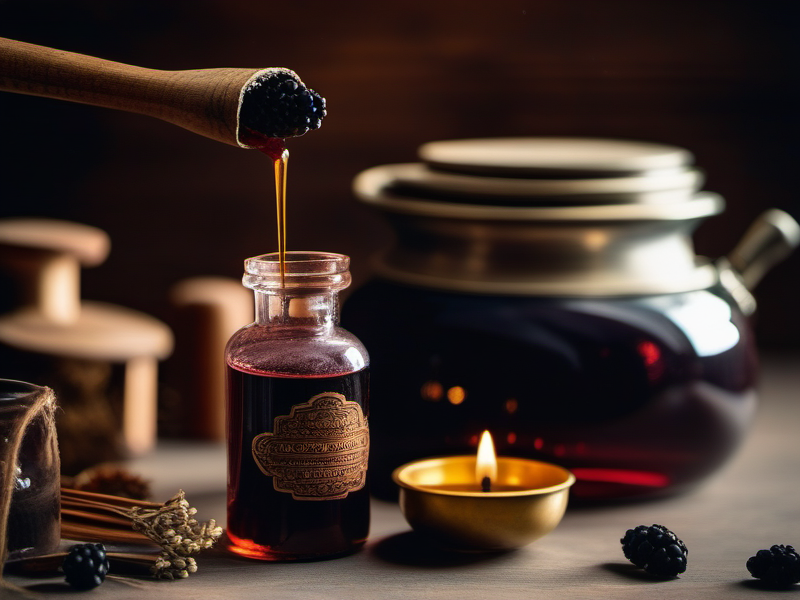
The Heat Problem: How Your Syrup Became Sugar Water
This is the section that should make you angry. Because once you understand the thermal stability of anthocyanins, you will understand that the vast majority of commercial elderberry syrups have had their active compounds systematically destroyed before they ever reached the bottle.
The Degradation Curve
Anthocyanins are among the most thermally unstable bioactive compounds in the plant kingdom. This has been extensively studied.
A comprehensive review published in Antioxidants in 2021 compiled half-life data for anthocyanins across multiple food matrices at various temperatures [14]:
At 60°C (140°F): - Fruit anthocyanins: mean half-life of 19.7 hours - Vegetable anthocyanins: mean half-life of 22.28 hours At 80°C (176°F): - Fruit anthocyanins: half-life drops drastically to 7.76 hours - Vegetable anthocyanins: 13.09 hours At 90°C (194°F): - Grape juice anthocyanins: half-life of just 2.79 minutes [14] At 125°C (257°F): - All anthocyanins: half-lives of less than 8 minutes [14]For the specific compound that matters most — pure cyanidin-3-O-glucoside — the data is even more damning. At 80°C and pH 3.0 (roughly the acidity of elderberry juice), cyanidin-3-O-glucoside has a half-life of just 6.4 hours. Raise the pH to 6.0 (less acidic, as occurs when sugar and water are added to make syrup), and that half-life decreases by an additional 72% [14].
Cyanidin-3-O-glucoside and pelargonidin-3-O-glucoside — the monoglycosidic anthocyanins found in berries like elderberry — are specifically identified as "more susceptible to heat" than acylated anthocyanins found in vegetables like red cabbage [14].
What Happens During Boiling
Now consider what happens when you make elderberry syrup the way nearly every recipe on the internet instructs: you simmer elderberries in water for 30 to 45 minutes at or near 100°C (212°F), then strain, add honey, and bottle.
At 100°C, you are operating far above the temperature at which anthocyanin destruction becomes rapid. Even at 70°C — well below simmering — aqueous extracts show approximately 30% anthocyanin degradation after just two hours [15]. At a full boil, the degradation follows first-order kinetics, meaning it accelerates exponentially.
The practical data from food science confirms this:
- Blackberry jam: 80% total anthocyanin loss after 30 minutes of boiling [14]
- Strawberry jam: 36–43% degradation after standard thermal treatment [14]
- Black rice boiling: 77% anthocyanin loss [15]
- Blueberry canning: 28% loss even in syrup (sugar provides some protection) [14]
And elderberry is particularly vulnerable. Research published in the Journal of Berry Research found that elderberry, with its softer peel, is "more prone to water extraction of anthocyanins and its degradation by heat" compared to other berries [16]. The specific anthocyanins in elderberry — cyanidin-3-sambubioside and cyanidin-3-glucoside — degrade faster than other cyanidin forms during thermal processing [17].
The Degradation Mechanism
When cyanidin-3-O-glucoside is heated, the first step is cleavage of the glycosidic bond, separating the cyanidin aglycone from its glucose sugar. The free cyanidin then rapidly degrades further into low-molecular-weight compounds — furan derivatives, pyran derivatives, and aromatic fragments that have no antiviral activity whatsoever [18].
Sadilova, Carle, and Stintzing demonstrated in Molecular Nutrition & Food Research that the degradation pathways differ depending on pH, but the end result is the same: the three-dimensional structure that allows these molecules to bind to viral hemagglutinin and neuraminidase is destroyed [19]. You are left with breakdown products that may still have some general antioxidant capacity, but the specific antiviral mechanism — the reason you bought the syrup in the first place — is gone.
What Commercial Processing Actually Does
Commercial elderberry syrups are worse than homemade, not better. The mass-production process typically involves:
- Hot-water extraction: Elderberries are simmered or boiled in water to extract color and flavor. Temperatures of 80–100°C for 30–60 minutes are standard.
- Pasteurization: To meet food safety requirements and achieve the shelf life demanded by retail distribution (typically 12–24 months), the syrup is pasteurized at 65–85°C for 15–30 minutes, or flash-pasteurized at higher temperatures for shorter durations.
- Concentration: Some manufacturers concentrate the extract by evaporation, which involves sustained heating.
- Sugar addition: High-sugar syrups (which dominate the market) further destabilize anthocyanins during the heating and mixing process.
By the time a commercial elderberry syrup reaches the shelf, it has been subjected to cumulative thermal exposure that would reduce anthocyanin content by 50–80% or more, depending on the specific process [14][16]. One study on elderberry juice processing found that even moderate pasteurization at 65°C for 30 minutes caused measurable anthocyanin degradation, while samples treated at 65°C for only 15 minutes retained significantly more anthocyanin content [20].
The elderberry croissant study — yes, someone studied elderberry croissants — provides an instructive data point. When elderberry juice was incorporated into croissants and baked, approximately 45% of the major anthocyanin (cyanidin-3-O-sambubioside) survived the baking process [10]. Baking involves high temperatures but for a relatively short duration. A syrup that has been simmered for 45 minutes has been exposed to heat for far longer than a croissant spends in an oven. Do the math.
The Frozen vs. Dried Comparison
Research has confirmed what common sense suggests: frozen elderberry samples retain significantly higher anthocyanin content compared to dried samples, "probably due to the degradation of anthocyanins during the drying process" [20]. Even gentle dehydration at temperatures well below boiling causes anthocyanin loss. But freezing — which involves no heat at all — preserves them almost completely.
This is a critical insight for anyone who wants to actually benefit from elderberry.
A Visual Test You Can Do at Home
There is a crude but informative test anyone can perform. Place a few drops of a properly made elderberry tincture (cold-macerated in alcohol for six weeks) on a white plate. The color should be an intense, almost opaque purple-black that stains the plate. Now place a few drops of a commercial elderberry syrup next to it. In most cases, the syrup will be a dull, brownish-red — the telltale color of degraded anthocyanins.
This is not a laboratory assay. But it is directionally accurate. Intact cyanidin anthocyanins produce a vivid blue-purple color at the pH of elderberry preparations (roughly 3.0–4.0). When those anthocyanins are thermally degraded, the color shifts toward brown and red as the cyanidin backbone fragments. The difference is visible to the naked eye.
If your elderberry preparation looks more like weak tea than dark ink, the anthocyanins are gone.
Other Factors That Destroy Anthocyanins
Heat is the primary villain, but it is not the only one. Several other factors accelerate anthocyanin degradation in elderberry preparations:
Light: UV and visible light catalyze the photo-oxidation of anthocyanins. This is why traditional herbalists always stored elderberry preparations in dark glass or ceramic containers — never clear glass. A bottle of elderberry syrup sitting on a sunlit shelf is losing potency by the hour. Amber glass blocks the most damaging wavelengths; cobalt blue glass is even better. Oxygen: Anthocyanins are readily oxidized. Every time you open a bottle of elderberry syrup and expose it to air, oxidation occurs. Tinctures in small dropper bottles with minimal headspace experience less oxygen exposure than large syrup bottles that are repeatedly opened and resealed. pH shifts: Anthocyanins are most stable at low pH (acidic conditions, pH 1–3). As pH rises toward neutral, stability decreases sharply. When sugar, water, and other ingredients are added to elderberry juice to make a commercial syrup, the pH typically rises from approximately 3.0 to 4.0–5.0, further destabilizing the anthocyanins. The addition of citric acid to maintain low pH is one of the few things commercial manufacturers do that actually helps — but it is insufficient to compensate for the damage caused by heating. Metal ions: Iron and copper ions catalyze anthocyanin degradation. Stainless steel cookware is preferable to cast iron or copper when preparing elderberry. Glass is ideal. Enzymes: Polyphenol oxidase (PPO), an enzyme present in elderberry tissue, catalyzes the browning and degradation of anthocyanins. PPO is active at room temperature and accelerated by cell damage (crushing, pressing). This enzyme is denatured at approximately 70°C — which is, ironically, one of the few arguments for a brief, controlled heat treatment. Alternatively, the enzyme is inhibited by alcohol and by acidic conditions below pH 3.0.The ideal preparation, therefore, avoids heat, light, oxygen, and elevated pH while either denaturing or inhibiting PPO. An alcohol-based tincture in an amber glass bottle, stored in the dark, accomplishes all of these simultaneously.
The Sugar Problem
There is a secondary issue with commercial elderberry syrups that compounds the heat problem: sugar.
Most commercial elderberry syrups contain between 40% and 60% sugar by volume, typically as honey, cane sugar, or concentrated fruit juice. This serves three purposes: it masks the natural astringency of elderberry, it acts as a preservative, and it makes the product palatable — especially to children, who are a major market demographic.
The problem is that high sugar concentrations do not protect anthocyanins during heating. While sugar provides modest stability to some anthocyanins in acid conditions (this is why jam retains some color), the protection is partial at best. And the sugar itself introduces a different concern: you are consuming 10–15 grams of sugar per tablespoon of syrup. At the Zakay-Rones dosage of 15 mL four times daily, that is 40–60 grams of added sugar per day — roughly equivalent to drinking a can of soda.
During an acute illness, when inflammatory pathways are already activated and insulin sensitivity may be impaired, flooding the body with sugar is precisely the wrong approach. There is a reason traditional preparations used honey sparingly and alcohol generously — alcohol is a superior solvent for phenolic compounds, and it does not spike blood glucose.
The Safety Paradox: Sambunigrin and the Cyanide Question
At this point, the obvious question arises: if heat destroys the good compounds, why do we heat elderberries at all?
The answer is sambunigrin.
The Cyanogenic Glycoside
Sambucus nigra contains cyanogenic glycosides — compounds that release hydrogen cyanide (HCN) upon enzymatic hydrolysis. The principal cyanogenic glycoside in elderberry is sambunigrin, a diastereomer of prunasin derived from (S)-mandelonitrile [21].When consumed, these compounds are cleaved by the enzyme beta-glucosidase (present both in the plant tissue and in the human gut), releasing benzaldehyde and hydrogen cyanide. The clinical symptoms of acute cyanide toxicity from plant sources include nausea, vomiting, headache, dizziness, cyanosis, liver damage, hypotension, fever, mental confusion, and in extreme cases, death [22].
This is not theoretical. In 1983, a group of 25 people in Monterey County, California, were hospitalized after drinking juice pressed from fresh, raw elderberries. The CDC investigation confirmed cyanide poisoning.
Where the Cyanide Actually Is
Here is where the story becomes more nuanced than the "always cook your elderberries" mantra suggests.
The distribution of cyanogenic glycosides within the elderberry plant is highly uneven. Research published in Molecules analyzed American elderberry tissues and found the following hierarchy of total cyanogenic potential [22]:
Highest to lowest cyanide content: - Stems: 37.43 ± 9.19 μg CN⁻ equivalent/g - Whole green (unripe) berries: 25.6 ± 5.07 μg CN⁻ equivalent/g - Skin and pulp: moderate levels - Seeds: 0.12–2.38 μg/g - Whole ripe berries: lowest levels (0.12–6.38 μg/g in intact tissues) - Pressed ripe berry juice: 0.29–2.36 μg/mL - Commercial processed juice: no quantifiable trace detected [22]The critical revelation: ripe elderberry fruit contains the lowest cyanogenic glycoside levels of any plant tissue, and the juice of ripe berries contains even less. The stems, leaves, and unripe green berries are the dangerous parts — not the ripe fruit.
The study's safety assessment was unequivocal: "Concentration levels in all tissues were generally low and at a level that poses no threat to consumers of fresh and processed AE products" [22].
The Monterey County poisoning? Those people were drinking juice that included stems and unripe berries. They were not consuming carefully pressed juice from fully ripe fruit.
How Processing Reduces Cyanogenic Glycosides
Higher processing temperatures decrease cyanogenic glycoside levels dramatically:
- Elderberry juice: 44% reduction after standard processing
- Elderberry tea: 80% reduction
- Elderberry liqueur and spread: 96% reduction [22][23]
Boiling does two things: it denatures beta-glucosidase (the enzyme that liberates HCN from the glycoside), and it volatilizes free HCN, which has a boiling point of just 25.6°C (78°F). So even brief heating above 26°C will drive off any free hydrogen cyanide.
But here is the critical nuance: you do not need to boil elderberries for 45 minutes to achieve safety. The cyanogenic glycosides begin breaking down at temperatures far below those that destroy anthocyanins. The enzyme beta-glucosidase is denatured (permanently inactivated) at temperatures above 60°C. Brief heating to 70°C for 10–15 minutes is sufficient to neutralize the cyanogenic risk while preserving a substantial portion of the anthocyanin content.
And there are alternatives to heat entirely.
Alcohol Neutralization
Ethanol is a potent denaturant of beta-glucosidase. When elderberries are macerated in alcohol of 40% ABV or higher (80 proof), the enzyme is denatured, and the cyanogenic glycosides cannot be cleaved to release hydrogen cyanide. The glycosides themselves are not toxic — only the HCN released by enzymatic cleavage is dangerous [21].
This is why traditional European elderberry preparations so often involved alcohol: elderberry wine, elderberry cordial, elderberry liqueur. These preparations were not boiled. They were fermented or macerated in alcohol. The alcohol simultaneously extracted the anthocyanins and neutralized the cyanogenic risk.
Fermentation
Traditional lacto-fermentation and alcoholic fermentation both neutralize cyanogenic glycosides effectively. The 96% reduction in cyanogenic glycosides observed in elderberry liqueur [22] is achieved not through prolonged boiling but through the combined action of fermentation, alcohol production, and the passage of time.
Drying
Air-drying elderberries at low temperatures (below 40°C / 104°F, or using a dehydrator at its lowest setting) causes the cellular structure to break down slowly, allowing the volatile HCN to dissipate over time while preserving a greater proportion of the anthocyanin content than boiling would. Freeze-drying is even more effective, preserving both the anthocyanin profile and eliminating cyanogenic risk.
The Cytokine Storm Myth
Before we move to practical preparations, we need to address an idea that spread virally during 2020: the claim that elderberry could cause a "cytokine storm" — an overactivation of the immune system that was implicated in severe COVID-19 cases.
The concern originated from a single 2001 in vitro study that found Sambucol elderberry formulations increased production of certain proinflammatory cytokines (IL-1β, TNF-α, IL-6, IL-8) compared to lipopolysaccharide (LPS), a standard immune activator, in cell culture [24].
Social media translated this into a warning: "elderberry will make your immune system overreact and kill you."
The reality, as examined in multiple reviews since then, is far more measured:
- The cytokine increase was modest: Elderberry extract produced a 2- to 6-fold increase in these cytokines in cell culture. For context, running a marathon produces a 100-fold increase in the same cytokines in living humans [25]. If a 6x in vitro increase were genuinely dangerous, every jogger would be dead.
- No human trial has confirmed the effect: The one randomized, placebo-controlled human trial that measured inflammatory cytokines found no effect of elderberry on TNF-α or IL-6 levels [25].
- Zero published case reports: There are no studies on PubMed documenting elderberry-induced cytokine storms in humans. Not one [25].
- The systematic review conclusion: Wieland et al. concluded that "elderberry may be a safe option for treating viral respiratory illness, and there is no evidence that it overstimulates the immune system" [8].
The cytokine storm fear was a case of in vitro data being catastrophically misapplied to human physiology. Isolated cells in a dish do not behave like a complete immune system with its layers of negative feedback, regulatory T cells, and anti-inflammatory cascades.
That said, a reasonable precaution applies: once a severe cytokine-driven inflammatory process is already underway — in any illness, not just COVID — adding any immune-stimulating substance is unwise. Elderberry is a preventive and early-intervention agent, not a treatment for late-stage critical illness. This distinction matters.
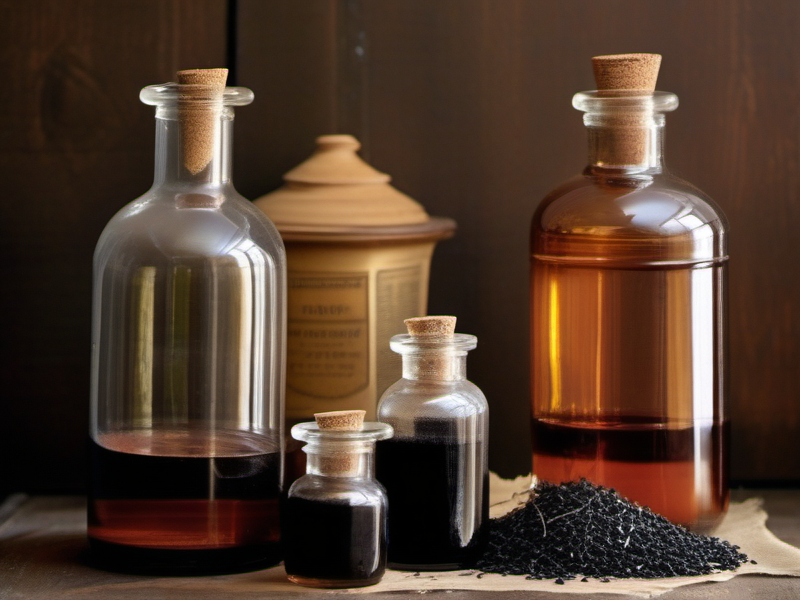
How to Make Preparations That Actually Work
Now we arrive at the practical section — the part that the supplement industry does not want you to read, because it demonstrates how easy and inexpensive it is to make elderberry preparations at home that are pharmacologically superior to anything on the shelf.
Method 1: The Cold Maceration Tincture (The Gold Standard)
This is the preparation most closely aligned with traditional European practice and the one that best preserves the full anthocyanin profile. No heat is applied at any point.
Ingredients: - 200g dried elderberries (Sambucus nigra), sourced from a reputable supplier. European cultivars have the highest anthocyanin content. Ensure they are fully ripe (dark purple-black, no green or red berries). - 750 mL vodka, 80 proof (40% ABV) or higher. Alternatively, use food-grade ethanol diluted to 50–60% ABV for a stronger extraction. Equipment: - 1-quart mason jar with lid - Cheesecloth or fine mesh strainer - Amber glass dropper bottles for storage Process:- Inspect and clean the dried berries. Remove any stem fragments — stems contain the highest concentration of cyanogenic glycosides. This step is not optional.
- Fill the mason jar approximately one-third to one-half full with dried elderberries. If using fresh-frozen berries (preferred for maximum anthocyanin content), fill the jar halfway.
- Pour alcohol over the berries until the jar is full, ensuring all berries are submerged by at least 2 cm (1 inch) of liquid. The alcohol serves three functions: it extracts the anthocyanins, it denatures the beta-glucosidase enzyme (neutralizing cyanogenic risk), and it preserves the preparation indefinitely.
- Seal tightly and label with the date.
- Store in a cool, dark place — a pantry cupboard, a cellar, a closet. Not the refrigerator (too cold slows extraction), and never in sunlight (UV light degrades anthocyanins as effectively as heat).
- Shake gently every one to two days for the first two weeks, then weekly thereafter.
- Macerate for a minimum of four weeks, ideally six to eight weeks. Some traditional herbalists extend maceration to three months. The alcohol will turn a deep, almost opaque purple-black. This color is your visual indicator of anthocyanin extraction.
- Strain through cheesecloth, squeezing firmly to extract all liquid from the berries. Discard the spent berry material (or compost it).
- Bottle in amber glass. Stored in a cool, dark place, this tincture will retain potency for three to five years.
The alcohol content per dose is minimal — less than what you would find in a tablespoon of vanilla extract.
Method 2: The Low-Temperature Syrup (The Compromise)
If you want a syrup — perhaps for children, or because you prefer the taste — the key is controlling temperature. The goal is to stay below 70°C (158°F) for as long as possible, and never to boil.
Ingredients: - 200g dried elderberries (stems removed) - 750 mL filtered water - 250g raw, unprocessed honey (added after cooling — never heated above 40°C) - Optional: 1 cinnamon stick, 5 whole cloves, 2 cm fresh ginger root (these add complementary antimicrobial compounds) Equipment: - Heavy-bottomed saucepan - Cooking thermometer (essential, not optional) - Fine mesh strainer and cheesecloth - Glass bottles for storage Process:- Combine berries and water in the saucepan. If using spices, add them now.
- Heat slowly to 65–70°C (149–158°F). Monitor with a thermometer. This temperature is sufficient to denature beta-glucosidase and begin extraction, while minimizing anthocyanin degradation.
- Hold at 65–70°C for 45–60 minutes. Do not allow the temperature to exceed 70°C. Do not simmer. Do not boil. This is the crucial step. At 60°C, fruit anthocyanins have a half-life of nearly 20 hours [14]. At 70°C, that half-life shortens but remains in the range of 8–10 hours for elderberry-type anthocyanins. A 60-minute exposure at 65–70°C will destroy some anthocyanins — perhaps 10–15% — but will preserve the vast majority.
- Remove from heat and allow to cool to 40°C (104°F) or below. This takes about 30–45 minutes.
- Strain through cheesecloth, pressing the berries to extract all liquid.
- Add honey to the strained liquid and stir until dissolved. Honey must be added after cooling because raw honey contains its own bioactive enzymes (diastase, invertase, glucose oxidase) that are destroyed above 40°C. Heating honey also produces hydroxymethylfurfural (HMF), a compound associated with oxidative stress.
- Bottle in glass and refrigerate. This preparation has a shelf life of approximately 8–12 weeks refrigerated. For longer storage, add 50 mL of 80-proof vodka per 500 mL of syrup — this will extend shelf life to 4–6 months while adding additional extraction capacity.
Method 3: The Frozen Berry Glycerite (Alcohol-Free, Child-Friendly)
For those who cannot or will not use alcohol, vegetable glycerin provides a viable alternative solvent that operates at room temperature.
Ingredients: - 200g frozen elderberries (freeze fresh, ripe berries yourself, or purchase frozen from a trusted source) - 500 mL food-grade vegetable glycerin (USP grade) - 250 mL filtered water Process:- Thaw the berries slightly — just enough that they are softened but still cold. The freeze-thaw cycle ruptures cell walls, improving extraction.
- Combine berries, glycerin, and water in a clean glass jar. The glycerin-water ratio (2:1) provides good solvent properties for phenolic compounds.
- Macerate for 6–8 weeks in a cool, dark place, shaking daily for the first two weeks, then every few days thereafter.
- Strain, press, and bottle in amber glass. Refrigerate.
- Shelf life: approximately 12–18 months refrigerated.
Method 4: The Double Extraction (Maximum Potency)
This method combines cold alcohol extraction with a brief low-temperature water extraction to capture both alcohol-soluble and water-soluble compounds.
Phase 1 — Alcohol Extraction: Follow Method 1 exactly, macerating 200g dried elderberries in 500 mL of 80-proof vodka for six weeks. Strain and reserve the tincture. Phase 2 — Low-Temperature Water Extraction: Take the spent berries from Phase 1 (they still contain water-soluble polysaccharides and some residual anthocyanins) and simmer them in 500 mL of water at 65–70°C for 45 minutes. Strain and discard the berries. Combine: Allow the water extract to cool completely, then combine it with the alcohol tincture. Add 200g of raw honey if desired (after cooling). Bottle in amber glass.This preparation captures the full spectrum of elderberry's bioactive compounds: the alcohol phase extracts anthocyanins and lipophilic flavonoids, while the water phase extracts polysaccharides that have their own immunomodulatory properties. Research has shown that polysaccharides from elderberry extract enhance dendritic cell-mediated T cell immune responses through mechanisms distinct from the anthocyanin pathway [26].
What to Look For If You Must Buy
Not everyone will make their own preparations. If you are purchasing elderberry products, here is what to look for — and what to avoid.
Green Flags
- Standardized anthocyanin content: The label should specify a percentage or mg amount of anthocyanins. The Tiralongo study used an extract standardized to 15% anthocyanins [6]. If the label does not mention anthocyanin content, the manufacturer either has not measured it or does not want you to know.
- Capsules or lozenges over syrups: Capsule and lozenge preparations avoid the thermal processing that destroys anthocyanins in liquid syrups. The Kong lozenge study and the Tiralongo capsule study both used non-heated delivery systems [5][6].
- Freeze-dried or cold-processed claims: These indicate manufacturing methods that preserve more bioactive compounds.
- Tincture or extract in alcohol base: Traditional alcohol-based extracts preserve anthocyanins far better than heated syrups. Research indicates alcohol-based extraction captures significantly more antioxidant compounds than heat-treated preparations [27].
- European Sambucus nigra: European elderberry varieties generally contain higher anthocyanin concentrations than American Sambucus canadensis varieties, though both are active.
Red Flags
- "Cooked with care" or "simmered" on the label: This means the anthocyanins have been heat-degraded.
- Sugar as the first or second ingredient: You are buying sugar water with elderberry flavoring.
- No standardization information: If the manufacturer cannot tell you how much anthocyanin is in the product, they are selling color, not medicine.
- Shelf life of 18–24 months at room temperature: This requires pasteurization levels of processing that are incompatible with anthocyanin preservation. Properly made elderberry tincture lasts years because the alcohol preserves it — not because it has been sterilized by heat.
- "Proprietary blend" hiding the elderberry dose: If you cannot determine how many milligrams of elderberry extract you are consuming per dose, you cannot compare it to what was used in clinical trials.
Sourcing Your Elderberries
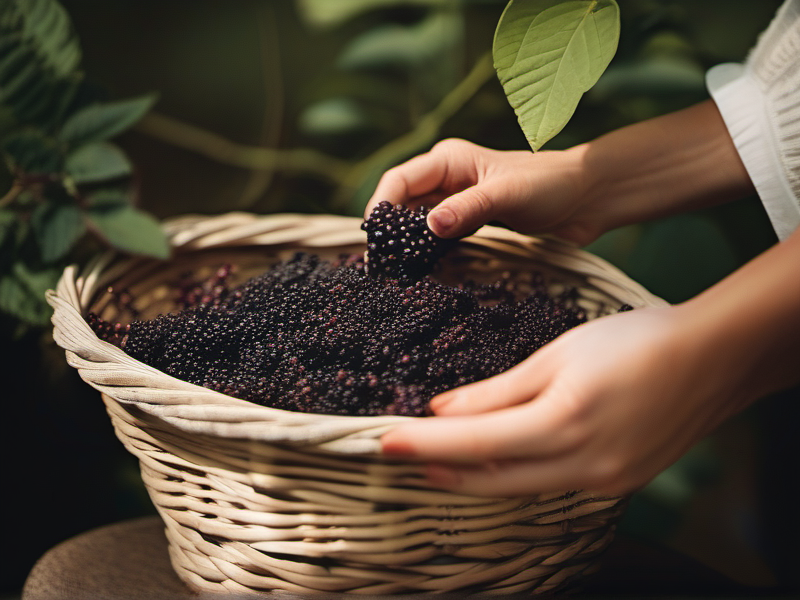
The quality of your starting material determines the ceiling of your preparation's potency. Not all elderberries are equal.
Species Matters
The clinical trials used Sambucus nigra — the European black elderberry. This is the species with the highest documented anthocyanin content and the most extensive research base. American elderberry (Sambucus nigra subsp. canadensis, sometimes classified as Sambucus canadensis) is closely related and also contains significant anthocyanins, but European cultivars generally test higher.
Do not confuse either with Sambucus racemosa (red elderberry) or Sambucus ebulus (dwarf elder). Red elderberry has a different chemical profile and is considered more toxic. Dwarf elder is not a tree but a herbaceous perennial, and its berries should not be used.
Fresh vs. Dried vs. Frozen
Fresh berries offer the highest anthocyanin content but must be processed quickly. Berries begin losing anthocyanins within 24–48 hours of harvest at room temperature due to enzymatic browning. If you have access to fresh elderberries, either process them immediately or freeze them within hours of harvest. Frozen berries are the next best option. Flash-freezing preserves anthocyanin content almost completely and has the additional benefit of rupturing cell walls through ice crystal formation, which improves extraction efficiency when the berries are later used in tinctures or low-temperature preparations. Frozen elderberries are increasingly available from specialty suppliers and farmers' markets. Dried berries are the most practical option for most people. Properly dried elderberries retain substantial anthocyanin content — concentrations of cyanidin-3-sambubioside can reach 2,764 mg per 100g in dried fruit, compared to 159–647 mg per 100g in fresh [11]. This concentration occurs because water loss increases the per-weight concentration of all compounds, including anthocyanins. However, some anthocyanin degradation does occur during drying, particularly if drying temperatures exceed 40°C. Look for suppliers who air-dry or use low-temperature dehydration. Avoid any product that appears brownish rather than deep purple-black.Foraging Considerations
Sambucus nigra grows wild across much of Europe and North America. If you forage, the critical rules are:- Positive identification is essential. Elder can be confused with water hemlock (Cicuta spp.) when not in flower or fruit, with potentially fatal consequences. Learn the tree in all seasons before harvesting.
- Harvest only fully ripe berries. Ripe elderberries are uniformly deep purple-black. Any red, green, or hard berries in the cluster indicate immaturity and higher cyanogenic glycoside content. Discard entire clusters that are not fully ripe.
- Remove all stems. Strip berries from stems with a fork or by hand. The stems contain the highest concentration of cyanogenic glycosides — up to 37 μg CN⁻ equivalent per gram [22]. A few stem fragments in a batch of berries destined for alcohol tincture are not dangerous (the alcohol denatures the enzyme), but it is good practice to remove them regardless.
- Avoid roadside trees. Heavy metals from exhaust accumulate in berries and leaves. Harvest from trees at least 50 meters from busy roads.
- Do not harvest from trees that have been sprayed. Elder grows prolifically in hedgerows on agricultural land, where it may be subject to herbicide or pesticide drift.
Commercial Dried Berry Sources
For those who do not forage, European-sourced dried Sambucus nigra berries are available from herbal suppliers. Look for:
- Origin clearly stated as European (Austria, Germany, Hungary, Poland, and the UK are major sources)
- Organic certification or at minimum pesticide-free claims
- Deep purple-black color with no brown oxidation
- Berries that are intact, not crushed into fragments (crushing accelerates oxidation)
- Harvest date or "best by" date within 12–18 months of purchase
A kilogram of high-quality dried elderberries costs between $15 and $30, depending on source and quantity. From this, you can produce approximately 2–3 liters of tincture — enough to supply a household for an entire cold and flu season, at a cost of roughly $0.10 per dose. Compare this to $25–$35 for a 120 mL bottle of commercial elderberry syrup that provides perhaps 8–16 doses of pharmacologically questionable liquid.
The economics, like the chemistry, favor making your own.
The Dosing Reality
Based on the totality of clinical evidence, here are the dosing parameters that have demonstrated efficacy:
For Prevention (Common Cold/Flu Season)
- Extract capsules: 300 mg standardized elderberry extract, 2–3 times daily (Tiralongo protocol) [6]
- Tincture: 2–3 mL, twice daily
- Low-temperature syrup: 15 mL (1 tablespoon) once daily
For Treatment (Within First 48 Hours of Symptoms)
- Syrup: 15 mL, four times daily for five days (Zakay-Rones protocol) [4]
- Lozenges: 175 mg elderberry extract, four times daily for two days (Kong protocol) [5]
- Tincture: 5 mL, four times daily for five days
Duration
- Prevention: continuous throughout cold/flu season (typically October through March in the Northern Hemisphere)
- Treatment: 3–5 days from symptom onset. The evidence for benefit diminishes rapidly after 48 hours from first symptoms — just as with oseltamivir.
The 48-Hour Window
This point deserves emphasis. In the Zakay-Rones and Kong studies, treatment was initiated within 24–48 hours of symptom onset [4][5]. This aligns with the mechanism of action: if elderberry works primarily by blocking viral entry and release, it will be most effective when viral replication is still in its exponential growth phase. Once the virus has already infected millions of cells and the immune response is fully engaged, blocking further viral entry becomes less relevant.
Start early, or do not bother.
Elderberry vs. Oseltamivir: The Comparison Nobody Makes
One of the most glaring gaps in the elderberry literature is the absence of a direct comparison with oseltamivir (Tamiflu), the most widely prescribed antiviral for influenza. Porter and Bode identified this gap explicitly in their 2017 review [9]. No such head-to-head trial has been conducted. But we can compare the existing data.
Oseltamivir: A Cochrane review of oseltamivir (the definitive analysis, incorporating data from manufacturer trials obtained through regulatory channels) found that it reduced the duration of influenza symptoms by approximately 16.8 hours in adults — from 7 days to 6.3 days [32]. It did not reduce hospitalization rates, pneumonia, or complications requiring antibiotics. Side effects include nausea and vomiting in 4–5% of users. Elderberry: The Zakay-Rones 2004 trial found that elderberry reduced symptom duration by approximately four days [4]. The Wieland systematic review calculated a mean reduction of 2.68 days for influenza [8]. No significant adverse effects were reported in any trial.The comparison is striking. Even using the most conservative elderberry estimate (2.68 days reduction), it outperforms oseltamivir (0.7 days reduction) by a factor of nearly four. Oseltamivir costs $75–$150 per course, requires a prescription, and must be started within 48 hours. Elderberry tincture can be made at home for cents per dose, requires no prescription, and — based on the Tiralongo data — may also be effective as a preventive [6].
Now, a critical caveat: the elderberry trials are far smaller and less rigorously designed than the oseltamivir trials. The Cochrane oseltamivir review incorporated data from over 9,000 participants; the total elderberry evidence base involves fewer than 600. Direct comparison is therefore speculative. But the direction and magnitude of the signal should be enough to justify the large-scale, independently funded trials that have never materialized — and to raise uncomfortable questions about why they have not.
The pharmaceutical economics are transparent: oseltamivir generated over $18 billion in revenue for Roche. No one can patent a berry.
The Broader Lesson
The elderberry story is a microcosm of what has gone wrong with the commercialization of traditional medicine.
A plant that European folk practitioners used effectively for centuries — in the form of wines, cordials, tinctures, and cold-pressed preparations — was "discovered" by the supplement industry, stripped of its traditional preparation methods, subjected to industrial processing that destroyed its active compounds, sweetened into palatability, and sold back to consumers at a 10,000% markup.
The clinical trials that demonstrated elderberry's efficacy used carefully standardized extracts with measured anthocyanin content. The products that consumers actually purchase have unknown anthocyanin content that was likely destroyed during manufacturing. This is the lie at the center of the elderberry industry: the label says elderberry, the studies say elderberry, but the chemistry inside the bottle says sugar water with degraded pigment fragments.
This is not a conspiracy. It is simply the inevitable result of applying food-manufacturing logic to a pharmacological problem. Food manufacturers optimize for shelf life, consistency, palatability, and safety — in that order. Bioactive potency is not on the list. The FDA does not require supplement manufacturers to demonstrate that their products contain therapeutically relevant concentrations of active compounds. A bottle of elderberry syrup can legally contain zero intact anthocyanins and still be sold as an elderberry product, as long as elderberry was an ingredient at some point in the process.
The irony runs deeper still. The very safety concern that is used to justify aggressive heating — cyanogenic glycosides — turns out to be largely irrelevant to ripe berry preparations. The cyanide is in the stems, the leaves, and the green fruit. Ripe berries pressed into juice contain trace levels that pose no credible risk to consumers [22]. The thermal processing that destroys the medicine is solving a safety problem that, with proper sourcing and preparation, barely exists.
What Needs to Happen
Three things would transform the elderberry landscape:
- Independent, adequately powered clinical trials. A 500-person RCT comparing standardized elderberry extract to oseltamivir and placebo, funded by an independent body, would settle the efficacy question definitively. The cost would be trivial by pharmaceutical trial standards — perhaps $2–3 million. The NIH funds larger trials for less promising compounds every year.
- Mandatory anthocyanin standardization for elderberry products. If a manufacturer claims their product is elderberry, the label should state the anthocyanin content in milligrams per dose, measured by validated analytical methods (HPLC-MS/MS). The technology exists. The cost per test is minimal. The only barrier is regulatory will.
- Consumer education about preparation methods. The information in this article is not secret. It is published in peer-reviewed journals and available in university food science departments. But it has not reached the people who need it — the consumers spending hundreds of dollars a year on products that are pharmacologically empty.
Until those changes occur, the responsibility falls to individuals. Learn the chemistry. Make the preparation. Control the temperature. Dose appropriately.
The solution is older than the problem. Use alcohol or cold maceration. Keep the temperature below 70°C. Measure your dose. Start within 48 hours of symptoms. And stop buying $30 bottles of elderberry-flavored honey.
The compounds that work — cyanidin-3-sambubioside and cyanidin-3-glucoside — are there in the berry, waiting to be extracted. They just cannot survive a pot of boiling water.
Your great-grandmother knew this. She made elderberry wine, not elderberry syrup.
It is time to remember why.
References
[1] Mordor Intelligence. "Elderberry Supplements Market Size & Share Analysis." Industry Research Report, 2025.
[2] Cognitive Market Research. "Global Elderberry Extract Market Size." Market Report, 2024.
[3] Zakay-Rones, Z., Varsano, N., Zlotnik, M., et al. "Inhibition of Several Strains of Influenza Virus in Vitro and Reduction of Symptoms by an Elderberry Extract (Sambucus nigra L.) during an Outbreak of Influenza B Panama." Journal of Alternative and Complementary Medicine, 1(4): 361–369, 1995.
[4] Zakay-Rones, Z., Thom, E., Wollan, T., Wadstein, J. "Randomized Study of the Efficacy and Safety of Oral Elderberry Extract in the Treatment of Influenza A and B Virus Infections." Journal of International Medical Research, 32(2): 132–140, 2004.
[5] Kong, F. "Pilot Clinical Study on a Proprietary Elderberry Extract: Efficacy in Addressing Influenza Symptoms." Online Journal of Pharmacology and PharmacoKinetics, 5: 32–43, 2009.
[6] Tiralongo, E., Wee, S.S., Lea, R.A. "Elderberry Supplementation Reduces Cold Duration and Symptoms in Air-Travellers: A Randomized, Double-Blind Placebo-Controlled Clinical Trial." Nutrients, 8(4): 182, 2016.
[7] Hawkins, J., Baker, C., Cherry, L., Dunne, E. "Black Elderberry (Sambucus nigra) Supplementation Effectively Treats Upper Respiratory Symptoms: A Meta-analysis of Randomized, Controlled Clinical Trials." Complementary Therapies in Medicine, 42: 361–365, 2019.
[8] Wieland, L.S., Piechotta, V., Feinberg, T., et al. "Elderberry for Prevention and Treatment of Viral Respiratory Illnesses: A Systematic Review." BMC Complementary Medicine and Therapies, 21: 112, 2021.
[9] Porter, R.S., Bode, R.F. "A Review of the Antiviral Properties of Black Elder (Sambucus nigra L.) Products." Phytotherapy Research, 31(4): 533–554, 2017.
[10] Guadalupe, Z., Bravo-Ferrada, B.M., Ferreyra, S., et al. "Anthocyanin Profile of Elderberry Juice: A Natural-Based Bioactive Colouring Ingredient with Potential Food Application." Molecules, 24(13): 2471, 2019.
[11] Veberic, R., Jakopic, J., Stampar, F., Schmitzer, V. "European Elderberry (Sambucus nigra L.) Rich in Sugars, Organic Acids, Anthocyanins and Selected Polyphenols." Food Chemistry, 114(2): 511–515, 2009.
[12] Roschek, B., Fink, R.C., McMichael, M.D., et al. "Elderberry Flavonoids Bind to and Prevent H1N1 Infection In Vitro." Phytochemistry, 70(10): 1255–1261, 2009.
[13] Torabian, G., Valtchev, P., Adil, Q., Dehghani, F. "Anti-influenza Activity of Elderberry (Sambucus nigra)." Journal of Functional Foods, 54: 353–360, 2019.
[14] Oancea, S. "A Review of the Current Knowledge of Thermal Stability of Anthocyanins and Approaches to Their Stabilization to Heat." Antioxidants, 10(9): 1337, 2021.
[15] Patras, A., Brunton, N.P., O'Donnell, C., Tiwari, B.K. "Effect of Thermal Processing on Anthocyanin Stability in Foods; Mechanisms and Kinetics of Degradation." Trends in Food Science & Technology, 21(1): 3–11, 2010.
[16] Busso Casati, C., Baeza, R., Sanchez, V., et al. "Thermal Degradation Kinetics of Monomeric Anthocyanins, Colour Changes and Storage Effect in Elderberry Juices." Journal of Berry Research, 5(4): 243–251, 2015.
[17] Oancea, A.M., Onofrei, C., Turturică, M., et al. "Kinetics of Thermal Degradation of Anthocyanins from Elderberry Extract." Food Science & Technology International, 24(2): 130–138, 2018.
[18] Chen, Y., Chen, H., Zhang, W., et al. "Thermal Degradation of Cyanidin-3-O-glucoside: Mechanism and Toxicity of Products." Food Chemistry, 369: 130958, 2022.
[19] Sadilova, E., Carle, R., Stintzing, F.C. "Thermal Degradation of Anthocyanins and Its Impact on Color and In Vitro Antioxidant Capacity." Molecular Nutrition & Food Research, 51(12): 1461–1471, 2007.
[20] Duymuş, H.G., Göger, F., Başer, K.H.C. "The Effect of Sample Pretreatment on the Anthocyanin Content in Czech Wild Elderberry (Sambucus nigra L.)." Molecules, 28(18): 6690, 2023.
[21] Wikipedia contributors. "Sambunigrin." Wikipedia, The Free Encyclopedia, accessed May 2026.
[22] Thomas, A.L., Byers, P.L., Avery, J.D., et al. "Cyanogenic Glycoside Analysis in American Elderberry." Molecules, 26(5): 1384, 2021.
[23] Senica, M., Stampar, F., Veberic, R., Mikulic-Petkovsek, M. "Processed Elderberry (Sambucus nigra L.) Products: A Beneficial or Harmful Food Alternative?" LWT — Food Science and Technology, 72: 182–188, 2016.
[24] Barak, V., Halperin, T., Kalickman, I. "The Effect of Sambucol, a Black Elderberry-Based, Natural Product, on the Production of Human Cytokines." European Cytokine Network, 12(2): 290–296, 2001.
[25] Holistic Primary Care. "Does Elderberry Cause 'Cytokine Storms' in COVID Patients?" 2020. Analysis of Barak et al. cytokine data in clinical context.
[26] Ho, G.T.T., Wangensteen, H., Barsett, H. "Polysaccharides from European Black Elderberry Fruit Extract Enhance Dendritic Cell Mediated T Cell Immune Responses." International Journal of Biological Macromolecules, 159: 1–8, 2020.
[27] Remedy's Nutrition. "Elderberry Tincture vs Syrup: Which Is Better for You?" Comparative analysis of extraction methods, 2024.
[28] Macknin, M., Wolski, K., Negrey, J., Mace, S. "Elderberry Extract Outpatient Influenza Treatment for Emergency Room Patients Ages 5 and Above: A Randomized, Double-Blind, Placebo-Controlled Trial." Journal of General Internal Medicine, 35(11): 3271–3277, 2020.
[29] Christodoulou, M.I., Tchoumtchoua, J., Falconieri, D., et al. "European Black Elderberry Fruit Extract Inhibits Replication of SARS-CoV-2 In Vitro." Nutraceuticals, 3(1): 7, 2023.
[30] Czank, C., Cassidy, A., Zhang, Q., et al. "Human Metabolism and Elimination of the Anthocyanin, Cyanidin-3-Glucoside: A ¹³C-Tracer Study." American Journal of Clinical Nutrition, 97(5): 995–1003, 2013.
[31] Milbury, P.E., Cao, G., Prior, R.L., Blumberg, J. "Bioavailability of Elderberry Anthocyanins." Mechanisms of Ageing and Development, 123(8): 997–1006, 2002.
[32] Jefferson, T., Jones, M.A., Doshi, P., et al. "Neuraminidase Inhibitors for Preventing and Treating Influenza in Adults and Children." Cochrane Database of Systematic Reviews, 4: CD008965, 2014.
Comments (0)
No comments yet.
Log in to comment.