Backyard Protein: How to Integrate Insects and Small Animals into a Closed-Loop Garden System
Industrial protein relies on fuel, antibiotics, and fragile logistics. There is an older model: black soldier fly larvae, quail, rabbits, and compost working in a single biological cycle that turns kitchen waste into complete protein with zero external inputs.
Part I: The Protein Deficit in the Home Garden
There is a fundamental design flaw in the way most people think about home food production. The garden grows vegetables. The vegetables provide vitamins, minerals, fiber, and some carbohydrates. The garden does not grow protein.
This is not a minor omission. It is a structural failure.
The average adult requires approximately 0.8 grams of protein per kilogram of body weight per day -- the WHO baseline for sedentary individuals. A 155-pound (70 kg) person needs 56 grams. Anyone engaged in physical labor -- and food production is physical labor -- needs more. The International Society of Sports Nutrition recommends 1.4-2.0 grams per kilogram for active individuals, which pushes our 70 kg person to 98-140 grams per day.
A typical backyard garden, planted wall-to-wall with kale, tomatoes, peppers, and zucchini, produces approximately 2-5 grams of protein per square foot per season. To meet the minimum protein needs of a single adult (56 grams/day, or 20,440 grams/year) from vegetables alone, you would need roughly 4,000-10,000 square feet of intensively planted garden producing nothing but high-protein crops like dry beans and peas. That is a quarter acre dedicated solely to protein. Most people do not have a quarter acre. And even if they do, they need that space for calorie crops, vitamins, root vegetables, and the carbon crops that keep the soil alive.
The solution is not more garden space. The solution is animals.
Not cattle. Not hogs. Not anything that requires fencing, pasture, slaughter infrastructure, or a veterinary degree. The animals we are talking about fit in a garage, a spare bedroom, a garden shed, or a 4x8-foot section of your backyard. They are insects, birds, and rabbits. And when integrated correctly, they do not compete with the garden -- they complete it.
Part II: The Closed-Loop Principle
Before we discuss specific animals, we need to understand the system they belong to.
A closed-loop garden is a biological system in which waste from one process becomes input for another. Nothing leaves the property. Nothing enters from outside (or as little as possible). The loop works like this:
- Kitchen scraps and garden waste feed insects (black soldier fly larvae).
- Insect larvae feed quail and poultry.
- Quail and rabbits produce eggs, meat, and manure.
- Manure and insect frass (larval excrement) feed the compost pile.
- Compost feeds the garden.
- The garden feeds the humans.
- Humans produce kitchen scraps and garden waste.
The loop closes. Nitrogen, phosphorus, potassium, calcium, and trace minerals cycle continuously through the system without depletion. The only inputs from outside are sunlight, rainfall, and the seeds you planted the first year (which, if you save seed, become self-renewing as well).
This is not a theoretical model. This is how every successful smallholding in human history operated before the invention of synthetic fertilizer. The medieval European farmstead had chickens, rabbits, a kitchen garden, a dung heap, and a root cellar. The traditional Chinese homestead integrated fish, ducks, rice paddies, and mulberry trees. The Mesoamerican milpa system combined maize, beans, squash, and turkeys. Each was a closed metabolic loop.
The industrial food system broke these loops. It externalized waste (landfills, wastewater treatment plants), externalized fertility (Haber-Bosch ammonia synthesis, mined phosphate), and externalized protein production (feedlots, factory farms). The result is a system that produces enormous quantities of food but depends on continuous fossil fuel inputs and generates enormous quantities of pollution.
We are going to reassemble the loop. At a backyard scale.
Part III: Black Soldier Fly Larvae -- The Foundation
Why BSF Larvae Are the Starting Point
Every closed-loop system needs a decomposer -- an organism that converts waste into usable biomass. In a traditional system, this role was filled by compost worms, manure beetles, and the microbial community of the dung heap. These still work. But there is a better option.
The black soldier fly (Hermetia illucens) is a large, non-biting, non-stinging fly native to the warm regions of the Americas. The adult fly resembles a wasp but is completely harmless -- it has no functional mouthparts in its adult stage and lives only 5-8 days, during which it does nothing but mate and lay eggs. It does not enter homes. It does not land on food. It does not transmit disease. It is, for practical purposes, invisible.
The larva, however, is extraordinary.
BSF larvae are voracious decomposers. A colony of 10,000 larvae can process 5 pounds of food waste per day. They consume virtually anything organic: fruit and vegetable scraps, bread, rice, meat, dairy, bones, coffee grounds, cardboard, and manure. Unlike composting worms (which are slow and cannot handle meat, dairy, or citrus), BSF larvae process the entire spectrum of organic waste, including the materials that would attract rats and generate odors in a traditional compost pile.
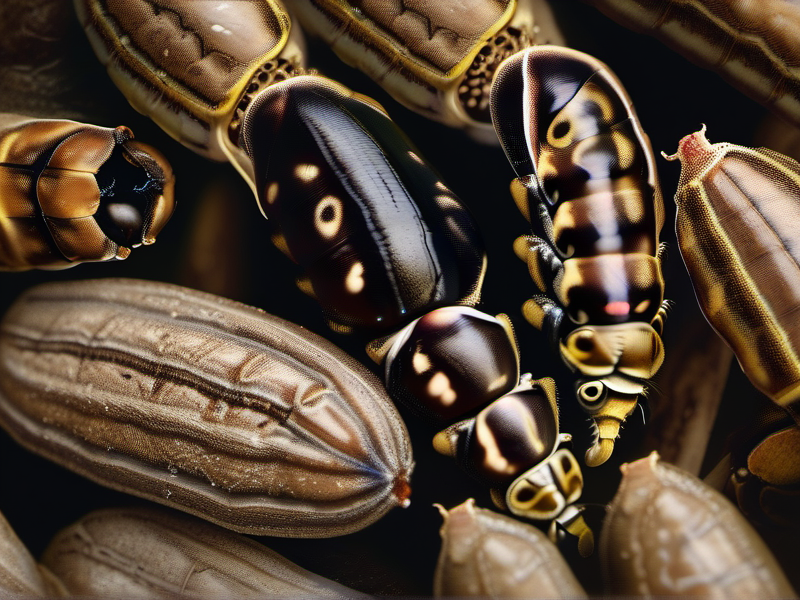
Here is what makes them unique: they self-harvest. As larvae mature (over approximately 14-18 days), they enter a prepupal stage in which they darken in color, stop feeding, and develop an instinct to crawl upward and away from the colony. In a properly designed bin, this means they crawl up a ramp and drop into a collection bucket. You do not need to dig through compost to find them. They deliver themselves.
Nutritional Profile
The nutritional composition of BSF larvae is remarkable:
| Nutrient | Content (Dry Weight) |
|---|---|
| Protein | 40-44% |
| Fat | 25-35% |
| Calcium | 5-8% |
| Phosphorus | 0.6-1.5% |
| Lysine | 2.2% |
| Methionine | 0.9% |
| Fiber (chitin) | 7-10% |
That protein content -- 40-44% on a dry-weight basis -- makes BSF larvae comparable to fishmeal and superior to soybean meal (36% protein) as an animal feed ingredient. The amino acid profile is complete, meaning it contains all essential amino acids in proportions adequate for poultry and fish nutrition. The calcium content is extraordinary -- 5-8% of dry weight, compared to 0.2% in mealworms -- making BSF larvae a natural calcium supplement for laying birds.
The fat content is also valuable. BSF larvae fat is predominantly lauric acid (approximately 50% of total fatty acids), the same medium-chain fatty acid found in coconut oil that has documented antimicrobial properties. When fed to poultry, BSF larval fat has been shown to reduce pathogenic gut bacteria, potentially reducing or eliminating the need for antibiotics.
Building a BSF Composting System
Materials needed: - One 27-gallon opaque plastic storage bin (dark-colored -- BSF larvae prefer darkness) - One 5-gallon bucket (collection bucket) - A 12-inch piece of corrugated plastic or aluminum sheeting (the ramp) - A drill with a 1/4-inch bit - Window screen mesh - Silicone sealant Construction:- Drainage holes. Drill 20-30 small holes (1/4 inch) in the bottom of the 27-gallon bin. These allow excess liquid -- called leachate -- to drain. Place the bin on bricks or a wire rack with a drip tray beneath to catch leachate. (The leachate is an excellent liquid fertilizer, diluted 1:10 with water.)
- Ventilation holes. Drill two rows of 1/4-inch holes around the upper 3 inches of the bin, spaced 2 inches apart. Cover with window screen mesh secured by silicone sealant. This provides airflow while excluding other insects.
- The ramp. Cut a 4-inch-wide, 12-inch-long ramp from corrugated plastic. Attach it at a 30-40 degree angle from the interior of the bin, extending over the rim and angling down into the collection bucket positioned outside the bin. The prepupal larvae will crawl up this ramp and drop into the bucket.
- Lid. Use the storage bin lid, drilled with ventilation holes and covered with screen mesh. The lid prevents rain entry (if outdoors) and reduces odor.
- Bedding. Line the bottom of the bin with 2-3 inches of damp coconut coir or shredded corrugated cardboard. This absorbs excess moisture and gives newly hatched larvae a substrate to colonize.
In warm climates (zones 7-11), wild BSF will naturally colonize your bin if you place a few handfuls of overripe fruit in it and leave the lid slightly ajar. Colonization typically occurs within 1-3 weeks during warm months (temperatures above 75 degrees F).
In cooler climates, or to start faster, purchase a starter colony of 5,000-10,000 BSF larvae from an online supplier. The cost is typically $15-30. One starter colony is enough -- BSF reproduce rapidly, and a single female lays approximately 500-900 eggs.
Feeding:Add kitchen scraps daily or every other day. Bury the scraps under the bedding layer to reduce odor and discourage other flies. A mature colony of 10,000+ larvae can process approximately 5 lbs of food waste per day. If the waste is not being consumed within 48 hours, you are overfeeding. Reduce input until the colony catches up.
What to feed: Fruit and vegetable scraps, bread, rice, pasta, coffee grounds, tea bags, eggshells, meat scraps, fish scraps, dairy products, cooked food waste. BSF larvae are not picky. What to avoid: Large bones (too hard), excessive quantities of citrus peel (slows larval development), and fats/oils in large quantities (can coat larvae and suffocate them). Small amounts are fine. Temperature range: BSF larvae are most active at 80-95 degrees F. They slow down significantly below 60 degrees F and cease feeding below 50 degrees F. In climates with cold winters, the colony will go dormant. You can maintain year-round production by bringing the bin indoors to a heated garage or basement, or simply restart each spring with a new starter colony. Harvest:Prepupal larvae self-harvest into the collection bucket. In a productive system, you can expect to collect 1-3 lbs of larvae per week from a single 27-gallon bin processing 5 lbs of waste per day. Harvested larvae can be fed live to quail and poultry (they will go berserk for them), dried for storage, or frozen.
The frass: After the larvae have processed the food waste, what remains is called frass -- a dark, crumbly, odorless material that is essentially pre-composted organic matter enriched with beneficial microbes and chitin. BSF frass is an excellent soil amendment. Apply it directly to garden beds at a rate of 1/4 to 1/2 inch per season, scratched into the top 2 inches of soil. It improves soil structure, adds slow-release nutrients, and the chitin content stimulates beneficial soil fungi that suppress plant pathogens.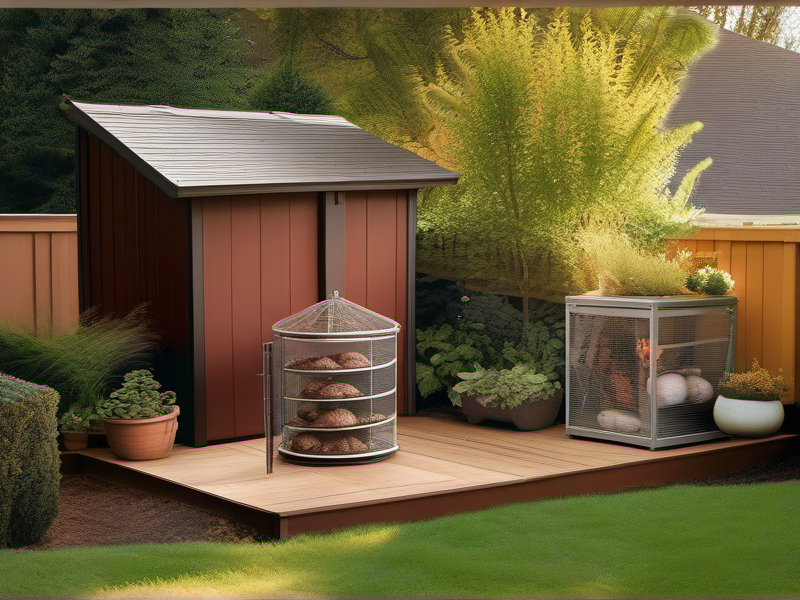
Part IV: Coturnix Quail -- The Micro-Livestock
Why Quail and Not Chickens
Chickens are the default backyard poultry, and they are excellent animals. But they have three limitations that quail do not share:
- Space. A laying hen requires 4 square feet of coop space and 8-10 square feet of run space -- a minimum of 12-14 square feet per bird. A flock of six hens (a typical backyard minimum for consistent egg production) requires 72-84 square feet of dedicated poultry space. A Coturnix quail requires 1 square foot per bird in a cage setup or 2 square feet per bird in a ground pen. Six quail need 6-12 square feet. This is a 6:1 to 7:1 space advantage.
- Legality. Many municipalities that ban backyard chickens (due to noise, size, or zoning restrictions) do not regulate quail. Coturnix quail are quiet -- the females make a soft warbling sound, and the males produce a crow that is roughly 1/10th the volume of a rooster. In most jurisdictions, they are classified as "cage birds" or "game birds" and are exempt from poultry ordinances.
- Speed to production. A chicken begins laying at 18-24 weeks of age. A Coturnix quail begins laying at 6-8 weeks -- sometimes as early as 5 weeks. From hatch to first egg in 42 days. From mail-order fertilized eggs to breakfast in less than two months.
The Numbers
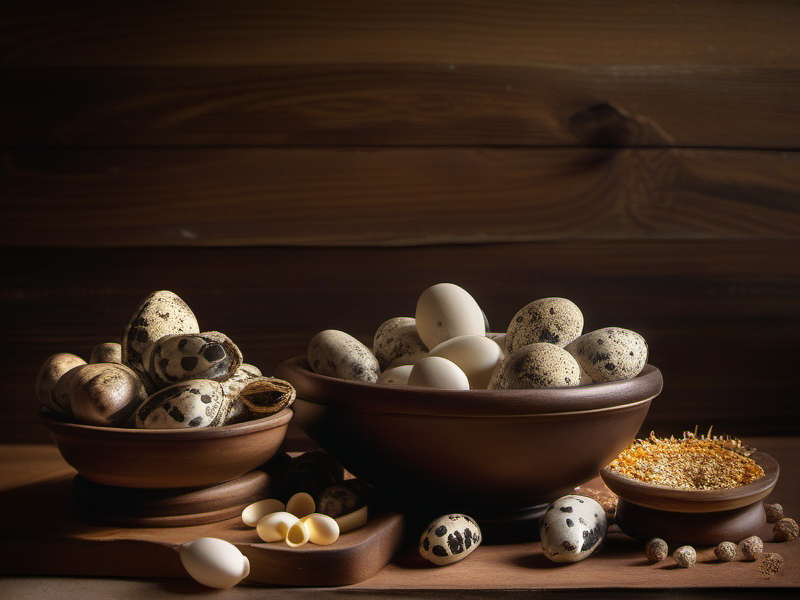
A Coturnix quail hen in her first year of production lays approximately 250-300 eggs per year -- roughly one egg almost every day, with brief pauses. The eggs are small -- approximately 10-12 grams each, compared to 50-60 grams for a chicken egg -- but they are nutritionally dense. Five quail eggs are roughly equivalent to one chicken egg by weight.
Here is the protein math for a small quail operation:
| Metric | Value |
|---|---|
| Flock size | 12 hens, 2-3 males |
| Eggs per hen per year | 250-300 |
| Total eggs per year | 3,000-3,600 |
| Protein per quail egg | 1.2 grams |
| Total egg protein per year | 3,600-4,320 grams |
| Meat birds processed (surplus males, spent hens) | 20-40 per year |
| Protein per dressed quail (approx. 120g carcass) | 25 grams |
| Total meat protein per year | 500-1,000 grams |
| Combined annual protein output | 4,100-5,320 grams |
| Space required | 12-30 square feet |
That is 4.1 to 5.3 kilograms of complete animal protein per year from a space the size of a card table. No other livestock species comes close to this protein-per-square-foot ratio.
Housing
Coturnix quail can be housed in raised wire-floor cages or ground-based pens. Each approach has trade-offs.
Wire-floor cages (commercial style):- Build or purchase a cage with 1/2-inch x 1-inch welded wire floor. The wire spacing must be small enough that quail feet do not slip through but large enough that droppings fall through.
- Dimensions: 24 inches wide x 48 inches deep x 12 inches tall houses 8-12 quail comfortably (1 sq ft per bird).
- Slope the floor slightly (5-7 degrees) toward the front. Eggs roll forward and out through a lip at the front of the cage, where they collect in a tray. This prevents egg breakage and soiling.
- Install a droppings tray beneath the wire floor. Slide it out daily for cleaning.
- Advantages: Clean eggs, easy management, disease control, efficient use of vertical space (cages can be stacked 2-3 high).
- Disadvantages: Less natural behavior, wire can cause foot problems if the gauge is wrong.
- An enclosed pen on the ground, with deep litter (4-6 inches of pine shavings, straw, or dried leaves).
- Dimensions: 2 square feet per bird. A 4x8-foot pen holds 16 quail comfortably.
- Cover the top -- quail are powerful vertical flushers and will escape an open-top pen instantly. Use hardware cloth or bird netting.
- Advantages: More natural behavior, dust bathing (important for feather health), more exercise. Ground pens also integrate well with garden systems -- you can rotate quail pens across garden beds, where they eat pests, fertilize the soil, and scratch in cover crop residue.
- Disadvantages: Eggs are laid on the ground and can be dirty or hidden. Slightly higher disease risk from contact with droppings.
Feeding
Coturnix quail require a high-protein diet: - Chicks (0-8 weeks): 28-30% protein game bird starter feed. - Adults (8+ weeks): 20-24% protein game bird or turkey feed. - Laying hens: Require 2-3% calcium in the diet. Supplement with crushed oyster shell or finely ground eggshell offered free-choice.
Feed consumption: An adult Coturnix quail eats approximately 20-25 grams (0.7-0.9 oz) of feed per day. For a flock of 15 birds, that is approximately 300-375 grams per day, or roughly 0.7-0.8 lbs per day. Annual feed cost for 15 quail on commercial game bird feed is approximately $75-120 at current prices.
BSF larvae integration: Here is where the closed loop begins to close. BSF larvae -- harvested live from your composting bin -- are an excellent protein supplement for quail. Replace 20-30% of the commercial feed ration with live BSF larvae. The quail receive high-quality, complete protein with exceptional calcium content. The larvae receive your kitchen waste. The quail droppings go to the compost pile. The compost feeds the garden.If your BSF bin produces 1-3 lbs of larvae per week, and your quail flock consumes approximately 0.15-0.25 lbs of feed per day, you can offset a significant fraction of your purchased feed with homegrown larvae. In a fully optimized system, it is possible to reduce purchased feed inputs by 30-50%.
Breeding
Coturnix quail are the easiest poultry species to breed. The females begin laying at 6-8 weeks. Maintain a ratio of 1 male to 3-5 females. Fertile eggs can be collected and incubated in a small tabletop incubator. Incubation period: 17-18 days at 99.5 degrees F and 45-55% humidity. Hatch rate for properly stored and incubated eggs is typically 70-85%.
A pair of quail can produce 200+ fertile eggs per year. Even with conservative hatch rates, a small breeding program can generate 100-150 chicks per year -- more than enough to maintain your laying flock, produce meat birds from surplus males, and share or sell starter flocks to neighbors.
Processing for Meat
Coturnix quail reach butcher weight (5-7 oz live weight) at 6-8 weeks. Processing is straightforward and requires no specialized equipment:
- Dispatch quickly and humanely. The most common method for quail is cervical dislocation -- a sharp, quick motion that separates the vertebrae. This is instantaneous.
- Scald in 150 degree F water for 15-20 seconds to loosen feathers.
- Pluck by hand. Quail feathers come out easily after scalding. The entire bird can be plucked in 1-2 minutes.
- Eviscerate. Remove head, feet, and internal organs. Save the liver and heart -- they are edible and nutritious. Save the intestines and offal for the BSF bin.
- Rinse, pat dry, and refrigerate or freeze.
Dressed weight is approximately 3-4 oz per bird. Two quail make a substantial single serving. The meat is dark, rich, and flavorful -- closer to wild game than to chicken.
Part V: Rabbits -- The Silent Protein Machine
The Case for Rabbits
Rabbits are the most efficient converters of plant fiber into meat among all commonly raised livestock. Here is the comparative feed conversion data:
| Animal | Feed Conversion Ratio (lbs feed : 1 lb meat) |
|---|---|
| Beef cattle | 6-10:1 |
| Pigs | 3.5-6:1 |
| Broiler chickens | 1.8-2.5:1 |
| Rabbits | 3-4:1 |
The rabbit's ratio of 3-4:1 is less efficient than broiler chickens in terms of raw feed conversion, but the comparison is misleading. Broiler chickens require grain-based feed -- corn and soy, typically -- that competes directly with human food production. Rabbits can thrive on hay, grass, weeds, garden trimmings, and tree leaves -- biomass that humans cannot eat and that would otherwise be composted or discarded.
A rabbit on a natural forage diet has a feed conversion ratio of approximately 3.5-4.5:1 -- slightly worse than on commercial pellets, but achieved with zero purchased feed. This is the critical distinction. In a closed-loop system, the relevant metric is not feed efficiency in the abstract. It is feed efficiency relative to external inputs. And on that metric, rabbits win decisively, because their feed literally grows in your yard.
The Numbers
A doe (female rabbit) of a meat breed -- New Zealand White, Californian, Silver Fox, or American Chinchilla -- can produce 4-6 litters per year. Each litter averages 6-10 kits. Kits reach fryer weight (4-5 lbs live weight) at 8-12 weeks, yielding a dressed carcass of approximately 2-2.5 lbs.
Conservative production from a breeding trio (1 buck, 2 does):
| Metric | Value |
|---|---|
| Litters per doe per year | 4 |
| Kits per litter (average) | 7 |
| Total kits per year (2 does) | 56 |
| Kits raised to fryer weight (85% survival) | 48 |
| Dressed weight per fryer | 2.25 lbs |
| Total dressed meat per year | 108 lbs |
| Protein content of rabbit meat | 29 grams per 100 grams |
| Total protein per year | approximately 14,200 grams |
| Space required (3 adults + grow-out pen) | 40-60 square feet |
That is 108 pounds of meat -- 14.2 kilograms of protein -- per year from three breeding rabbits and a grow-out pen that fits in a single-car garage bay. For context, the average American consumes approximately 57 lbs of beef per year. A single rabbit trio can replace nearly twice that volume of red meat, on feed that costs nothing if you have a garden and a lawn.
Nutritional Profile of Rabbit Meat
Rabbit meat is one of the most nutritious meats available:
| Nutrient | Per 100g Raw Rabbit Meat |
|---|---|
| Protein | 29.1 g |
| Fat | 3.5 g |
| Cholesterol | 57 mg |
| Iron | 1.6 mg |
| Phosphorus | 240 mg |
| Potassium | 378 mg |
| Vitamin B12 | 7.2 mcg |
| Niacin (B3) | 13.3 mg |
| Calories | 136 |
Compare this to beef (26g protein, 15g fat per 100g for ground beef) or chicken breast (31g protein, 3.6g fat). Rabbit is lower in fat than virtually all other meats, higher in protein than beef, and contains more vitamin B12 than any commonly consumed meat. It is also lower in cholesterol than chicken.
The fat profile is notable: rabbit fat contains a higher proportion of polyunsaturated fatty acids (including omega-3s) than beef, pork, or chicken. This is a reflection of the rabbit's herbivorous diet -- the fatty acid profile of the meat mirrors the fatty acid profile of the forage.
Housing
Hutch style (traditional):Wire cages suspended off the ground, typically 30 inches wide x 36 inches deep x 18 inches tall for a single adult. Breeding does need larger cages: 36 x 48 x 18 inches minimum. Use 1/2-inch x 1-inch welded wire for floors (14-gauge or heavier), 1-inch x 2-inch wire for sides and tops.
Suspend cages 3-4 feet off the ground on a wooden or metal frame. This allows droppings to fall through the wire floor and be collected below. Rabbit droppings are the only common livestock manure that can be applied directly to garden beds without composting -- they will not burn plants. This is a significant advantage in a closed-loop system.
Colony style (more natural):A ground-level pen with deep bedding, providing more space and natural behavior. Dimensions: 4-6 square feet per rabbit. Include nest boxes for does, elevated platforms for enrichment, and solid flooring in at least part of the enclosure (constant wire flooring can cause sore hocks). Colony housing allows natural social behavior and exercise, producing calmer animals and better-quality meat.
The trade-off: colony housing requires more space, more bedding, and careful management of aggression between males (keep only one buck per colony, or separate bucks entirely).
Feeding
The zero-input diet:In a closed-loop system, the goal is to feed rabbits entirely from your property. This is achievable with:
- Hay: Timothy hay, orchard grass, or meadow grass hay -- cut from your own property or a neighbor's unmowed field. A single adult rabbit eats approximately 1/4 to 1/3 of its body weight in hay per day. For a 10-lb rabbit, that is 2.5-3.3 lbs of hay per day.
- Fresh forage: Grass clippings (from untreated lawns), dandelion greens, plantain, clover, comfrey, blackberry leaves, grape leaves, willow branches, and most common garden weeds. Comfrey (Symphytum officinale) is particularly valuable -- it is a deep-rooted perennial that mines minerals from the subsoil, grows prolifically (5-6 cuts per year), and rabbits love it. A 4x8-foot comfrey patch can produce 50-100 lbs of fresh greens per season -- enough to supplement a small rabbit operation.
- Garden surplus: Carrot tops, beet greens, lettuce, kale, broccoli leaves, turnip greens, herb trimmings.
- Tree branches: Apple, willow, maple, hazelnut, and grape prunings. Rabbits gnaw the bark and wood fiber, which provides dental wear and additional fiber.
The Manure Gold
Rabbit droppings are, gram for gram, one of the best fertilizers in existence:
| Nutrient | Rabbit Manure | Chicken Manure | Cow Manure |
|---|---|---|---|
| Nitrogen (N) | 2.4% | 1.1% | 0.5% |
| Phosphorus (P) | 1.4% | 0.8% | 0.3% |
| Potassium (K) | 0.6% | 0.5% | 0.5% |
Rabbit manure contains approximately 4x the nitrogen, 4.7x the phosphorus, and 1.2x the potassium of cow manure. And unlike chicken manure (which is "hot" -- high in ammonia -- and must be composted for 3-6 months before application), rabbit manure can be applied directly to garden beds without burning plants. It is a "cold" manure. You can scoop it from under the hutch and spread it on your tomatoes the same afternoon.
A breeding trio and their offspring produce approximately 300-500 lbs of manure per year. That is enough to fertilize 1,500-2,500 square feet of garden beds at an application rate of 5 lbs per 25 square feet -- a quarter-acre garden, fully fertilized, with zero external input.
Part VI: Integration -- Designing the Closed Loop
The System Map
Here is how all three protein sources integrate with a garden in a closed-loop design:
Input stream: Kitchen waste - Kitchen scraps (fruit, vegetables, bread, meat, dairy, coffee grounds) go to the BSF composting bin. - BSF larvae consume scraps, producing larval biomass and frass. BSF larvae output splits two ways: - Live larvae feed quail (20-30% of diet). - Frass goes to compost pile or directly to garden beds. Quail output splits three ways: - Eggs go to the kitchen (human food). - Meat goes to the kitchen (human food). - Droppings go to the compost pile. Rabbit output splits three ways: - Meat goes to the kitchen (human food). - Droppings go directly to garden beds (no composting needed). - Offal and bones go to the BSF bin. Garden output splits three ways: - Vegetables, fruits, and herbs go to the kitchen (human food). - Garden waste (trimmings, weeds, bolted plants) goes to the rabbit feed pile. - Comfrey, grass clippings, and surplus greens go to rabbit feed. Compost pile output: - Finished compost goes to garden beds. The loop is complete. Every output is someone else's input. Nothing is wasted. Nothing leaves the system.Protein Yield Calculation
Let us calculate the total protein output of an integrated system on a modest suburban lot:
| Source | Annual Protein Output | Space Required |
|---|---|---|
| BSF larvae (for human consumption) | 2,000-3,000 g | 4 sq ft (bin) |
| Quail eggs (15 hens) | 4,500-5,400 g | 15-30 sq ft |
| Quail meat (surplus birds) | 500-1,000 g | included above |
| Rabbit meat (2 does, 1 buck) | 14,200 g | 40-60 sq ft |
| Total | 21,200-23,600 g | 59-94 sq ft |
That is 21.2 to 23.6 kilograms of complete animal protein per year from less than 100 square feet. The average adult needs approximately 20,400 grams of protein per year (56 grams/day). This system produces enough protein for one person -- from a space smaller than a standard parking space.
Add a garden for plant protein (dry beans, peas, and lentils add another 3,000-8,000 grams per year from a 200-square-foot bed), and you have enough protein for a small household.
BSF Larvae as Human Food
Yes, you can eat them yourself. In fact, you should consider it.
BSF larvae -- often marketed as "phoenix worms" or "calci-worms" -- are increasingly recognized as a viable human food source. The European Union approved BSF larvae for human consumption in 2022. They are legal as food in the EU, Canada, Singapore, Australia, and several other jurisdictions. In the United States, the regulatory framework is still evolving, but BSF larvae are widely sold as animal feed and are consumed by a growing number of individuals.
Preparation methods:- Roasted. Harvest prepupal larvae, rinse in cold water, pat dry. Spread on a baking sheet in a single layer. Roast at 375 degrees F for 15-20 minutes until crispy. Season with salt, chili, garlic powder, or whatever you like. Texture is similar to a sunflower seed -- crunchy with a mild, nutty, slightly savory flavor. Nothing about the taste or texture is objectionable to most people who try it without preconception.
- Dried and ground. Dry larvae in a dehydrator at 140 degrees F for 8-12 hours. Grind dried larvae in a food processor or coffee grinder to a fine powder. This powder -- BSF flour -- contains 40-44% protein and can be added to smoothies, baked goods, energy bars, and pancake batter at a ratio of 10-25% of total flour weight. At 25% substitution, you add approximately 10 grams of high-quality protein per cup of flour used.
- Sauteed. Heat olive oil or butter in a skillet over medium-high heat. Add rinsed, dried larvae and saute for 3-4 minutes until golden brown and crispy. Season and eat as a snack or toss into stir-fries, salads, or tacos.
The psychological barrier is the largest obstacle. The nutritional, environmental, and practical case for insect protein is overwhelming. The United Nations Food and Agriculture Organization published a 200-page report in 2013 titled Edible Insects: Future Prospects for Food and Feed Security that documents the nutritional, environmental, and economic advantages of insect consumption. Approximately 2 billion people -- primarily in Asia, Africa, and Latin America -- already eat insects as a routine part of their diet.
Part VII: The Garden Integration -- Making Animals and Plants Work Together
Quail Tractoring
A "quail tractor" is a portable, bottomless pen that can be moved across garden beds. The quail eat insects, weed seeds, and small weeds. They fertilize the soil with their droppings. And they scratch the surface lightly -- enough to incorporate crop residue without disturbing soil structure.
Construction: Build a lightweight rectangular frame from 2x2 lumber or PVC pipe, 3 feet wide by 6 feet long by 18 inches tall. Cover with 1/2-inch hardware cloth on all sides, including the top. Attach handles or wheels on one end for easy moving. This holds 6-9 quail comfortably. Method: After you harvest a crop from a garden bed, move the quail tractor onto the bed. Leave for 3-7 days. The quail will eat pest larvae, weed seeds, and residual crop material. Their droppings add nitrogen. Then move the tractor to the next harvested bed. This eliminates the need for manual cleanup between crops and provides a natural pest control cycle.Rabbit Grazing Zones
If you have lawn areas or areas of your property planted with grass and clover, portable rabbit runs -- similar in concept to quail tractors but larger -- allow rabbits to graze directly while fertilizing the area. A 4x8-foot bottomless pen on grass, moved daily, allows a pair of rabbits to graze fresh forage, deposit droppings directly onto the soil, and prepare the ground for future garden expansion.
Comfrey -- The Bridge Plant
Comfrey (Symphytum officinale, specifically the sterile cultivar 'Bocking 14') is the single most important plant in a closed-loop protein system, despite the fact that humans do not eat it. Here is why:
- Comfrey roots penetrate 6-8 feet into the subsoil, mining calcium, potassium, phosphorus, and trace minerals from depths that garden crops cannot reach.
- Comfrey leaves contain 3.5% nitrogen, 0.5% phosphorus, and 5.3% potassium on a dry-weight basis -- an NPK ratio comparable to many commercial fertilizers.
- Comfrey produces 4-5 cuts of foliage per growing season, with each cut yielding 2-4 lbs of fresh leaves per established plant.
- Rabbits eat comfrey enthusiastically. It is one of the highest-protein forage plants available, at approximately 18-25% protein on a dry-weight basis.
- Comfrey can be chopped and dropped as mulch around garden plants, steeped in water to make liquid fertilizer ("comfrey tea"), or layered into compost to accelerate decomposition.
A border of 20-30 comfrey plants around the perimeter of a garden provides rabbit feed, liquid fertilizer, compost accelerant, and mineral accumulation -- all from a perennial plant that requires zero inputs once established and cannot spread by seed (Bocking 14 is a sterile hybrid that only propagates by root division).
Part VIII: Scaling -- From Starter System to Full Production
Phase 1: The BSF Bin (Week 1-4)
Start here because it requires the least space, the least investment, and the least skill. Build or buy a BSF composting bin. Start feeding it kitchen scraps. Within 2-4 weeks in warm weather, you will have a functioning decomposition system. Cost: $15-40. Space: 4 square feet.
Phase 2: Quail (Month 2-3)
Order fertilized Coturnix quail eggs and a small tabletop incubator ($40-80). Incubate 24-48 eggs (expect 70-85% hatch rate, yielding 17-40 chicks). Raise chicks on game bird starter feed for 6-8 weeks. By month 3, you have laying hens producing eggs and a BSF bin producing larvae to supplement their feed. Cost: $80-150 including incubator, eggs, and initial feed. Space: 12-30 square feet.
Phase 3: Rabbits (Month 4-6)
Acquire a breeding trio from a local breeder. Expect the first litter approximately 6 weeks after introduction. By month 8-10, you are processing fryers and the manure stream is fertilizing your garden. Cost: $50-100 for stock, $100-200 for housing materials. Space: 40-60 square feet.
Phase 4: Full Integration (Year 2)
By the second year, the system is self-sustaining: - BSF bin processes all kitchen waste and produces feed for quail. - Quail produce eggs, meat, and manure. - Rabbits produce meat and manure on a forage diet grown on your property. - Rabbit and quail manure plus BSF frass fertilize the garden. - The garden produces vegetables for you and forage for rabbits. - Kitchen scraps restart the cycle.
The only external input at this stage is game bird feed for the quail (which can be reduced by 30-50% with BSF larvae supplementation) and timothy hay for the rabbits (which can be eliminated entirely if you grow enough forage and grass on your property).
Part IX: The Regulatory Landscape
Before building any of these systems, check your local regulations.
BSF composting: Generally unregulated. BSF bins are classified as composting systems, not animal husbandry. No permits required in most jurisdictions. Quail: In most US municipalities, quail are not classified as "poultry" under zoning ordinances. They are typically classified as "cage birds," "game birds," or "exotic birds." Many jurisdictions that prohibit chickens explicitly allow quail. However, always check. Some homeowners associations (HOAs) have blanket prohibitions on all livestock, regardless of municipal code. Rabbits: Regulations vary widely. Some municipalities allow up to 3-4 rabbits as "pets" without restriction, but classify breeding operations or meat production as "agriculture" requiring special permits. Again, check local zoning code and HOA rules before investing in hutches and breeding stock. Processing: In most US states, animals raised and slaughtered for personal consumption (not for sale) on your own property do not require USDA inspection or a licensed processing facility. If you intend to sell meat or eggs, federal and state regulations apply and vary significantly by jurisdiction.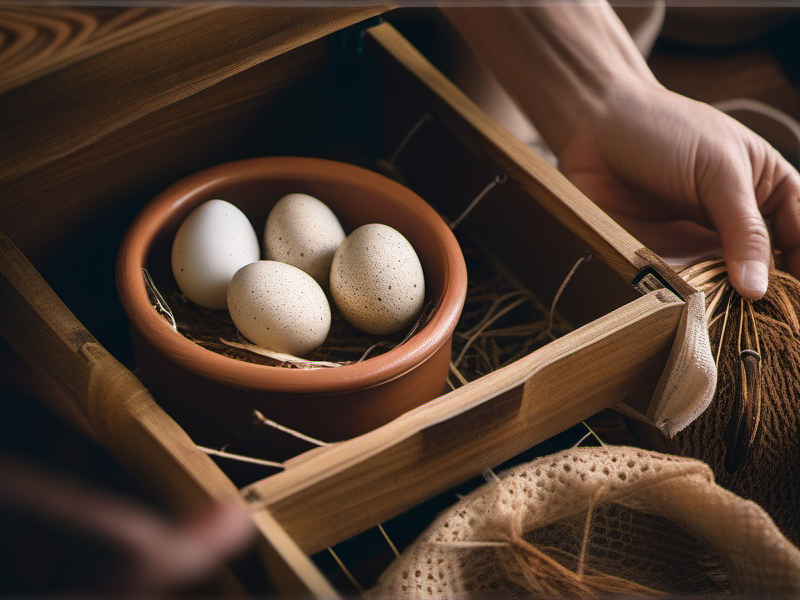
Part X: Common Failures and How to Avoid Them
Failure 1: BSF bin smells terrible. Cause: Overfeeding. The larvae cannot keep up with the volume of waste, and the excess is decomposing anaerobically. Fix: Reduce inputs until the waste is fully consumed within 48 hours. Add dry bedding (shredded cardboard) to absorb excess moisture. Failure 2: Quail stop laying. Causes: Insufficient light (quail need 14-16 hours of light per day to maintain peak production), temperature stress (above 95 degrees F or below 40 degrees F), nutritional deficiency (usually insufficient protein or calcium), or age (production declines sharply after 12-18 months). Fix: Supplement with artificial light in winter, provide shade in summer, ensure 20-24% protein feed and free-choice oyster shell, and replace hens annually by hatching new chicks. Failure 3: Rabbit does not conceive. Causes: Heat stress (bucks become temporarily sterile above 85 degrees F), nutritional deficiency, or stress from improper housing. Fix: Breed in early morning during hot weather, ensure the doe is in good body condition (not fat, not thin), and provide a quiet, private environment for breeding. Failure 4: Predators. Hawks, raccoons, foxes, rats, and neighborhood cats are the primary threats. Wire-floor cages elevated off the ground are the most predator-resistant housing option. For ground pens, use 1/2-inch hardware cloth (not chicken wire -- raccoons can tear through chicken wire) on all sides, including a buried apron extending 12 inches outward from the base to prevent digging. Failure 5: Disease. Cleanliness prevents 90% of disease in small-scale operations. Clean droppings trays daily. Replace bedding weekly. Quarantine new animals for 2 weeks before introducing them to established flocks. Provide clean water daily -- quail and rabbits are extremely sensitive to dirty water.Part XI: The Economics
Let us run the numbers for a fully integrated system in its second year of operation.
Annual Costs
| Item | Cost |
|---|---|
| BSF starter colony (year 1 only) | $0 (self-sustaining) |
| Game bird feed (reduced 30% by BSF larvae) | $55-85 |
| Timothy hay (if not grown on-site) | $40-80 |
| Bedding (pine shavings) | $30-50 |
| Miscellaneous (waterers, feeders, repairs) | $20-40 |
| Total annual operating cost | $145-255 |
Annual Production Value
| Product | Quantity | Market Value |
|---|---|---|
| Quail eggs | 3,000-3,600 | $300-540 (at $8-15/dozen) |
| Quail meat | 10-15 lbs dressed | $80-150 (at $8-10/lb) |
| Rabbit meat | 108 lbs dressed | $864-1,080 (at $8-10/lb) |
| BSF frass (soil amendment) | 200-400 lbs | $50-100 |
| Rabbit manure (fertilizer) | 300-500 lbs | $75-125 |
| Compost (from integrated system) | 500-1,000 lbs | $50-100 |
| Total annual production value | $1,419-2,095 |
The return on a $145-255 annual operating cost is $1,419-2,095 in food and inputs that you would otherwise purchase. That is a 5:1 to 14:1 return on investment, depending on whether you consume everything yourself or sell surplus.
But the real return is not measured in dollars. It is measured in resilience. Every gram of protein this system produces is a gram that does not depend on a supply chain, a diesel truck, a slaughterhouse, a refrigerated warehouse, or a grocery store. When the supply chain fails -- and it will fail, as 2020 demonstrated -- you eat.
Part XII: The Ancestral Pattern
In the spring of 2020, meat processing plants across the United States shut down due to COVID-19 outbreaks among workers. Pork producers euthanized millions of hogs they could not process. Beef prices spiked 25-30% in weeks. Chicken became scarce. The wealthiest, most technologically advanced food system in human history revealed that it was approximately three disruptions away from empty shelves.
The people who were unaffected -- the homesteaders, the permaculturists, the rabbit breeders, the quail keepers -- were not wealthy. They were not preppers in underground bunkers. They were ordinary people who had done something radical: they had assumed responsibility for their own protein.
This is not a new idea. It is, in fact, the oldest idea in agriculture. For ten thousand years, protein production was a household function. Every family had animals. Every animal had a purpose. Every purpose connected to every other purpose in a web of biological relationships that sustained itself without external inputs.
The industrial food system convinced us that this was primitive. That protein should be produced at scale by specialists, in facilities we would never visit, from animals we would never see. That our role was to consume, not to produce.
The closed-loop backyard protein system is a rejection of that premise. It is not a hobby. It is not a lifestyle choice. It is an infrastructure of biological independence. And like all infrastructure, it requires investment, maintenance, and knowledge. But once built, it produces returns that no financial instrument can match: food security that does not depend on anyone else's competence, anyone else's supply chain, or anyone else's permission.
Build the loop. Close the loop. Eat.
Part XIII: The Nutritional Completeness Question
A question that serious practitioners raise -- and that most permaculture literature glosses over -- is whether a backyard protein system actually delivers nutritionally complete protein. The answer requires understanding amino acid profiles.
Complete protein contains all nine essential amino acids (histidine, isoleucine, leucine, lysine, methionine, phenylalanine, threonine, tryptophan, and valine) in proportions adequate for human metabolic needs. Animal proteins -- from quail eggs, quail meat, and rabbit meat -- are inherently complete. Every essential amino acid is present in biologically adequate ratios. This is not true of most plant proteins, which tend to be deficient in one or more essential amino acids (beans are low in methionine; grains are low in lysine).
BSF larvae protein is also complete. A 2014 analysis published in Animal Feed Science and Technology confirmed that BSF larvae contain all essential amino acids, with particularly high concentrations of lysine (6.9% of protein) and leucine (7.2% of protein). The limiting amino acid is methionine, at 1.8% of protein -- still above the WHO threshold for adult human requirements.
This means that the three protein sources in this system -- quail, rabbits, and BSF larvae -- collectively provide a complete amino acid profile without supplementation from plant sources. The garden adds plant protein (beans, peas, lentils) for caloric density and dietary variety, but it is not necessary for amino acid completeness.
Micronutrient Density
Beyond macronutrient protein, the system delivers exceptional micronutrient density:
Vitamin B12: Rabbit liver contains 7.2 mcg per 100g -- well above the 2.4 mcg RDA. Quail eggs contain 1.6 mcg per 100g. B12 is not available from plant sources, and deficiency is common among people who reduce animal product consumption. This system eliminates B12 as a dietary concern. Iron: Rabbit meat provides 1.6 mg of heme iron per 100g. Heme iron is 2-3 times more bioavailable than the non-heme iron in plant sources. For menstruating women, whose iron requirements are higher (18 mg/day vs 8 mg/day for men), this is significant. Omega-3 fatty acids: Rabbit meat from forage-fed rabbits contains a meaningfully higher omega-3 to omega-6 ratio than conventionally raised poultry or pork. A 2011 study in Meat Science found that the polyunsaturated fatty acid content of rabbit meat was significantly influenced by diet, with forage-fed rabbits showing a more favorable fatty acid profile than grain-fed rabbits. Zinc: Quail eggs and rabbit meat are both excellent sources of zinc (1.3 mg per quail egg, 1.6 mg per 100g rabbit meat). Zinc is critical for immune function and wound healing, and many Americans are marginally deficient.The Calorie Question
Protein is not the only nutrient that matters. You also need calories. Here is the caloric output of the system:
| Source | Annual Caloric Output |
|---|---|
| Quail eggs (3,000-3,600 eggs x 14 kcal each) | 42,000-50,400 kcal |
| Quail meat (10-15 lbs x 700 kcal/lb) | 7,000-10,500 kcal |
| Rabbit meat (108 lbs x 600 kcal/lb) | 64,800 kcal |
| BSF larvae (for human consumption, 5-10 lbs dried x 2,000 kcal/lb) | 10,000-20,000 kcal |
| Total | 123,800-145,700 kcal |
A single adult needs approximately 730,000-803,000 kcal per year (2,000-2,200 kcal/day). The protein system provides approximately 15-20% of total caloric needs from animal sources. The remaining 80-85% comes from the garden -- root vegetables, grains, legumes, and fats. This is actually a historically typical ratio: traditional agrarian diets derived 70-85% of calories from plant sources and 15-30% from animals. The system mirrors the pattern.
Part XIV: Ethical Considerations
Any article about raising animals for food that does not address the ethics of killing is incomplete. Here is the honest reckoning.
Raising and slaughtering animals on your own property is a fundamentally different moral act from purchasing a shrink-wrapped package of meat from a refrigerated case. Not because the animal is less dead. But because you are fully present for the process. You knew the animal. You fed it. You provided its shelter. You ended its life with your own hands. There is no delegation, no distance, no plausible deniability.
This is uncomfortable. It should be. The discomfort is the point.
Most meat consumers have outsourced the uncomfortable parts to an industrial system designed for invisibility. The feedlots are in rural areas. The slaughterhouses are windowless. The workers are invisible. The packaging removes all visual connection between the meat and the animal it came from. This system does not eliminate suffering -- it hides it.
A backyard system does not hide anything. The quail that produces your breakfast egg this morning may be the quail you process for dinner in six months. The rabbit you stroke through the wire is the rabbit you will dispatch, skin, and cook. This proximity forces a relationship with death that most modern humans have never experienced.
The result, for many practitioners, is not that they eat less meat. It is that they waste less. When you have personally raised, fed, and killed an animal, you do not throw the leftovers away. You use every part. You eat with gratitude, not entitlement. And you develop a visceral understanding of what it costs -- in labor, in care, in life -- to put protein on the table.
This understanding is not available at the grocery store. It is only available through practice.
Build the loop. Close the loop. Eat.
References
- FAO. (2013). Edible Insects: Future Prospects for Food and Feed Security. Food and Agriculture Organization of the United Nations, Rome.
- Makkar, H. P. S., Tran, G., Heuzé, V., & Ankers, P. (2014). State-of-the-art on use of insects as animal feed. Animal Feed Science and Technology, 197, 1-33.
- Sheppard, D. C., Newton, G. L., Thompson, S. A., & Savage, S. (1994). A value-added manure management system using the black soldier fly. Bioresource Technology, 50(3), 275-279.
- Newton, G. L., Booram, C. V., Barker, R. W., & Hale, O. M. (1977). Dried Hermetia illucens larvae meal as a supplement for swine. Journal of Animal Science, 44(3), 395-400.
- Dalle Zotte, A., & Szendrő, Zs. (2011). The role of rabbit meat as functional food. Meat Science, 88(3), 319-331.
- Lukefahr, S. D., & Cheeke, P. R. (1991). Rabbit project development strategies in subsistence farming systems. World Animal Review, 68, 60-70.
- Randall, M., & Bolla, G. (2008). Raising Japanese Quail. Primefact 602, New South Wales Department of Primary Industries.
- Diener, S., Zurbrügg, C., & Tockner, K. (2009). Conversion of organic material by black soldier fly larvae: establishing optimal feeding rates. Waste Management & Research, 27(6), 603-610.
- Smetana, S., Palanisamy, M., Mathys, A., & Heinz, V. (2016). Sustainability of insect use for feed and food: Life Cycle Assessment perspective. Journal of Cleaner Production, 137, 741-751.
- Cullere, M., Tasoniero, G., Giaccone, V., Miotti-Scapin, R., Claeys, E., De Smet, S., & Dalle Zotte, A. (2016). Black soldier fly as dietary protein source for broiler quails: apparent digestibility, excreta microbial load, feed choice, performance, carcass and meat traits. Animal, 10(12), 1923-1930.
- Hale, O. M. (1973). Dried Hermetia illucens larvae (Diptera: Stratiomyidae) as a feed additive for poultry. Journal of the Georgia Entomological Society, 8, 16-20.
- Patton, N. M. (1994). Colony husbandry. In The Biology of the Laboratory Rabbit (2nd ed., pp. 27-45). Academic Press.
- Jeavons, J. (2012). How to Grow More Vegetables (8th ed.). Ten Speed Press.
- Mollison, B. (1988). Permaculture: A Designers' Manual. Tagari Publications.
- van Huis, A., Van Itterbeeck, J., Klunder, H., Mertens, E., Stamer, A., Mark, L., Sirimungkararat, S., & Suntornpithug, N. (2013). Nutritional value of insects for human consumption. In Edible Insects (pp. 67-80). FAO.
Comments (0)
No comments yet.
Log in to comment.