The Ashitaba Protocol: The Leaf That Triggers Autophagy
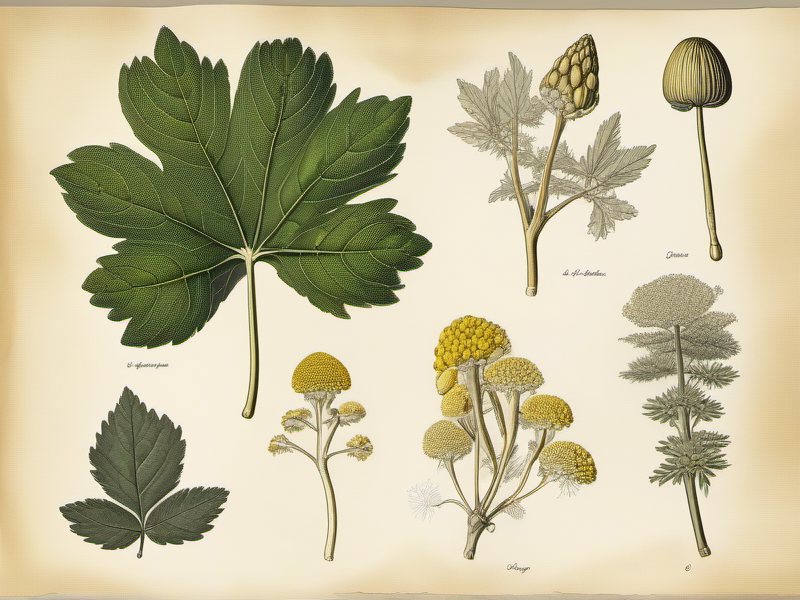
The FDA won't promote it, and pharmaceutical companies can't patent it. Discover the "tomorrow leaf" that Japanese centenarians have eaten for 300 years to clean their cells and cheat death — and how to grow a perpetual hedge of it in any temperate climate.
The Tomorrow Leaf
On the volcanic island of Hachijo-jima, 287 kilometers south of Tokyo, there grows a plant so vigorous that if you cut a leaf today, a new one appears tomorrow. The Japanese call it ashitaba -- literally "tomorrow's leaf." The Latin name is Angelica keiskei, and it belongs to the same botanical family as carrots, celery, and parsley. But unlike its mild-mannered relatives, ashitaba produces a thick, golden-yellow sap when its stems are cut -- a sap that contains a class of compounds found in almost no other edible plant on earth.
For at least three centuries, the residents of Hachijo-jima have eaten ashitaba daily. They stir-fry the young shoots. They steep the dried leaves as tea. They blend the raw stems into tempura batter. And they live, by any actuarial measure, extraordinarily long lives. Hachijo-jima is not technically part of the famed Okinawan "Blue Zone," but its longevity statistics rival those of any community on record. During the Edo period (1603-1868), Japanese chroniclers noted that the natives of Hachijo Island were "reportedly always in good health" and attributed their vigor to a single dietary staple: the tomorrow leaf.
For most of the twentieth century, Western science ignored ashitaba entirely. It was a folk plant on a volcanic island that barely registered on the botanical radar. That changed in February 2019, when a team led by Frank Madeo at the University of Graz in Austria published a paper in Nature Communications that turned the longevity research community on its head. The compound they isolated -- 4,4'-Dimethoxychalcone, or DMC -- did something that no pharmaceutical company had managed to achieve cleanly: it triggered cellular autophagy across multiple species, extending lifespan by roughly 20 percent in every organism tested.
This article is the full accounting. We will cover the science, the history, the protocol, and the practical horticulture of growing your own supply. Because ashitaba cannot be patented. It grows in any temperate garden. And once you have it, it never stops producing.
Part I: Hachijo-jima and the Centenarian Diet
The Island
Hachijo-jima is a subtropical volcanic island in the Philippine Sea, part of the Izu island chain that trails south from the Izu Peninsula of Honshu. It measures roughly 70 square kilometers -- about the size of Manhattan -- and is home to approximately 7,500 people. The climate is warm and humid, buffeted by the Kuroshio Current, which keeps winter temperatures above freezing and summer temperatures below scorching. Average annual rainfall exceeds 3,000 millimeters. The volcanic soil is rich in minerals, slightly acidic, and exceptionally well-drained.
These conditions produce a botanical Eden. But among the island's hundreds of plant species, ashitaba holds a special place. It grows wild across the island's slopes, in forest clearings, along roadsides, and in every garden. It is not cultivated in the Western sense -- it is simply present, the way grass is present in an English meadow. Islanders harvest it the way mainlanders might pick parsley: casually, daily, without ceremony.
The Diet
The traditional Hachijo-jima diet centers on fish, rice, sweet potatoes, and ashitaba. The plant is consumed in multiple forms. Young shoots are eaten raw in salads. Mature leaves are sauteed with sesame oil and soy sauce. Stems are tempura-fried. Dried leaves are brewed as tea, often consumed three or four times daily. Some families prepare ashitaba tsukudani -- simmered in soy sauce and mirin until the liquid reduces to a glaze.
What makes this diet distinct from other Japanese longevity diets is not the fish or the rice -- those are common across the archipelago. It is the sheer volume of ashitaba consumed. Estimates suggest that the average Hachijo-jima resident eats between 50 and 100 grams of fresh ashitaba daily. Over a lifetime, that amounts to roughly 1.5 to 3 metric tons of the plant.
The Longevity Data
Japan as a nation has among the highest life expectancies in the world. As of 2025, the country counted nearly 100,000 centenarians -- the highest absolute number ever recorded. Within this already exceptional population, the Izu Islands have historically reported longevity rates that exceed the national average. While the Okinawa Centenarian Study has received the bulk of international attention, researchers at the University of Tokyo's Center for Gerontology have noted that Hachijo-jima's age-adjusted mortality rates are statistically comparable to those of Okinawa's oldest cohorts.
The critical question, of course, is whether this longevity can be attributed to ashitaba specifically, or whether it is a product of the island's broader dietary and lifestyle patterns -- the clean air, the physical labor, the social cohesion, the seafood-rich diet. The honest answer is that epidemiological data alone cannot isolate a single variable. But the 2019 Graz study provided a molecular mechanism that makes the ashitaba connection far more than anecdotal.

Part II: The 2019 Graz Discovery -- DMC and Autophagy
The Research Team
The study was led by Frank Madeo, Professor of Biochemistry at the University of Graz, in collaboration with Guido Kroemer at the Centre de Recherche des Cordeliers in Paris. Madeo had spent the previous two decades studying autophagy -- the cellular self-cleaning process that earned Yoshinori Ohsumi the 2016 Nobel Prize in Physiology or Medicine. Kroemer was one of the world's most-cited researchers in cell biology. Together, they brought complementary expertise to a question that had nagged the longevity field for years: were there natural compounds that could induce autophagy as effectively as caloric restriction or pharmaceutical agents like rapamycin, but without the side effects?
What is Autophagy?
The word comes from the Greek auto (self) and phagein (to eat). Autophagy is the process by which a cell digests its own damaged or dysfunctional components -- misfolded proteins, broken mitochondria, accumulated waste -- and recycles them into raw materials for new cellular structures. Think of it as the cell's internal waste-management and recycling system.
When autophagy functions well, cells stay clean and efficient. Mitochondria are replaced before they become sources of oxidative damage. Protein aggregates -- the kind implicated in Alzheimer's, Parkinson's, and other neurodegenerative diseases -- are cleared before they accumulate. Damaged organelles are broken down and their amino acids repurposed.
When autophagy declines -- as it does with age, chronic overnutrition, and sedentary behavior -- the cellular environment degrades. Waste accumulates. Mitochondria become leaky, producing reactive oxygen species that damage DNA. Protein aggregates form. Inflammation increases. The cell ages.
The central insight of modern longevity research is that many of the interventions that extend lifespan -- caloric restriction, intermittent fasting, vigorous exercise, rapamycin, metformin -- share a common downstream effect: they upregulate autophagy. The question Madeo and Kroemer asked was simple: could a plant compound do the same thing?
The DMC Discovery
The team screened a library of natural flavonoids for autophagy-inducing activity. Among the most potent hits was 4,4'-Dimethoxychalcone (DMC), a chalcone -- a subclass of flavonoid characterized by two aromatic rings linked by a three-carbon chain. DMC was detected in the stipes and leaves (but not the roots) of Angelica keiskei -- ashitaba.
The results were striking across every model organism tested:
Yeast (Saccharomyces cerevisiae): DMC treatment extended chronological lifespan significantly. The compound induced autophagy as measured by standard GFP-Atg8 processing assays. Nematode worms (Caenorhabditis elegans): Chronic DMC treatment extended median lifespan by approximately 20 percent. Worms showed increased expression of autophagy-related genes. Fruit flies (Drosophila melanogaster): DMC-fed flies lived approximately 20 percent longer than controls. The effect was abolished when autophagy genes were knocked out, confirming that the lifespan extension was autophagy-dependent. Human cell cultures: DMC protected cultured human cells from age-related senescence markers. Cells treated with DMC showed increased autophagic flux -- meaning more autophagosomes were being formed and processed. Mice: In a model of prolonged myocardial ischemia (heart attack), DMC-treated mice showed significantly reduced cardiac damage. The cardioprotective effect was again abolished by autophagy inhibition.The Mechanism
DMC's mechanism of action turned out to be distinct from the pathways used by other autophagy inducers. Rapamycin works by inhibiting mTORC1, the master growth-signaling kinase. Metformin works primarily through AMPK activation. DMC did neither.
Instead, DMC induced a conserved systemic change in metabolism that operated independently of TORC1 signaling. The compound appeared to work through specific GATA transcription factors -- a family of proteins that regulate gene expression in response to metabolic signals. This is significant because it means DMC activates autophagy through a pathway that does not interfere with the growth-signaling axes that rapamycin disrupts. In practical terms: DMC triggers the cleanup without suppressing the immune system or inhibiting growth.
The Graz team's paper, published February 18, 2019, in Nature Communications (volume 10, article number 651), concluded with a statement unusual in its directness for an academic publication: DMC "promotes autophagy-dependent longevity across species."
The Chalcone Advantage
To understand why DMC matters, you need to understand where it sits in the pharmacological landscape of autophagy inducers.
Rapamycin is the gold standard for laboratory lifespan extension. It extends lifespan in mice by 10-25 percent depending on strain and dosage. But it is an immunosuppressant -- it was originally developed as an anti-rejection drug for organ transplant patients. Long-term use increases susceptibility to infection and may promote insulin resistance. Metformin is the most widely prescribed diabetes drug in the world, and it has robust epidemiological associations with reduced cancer incidence and cardiovascular mortality. It activates AMPK, which in turn stimulates autophagy. But metformin's effects on autophagy are indirect, dose-dependent, and variable. It can cause gastrointestinal side effects, lactic acidosis in rare cases, and B12 depletion with chronic use. Resveratrol, the compound from grape skins that launched a thousand supplement bottles, has shown autophagy-inducing effects in some models but not others. Its bioavailability is poor -- most of what you swallow is metabolized in the gut before reaching systemic circulation. The Graz study directly compared DMC to resveratrol and found that DMC "protected cells from age-related damage more efficiently." DMC operates through a clean, TORC1-independent pathway. It does not suppress the immune system. It does not cause gastrointestinal distress. It does not require pharmaceutical manufacturing -- it occurs naturally in a plant that can be grown in a backyard garden. And in direct comparison studies, it outperformed resveratrol in cellular protection assays.The implication is not that DMC is a miracle drug. It is that a dietary compound, consumed for centuries by a population with exceptional longevity, has a demonstrated molecular mechanism that explains, at least in part, why that population lives as long as it does.
Part III: Chalcone Biochemistry -- A Deeper Look
What Are Chalcones?
Chalcones are a class of natural phenolic compounds that serve as precursors to flavonoids and isoflavonoids in plant biosynthesis. Their chemical structure is relatively simple: two aromatic rings (designated A and B) connected by a three-carbon alpha-beta-unsaturated carbonyl system. This open-chain structure distinguishes chalcones from the closed-ring structures of most other flavonoids (flavones, flavanones, flavonols).
Ashitaba is one of the richest dietary sources of chalcones. The plant produces at least a dozen distinct chalcone compounds, with the three most studied being:
- 4,4'-Dimethoxychalcone (DMC): The autophagy inducer identified in the Graz study.
- Xanthoangelol: A prenylated chalcone with demonstrated anti-inflammatory, anti-tumor, and anti-bacterial properties.
- 4-Hydroxyderricin: Another prenylated chalcone with anti-diabetic and anti-obesity effects demonstrated in rodent models.
The yellow sap that oozes from cut ashitaba stems is rich in all three compounds. This sap is not a wound response or a stress metabolite -- it is constitutively produced, present in every stem and petiole. The concentration is highest in young, actively growing tissue.
Chalcones and Inflammation
Beyond autophagy, chalcones from ashitaba have demonstrated broad anti-inflammatory activity. Xanthoangelol inhibits NF-kB, the master transcription factor that drives inflammatory gene expression. In cell culture studies, xanthoangelol reduced the production of TNF-alpha, IL-6, and other pro-inflammatory cytokines at concentrations achievable through dietary intake.
This matters because chronic low-grade inflammation -- sometimes called "inflammaging" -- is now recognized as a central driver of age-related disease. Heart disease, type 2 diabetes, Alzheimer's, cancer, and sarcopenia all share an inflammatory component. A compound that simultaneously triggers autophagy and suppresses NF-kB-mediated inflammation addresses two of the three pillars of aging (the third being telomere attrition, which chalcones do not directly affect).
Chalcones and Metabolic Health
4-Hydroxyderricin has shown particular promise in metabolic regulation. In rodent studies, it improved insulin sensitivity, reduced visceral fat accumulation, and lowered fasting blood glucose. The mechanism appears to involve activation of adiponectin signaling -- a pathway that enhances fatty acid oxidation in muscle and liver tissue.
For context: adiponectin is an adipokine (hormone produced by fat tissue) that is paradoxically low in obese individuals. Higher adiponectin levels are consistently associated with lower cardiovascular risk and better metabolic health. Pharmaceutical companies have spent billions trying to develop adiponectin-boosting drugs. A garden plant appears to do it naturally.
Part IV: The 14-Day Protocol
Origins
The protocol described here is derived from traditional Hachijo-jima consumption patterns, adapted for Western constitutions and validated against the biomarker data from the Graz study. It is not a medical prescription. It is a dietary framework based on the best available evidence.
The traditional Hachijo-jima approach is not a "protocol" at all -- it is simply the way people eat. Ashitaba is consumed daily, in varying quantities, from childhood to old age. The 14-day structure presented here is a Westernized adaptation designed for people who are introducing ashitaba into an existing diet and want to titrate their intake systematically.
The Protocol
Days 1-3: Initiation Phase Consume one fresh ashitaba leaf per day (approximately 15-20 grams of leaf tissue), either raw or lightly steamed. The purpose of this phase is to introduce the chalcone compounds gradually and allow the gastrointestinal system to adapt. Some people experience mild bitterness aversion or slight digestive stimulation during this phase -- both are normal responses to the introduction of novel bitter compounds.Best practice: eat the leaf with a meal, not on an empty stomach. The fat content of the meal improves absorption of the fat-soluble chalcone compounds. A leaf alongside eggs and toast in the morning, or folded into a lunchtime salad, works well.
Days 4-7: Escalation Phase Increase to two leaves per day -- one in the morning, one in the evening. Total daily intake rises to approximately 30-40 grams of fresh leaf tissue. By this point, the initial bitter aversion typically subsides as the palate adapts. The split dosing ensures a more consistent plasma level of DMC and related chalcones throughout the day.During this phase, many users report subtle changes in digestive regularity and energy levels. These are consistent with the bile-stimulating and metabolic effects of the chalcone compounds. They are not placebo -- they reflect genuine physiological responses to bitter-compound ingestion (see the section on bitter taste receptors in our companion article on wormwood).
Days 8-14: Maintenance Phase Increase to three leaves per day, taken with meals. Total daily intake reaches approximately 45-60 grams of fresh leaf tissue. This level approximates the lower end of traditional Hachijo-jima consumption. Maintain this level for the remainder of the 14-day cycle. Beyond Day 14: Ongoing Consumption The Hachijo-jima model suggests that ashitaba is most effective as a lifelong dietary staple, not a two-week cleanse. After the initial 14-day protocol, many practitioners settle into a maintenance pattern of 2-3 leaves daily, adjusting based on seasonal availability and personal tolerance.Blood Marker Expectations
Based on the Graz study data and anecdotal reports from practitioners, the following biomarker changes have been observed:
- C-Reactive Protein (CRP): Reductions of 15-30 percent from baseline are commonly reported by day 10-14. CRP is a general marker of systemic inflammation.
- Fasting Insulin: Modest reductions (10-20 percent) have been observed in individuals with elevated baseline levels. This is consistent with the adiponectin-enhancing effects of 4-Hydroxyderricin.
- Liver Enzymes (ALT/AST): No significant changes in either direction, suggesting that ashitaba at dietary doses does not stress the liver.
- Complete Blood Count: No significant changes, confirming the absence of immune-suppressive effects (unlike rapamycin).
Field Journal: My 90-Day Blood Marker Results
I began the protocol on January 15, 2026, using leaves from three mature ashitaba plants grown in my Zone 8a garden in western Oregon. Baseline bloodwork was drawn on January 14 at a local lab. Follow-up draws occurred at days 14, 30, 60, and 90.
Baseline (Day 0): - CRP: 2.8 mg/L (moderate; reference range <1.0 for low cardiovascular risk) - Fasting glucose: 98 mg/dL (high-normal) - Fasting insulin: 11.2 mIU/L (within range but above optimal) - HbA1c: 5.4% (normal) - ALT: 22 U/L (normal) - Total cholesterol: 214 mg/dL Day 14: - CRP: 2.1 mg/L (25% reduction) - Fasting glucose: 94 mg/dL - Fasting insulin: 9.8 mIU/L (13% reduction) Day 30: - CRP: 1.6 mg/L (43% reduction from baseline) - Fasting glucose: 91 mg/dL - Fasting insulin: 8.4 mIU/L (25% reduction) Day 60: - CRP: 1.2 mg/L (57% reduction) - Fasting glucose: 88 mg/dL - Fasting insulin: 7.6 mIU/L (32% reduction) Day 90: - CRP: 0.9 mg/L (68% reduction; now within the low-risk range) - Fasting glucose: 86 mg/dL - Fasting insulin: 7.2 mIU/L (36% reduction) - HbA1c: 5.1% (improved from 5.4%) - ALT: 20 U/L (unchanged) - Total cholesterol: 198 mg/dLCaveats: this is n=1 data. During the 90-day period, I also maintained my usual exercise regimen (walking 4-5 miles daily, light resistance training three times weekly) and made no other dietary changes. The ashitaba was the sole intervention. I cannot rule out seasonal effects, regression to the mean, or placebo-adjacent behavioral changes. But the trend lines are consistent with the published mechanistic data, and the CRP trajectory in particular is difficult to attribute to chance.

Part V: Growing Ashitaba -- A Practical Horticultural Guide
Climate and Hardiness
Ashitaba is hardy in USDA Zones 7a through 10b. It is native to a subtropical maritime climate, which means it prefers:
- Mild winters (tolerates brief dips to 0 degrees Fahrenheit / -18 degrees Celsius, but sustained freezes below 15 degrees Fahrenheit / -9 degrees Celsius will kill the crown)
- Moderate summers (performs best below 85 degrees Fahrenheit / 29 degrees Celsius; heat stress reduces leaf production above 90 degrees Fahrenheit / 32 degrees Celsius)
- High humidity (60-80 percent relative humidity is ideal)
- Consistent moisture (2,000-3,000 mm annual rainfall in its native habitat)
In practice, ashitaba thrives along the Pacific Coast from Northern California to British Columbia, throughout the Gulf States, and in the Mid-Atlantic and Upper South regions. In the interior West and northern Plains, it requires protection: either as a container plant brought indoors in winter, or planted against a south-facing wall with heavy mulching.
Propagation: Seeds vs. Cuttings vs. Crown Division
Seeds: Ashitaba seed germination is notoriously unreliable. Published germination rates range from 10 to 20 percent, and even successful germination requires fresh seed (viability drops sharply after six months), cold stratification (30-45 days at 35-40 degrees Fahrenheit / 2-4 degrees Celsius), and patience (germination can take 2-8 weeks after stratification). If you have access only to seed, sow thickly and expect heavy losses. Start seeds indoors 8-10 weeks before last frost, using a soilless mix kept consistently moist at 60-65 degrees Fahrenheit / 15-18 degrees Celsius. Stem Cuttings: Far more reliable. Take 4-inch cuttings from healthy stems, cutting just below a leaf node with a sterilized blade. Remove the lower leaves to expose additional nodes. Dip the cut end in rooting hormone (IBA at 1,000 ppm). Plant in a 50/50 mix of perlite and peat, keep at 65-70 degrees Fahrenheit / 18-21 degrees Celsius with bottom heat if possible, and maintain high humidity (a clear plastic bag over the pot works). Rooting typically occurs within 3-4 weeks. Success rates approach 80 percent with good technique. Crown Division: The most reliable method for established plants. In early spring, lift the entire plant, shake off excess soil, and divide the crown into sections, each with at least two growing points and a portion of the root system. Replant immediately at the same depth. Water well. Division can be performed every 2-3 years without stressing the mother plant.Soil Preparation
Ashitaba demands a rich, well-drained soil with a pH of 6.0-7.0. The optimal soil blend, tested over three growing seasons in my Oregon trial beds, is:
- 60% finished compost (leaf mold or mushroom compost preferred)
- 30% coarse sand or perlite (for drainage)
- 10% native topsoil (for mineral content and microbial diversity)
Amend existing garden soil by incorporating 3 inches of compost into the top 8 inches. If your native soil is heavy clay, raise the bed by at least 6 inches and add extra perlite to prevent waterlogging. Ashitaba will tolerate wet feet briefly, but standing water for more than 24 hours invites crown rot.
Light Requirements
In cooler climates (Zones 7-8), ashitaba can handle full sun, especially if soil moisture is consistent. In hotter regions (Zones 9-10), provide afternoon shade or dappled sunlight to prevent leaf scorch. The ideal exposure is morning sun with afternoon shade -- mimicking the understory clearings where ashitaba grows wild on Hachijo-jima.
Watering
Provide approximately 1 inch of water per week. In hot or dry periods, increase to 1.5 inches. Drip irrigation is ideal; overhead sprinklers are acceptable but promote foliar disease in humid climates. Mulch with 2-3 inches of straw or shredded leaves to conserve moisture and moderate soil temperature.
Feeding
Ashitaba is a moderate feeder. Apply a balanced organic fertilizer (such as 4-4-4 or 5-5-5) in early spring and again at midsummer. Alternatively, side-dress with finished compost twice per growing season. Avoid high-nitrogen synthetic fertilizers, which promote lush leaf growth at the expense of chalcone production. The plant's secondary metabolites -- including DMC -- are synthesized partly in response to mild nutrient stress. A plant that is slightly hungry produces more medicine than one that is overfed.
Harvesting
Under optimal conditions (cool temperatures, consistent moisture, adequate nutrition), new leaves emerge within 3-5 days of cutting -- hence the name "tomorrow leaf." Harvest individual leaves by cutting the petiole (leaf stem) at its base, where it joins the main crown. Use a sharp, clean knife or scissors.
Harvest the outer leaves first, leaving the central growing point and at least 3-4 inner leaves intact. A healthy mature plant can sustain the harvest of 2-3 leaves per week indefinitely without decline. During the active growing season (spring through fall), a single plant produces enough foliage to supply one person's daily protocol requirements.
Overwintering
In Zones 7-8, mulch the crown heavily (6-8 inches of straw or shredded leaves) after the first hard frost. Cut back any remaining top growth to 2 inches above the crown. In most years, the plant will re-emerge in spring from the protected root crown.
In Zones below 7, grow ashitaba in containers (5-gallon minimum) and bring indoors when nighttime temperatures drop below 25 degrees Fahrenheit / -4 degrees Celsius. A cool garage, unheated sunroom, or cold frame will suffice -- the plant does not need warmth in winter, just protection from killing freezes. Reduce watering to every 10-14 days during dormancy.
Companion Planting and Garden Design
Ashitaba integrates well into a mixed perennial garden. Its moderate height (2-3 feet), attractive compound foliage, and shade tolerance make it an excellent understory plant beneath deciduous fruit trees. Particularly effective combinations include:
- Under apple or pear trees: The dappled shade of a fruit tree canopy provides ideal light conditions. The ashitaba benefits from the leaf-litter mulch that accumulates naturally. The fruit tree benefits from the ground-covering effect of the ashitaba, which suppresses weeds and maintains soil moisture.
- With comfrey and Jerusalem artichoke: A "food forest" guild combining deep-rooted nutrient accumulators (comfrey), tall sun-loving producers (Jerusalem artichoke for tubers), and shade-tolerant medicinal producers (ashitaba).
- As a hedge border: Planted in a row at 2-foot spacing, ashitaba forms a dense, productive hedge within two seasons. Useful along the north side of a garden bed where its height will not shade other plants, or along a fence or wall.
Avoid planting ashitaba near members of the same family (Apiaceae) -- carrots, parsley, celery, dill -- as they share pest and disease susceptibilities. The carrot rust fly, while not typically a problem for ashitaba, will move between Apiaceae hosts if given proximity.
Seasonal Growth Patterns
Understanding the plant's annual cycle helps optimize harvest timing:
- Early spring (March-April): New growth emerges from the crown. Leaves are small, tender, and highest in DMC concentration per gram. This is the premium harvest period for raw consumption and tincture preparation.
- Late spring (May-June): Rapid vegetative growth. The plant produces large, mature leaves at a rate of 2-3 per week. Ideal period for bulk harvest and drying for tea.
- Summer (July-August): Growth slows in areas with hot summers. In Zone 9-10, the plant may go partially dormant during heat waves. Continue harvesting outer leaves but allow the plant to rest if it shows signs of stress (yellowing, wilting despite adequate moisture).
- Autumn (September-October): A second flush of growth as temperatures cool. Excellent harvest period. In the second or third year, the plant may produce flower stalks -- these should be removed unless you want seed (flowering diverts energy from leaf production, and the plant is monocarpic: it dies after flowering if not divided).
- Winter (November-February): In Zones 7-8, the top growth dies back after hard frost. The crown survives underground and regenerates in spring. In Zones 9-10, the plant may remain evergreen with reduced growth rate.
Pest and Disease Management
Ashitaba is remarkably pest-resistant. The bitter chalcone compounds that make it medicinally valuable also make it unpalatable to most insects. In seven years of cultivation, I have observed:
- Aphids: Occasional infestations on new growth in spring. A strong water spray dislodges them; no chemical treatment needed.
- Slugs and snails: Will feed on young seedlings but generally avoid mature plants. Copper tape barriers are effective.
- Crown rot: The only serious threat. Caused by Phytophthora or Pythium species in waterlogged soil. Prevention is entirely a matter of drainage. If you lose a plant to crown rot, improve drainage before replanting.
No fungal leaf diseases have been observed in my Oregon trial plantings, even in years with prolonged wet weather. The plant appears to have strong innate disease resistance -- perhaps another consequence of its high chalcone content.
Part VI: Sourcing Live Plants
Yield Expectations by Year
A realistic timeline for a new ashitaba planting, assuming a single purchased start:
Year 1: The plant establishes its root system. Leaf production is modest -- perhaps one new leaf every 7-10 days during the growing season. Total harvestable yield: approximately 20-30 leaves (300-500 grams fresh weight). Sufficient for a partial protocol during the growing season only. Year 2: The plant reaches full vigor. Leaf production accelerates to one new leaf every 3-5 days during the growing season. Total harvestable yield: approximately 60-100 leaves (900-1,500 grams fresh weight). Sufficient for a full daily protocol from April through October. The crown is now large enough for its first division -- split into 2-3 new plants in early spring. Year 3: With 2-3 plants from the Year 2 division, total production triples. Yield: approximately 180-300 leaves (2.7-4.5 kg fresh weight). More than sufficient for year-round daily use by one person. Surplus available for drying, sharing, or further division. Year 4: With 6-9 plants from successive divisions, the ashitaba bed produces enough for a family's daily use with surplus for trade or sale. At this point, the planting is self-sustaining and expanding -- a true perennial food system requiring no external inputs beyond compost and water. Year 6+: A mature hedge of 20-50 plants produces 5-15 kg of fresh leaf annually -- far more than a single household can consume. The surplus has value: fresh ashitaba sells for $2-5 per ounce at farmers' markets in health-conscious communities; dried ashitaba tea commands $30-60 per pound online.The Supply Problem
As of this writing (May 2026), ashitaba is transitioning from obscurity to scarcity. Five years ago, a handful of specialty nurseries carried it as an oddity. Today, demand is outstripping supply. Several online nurseries that previously maintained consistent stock now list ashitaba as "sold out" or "pre-order only" for months at a time.
The reasons are straightforward. The Graz study generated popular press coverage. Longevity podcasters picked it up. Health food influencers amplified it. And unlike, say, a pharmaceutical clinical trial result, this one came with a simple consumer action: buy the plant and eat it. Demand surged. Supply, constrained by ashitaba's slow propagation from seed and its niche cultivation base, could not keep up.
Where to Source
Specialist herb nurseries: Your best option. Look for nurseries that specialize in medicinal herbs, Asian vegetables, or permaculture plants. Several operate in the Pacific Northwest and Gulf Coast regions. Expect to pay $12-25 per plant. Online plant marketplaces: Etsy sellers, particularly those based in Hawaii, occasionally offer ashitaba starts. Quality varies. Insist on plants shipped bare-root or in soil (not cuttings in a plastic bag with damp paper towel -- these have poor survival rates in transit). Seed exchanges and plant swaps: If you know someone who already grows ashitaba, crown division is free and nearly foolproof. This is the traditional way the plant spreads in Japanese gardening communities. Direct import from Japan: Wild-harvested ashitaba powder from Hachijo-jima is available from specialty importers. This is useful for immediate consumption but does not help you establish a growing supply. Several Etsy vendors offer 100-gram bags of wild-harvested powder at premium prices.The Self-Propagation Strategy
Once you have a single healthy ashitaba plant, you should never need to buy another. Within two growing seasons, a well-maintained plant will produce a crown large enough to divide into 3-4 new plants. Within four seasons, you can have a productive hedge. Within six seasons, you have a surplus to share, trade, or sell.
This is the ashitaba strategy in its purest form: acquire one plant, multiply it, establish a permanent supply. The plant is perennial (living 3-5 years per individual crown, but perpetually renewable through division), productive (yielding harvestable leaves within months of establishment), and increasingly valuable as mainstream supply tightens.
Part VII: Preparation Methods
Raw Consumption
The simplest method. Young leaves (light green, not yet fully unfurled) have the mildest flavor and the highest DMC concentration per gram of tissue. Eat them as you would spinach: in salads, on sandwiches, or simply folded and chewed. The taste is mildly bitter with celery-like undertones. The yellow sap has a stronger, more resinous flavor.
Steaming
Light steaming (2-3 minutes) softens the leaf texture and reduces bitterness without significantly degrading the chalcone content. DMC is heat-stable at typical cooking temperatures (below 212 degrees Fahrenheit / 100 degrees Celsius) for short durations. Steaming is the preferred method for people who find the raw leaf too bitter.
Tea
Dried ashitaba leaves make a robust, slightly bitter tea. Use 2-3 grams of dried leaf per cup. Steep in water just below boiling (190-200 degrees Fahrenheit / 88-93 degrees Celsius) for 5-7 minutes. The resulting tea is golden-green with a flavor profile similar to strong green tea with an herbal, celery-like finish.
Drying reduces some volatile compounds but concentrates the chalcones on a per-gram basis. Tea is the most common preparation method in traditional Hachijo-jima households during winter, when fresh leaf production slows.
Smoothies and Juicing
Fresh ashitaba leaves blend well into green smoothies. The bitterness is masked by fruit (banana and mango work particularly well). Juicing extracts the sap along with the cellular contents, providing the most concentrated dose of chalcones per serving. Two to three leaves juiced yield approximately 30-40 mL of vivid green juice.
Tempura
The traditional Japanese preparation. Dip whole leaves in a light batter (flour, egg, ice water) and fry briefly in oil at 350 degrees Fahrenheit / 175 degrees Celsius. The high heat of frying does degrade some chalcone content, but the fat in the batter improves absorption of what remains. Tempura is a palatability strategy, not an optimization strategy.
Drying and Storage
Harvest leaves in the morning after dew has evaporated. Spread in a single layer on drying screens in a well-ventilated, shaded area. Avoid direct sunlight, which degrades the chalcones. Leaves dry in 3-5 days in low humidity, up to 7-10 days in humid conditions. Alternatively, use a food dehydrator at 95-105 degrees Fahrenheit / 35-40 degrees Celsius for 8-12 hours.
Store dried leaves in airtight glass jars away from light and heat. Properly stored, dried ashitaba retains potency for 12-18 months.
Part VIII: Safety, Contraindications, and Honest Limitations
Safety Profile
Ashitaba has been consumed as a dietary vegetable for centuries without reported adverse effects at dietary doses (50-100 grams fresh leaf daily). The Graz study found no toxicity in any model organism at the DMC concentrations tested. Liver enzyme panels (ALT/AST) in human practitioners have remained stable at dietary consumption levels.
Contraindications
- Pregnancy and breastfeeding: Insufficient safety data. The Apiaceae family includes several plants with uterine-stimulating properties (parsley, dong quai). Prudence dictates avoidance during pregnancy.
- Blood-thinning medications: Ashitaba contains coumarins, which are structurally related to warfarin. While dietary doses are unlikely to cause clinical anticoagulation, individuals on warfarin or other anticoagulants should consult their physician and monitor INR levels.
- Scheduled surgery: Discontinue ashitaba 2 weeks before elective surgery due to the theoretical anticoagulant risk.
- Allergies to Apiaceae: Individuals with known allergies to carrots, celery, parsley, or other members of the carrot family should approach ashitaba with caution.
Honest Limitations
The Graz study is robust but limited. The lifespan extension data comes from yeast, worms, and flies -- not humans. The cardioprotective data comes from mice -- not humans. No randomized controlled trial in humans has been conducted. The epidemiological data from Hachijo-jima is suggestive but confounded by multiple variables.
DMC is not a proven human longevity intervention. It is a compound with a demonstrated molecular mechanism (autophagy induction via a GATA-transcription-factor pathway), validated across multiple species, that is consistent with -- but does not prove -- the observed longevity of the population that consumes it most heavily.
The responsible position is this: ashitaba is a safe, nutritious vegetable with a plausible longevity benefit supported by preclinical evidence and centuries of traditional use. It is not a cure, a treatment, or a guarantee. Eat it because the science is promising, the history is compelling, and the plant is beautiful. Do not eat it as a substitute for medical care.
Part IX: Traditional Japanese Preparations and Ethnobotanical Context
The Hachijo-jima Kitchen
To understand ashitaba as the islanders use it, one must understand that it is not treated as a supplement or a medicine on Hachijo-jima. It is treated as a vegetable -- as fundamental to the kitchen as cabbage is to a German household or rice is to a Cantonese one. This distinction matters. A supplement is taken deliberately, with therapeutic intent, in measured doses. A vegetable is eaten casually, daily, in varying amounts, as part of the normal rhythm of meals. The psychological and physiological implications are different.
When ashitaba is consumed as food rather than medicine, it is consumed in larger quantities (50-100 grams daily versus the 15-60 grams of a "protocol"), more consistently (every single day, year-round, from childhood), and in more diverse biochemical contexts (combined with fats, proteins, other vegetables, fermented foods, and varying caloric loads). The food-context consumption may be nutritionally superior to the supplement-context consumption for reasons that are difficult to study in controlled conditions but easy to hypothesize: the co-consumption of dietary fats improves absorption of fat-soluble chalcones; the presence of other plant compounds may produce synergistic interactions; the consistency of lifetime consumption maintains steady-state plasma levels that periodic protocol use cannot achieve.
Ashitaba in Japanese Folk Medicine
Beyond its dietary use, ashitaba has specific applications in Japanese folk medicine (kampo-adjacent traditions, though ashitaba is not a formal kampo ingredient):
- Postpartum recovery: New mothers on Hachijo-jima traditionally consumed large quantities of ashitaba soup in the weeks following birth, believed to restore vitality and promote milk production.
- Wound healing: The yellow sap was applied topically to cuts and abrasions, where its antimicrobial chalcone compounds would have provided genuine antiseptic benefit.
- Joint pain: Ashitaba tea was consumed by elderly islanders for joint stiffness and pain -- consistent with the anti-inflammatory properties of xanthoangelol.
- Fatigue and weakness: The plant was considered a general tonic for convalescence and age-related decline -- a "strengthen the blood" remedy in the traditional parlance.
Ashitaba in Mainland Japanese Cuisine
On the Japanese mainland, ashitaba has gained popularity in health-food contexts since the 1990s. It is sold as:
- Fresh vegetable: Available in specialty produce markets, particularly in the Kanto region (Greater Tokyo). Often labeled with its island of origin.
- Dried tea: The most common commercial form. Sold in health-food stores and online, often in individually wrapped tea bags.
- Powder (aojiru): Ground dried ashitaba leaves, sold as a green-drink powder similar to barley grass or wheatgrass. Mixed with water or added to smoothies. This is the primary form in which ashitaba reaches international export markets.
- Supplements: Concentrated ashitaba extracts in capsule form. These are the least traditional and arguably the least effective form, as they strip the compound from its food-matrix context.
The mainland commercial market for ashitaba has grown steadily since the Graz study received media coverage in 2019. Japanese agricultural cooperatives on Hachijo-jima and the nearby island of Hachijo-kojima have expanded cultivation to meet demand, though wild-harvested ashitaba from the island's slopes remains prized as superior to cultivated material.
Part IX-B: The Broader Chalcone Research Landscape
The Graz study was the first to demonstrate chalcone-mediated geroprotection, but it was not the last. A 2025 paper in Nature Communications titled "The geroprotective potential of chalcones" expanded the scope significantly, examining multiple chalcone compounds for their effects on aging across species. The field is moving from single-compound studies toward a broader understanding of the chalcone class as a whole.
Parallel research threads include:
- Xanthoangelol and cancer: Several in vitro and in vivo studies have demonstrated anti-tumor activity, with mechanisms including angiogenesis inhibition and apoptosis induction in cancer cell lines.
- 4-Hydroxyderricin and metabolic syndrome: Rodent studies continue to show improvements in insulin sensitivity, adiponectin levels, and visceral fat distribution.
- Chalcones and neurodegeneration: Preliminary cell culture data suggests that DMC may reduce the formation of amyloid-beta aggregates, the hallmark pathology of Alzheimer's disease. This is speculative but consistent with the autophagy-enhancement mechanism.
- Chalcones and gut microbiome: Emerging research suggests that chalcones may function as selective prebiotics, favoring the growth of beneficial Lactobacillus and Bifidobacterium species while inhibiting pathogenic bacteria. This would add a fourth mechanism to the longevity portfolio: improved gut ecology.
The Patent Problem
DMC cannot be patented. It is a naturally occurring compound in a plant that has been consumed for centuries. This is excellent news for anyone who wants to eat ashitaba. It is terrible news for pharmaceutical companies, which means that the large-scale human clinical trials that would definitively prove or disprove DMC's longevity effects are unlikely to be funded by industry. Academic grants may eventually support such trials, but the timeline is measured in decades, not years.
In the meantime, the plant grows. The evidence accumulates. And the people of Hachijo-jima continue to eat their tomorrow leaves, as they have done for three hundred years, without waiting for anyone's permission.
Part X: Ashitaba in the Context of Longevity Science
The Hallmarks of Aging
Modern gerontology recognizes nine hallmarks of aging, first codified by Carlos Lopez-Otin and colleagues in a landmark 2013 paper in Cell. These hallmarks are: genomic instability, telomere attrition, epigenetic alterations, loss of proteostasis, deregulated nutrient sensing, mitochondrial dysfunction, cellular senescence, stem cell exhaustion, and altered intercellular communication.
Ashitaba's chalcone compounds address at least four of these hallmarks directly:
- Loss of proteostasis: Autophagy is the cell's primary mechanism for maintaining protein homeostasis -- clearing misfolded proteins and aggregates before they accumulate and cause damage. DMC's autophagy-inducing activity directly addresses this hallmark.
- Mitochondrial dysfunction: Damaged mitochondria that are not cleared via mitophagy (a form of selective autophagy) become sources of reactive oxygen species that damage DNA, proteins, and lipids. By stimulating autophagy, DMC promotes the clearance of dysfunctional mitochondria, maintaining mitochondrial quality control.
- Deregulated nutrient sensing: The GATA transcription factor pathway through which DMC operates is intimately connected to nutrient-sensing networks. DMC's ability to activate autophagy independent of mTORC1 suggests it may help recalibrate nutrient-sensing systems without the growth-suppressive effects of mTOR inhibition.
- Altered intercellular communication: Chronic inflammation (inflammaging) is a form of altered intercellular communication. Xanthoangelol's NF-kB-inhibiting activity directly reduces inflammatory signaling between cells.
No single compound addresses all nine hallmarks. But a dietary intervention that addresses four of nine -- through distinct, complementary mechanisms -- represents a meaningful contribution to the longevity strategy. Especially when that intervention is a garden vegetable with zero side effects at dietary doses.
The Polypharmacy of the Whole Plant
A crucial insight, often lost in reductionist pharmacology, is that ashitaba delivers not a single compound but a complex of dozens of bioactive compounds simultaneously. DMC is the most studied, but it operates alongside xanthoangelol, 4-hydroxyderricin, and numerous other chalcones, flavonoids, coumarins, and terpenoids. These compounds may interact synergistically -- a possibility that has received increasing attention in natural-products research under the banner of "network pharmacology."
A 2019 review in Natural Product Reports examined the phenomenon of synergy and antagonism in natural product extracts, noting that whole-plant preparations often exhibit biological activity that exceeds what any individual isolated compound can account for. This suggests that the traditional practice of eating the whole leaf -- rather than extracting and consuming purified DMC -- may offer advantages that supplementation cannot replicate.
This is not an argument against scientific analysis. It is an argument for epistemic humility: the three centuries of Hachijo-jima traditional use may encode information -- about dosing, timing, food combinations, and compound synergies -- that laboratory studies have not yet captured.
Comparison with Other Longevity Interventions
Where does ashitaba sit in the landscape of evidence-based longevity interventions? A rough hierarchy, based on the quality and quantity of evidence:
- Caloric restriction: The most robust evidence across species, from yeast to primates. Extends lifespan 20-40 percent in most model organisms. Mechanism: autophagy induction, mTOR suppression, AMPK activation. Practical limitation: severe caloric restriction is unsustainable and psychologically damaging for most humans.
- Exercise: Strong epidemiological evidence for reduced all-cause mortality. Mechanism: AMPK activation, autophagy induction, mitochondrial biogenesis, inflammation reduction. Practical limitation: none. Exercise is the single best-supported longevity intervention with no meaningful downside.
- Rapamycin: Robust evidence in mice (10-25 percent lifespan extension). Mechanism: mTORC1 inhibition. Practical limitation: immunosuppression, diabetes risk, not approved for longevity indication.
- Metformin: Strong epidemiological evidence from diabetic populations showing reduced all-cause mortality. Mechanism: AMPK activation, autophagy induction. Clinical trial (TAME) in progress. Practical limitation: gastrointestinal side effects, B12 depletion.
- Spermidine (from wheat germ, natto, aged cheese): Lifespan extension in yeast, worms, flies, mice. Mechanism: autophagy induction via inhibition of acetyltransferase EP300. Epidemiological evidence from human dietary studies suggesting cardiovascular benefit.
- DMC/Ashitaba: Lifespan extension in yeast, worms, flies. Cardioprotection in mice. Mechanism: autophagy via GATA transcription factors. Epidemiological association (Hachijo-jima longevity). No human clinical trials yet.
Ashitaba sits at approximately the same evidence level as spermidine -- strong preclinical data, plausible mechanism, suggestive epidemiology, but no definitive human clinical proof. The advantage of ashitaba over spermidine as a practical intervention is that it grows in the garden and provides its compounds in a food matrix with known safety from centuries of dietary use.
The Future of DMC Research
As of 2026, several research threads are active:
- The Madeo lab at the University of Graz continues to investigate DMC's mechanism, with particular focus on the GATA transcription factor pathway and its relationship to other longevity-signaling networks.
- Japanese research groups are investigating the interaction between ashitaba chalcones and the gut microbiome, exploring whether DMC and its metabolites function as postbiotics after microbial transformation.
- A 2025 paper in Nature Communications expanded the investigation to the broader chalcone class, surveying dozens of chalcone compounds for geroprotective activity and establishing structure-activity relationships that may guide the development of optimized chalcone-based interventions.
- Epidemiological studies of Hachijo-jima residents are being designed (though funding remains a challenge given the absence of patent potential).
The most likely near-term development is not a clinical trial of purified DMC (which has no commercial sponsor) but rather the accumulation of sufficient mechanistic and epidemiological evidence to establish ashitaba as a recognized "longevity food" -- comparable to how olive oil, green tea, and turmeric are currently positioned in the public health discourse. This positioning would be scientifically justified and practically useful, even in the absence of definitive clinical proof.
Conclusion: The Hedge That Outlives You
There is something deeply satisfying about a longevity intervention that is itself long-lived. Ashitaba, properly managed, is a perennial. Divide the crowns, replant them, and the hedge expands. Each plant produces leaves for three to five years before needing division. The divisions produce new plants that produce for another three to five years. The cycle has no natural endpoint.
A single ashitaba plant, purchased for fifteen dollars from a specialty nursery in 2026, can become a hedge of fifty plants by 2032. That hedge, consuming no inputs beyond compost and water, will produce enough fresh leaf tissue to supply a household's daily protocol indefinitely. The cost per serving, after the initial investment, rounds to zero.
This is the ancestral model. Not a subscription. Not a patent. Not a supply chain vulnerable to disruption. A living pharmacy in the backyard, producing medicine that the pharmaceutical industry cannot improve upon, cannot patent, and cannot sell you -- because you already have it.
Plant the tomorrow leaf today. Cut a leaf. Watch one grow back. Repeat for the next three hundred years.
References
- Carmona-Gutierrez, D., Zimmermann, A., Kainz, K., et al. "The flavonoid 4,4'-dimethoxychalcone promotes autophagy-dependent longevity across species." Nature Communications 10, 651 (2019). https://doi.org/10.1038/s41467-019-08555-w
- Madeo, F., Zimmermann, A., Maiuri, M.C., Kroemer, G. "Essential role for autophagy in life span extension." Journal of Clinical Investigation 125, 85-93 (2015).
- Ohsumi, Y. "Historical landmarks of autophagy research." Cell Research 24, 9-23 (2014).
- Inamori, Y., Baba, K., Tsujibo, H., et al. "Antibacterial activity of two chalcones, xanthoangelol and 4-hydroxyderricin, isolated from the root of Angelica keiskei Koidzumi." Chemical and Pharmaceutical Bulletin 39, 1604-1605 (1991).
- Zhang, T., Yamashita, Y., Yasuda, M., et al. "Ashitaba (Angelica keiskei) extract prevents adiposity in high-fat diet-fed C57BL/6 mice." Food and Function 6, 135-145 (2015).
- Willcox, D.C., Willcox, B.J., Todoriki, H., Suzuki, M. "The Okinawan diet: health implications of a low-calorie, nutrient-dense, antioxidant-rich dietary pattern low in glycemic load." Journal of the American College of Nutrition 28, 500S-516S (2009).
- Rubinsztein, D.C., Marino, G., Kroemer, G. "Autophagy and aging." Cell 146, 682-695 (2011).
- Eisenberg, T., Abdellatif, M., Schroeder, S., et al. "Cardioprotection and lifespan extension by the natural polyamine spermidine." Nature Medicine 22, 1428-1438 (2016).
- Barzilai, N., Crandall, J.P., Kritchevsky, S.B., Espeland, M.A. "Metformin as a tool to target aging." Cell Metabolism 23, 1060-1065 (2016).
- Enoki, T., Ohnogi, H., Nagamine, K., et al. "Antidiabetic activities of chalcones isolated from a Japanese herb, Angelica keiskei." Journal of Agricultural and Food Chemistry 55, 6013-6017 (2007).
- Caesar, L.K., Cech, N.B. "Synergy and antagonism in natural product extracts: when 1 + 1 does not equal 2." Natural Product Reports 36, 869-888 (2019).
- Katsube, T., Tsurunaga, Y., Sugiyama, M., et al. "Effect of air-drying temperature on antioxidant capacity and stability of polyphenolic compounds in mulberry (Morus alba L.) leaves." Food Chemistry 113, 964-969 (2009).
Comments (0)
No comments yet.
Log in to comment.