Adaptogenic Herbs in Your Garden: Cultivating Resilience Plants in the Era of Chronic Overload
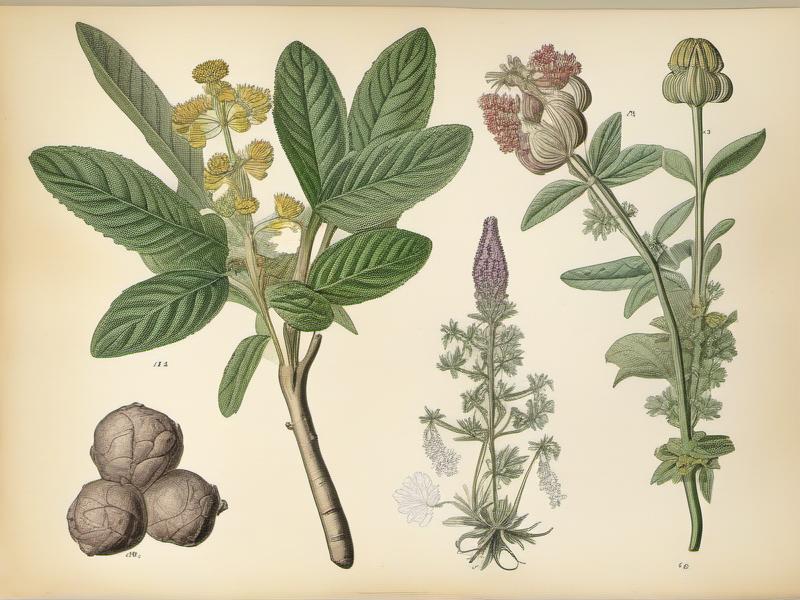
Modern humans buy stress capsules while the most powerful adaptogens grow in garden soil. Ashwagandha, rhodiola, and schisandra are not a trend -- they are a biological survival technology that you can cultivate, harvest, and prepare without the supplement industry.
Part I: The Chemistry of Chronic Stress
In 1936, an endocrinologist named Hans Selye injected rats with ovarian extract and observed something unexpected. The rats developed stomach ulcers, shrunken thymus glands, and enlarged adrenal cortices -- regardless of what substance he injected. He tried formalin. Same result. Saline. Same result. He was not observing a pharmacological effect. He was observing the body's universal response to being overwhelmed.
Selye called it the General Adaptation Syndrome, and he divided it into three stages: alarm, resistance, and exhaustion. The alarm stage triggers the hypothalamic-pituitary-adrenal axis -- the HPA axis -- which floods the bloodstream with cortisol and adrenaline. Heart rate spikes. Blood sugar rises. Digestion slows. The immune system suppresses non-essential functions. This is the fight-or-flight cascade, and it evolved to last minutes. Maybe hours. The time it takes to outrun a predator, survive a flood, or fight off a rival.
The problem is that modern humans never leave the alarm stage. The predator is a mortgage. The flood is an inbox. The rival is a performance review. The HPA axis fires continuously, and cortisol -- which was designed to spike and recede -- becomes a permanent resident in the bloodstream.
Here is what chronic cortisol elevation does to a human body:
Metabolic disruption. Cortisol promotes gluconeogenesis -- the conversion of protein into glucose. In acute stress, this provides emergency fuel. In chronic stress, it cannibalizes muscle tissue and drives insulin resistance. A 2010 meta-analysis published in Psychoneuroendocrinology found that chronically elevated cortisol predicted the development of type 2 diabetes with an odds ratio of 1.77. Immune suppression. Cortisol downregulates the production of interleukin-2 and interferon-gamma, two cytokines critical for T-cell activation. Short-term, this prevents immune overreaction during trauma. Long-term, it leaves the body vulnerable to infections and reduces the efficacy of vaccines. A Carnegie Mellon study directed by Sheldon Cohen demonstrated that individuals with flatter diurnal cortisol slopes -- meaning cortisol stayed elevated throughout the day instead of declining normally -- had a 300% greater risk of developing upper respiratory infections. Hippocampal atrophy. The hippocampus -- the brain structure responsible for memory consolidation and spatial navigation -- is densely populated with glucocorticoid receptors. Chronic cortisol exposure causes dendritic retraction in hippocampal neurons. A 1998 study by Lupien et al., published in Nature Neuroscience, tracked elderly subjects over five years and found that those with progressively increasing cortisol levels experienced a 14% reduction in hippocampal volume and significant memory impairment. Sleep architecture disruption. Cortisol follows a circadian rhythm -- it should peak around 6-8 AM and reach its nadir around midnight. Chronic stress flattens this curve. Evening cortisol remains elevated, which suppresses melatonin production and reduces slow-wave sleep. Slow-wave sleep is when the glymphatic system clears metabolic waste from the brain, including beta-amyloid. Disrupt it chronically and you are building the conditions for neurodegeneration.The pharmaceutical response to this cascade is predictable: benzodiazepines for anxiety, SSRIs for mood, melatonin for sleep, metformin for blood sugar. Each drug targets one downstream symptom while ignoring the upstream cause. The HPA axis continues to fire. The cortisol continues to flow.
This is where adaptogens enter the picture. Not as a replacement for pharmaceuticals in acute psychiatric illness, but as a fundamentally different approach to the problem -- one that modulates the stress response itself rather than treating its consequences.
Part II: What Adaptogens Actually Are
The term "adaptogen" was coined in 1947 by Nikolai Lazarev, a Soviet toxicologist who spent the war years evaluating military stimulants -- amphetamines, cocaine, caffeine -- and concluded that all of them shared a fatal flaw: they borrowed energy from the future. Short-term performance increased. Long-term resilience collapsed. Addiction followed. The crash was built into the mechanism.
Lazarev wanted something different. He wanted a substance that would increase the body's resistance to stress without the characteristic spike-and-crash of stimulants. He defined an adaptogen with three criteria that remain the standard today:
- Non-specific resistance. An adaptogen must increase resistance to a wide variety of stressors -- physical, chemical, and biological -- not just one.
- Normalizing effect. It must have a bidirectional action, bringing elevated functions down and depressed functions up, regardless of the direction of the pathological change.
- Non-toxicity. It must not disturb normal body functions and must have minimal side effects at therapeutic doses.
These criteria are extraordinary because they describe a pharmacological category that conventional medicine considered impossible. Drugs are supposed to push systems in one direction. A beta-blocker lowers heart rate. A stimulant raises it. The idea that a plant compound could sense the state of a biological system and adjust it in the appropriate direction seemed like vitalist mysticism.
But the Soviets were not mystics. They were military pragmatists.
Lazarev's protege, Israel Brekhman, assembled a research team that eventually numbered over 1,200 scientists, biologists, and physicians. Between the late 1940s and the 1980s, this team screened more than 4,000 plant species and identified twelve that met Lazarev's criteria. The research was conducted in military institutes, and the results were classified. Soviet Olympic athletes, cosmonauts, submarine crews, and political leaders received adaptogen preparations. The general population -- and the West -- did not.
The first adaptogen Brekhman studied was Eleutherococcus senticosus -- Siberian ginseng. But the four plants that concern us here are the ones you can grow in a garden: ashwagandha (Withania somnifera), rhodiola (Rhodiola rosea), schisandra (Schisandra chinensis), and holy basil (Ocimum tenuiflorum). Each has a different chemical profile, a different mechanism of action, and a different set of growing requirements. Together, they constitute a home apothecary for stress resilience that requires no supply chain, no capsule machine, and no subscription.
Part III: The HPA Axis -- How Adaptogens Modulate the Stress Response
To understand how adaptogens work, you need to understand the HPA axis in slightly more detail than the typical health article provides.
The hypothalamus sits at the base of the brain, above the brainstem. It receives inputs from the amygdala (threat detection), the prefrontal cortex (executive evaluation), and the hippocampus (contextual memory). When these inputs signal danger -- whether a charging bear or a hostile email -- the hypothalamus releases corticotropin-releasing hormone (CRH).
CRH travels through a tiny portal blood system to the anterior pituitary gland, where it triggers the release of adrenocorticotropic hormone (ACTH). ACTH enters the general bloodstream and reaches the adrenal cortices -- two small glands sitting atop the kidneys -- where it stimulates the production and release of cortisol.
Cortisol then circulates through the body, triggering the metabolic, immune, and neurological changes described above. But cortisol also loops back to the hypothalamus and pituitary in a negative feedback loop. When cortisol levels are high enough, the hypothalamus reduces CRH production, the pituitary reduces ACTH, and the system calms down.
In chronic stress, this negative feedback loop becomes desensitized. The glucocorticoid receptors in the hypothalamus downregulate -- they become less responsive to cortisol's "stop" signal. The result is a system that keeps producing cortisol even when cortisol levels are already elevated. The thermostat is broken.
Adaptogens appear to work at multiple points in this cascade:
Receptor sensitivity. Several withanolides from ashwagandha have been shown to modulate glucocorticoid receptor expression, potentially restoring the sensitivity of the negative feedback loop. A 2012 study published in the Indian Journal of Psychological Medicine found that subjects taking 300 mg of ashwagandha root extract twice daily for 60 days showed a 27.9% reduction in serum cortisol levels compared to placebo. HSP70 expression. Heat shock protein 70 (HSP70) is a molecular chaperone that protects cellular proteins from stress-induced damage. Adaptogens -- particularly rhodiola -- upregulate HSP70 expression. A 2009 study by Panossian et al. demonstrated that salidroside, the primary active compound in rhodiola, increased HSP70 expression in human neuroglia cells by a factor of approximately three. This is significant because HSP70 also inhibits the expression of stress-activated protein kinases (JNK and p38), which mediate the cellular damage caused by chronic cortisol exposure. Cortisol metabolism. Schisandra lignans -- particularly schisandrin B -- have been shown to modulate the activity of enzymes involved in cortisol metabolism, including 11-beta-hydroxysteroid dehydrogenase. This enzyme converts inactive cortisone to active cortisol in peripheral tissues. By modulating its activity, schisandra may reduce cortisol's impact on target organs without affecting adrenal output directly. GABAergic modulation. Withanolide A from ashwagandha acts as a positive allosteric modulator of GABA-A receptors -- the same receptor complex targeted by benzodiazepines. The difference is that withanolide A's binding is weaker and does not produce tolerance or dependence at physiological doses. This provides anxiolytic effects without sedation at moderate doses.The net effect is not stimulation or suppression. It is calibration. The stress response still functions -- you still feel fear, still mobilize energy in emergencies -- but the system returns to baseline faster, rests more completely, and does not linger in chronic activation.
Part IV: Ashwagandha -- Withania somnifera
The Plant
Ashwagandha is a member of the Solanaceae family -- the nightshades. It is a relative of tomatoes, peppers, and eggplant, which means that if you can grow tomatoes, you can grow ashwagandha. The name comes from Sanskrit: ashva (horse) and gandha (smell). The fresh root smells like a horse. This is not marketing. It genuinely does.
The plant is a woody shrub that grows 1 to 3 feet tall in temperate gardens, though it can reach 5 feet in tropical conditions. It produces small, bell-shaped, greenish-yellow flowers and bright orange-red berries enclosed in papery calyxes -- a feature it shares with its cousin, the ground cherry (Physalis). The root system is extensive, with a central taproot that can reach 12 inches in depth and numerous lateral roots that spread through the upper soil horizon.
Ayurvedic physicians have used ashwagandha for over 3,000 years as a rasayana -- a rejuvenative tonic. It appears in the Charaka Samhita, one of the foundational texts of Ayurvedic medicine, dating to approximately 100 CE. Traditional preparations included powdered root mixed with ghee and honey, decoctions in warm milk, and topical pastes for joint inflammation.
Clinical Evidence
The modern clinical literature on ashwagandha is more robust than for most medicinal herbs. Here are the key studies:
Cortisol reduction. A 2012 randomized, double-blind, placebo-controlled trial by Chandrasekhar et al. enrolled 64 adults with a history of chronic stress. The treatment group received 300 mg of high-concentration full-spectrum ashwagandha root extract twice daily for 60 days. Serum cortisol levels decreased by 27.9% in the treatment group versus 7.9% in the placebo group (p < 0.001). Perceived stress scores on the Perceived Stress Scale dropped by 44%. Sleep quality. A 2019 study published in Cureus by Langade et al. enrolled 150 healthy subjects with sleep complaints. The group receiving 120 mg of ashwagandha extract showed significant improvements in sleep onset latency (falling asleep 5 minutes faster), total sleep time, sleep quality scores, and morning alertness. Sleep efficiency improved by an average of 7%. Anxiety. A systematic review published in the Journal of Alternative and Complementary Medicine in 2014 analyzed five randomized controlled trials of ashwagandha for anxiety. All five showed significant reductions in anxiety scores. The weighted mean difference on the Hamilton Anxiety Rating Scale was -5.28 (95% CI: -8.40 to -2.17). Physical performance. A 2015 study published in the Journal of the International Society of Sports Nutrition found that subjects receiving 300 mg of ashwagandha root extract twice daily for 8 weeks showed significantly greater increases in muscle strength (bench press: +47.3 lbs vs +26.4 lbs in placebo) and muscle size (arm size increase: +8.6% vs +5.3%). Testosterone levels increased significantly in the treatment group and exercise-induced muscle damage was reduced, as indicated by serum creatine kinase levels.Growing Guide
Zones: Hardy as a perennial in USDA zones 9-12. Grown as an annual in zones 4-8. In zones 6-8, some gardeners have overwintered plants with heavy mulching (6-8 inches of straw over the crown), but results are inconsistent. Soil: Sandy loam to light red soil with excellent drainage. pH 7.5-8.0 is ideal -- this is more alkaline than most garden soil. If your soil tests below 7.0, amend with agricultural lime at 5 lbs per 100 square feet and retest. Ashwagandha will not tolerate waterlogged soil. Heavy clay is a death sentence. If your soil is clay, grow in raised beds with a 50/50 mix of sand and compost. Sunlight: Full sun. Minimum 6 hours of direct sunlight per day. The more sun, the higher the withanolide content in the roots. Starting from seed: Ashwagandha seeds germinate slowly and unevenly. Soak seeds in warm water (70-80 degrees F) for 24 hours before planting. Start indoors 8-10 weeks before the last expected frost. Sow seeds 1/4 inch deep in a well-draining seed-starting mix. Germination takes 14-21 days at 70-75 degrees F. Do not overwater -- the soil should feel like a wrung-out sponge, not a wet one. Transplanting: Move seedlings outdoors after all danger of frost has passed and nighttime temperatures are consistently above 55 degrees F. Space plants 24-36 inches apart. Ashwagandha resents transplant shock, so handle the root ball gently and water deeply immediately after planting. Care: Water deeply but infrequently -- once every 7-10 days in the absence of rain. Ashwagandha is drought-adapted. Its native habitat is the arid regions of India, the Middle East, and North Africa. Overwatering causes root rot and reduces withanolide concentration. Do not fertilize heavily. Excessive nitrogen produces lush foliage at the expense of root development and active compound concentration. Harvest timing: The root is the primary medicinal harvest. Plants need 150-180 days from transplant to reach harvestable maturity. The signal is the berries: when they turn bright red and the leaves begin to yellow and drop, the roots are ready. In zones 4-8, this typically coincides with the first light frosts of autumn -- which is convenient, because the cold signals the plant to move energy into the root. Harvesting: Loosen the soil around the plant with a garden fork, working from the drip line inward. Pull the entire plant. Cut the stem 1-2 cm above the root crown. Shake off loose soil. Do not wash the roots yet -- water accelerates enzymatic degradation of withanolides. Drying: Cut roots into 1/4-inch-thick slices and spread them in a single layer on screens or drying racks in a warm, dry, well-ventilated area out of direct sunlight. A food dehydrator set to 95-100 degrees F works well. Drying takes 3-7 days depending on humidity. The roots are done when they snap cleanly instead of bending. Store dried root slices in glass jars with tight-fitting lids in a cool, dark location. Properly dried ashwagandha root maintains potency for 2-3 years. Yield: A single well-grown plant produces approximately 50-100 grams of dried root. A 4x8-foot bed with 12 plants can yield 600-1,200 grams -- roughly one to two pounds of dried root per season. At a typical dose of 600 mg per day, one pound of dried root provides approximately a 250-day supply for one person.Part V: Rhodiola -- Rhodiola rosea
The Plant
Rhodiola rosea -- known as roseroot, golden root, or Arctic root -- is a succulent perennial native to the circumpolar regions of the Northern Hemisphere. It grows wild in Scandinavia, Siberia, Iceland, the Scottish Highlands, the mountains of Central Asia, and the Rocky Mountains of North America. It thrives in conditions that would kill most garden plants: thin, rocky soil; fierce winds; short growing seasons; winter temperatures that drop below minus 40 degrees (the point where Fahrenheit and Celsius converge).
The plant forms dense rosettes of fleshy, blue-green leaves on stems that reach 12-30 inches tall. In late spring, it produces clusters of small yellow flowers that emit a rose-like fragrance -- hence the name roseroot. The medicinal part is the thick, fleshy rhizome, which has a distinctive rose scent when freshly cut. This rhizome accumulates the plant's active compounds over multiple years, which is why rhodiola is not a harvest-and-replant crop. It requires patience.
The Soviet Secret
Rhodiola was the Soviet military's favorite adaptogen. Beginning in the 1960s, researchers at the Soviet Academy of Sciences conducted systematic studies on rhodiola's effects on human performance. By 1969, the Soviet Ministry of Health had added rhodiola to its official register of medicines. Soviet cosmonauts took it before missions. Olympic athletes used it during training. Chess grandmasters were given rhodiola preparations before tournaments.
The research was classified because the Soviets considered adaptogen science a strategic military advantage. They were not wrong. A 1987 review by Soviet scientists compiled the results of dozens of experiments showing that rhodiola enhanced cognition, perception, concentration, learning, and memory -- without the jitteriness, insomnia, or dependency associated with amphetamines.
Much of this research remained untranslated and inaccessible to Western scientists until the 1990s, when the collapse of the Soviet Union opened the archives. The Swedish Herbal Institute, led by Alexander Panossian, was among the first Western research groups to systematically review the Soviet data and conduct independent clinical trials.
Clinical Evidence
Mental fatigue. A 2000 double-blind, placebo-controlled study by Darbinyan et al. tested rhodiola extract in physicians during night shifts. At a dose of 170 mg per day for two weeks, rhodiola significantly improved mental performance on measures including short-term memory, associative thinking, calculation speed, and overall concentration. The effect size was notable: total cognitive function scores improved by approximately 20% compared to placebo. Physical endurance. A 2004 study published in Phytomedicine by De Bock et al. examined the effects of acute rhodiola supplementation (200 mg of standardized extract one hour before exercise) on endurance capacity. Time to exhaustion in a cycling test increased by 3.1%, and peak VO2 increased by 3.2%. This may seem modest, but in competitive athletics, a 3% improvement in endurance capacity is the difference between qualifying and going home. Depression. A 2007 randomized clinical trial by Darbinyan et al. tested rhodiola extract (340 mg/day and 680 mg/day) in patients with mild to moderate depression over six weeks. Both dose groups showed significant improvements on the Hamilton Depression Rating Scale, the Beck Depression Inventory, and the Clinical Global Impression Scale compared to placebo. The effect was not as strong as conventional antidepressants, but the side effect profile was dramatically better. Stress and burnout. A 2012 study published in Phytomedicine by Olsson et al. tested rhodiola (400 mg/day) in 60 subjects diagnosed with stress-related fatigue. After 28 days, the rhodiola group showed significant improvements in burnout symptoms, including emotional exhaustion, and significantly lower cortisol responses to awakening stress.Growing Guide
Rhodiola is the most challenging adaptogen in this article to grow, because it evolved in conditions most gardeners would consider hostile. But "challenging" does not mean "impossible." It means you need to replicate a few specific conditions.
Zones: Hardy in USDA zones 1-7. Yes, zone 1. This plant survives temperatures below minus 45 degrees F when dormant. Conversely, it struggles in zones 8 and above. If you live in a hot climate, rhodiola is not your plant -- grow ashwagandha instead. Soil: Well-drained, slightly alkaline (pH 6.5-7.5), rocky or sandy. In the wild, rhodiola grows in thin soil over granite and limestone. It cannot tolerate waterlogging. The single most common cause of rhodiola failure in gardens is too much moisture around the roots. Use a raised bed or rock garden with a soil mix of 50% coarse sand, 30% compost, and 20% perlite or crushed granite. If your native soil is heavy clay, do not even attempt in-ground planting. Sunlight: Full sun to partial shade. In zones 1-4, full sun is ideal. In zones 5-7, afternoon shade helps prevent heat stress during midsummer. Starting from seed: Rhodiola seeds require cold stratification to germinate. The simplest method: sow seeds on the surface of moist seed-starting mix in plug trays (do not cover -- they need light to germinate), and place the trays outdoors in winter. Snow cover is ideal. Alternatively, seal the trays in a plastic bag and refrigerate at 35-40 degrees F for 6-8 weeks. After stratification, move trays to a cool location (55-65 degrees F) with bright indirect light. Germination is slow and uneven -- expect 3-6 weeks, with some seeds taking longer. Starting from division: The faster method. Obtain a mature rhodiola plant from a specialty nursery and divide the rhizome in early spring. Each division should have at least two growth buds. Plant divisions 12-18 inches apart, with the crown just below the soil surface. Care: Water sparingly. Rhodiola is a succulent -- it stores water in its fleshy leaves and rhizome. In most climates, natural rainfall is sufficient. Supplement only during extended dry spells, and even then, water deeply and infrequently rather than shallowly and often. Do not mulch heavily around the crown -- this retains moisture and invites rot. A thin layer of gravel or crushed stone is better than organic mulch. Harvest timing: This is the hard part. Rhodiola roots must grow for 4-5 years before the rhizome is large enough to harvest and the active compound concentration peaks. Root yield increases throughout the five-year period. Harvesting earlier gives you a smaller root with lower salidroside and rosavin content. There are no shortcuts. The plant cannot be rushed. Harvesting: In late autumn, after the above-ground growth has died back, dig the entire rhizome with a garden fork. In established plantings, leave at least half the rhizome in the ground to regenerate. The freshly cut rhizome should have a characteristic rose scent. If it does not smell like roses, the plant is either too young or not Rhodiola rosea (several look-alike species exist). Drying: Scrub rhizomes gently under cool water to remove soil. Slice into 1/4-inch rounds. Dry at low temperature (95-105 degrees F) in a dehydrator or in a well-ventilated room. Avoid high heat -- temperatures above 115 degrees F degrade salidroside and rosavin. Properly dried rhodiola root is hard and dense with a pleasant rose-like aroma. Store in airtight glass containers away from light. Potency is maintained for 2-3 years. Yield: A single five-year-old plant yields approximately 100-300 grams of fresh rhizome, which dries down to roughly 30-100 grams. A small bed of 20 plants, harvested selectively over time, can provide a sustainable personal supply indefinitely.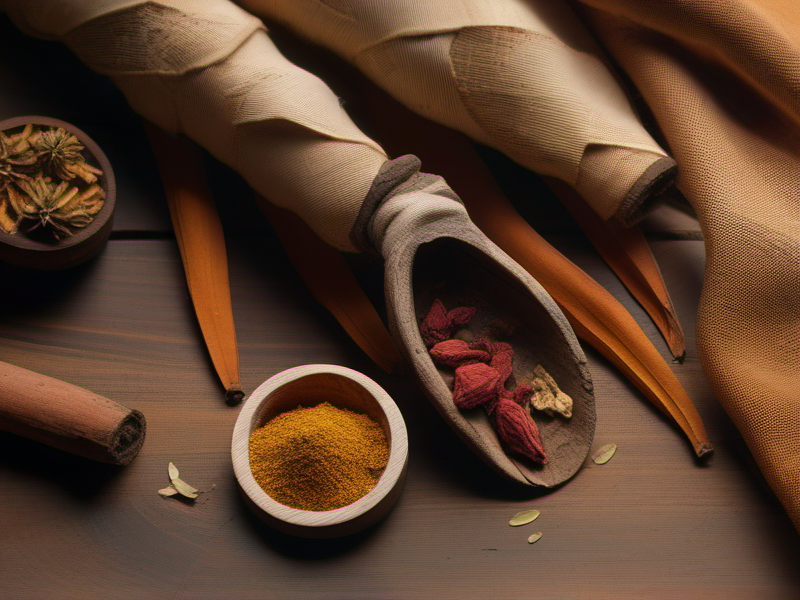
Part VI: Schisandra -- Schisandra chinensis
The Plant
Schisandra chinensis is a deciduous woody vine native to northeastern China, the Russian Far East, Korea, and Japan. In Chinese medicine, it is called wu wei zi -- the "five-flavor fruit" -- because the berries simultaneously contain all five flavors recognized in traditional Chinese pharmacology: sour, sweet, salty, bitter, and pungent. This is not poetic exaggeration. Bite into a fresh schisandra berry and your mouth will cycle through all five tastes in rapid succession. It is one of the most extraordinary sensory experiences in the plant kingdom.
The vine can reach 25-30 feet in length and climbs by twining around supports -- trellises, arbors, trees, fences. In spring, it produces fragrant, creamy-white to pale pink flowers. By late summer, the flowers develop into hanging clusters of bright red berries, each cluster containing 20-40 individual fruits. A mature vine in full fruit is spectacularly ornamental -- reason enough to grow it, even if you never make a single tincture.
Schisandra has been used in Chinese medicine for over 2,000 years. The Shennong Ben Cao Jing -- one of the oldest Chinese medical texts, attributed to around 200 BCE -- lists it as a "superior" herb, meaning it could be taken long-term without toxicity to promote longevity and general health. Chinese hunters and Nanai hunters of the Russian Far East carried dried schisandra berries on long expeditions as a fatigue preventive and hunger suppressant.
Clinical Evidence
Liver protection. Schisandra lignans -- particularly schisandrin B and schisandrin C -- have been extensively studied for hepatoprotective effects. A series of studies at the Hong Kong Polytechnic University demonstrated that schisandrin B protects liver mitochondria from oxidative damage and enhances glutathione antioxidant status. In China, a synthetic derivative of schisandrin C (called bicyclol) has been approved as a prescription drug for viral hepatitis. Cognitive performance. A 2007 study published in Phytomedicine by Panossian and Wikman tested a standardized schisandra extract in combination with rhodiola in subjects performing cognitive tasks under stressful conditions. The combination significantly improved attention, speed, and accuracy compared to placebo. Notably, the combination showed synergistic effects -- the improvement was greater than what either adaptogen produced alone. Endurance and recovery. Research conducted in the Soviet Union and China has consistently shown that schisandra improves physical endurance and accelerates recovery from exertion. A 2008 study by Park et al. found that schisandra extract (1 g/day for 2 weeks) significantly improved VO2 max, ventilatory threshold, and running performance in athletes. Stress hormone modulation. A 2009 study published in Planta Medica demonstrated that schisandra extract reduced stress-induced increases in nitric oxide and cortisol levels in human subjects. The mechanism appears to involve modulation of the enzyme 11-beta-hydroxysteroid dehydrogenase, which controls the conversion of inactive cortisone to active cortisol in peripheral tissues.Growing Guide
Zones: Hardy in USDA zones 3-8. Schisandra is extremely cold-hardy but also tolerates moderate heat, making it the most versatile adaptogen vine for North American gardens. Soil: Rich, moist, well-drained, slightly acidic (pH 5.5-6.5). Think woodland soil -- loamy, humus-rich, retaining moisture but never waterlogged. Amend heavy clay with compost and aged bark mulch. Amend sandy soil with compost to improve water retention. Schisandra is a forest-edge species and prefers soil with high organic matter content. Sunlight: Partial shade to full sun. In zones 3-5, full sun is acceptable. In zones 6-8, morning sun with afternoon shade is ideal. In its native habitat, schisandra grows at the margins of forests, where it receives dappled light for most of the day. It does not thrive in dense shade -- it needs enough light to fruit -- but it does not want the blasting midday sun of an open field. Support structure: Essential. Schisandra is a twining vine that will reach 15-25 feet. Provide a sturdy trellis, arbor, or fence. T-post and wire trellising (similar to grape cultivation) works well for dedicated plantings. Space posts 8 feet apart, string galvanized wire at 3-foot intervals, and train vines along the wires. Starting from seed: Schisandra seeds have a deep dormancy that requires a specific sequence of warm and cold stratification. Fresh seeds (harvested in autumn) should be placed in moist sand and kept at 68-77 degrees F for 2-3 months (warm stratification), then moved to 33-40 degrees F for 3-4 months (cold stratification). After this treatment, sow seeds 1/4 inch deep in a humus-rich seed-starting mix. Germination occurs in 2-4 weeks at 60-70 degrees F. Starting from cuttings or plants: Much easier. Purchase nursery-grown plants from a reputable specialty herb nursery. Plant in spring after the last frost. Ensure you have both male and female plants -- or better yet, purchase a self-fertile cultivar (several have been developed for the North American market). Without pollination, you will get no fruit. Pollination: Schisandra is typically dioecious -- meaning individual plants are either male or female. You need at least one male plant for every 5-8 female plants. Some cultivars are monoecious (both sexes on one plant), but this is not reliable in all climates. If you have space for only one vine, seek out a self-fertile selection. Even so, fruit set is often better with cross-pollination. Care: Keep the root zone consistently moist but not waterlogged. A 3-4 inch layer of organic mulch (shredded leaves, aged bark, or wood chips) over the root zone helps retain moisture and mimics the forest-floor conditions schisandra prefers. Feed annually in early spring with a balanced organic fertilizer or a 2-inch topdressing of compost. Prune in late winter to remove dead wood and maintain the vine within its trellis. Harvest timing: Berries ripen in late August through October, depending on climate. They turn bright red and become slightly soft when ripe. Harvest entire clusters by clipping the stem with pruning shears. A mature vine (4+ years old) can produce 2-8 pounds of fresh berries per season. Processing: Schisandra berries can be used fresh, dried, or tinctured. To dry: spread berries in a single layer on drying screens and dry at 95-105 degrees F until they resemble small, dark raisins. This takes 3-5 days. Properly dried berries store for 2-3 years in airtight glass containers. Yield: A mature vine produces 2-8 lbs of fresh berries per season. Dried weight is approximately 20-25% of fresh weight, yielding 6-32 ounces of dried berries per vine. At a typical dose of 1.5-6 grams per day, a single productive vine can supply one person for an entire year.Part VII: Holy Basil -- Ocimum tenuiflorum (Tulsi)
The Plant
If ashwagandha is the workhorse and rhodiola is the specialist, holy basil is the generalist. It is the easiest adaptogen in this article to grow, the fastest to produce a usable harvest, and the most forgiving of beginner mistakes.
Holy basil -- known as Tulsi in Ayurvedic tradition -- is a member of the Lamiaceae family (the mints). It is a close relative of sweet basil (Ocimum basilicum), the culinary herb you already know. But the chemical profiles are different. Sweet basil is dominated by linalool and eugenol. Holy basil's chemical signature includes eugenol, rosmarinic acid, ursolic acid, and a suite of adaptogens including ocimumosides A and B -- compounds that modulate corticosterone levels in animal models and show anxiolytic effects in human trials.
Three cultivars are commonly grown:
- Rama Tulsi (O. tenuiflorum): Green leaves, mild flavor, the most common variety. Grows 1-2 feet tall.
- Krishna Tulsi (O. tenuiflorum 'Krishna'): Purple-tinged leaves and stems, stronger flavor with a distinctive peppery-clove note. Considered the most medicinally potent variety in Ayurvedic tradition.
- Vana Tulsi (O. gratissimum): A larger, more robust species that grows 3-5 feet tall. Slightly different flavor profile -- more citrusy and less peppery. Technically a different species, but used interchangeably in traditional medicine.
In India, tulsi is considered sacred -- a living embodiment of the goddess Lakshmi. It is grown in nearly every Hindu household, often in a specially constructed vrindavan (tulsi planter) near the entrance. This cultural reverence has ensured that tulsi cultivation knowledge has been transmitted unbroken for millennia. When your neighbor in Varanasi has been growing tulsi for 5,000 years, the growing instructions tend to be reliable.
Clinical Evidence
Stress and anxiety. A 2012 randomized, double-blind, placebo-controlled study by Saxena et al. tested 1,200 mg of tulsi extract daily in 150 subjects with generalized anxiety disorder. After six weeks, the tulsi group showed significant reductions in stress scores, sexual dysfunction, and sleep problems compared to placebo. Overall stress management scores improved by 39%. Blood glucose regulation. A 1996 study by Agrawal et al. in International Journal of Clinical Pharmacology and Therapeutics found that 2.5 grams of dried tulsi leaf powder taken daily for four weeks resulted in a 17.6% reduction in fasting blood glucose and a 7.3% reduction in postprandial blood glucose in patients with type 2 diabetes. Cognitive function. A 2015 study by Sampath et al., published in Evidence-Based Complementary and Alternative Medicine, tested 300 mg of tulsi extract daily in elderly subjects for 12 weeks. The tulsi group showed significant improvements in reaction time, error rate, and working memory compared to placebo. Immune function. A 2017 systematic review of human trials found that tulsi supplementation increased T-helper cells, natural killer cells, and interferon-gamma levels -- markers of enhanced immune surveillance.Growing Guide
Zones: Perennial in zones 10-12. Annual everywhere else. In zones 7-9, it behaves as a tender perennial that may survive mild winters with protection but should be treated as an annual for planning purposes. Soil: Well-drained, fertile, slightly acidic to neutral (pH 6.0-7.5). Tulsi adapts to almost any soil type except waterlogged clay. In raised beds, a standard garden mix of 60% topsoil, 30% compost, and 10% perlite is ideal. Sunlight: Full sun. 6-8 hours of direct sunlight daily. More sun produces more essential oils and adaptogens in the leaves. Starting from seed: Sow seeds indoors 6-8 weeks before the last frost. Scatter seeds on the surface of moist seed-starting mix and press lightly -- do not bury. Tulsi seeds are tiny and need light to germinate. Germination occurs in 5-14 days at 70-75 degrees F. Mist daily rather than watering from above. Transplanting: Move outdoors after all danger of frost has passed and nighttime temperatures exceed 50 degrees F. Space plants 12-18 inches apart. Tulsi is frost-sensitive -- a single frost will kill it. Care: Water regularly to keep soil consistently moist during establishment. Once established, tulsi is moderately drought-tolerant. The critical maintenance task is pinching flowers. If you allow tulsi to flower, the leaves become bitter and the plant puts energy into seed production rather than leaf growth. Pinch flower buds as soon as they appear throughout the growing season. This also encourages bushier growth and higher leaf yield. Harvesting: Begin harvesting leaves once the plant is 12 inches tall and well-branched. Cut stems back to the second or third node from the base -- this stimulates new growth. You can harvest every 2-3 weeks throughout the growing season. In tropical climates, tulsi produces year-round. In temperate climates, the growing season is typically May through October. Drying: Bundle 6-8 stems together and hang upside down in a warm, dry, well-ventilated area away from direct sunlight. Alternatively, strip leaves from stems and dry on screens at 95-100 degrees F. Leaves are ready when they crumble easily. Store in airtight glass jars away from light and heat. Properly dried tulsi maintains potency for 1-2 years. Yield: A single tulsi plant produces multiple harvests per season. Expect 100-200 grams of dried leaf per plant over a full growing season. A 4x8-foot bed with 10-12 plants can yield 1-2.5 kg of dried tulsi leaf -- enough for daily tea consumption for a household of two for an entire year.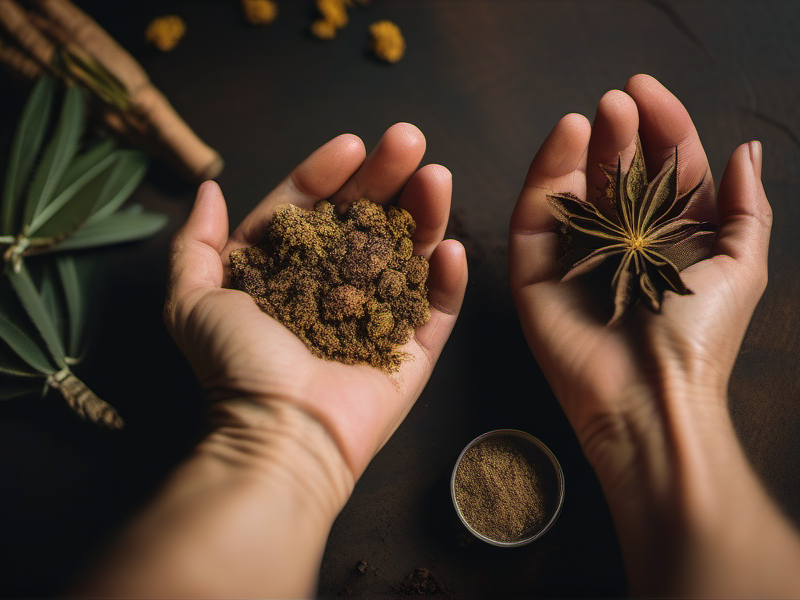
Part VIII: Preparation Methods -- From Garden to Apothecary
Growing the plant is half the work. The other half is transforming dried root, rhizome, leaf, or berry into a form your body can use. There are four primary preparation methods, each with different advantages.
1. Decoction (Root and Rhizome Preparations)
A decoction is a prolonged simmer that extracts compounds from hard, dense plant material. This is the primary preparation method for ashwagandha root and rhodiola rhizome.
Method: Place 1 tablespoon (approximately 5-7 grams) of dried, sliced root or rhizome in a small saucepan with 2 cups (16 oz) of cold water. Bring to a gentle boil, then reduce heat to maintain a low simmer. Simmer uncovered for 20-30 minutes, or until the liquid has reduced by approximately half. Strain through a fine-mesh strainer or cheesecloth into a cup. Drink warm. Dosage: One cup of decoction, once or twice daily. Morning and early afternoon are optimal -- avoid evening doses, as the mild stimulating effect (particularly of rhodiola) may interfere with sleep onset. Storage: Decoctions can be refrigerated in a glass jar for up to 48 hours. Beyond that, prepare fresh. Enhancement: Ashwagandha decoction is traditionally prepared in milk rather than water. The fat in milk improves absorption of fat-soluble withanolides. Use whole milk, coconut milk, or any full-fat plant milk. Add 1/2 teaspoon of ghee and a pinch of black pepper (piperine in black pepper enhances bioavailability of many plant compounds by inhibiting hepatic glucuronidation).2. Infusion (Leaf and Berry Preparations)
An infusion is simply a strong tea -- boiling water poured over plant material and allowed to steep. This is the primary method for tulsi leaf and dried schisandra berries.
Method for tulsi tea: Place 1-2 tablespoons of dried tulsi leaf (or 1/4 cup fresh leaves) in a teapot or French press. Pour 12-16 oz of water heated to just below boiling (195-205 degrees F) over the herb. Steep for 5-10 minutes. Strain and drink. Honey is a traditional and complementary addition. Method for schisandra tea: Place 1-2 tablespoons of dried schisandra berries in a teapot. Pour 16 oz of boiling water over the berries. Steep for 15-20 minutes -- schisandra requires a longer steep time because the berry's waxy skin slows extraction. For a stronger preparation, gently crush the berries with a mortar and pestle before steeping. Strain and drink. The five-flavor experience is intense. Some people love it immediately. Others require an adjustment period. Dosage: 1-3 cups daily.3. Tincture (Alcohol Extraction)
A tincture is a concentrated liquid extract made by soaking plant material in alcohol. Alcohol extracts a broader range of compounds than water, including many that are poorly water-soluble. Tinctures are shelf-stable for years, portable, and precise in dosing.
The Folk Method (Simpler)This is the method used by herbalists for centuries before standardized pharmacy:
- Fill a clean glass mason jar halfway with dried, finely chopped plant material (ashwagandha root, rhodiola rhizome, schisandra berries, or tulsi leaf).
- Pour 80-proof vodka (40% alcohol by volume) over the herb until the jar is full and the herb is completely submerged. For ashwagandha and rhodiola roots, 80-proof is sufficient. For schisandra berries, some herbalists prefer 100-proof (50% ABV) to better extract the resinous lignans.
- Seal the jar tightly with a lid. Label it with the herb name and date.
- Store in a cool, dark place for 4-6 weeks. Shake the jar vigorously once daily.
- After 4-6 weeks, strain through cheesecloth, squeezing the herb material firmly to extract all liquid.
- Pour the finished tincture into amber glass dropper bottles. Label with herb, menstruum (alcohol type and proof), and date.
- Store in a cool, dark place. Shelf life: 3-5 years minimum.
For those who want reproducible results:
- Dried plant material: Use a 1:5 ratio by weight. For every 1 ounce (28 grams) of dried herb, use 5 fluid ounces (148 ml) of menstruum.
- Fresh plant material: Use a 1:2 ratio by weight. For every 1 ounce of fresh herb, use 2 fluid ounces of menstruum.
4. Powdered Root (Churna)
The simplest preparation of all. Dried root is ground to a fine powder in a coffee grinder, blender, or mortar and pestle, and consumed directly.
Method: Grind dried ashwagandha root slices in a dedicated coffee grinder (do not use the same grinder for coffee -- the flavors will contaminate each other). Sift through a fine-mesh strainer to remove fibrous pieces. Store powder in an airtight glass jar. Dosage: 1/4 to 1/2 teaspoon (approximately 1-3 grams) mixed into warm milk, smoothies, honey, or food. Ashwagandha powder has a distinctly earthy, slightly bitter, horse-like flavor. It is an acquired taste. Mixing with chocolate, cinnamon, or honey helps. Traditional Ayurvedic preparation (ashwagandha milk): Heat 1 cup of whole milk (or coconut milk) until steaming. Add 1/2 teaspoon ashwagandha powder, 1/4 teaspoon cinnamon, a pinch of cardamom, and 1 teaspoon honey or jaggery. Stir well and drink before bed. This is called ashwagandha ksheerapaka and has been prescribed in Ayurvedic practice for over 2,000 years as a sleep and rejuvenation tonic.Part IX: Building the Adaptogen Garden -- A Complete Planting Plan
Here is a practical layout for a dedicated adaptogen garden that fits in a 10x16-foot space (160 square feet) and provides a year-round supply of four adaptogens for a household of one or two people.
Layout
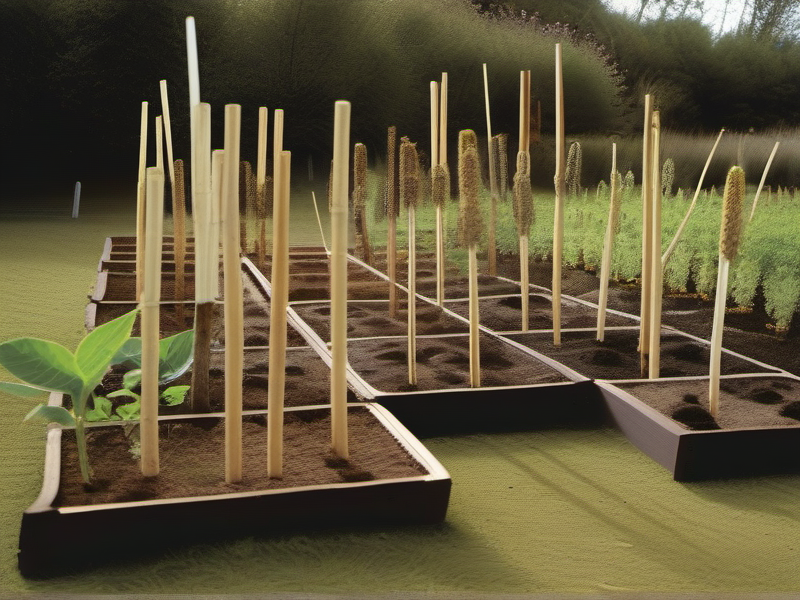
Bed 1: Ashwagandha (4x8 feet, full sun) - 12 plants spaced 24 inches apart in a 3x4 grid - Annual planting in zones 4-8, perennial in zones 9-12 - Expected dried root yield: 600-1,200 grams per season Bed 2: Holy Basil (4x8 feet, full sun) - 10-12 plants spaced 15-18 inches apart - Annual in zones 4-9 - Expected dried leaf yield: 1,000-2,500 grams per season Trellis: Schisandra vine (along south-facing fence or dedicated trellis) - 2-3 vines, at least one male and one female (or self-fertile cultivars) - Perennial in zones 3-8 - Expected dried berry yield (from year 4): 200-800 grams per vine per season Rock garden or raised bed: Rhodiola (4x4 feet, full sun to partial shade) - 15-20 plants spaced 12-15 inches apart - Perennial in zones 1-7 - Expected dried rhizome yield (from year 5): 30-100 grams per plant, harvested selectivelySeasonal Calendar
Late winter (February-March): - Start ashwagandha and tulsi seeds indoors under grow lights - Start rhodiola seeds in flats and place outdoors for cold stratification (if not done in autumn) Spring (April-May): - Transplant tulsi outdoors after last frost - Transplant ashwagandha outdoors after nighttime temps exceed 55 degrees F - Plant schisandra vines from nursery stock - Divide and replant rhodiola if needed Summer (June-August): - Harvest tulsi leaves every 2-3 weeks, pinching flowers - Water ashwagandha sparingly; do not overwater - Train schisandra vines on trellis - Keep rhodiola bed weeded; water only during extended drought Autumn (September-November): - Harvest ashwagandha roots when berries redden and leaves yellow - Harvest schisandra berries when bright red - Final tulsi harvest before first frost; collect seed for next year - Selectively harvest mature rhodiola rhizomes (year 5+) - Dry all harvested material promptly Winter (December-January): - Process dried material into tinctures - Prepare powdered root (ashwagandha) - Inventory supply and plan next season's planting - Order seeds and plants for springPart X: Safety, Contraindications, and Honest Limitations
Adaptogens are remarkably safe -- this is one of Lazarev's three defining criteria. But "remarkably safe" is not "universally safe." Several important caveats:
Ashwagandha: - May lower blood sugar. Individuals on diabetes medication should monitor glucose levels closely and consult a healthcare provider before starting. - May increase thyroid hormone levels (T4). Contraindicated in hyperthyroidism and should be used cautiously in hypothyroid patients already on levothyroxine -- it may require dose adjustment. - Theoretical concern during pregnancy. Ashwagandha is classified as an abortifacient in some traditional systems. Avoid during pregnancy unless specifically recommended by a qualified practitioner. - May potentiate the effects of sedative medications, including benzodiazepines and barbiturates. Rhodiola: - May cause insomnia if taken too late in the day. Take in the morning or early afternoon. - May interact with antidepressant medications (SSRIs, MAOIs). The combination of rhodiola's mild serotonergic activity with pharmaceutical serotonin modulators carries a theoretical risk of serotonin syndrome. This risk is low but not zero. - May lower blood pressure in some individuals. Use cautiously if already on antihypertensive medication. Schisandra: - May increase stomach acid. Avoid in active gastric ulcer or gastroesophageal reflux. - May interact with drugs metabolized by cytochrome P450 enzymes (CYP3A4 in particular). This includes many common medications, including statins, some blood thinners, and some antifungals. Consult a pharmacist if you are on multiple medications. - May stimulate uterine contractions. Avoid during pregnancy. Holy Basil: - May lower blood sugar. Same caution as ashwagandha for diabetic patients. - May have mild blood-thinning effects. Discontinue 2 weeks before scheduled surgery. - May reduce male fertility at very high doses (observed in animal studies at doses far exceeding typical human consumption). Moderate daily tea consumption is not associated with this effect. The honest limitation of all adaptogens: They are not a substitute for addressing the root causes of chronic stress. If you are sleeping four hours a night, eating processed food, and working 70-hour weeks, no plant on earth will save you. Adaptogens modulate the stress response. They do not eliminate the stressor. Use them as part of a broader strategy that includes adequate sleep, physical movement, nutritious food, and -- most difficult of all -- honest assessment of whether the life you are living is the one your biology can sustain.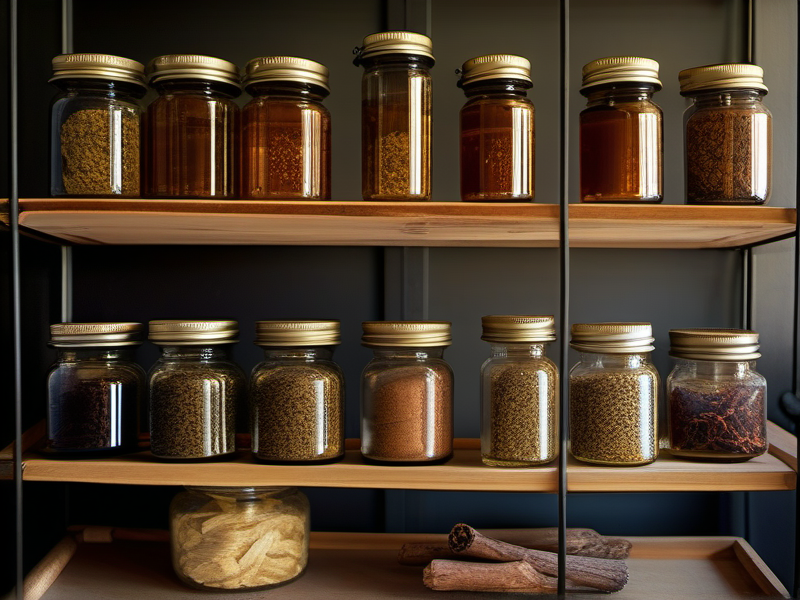
Part XI: The Economics of Growing Your Own
The adaptogen supplement market was valued at approximately $10.3 billion globally in 2023, with projections exceeding $20 billion by 2030. A single bottle of standardized ashwagandha extract -- 60 capsules at 600 mg each -- retails for $15-40 depending on brand and formulation. A year's supply at a moderate dose costs $90-240.
Now consider the economics of growing your own:
Ashwagandha seeds: $3-5 per packet (enough for 50+ plants) Soil amendments and supplies: $10-20 per season Yield from 12 plants: 600-1,200 grams of dried root Retail value of equivalent capsules: $150-400+ Cost per gram, homegrown: approximately $0.02 Cost per gram, supplement industry: $0.25-0.67That is a 12x to 33x markup. And the supplement industry product has been harvested in India, dried in a facility you have never inspected, shipped across an ocean, processed into powder, mixed with excipients and flow agents, pressed into capsules, bottled, warehoused, and trucked to a store. At every step, quality degrades and supply-chain risk increases. Your homegrown root went from soil to jar in the same afternoon.
The rhodiola equation is even more dramatic. Wild rhodiola is increasingly overharvested, with several Scandinavian populations under conservation concern. A bottle of rhodiola extract retails for $18-45. The plant you grow in your garden is not contributing to the depletion of wild populations. It is the opposite: a local, sustainable, zero-input source of a threatened medicinal species.
Part XII: The Deeper Pattern
There is a pattern in these plants that extends beyond pharmacology.
Ashwagandha thrives in poor soil and drought. Rhodiola endures the Arctic. Schisandra survives Siberian winters. Holy basil shrugs off the tropical heat. These are not delicate specimens that need pampering. They are the opposite. They are plants that have evolved under stress -- and their response to stress is the very chemistry that makes them useful to us.
The withanolides in ashwagandha root exist because the plant needed to defend itself against soil pathogens and herbivores in arid Indian scrubland. The salidroside in rhodiola's rhizome is a cryoprotectant -- an antifreeze that prevents ice crystal formation in cell membranes at minus 40 degrees. The lignans in schisandra berries are UV protectants and antifungal agents. The eugenol in tulsi leaves repels insects.
We borrow their resilience. That is the fundamental insight of adaptogenic medicine. The plant solved the same problem we face -- how to function under chronic environmental pressure -- and it encoded the solution in its chemistry. When we consume these compounds, we are not adding something foreign to our biology. We are plugging into a stress-response toolkit that the plant kingdom refined over millions of years of evolutionary pressure.
This is not a romantic metaphor. It is biochemistry. The molecular pathways that adaptogens modulate in human cells -- HSP70, NF-kB, cortisol metabolism, GABA receptors -- are conserved across kingdoms. Plants and animals share deep evolutionary ancestry, and the chemical language of stress response is one of the oldest conversations in biology.
Your garden is not a supplement factory. It is a pharmacy that grows itself, funded by sunlight and rainfall, stocked by evolution, and operated by you. The only input it requires is knowledge. This article is the knowledge. The rest is soil, seed, water, and time.
References
- Selye, H. (1936). A syndrome produced by diverse nocuous agents. Nature, 138, 32.
- Chandrasekhar, K., Kapoor, J., & Anishetty, S. (2012). A prospective, randomized double-blind, placebo-controlled study of safety and efficacy of a high-concentration full-spectrum extract of ashwagandha root in reducing stress and anxiety in adults. Indian Journal of Psychological Medicine, 34(3), 255-262.
- Panossian, A., & Wikman, G. (2009). Evidence-based efficacy of adaptogens in fatigue, and molecular mechanisms related to their stress-protective activity. Current Clinical Pharmacology, 4(3), 198-219.
- Lupien, S. J., de Leon, M., de Santi, S., Convit, A., Tarshish, C., Nair, N. P. V., Thakur, M., McEwen, B. S., Hauger, R. L., & Meaney, M. J. (1998). Cortisol levels during human aging predict hippocampal atrophy and memory deficits. Nature Neuroscience, 1(1), 69-73.
- Darbinyan, V., Kteyan, A., Panossian, A., Gabrielian, E., Wikman, G., & Wagner, H. (2000). Rhodiola rosea in stress induced fatigue -- A double blind cross-over study of a standardized extract SHR-5 with a repeated low-dose regimen on the mental performance of healthy physicians during night duty. Phytomedicine, 7(5), 365-371.
- De Bock, K., Eijnde, B. O., Ramaekers, M., & Hespel, P. (2004). Acute Rhodiola rosea intake can improve endurance exercise performance. International Journal of Sport Nutrition and Exercise Metabolism, 14(3), 298-307.
- Langade, D., Kanchi, S., Salve, J., Debnath, K., & Ambegaokar, D. (2019). Efficacy and safety of ashwagandha (Withania somnifera) root extract in insomnia and anxiety: A double-blind, randomized, placebo-controlled study. Cureus, 11(9), e5797.
- Olsson, E. M., von Schéele, B., & Panossian, A. G. (2009). A randomised, double-blind, placebo-controlled, parallel-group study of the standardised extract SHR-5 of the roots of Rhodiola rosea in the treatment of subjects with stress-related fatigue. Planta Medica, 75(2), 105-112.
- Saxena, R. C., Singh, R., Kumar, P., Negi, M. P. S., Saxena, V. S., Geetharani, P., Allan, J. J., & Venkateshwarlu, K. (2012). Efficacy of an extract of Ocimum tenuiflorum (OciBest) in the management of general stress: A double-blind, placebo-controlled study. Evidence-Based Complementary and Alternative Medicine, 2012, 894509.
- Panossian, A., & Wikman, G. (2008). Pharmacology of Schisandra chinensis Bail.: An overview of Russian research and uses in medicine. Journal of Ethnopharmacology, 118(2), 183-212.
- Wankhede, S., Langade, D., Joshi, K., Sinha, S. R., & Bhattacharyya, S. (2015). Examining the effect of Withania somnifera supplementation on muscle strength and recovery: A randomized controlled trial. Journal of the International Society of Sports Nutrition, 12, 43.
- Lazarev, N. V. (1947). 7th All-Union Congress of Pharmacology. Leningrad.
- Brekhman, I. I., & Dardymov, I. V. (1969). New substances of plant origin which increase nonspecific resistance. Annual Review of Pharmacology, 9, 419-430.
- Agrawal, P., Rai, V., & Singh, R. B. (1996). Randomized placebo-controlled, single blind trial of holy basil leaves in patients with noninsulin-dependent diabetes mellitus. International Journal of Clinical Pharmacology and Therapeutics, 34(9), 406-409.
- Cohen, S., Janicki-Deverts, D., Doyle, W. J., Miller, G. E., Frank, E., Rabin, B. S., & Turner, R. B. (2012). Chronic stress, glucocorticoid receptor resistance, inflammation, and disease risk. Proceedings of the National Academy of Sciences, 109(16), 5995-5999.
Comments (0)
No comments yet.
Log in to comment.