The 4am Sourdough: Why Your Starter Is a Medicine Cabinet
Commercial yeast was invented in 1868. Before that, every loaf of bread on Earth was sourdough. The 24-hour fermentation that modern bakeries skip doesn't just create flavor -- it degrades 80% of the phytic acid that locks away your minerals, produces B vitamins, and pre-digests gluten proteins. Your starter isn't just a pet. It's a pharmacy.
Part I: The Invention That Broke Bread
In 1868, in a factory in Riverside, Cincinnati, two Hungarian brothers named Charles and Maximilian Fleischmann did something that had never been done before. They compressed a standardized cake of Saccharomyces cerevisiae -- a single domesticated yeast strain -- and sold it in a foil wrapper. It was uniform. It was predictable. It rose dough in ninety minutes instead of twenty-four hours. And it destroyed the most important biochemical process in the human food supply.
The Fleischmann brothers did not know what they were destroying, because in 1868, nobody knew what sourdough actually did. Louis Pasteur had only identified the role of microorganisms in fermentation six years earlier. The germ theory of disease was still controversial. The concept of an antinutrient -- a compound in food that blocks the absorption of essential minerals -- would not be described for another century. The Fleischmanns saw a market inefficiency. Bakers spent an entire day waiting for bread to rise. Their compressed yeast cake cut that time to a fraction. They exhibited it at the 1876 Centennial Exposition, and by 1879 they had over a thousand bakeries as clients.
Within a generation, sourdough was dead in the commercial bakery. Not because it tasted worse -- it tasted better, and everyone knew it. It died because it was slow. The economics of industrial baking demanded speed, and compressed yeast delivered. A baker using Fleischmann's cake could produce four batches in the time it took a sourdough baker to produce one. The math was irresistible.
But the math was incomplete. The math only counted loaves per hour. It did not count minerals per loaf. It did not count B vitamins synthesized during fermentation. It did not count immunogenic gluten peptides broken down by bacterial proteases. It did not count the organic acids that slow glucose absorption and feed beneficial gut bacteria. It counted none of these things, because in 1868, nobody knew they existed.
We know now. And the numbers are devastating.
A whole wheat loaf risen with commercial yeast in ninety minutes retains roughly 60-75% of its phytic acid -- a compound that binds iron, zinc, calcium, and magnesium into insoluble complexes that pass through your gut unabsorbed [1]. The same flour, fermented for twenty-four hours with a sourdough culture, retains as little as 20-30% [2]. That is not a marginal difference. That is the difference between bread that feeds you and bread that robs you.
This article is about what sourdough fermentation actually does -- not the romanticism of it, not the Instagram aesthetic of it, but the specific biochemistry that transforms a bag of flour into something closer to medicine than food. It is about the organisms in your starter, the enzymes they produce, the compounds they synthesize, and the antinutrients they destroy. It is about what we lost in 1868 and what you can reclaim in your kitchen, starting tonight, for the price of a bag of flour and a jar.
It starts at 4am, because that is when you will find yourself standing in the kitchen in your underwear, checking whether the starter has doubled. You will do this not because a recipe told you to, but because you cannot help it. Because once you understand what is happening in that jar -- the war, the symbiosis, the ancient chemical choreography -- you will want to see it with your own eyes.
Part II: What Lives in the Jar
A sourdough starter is not a single organism. It is an ecosystem. Open a mature starter and you are looking at a microbial community that typically contains between two and twelve species of lactic acid bacteria (LAB), one to three species of wild yeast, and a supporting cast of acetic acid bacteria, enzymes, and metabolites that interact in ways we are still mapping [3].
The dominant bacterium in most wheat sourdough starters around the world is Fructilactobacillus sanfranciscensis -- formerly classified as Lactobacillus sanfranciscensis until a major taxonomic revision in 2020 reclassified the old genus Lactobacillus into twenty-five distinct genera [4]. The name comes from San Francisco, where it was first isolated in 1971 by Leo Kline and T.F. Sugihara from the city's famous sourdough bread. But the organism itself is not Californian. It is found in sourdough starters on every inhabited continent, from German rye starters to Chinese steamed-bun cultures to Ethiopian injera ferments. It is, by a comfortable margin, the most cosmopolitan bread bacterium on Earth.
F. sanfranciscensis is an obligately heterofermentative organism, meaning it produces multiple end products from sugar metabolism. Given maltose -- the dominant sugar released when flour's starch is broken down by amylase enzymes -- it produces lactic acid, ethanol, and carbon dioxide. Given fructose, it produces mannitol and acetic acid. This metabolic versatility is not incidental. It is the engine of sourdough's entire biochemistry. The lactic acid drops the dough's pH. The acetic acid contributes tang and acts as a natural preservative. The CO2 provides lift. The ethanol evaporates during baking but contributes volatile flavor compounds during fermentation.Alongside F. sanfranciscensis, you will typically find one or more of the following:
Lactiplantibacillus plantarum (formerly Lactobacillus plantarum). A facultatively heterofermentative workhorse that shows up in nearly every fermented food on Earth -- sauerkraut, kimchi, pickles, sourdough. It is a prolific producer of bacteriocins (antimicrobial peptides), exopolysaccharides (complex sugars with prebiotic properties), and GABA (gamma-aminobutyric acid, a neurotransmitter). More on all of these shortly. Levilactobacillus brevis (formerly Lactobacillus brevis). Another obligate heterofermentative species, strongly associated with rye sourdoughs and known for vigorous acid production. It is one of the primary GABA-producing species in sourdough systems. Companilactobacillus paralimentarius, Limosilactobacillus fermentum, Latilactobacillus curvatus. Less famous but frequently identified in culture-dependent and culture-independent studies of sourdough diversity worldwide.Then there are the yeasts. The most common sourdough yeast is not Saccharomyces cerevisiae -- the commercial baker's yeast that Fleischmann sold -- but rather Kazachstania humilis (formerly Candida humilis), a wild yeast species that cannot metabolize maltose. This is the key to the entire ecological structure of the starter. K. humilis and F. sanfranciscensis do not compete for the same sugar. The bacterium takes the maltose; the yeast takes the glucose, fructose, and sucrose. They inhabit different metabolic niches within the same jar, which is why they coexist stably for years, decades, or -- in the case of some claimed starters -- centuries [5].
The ratio is strikingly consistent: in a healthy, mature starter, lactic acid bacteria outnumber yeasts by approximately 100:1 [6]. This is not a yeast-driven system with some bacteria along for the ride. It is a bacterial system with yeast as a junior partner. The bacteria do the heavy biochemical lifting -- the acid production, the phytate degradation, the gluten proteolysis, the vitamin synthesis. The yeast provides the CO2 that makes the bread rise and contributes flavor through ethanol and ester production.
This is why sourdough bread tastes different from yeasted bread. It is not just the tang from lactic and acetic acids. It is the product of an ecosystem's metabolism -- dozens of volatile flavor compounds produced by multiple interacting species, each converting different substrates through different pathways. A 2021 study identified over 100 volatile organic compounds in sourdough bread, compared to roughly 30 in commercial yeasted bread [7]. The complexity is not decorative. It is diagnostic. It tells you that something much more sophisticated happened during fermentation than the simple sugar-to-CO2 conversion that Fleischmann's yeast performs.
Understanding this ecosystem is the prerequisite for understanding everything that follows. The health benefits of sourdough bread are not mystical. They are not folk wisdom dressed up in modern language. They are the direct, measurable, reproducible consequences of what these organisms do to flour during a long fermentation. Every claim in this article traces back to a specific organism, a specific enzyme, a specific metabolic pathway. The jar is not a black box. It is a pharmacy with a parts list.
Part III: The Phytic Acid Problem
Here is a number that should concern you: in whole wheat flour, phytic acid (inositol hexaphosphate, or IP6) typically constitutes 1-2% of dry weight. That is ten to twenty grams per kilogram of flour [8]. Phytic acid is the primary storage form of phosphorus in cereal grains, concentrated in the bran and aleurone layer -- the same layers that whole-grain advocates correctly tell you to eat for their fiber and mineral content.
The problem is chemical. Phytic acid is a powerful chelator. Its six phosphate groups carry twelve negative charges at physiological pH, making it one of the most effective mineral-binding molecules in the human diet. In the gut, phytic acid binds divalent cations -- iron (Fe2+), zinc (Zn2+), calcium (Ca2+), magnesium (Mg2+), manganese (Mn2+) -- into insoluble complexes called phytates. These complexes cannot be absorbed through the intestinal wall. They pass through your digestive tract and exit in the feces, taking their mineral payload with them [9].
The scale of this effect is not trivial. A 2004 review in the International Journal of Food Science & Technology summarized the evidence: phytic acid can reduce iron absorption by up to 80%, zinc absorption by 40-60%, and calcium absorption by 25-50%, depending on the molar ratio of phytate to mineral in the meal [10]. A single high-phytate meal can reduce iron bioavailability to as little as 2-5% of total iron present, versus 15-20% from a low-phytate meal [11].
This has consequences. Iron deficiency is the most common nutritional deficiency in the world, affecting an estimated two billion people. Zinc deficiency affects roughly one-third of the global population and is a leading cause of stunted growth in children. Both deficiencies are most prevalent in populations whose diets are dominated by unrefined cereals and legumes -- the very foods highest in phytic acid [12].
The conventional advice is to eat whole grains for their mineral content. The biochemistry says: it depends on what you do with them first.
Traditional cultures knew this. Not in the language of chelation chemistry, but in practice. Virtually every grain-eating culture in human history developed a preparation method that reduces phytic acid before consumption. Soaking. Sprouting. Fermenting. The Scots soaked oats overnight in buttermilk. The Mexicans nixtamalized corn with lime. The Indians fermented rice and lentils into dosa and idli batter. The Ethiopians fermented teff for three days to make injera. These were not decorative steps. They were nutritional necessities, and every culture that ate grain year-round arrived at some version of the same solution: you must process the grain before you eat it, or the grain will process you.
Sourdough fermentation is one of the most effective methods ever developed for phytic acid degradation. And we now know exactly how it works.
The Enzyme: Phytase
The destruction of phytic acid in sourdough is accomplished by an enzyme called phytase (myo-inositol hexakisphosphate phosphohydrolase), which cleaves phosphate groups from the inositol ring of IP6, sequentially dephosphorylating it to IP5, IP4, IP3, and eventually free inositol and inorganic phosphate [13]. As each phosphate group is removed, the molecule's mineral-binding capacity decreases. By the time phytic acid has been dephosphorylated to IP3 or below, it has effectively lost its ability to form insoluble mineral complexes in the gut.
Here is the critical point: the phytase that does this work in sourdough is not primarily microbial. It is endogenous to the wheat flour itself. Wheat kernels contain their own phytase enzymes, evolved to mobilize phosphorus from phytic acid stores during seed germination. These enzymes are present in the flour. They are simply waiting for the right conditions to activate.
Those conditions are: moisture, warmth, and a pH between 4.5 and 5.5.
Commercial yeasted bread does not provide these conditions. Baker's yeast (S. cerevisiae) is a weak acid producer. It nudges the dough's pH down to about 5.5-6.0, but it does so quickly and incompletely. The dough spends only sixty to ninety minutes in fermentation -- not enough time for significant phytase activity even if the pH were optimal. The result: commercial whole wheat bread retains most of its phytic acid [14].
Sourdough fermentation provides exactly the conditions that wheat phytase requires. The lactic acid bacteria drop the dough's pH to 4.5-5.0 within a few hours. The fermentation lasts twelve to twenty-four hours. The combination of optimal pH and extended time allows the endogenous wheat phytase to do its work. In addition, some sourdough LAB -- particularly L. plantarum strains -- produce their own microbial phytases, adding a secondary layer of enzymatic activity [15].
The Evidence
The landmark study was published in 2001 by H.W. Lopez and colleagues in the Journal of Agricultural and Food Chemistry. They compared phytic acid degradation in whole wheat bread made with three different leavening systems: sourdough only, baker's yeast only, and a combination of both.
The results:
- Sourdough fermentation: 62% phytate reduction
- Baker's yeast fermentation: 38% phytate reduction
- No leavening (control): minimal reduction
Sourdough was 63% more effective than yeast alone at degrading phytic acid. The study also found that sourdough bread had significantly higher soluble magnesium content, directly attributable to the release of magnesium from phytate complexes [2].
Four years later, Fanny Leenhardt and colleagues pushed the analysis further. Their 2005 study, also in JAFC, demonstrated that even a moderate acidification of dough to pH 5.5 -- achievable with relatively brief sourdough fermentation -- was sufficient to activate endogenous wheat phytase and reduce phytate content by approximately 70%. At lower pH values (4.5-5.0), the reduction approached 80% [16].
The Leenhardt study was important because it demonstrated the dominance of endogenous wheat phytase over microbial phytase. When they tested heat-inactivated flour (in which the endogenous phytase had been destroyed), the sourdough LAB alone achieved only modest phytate reduction. The bacteria were not doing the heavy enzymatic work themselves. They were creating the acid environment that allowed the flour's own phytase to function. The bacteria were the enablers, not the executors.
This has practical implications for the home baker. It means that flour quality matters. Freshly milled whole wheat flour retains more active phytase than commodity flour that has been stored for months. Stone-ground flour retains more than roller-milled flour, because roller milling generates more heat, which partially denatures the enzymes. If you are fermenting sourdough partly for its mineral-liberating properties -- and after reading this section, you should be -- then the freshness and milling method of your flour is not a hipster affectation. It is a biochemical variable that directly affects the outcome.
A further refinement came from Lopez's own follow-up work, in which bran was pre-incubated with sourdough microorganisms before being added to the bread dough. This pre-fermentation step pushed phytate degradation to nearly 90% -- almost total elimination [2]. The practical takeaway: if you are making whole-grain bread and want maximum mineral bioavailability, consider fermenting your bran or whole-grain flour separately for several hours before incorporating it into the final dough. This technique, sometimes called a bran preferment or bran soaker, is one of the most powerful nutritional interventions available to the home baker, and almost nobody does it.
What This Means for Your Body
Let us make this concrete. Consider a slice of whole wheat bread containing 3 mg of iron and 1.5 mg of zinc.
In conventional yeasted bread, with roughly 60-75% of phytic acid intact, the bioavailability of that iron may be as low as 2-5%. You absorb 0.06-0.15 mg of iron from the slice. The rest passes through.
In a long-fermented sourdough made from the same flour, with 70-80% phytate reduction, iron bioavailability may rise to 10-15% or higher. You absorb 0.3-0.45 mg. That is a three- to seven-fold increase. From the same flour. From the same grain. The only variable is time and bacteria.
Scale that across three meals a day, 365 days a year, in a population where bread is a dietary staple -- and it is, for billions of people -- and you begin to understand why the Fleischmann brothers' time-saving innovation had consequences that no one in 1868 could have predicted. They did not just speed up bread. They broke the mineral-liberation system that twenty thousand years of human grain processing had evolved to solve.
Part IV: The Blood Sugar Question
In 1981, David Jenkins and colleagues at the University of Toronto published the first glycemic index (GI) tables, ranking foods by how rapidly they raised blood glucose after consumption. White bread was assigned a GI of approximately 75 and was used as one of the two reference foods (alongside pure glucose at 100). It became the dietary villain of the next four decades -- the embodiment of the "empty carb," the spike-and-crash, the insulin rollercoaster.
But here is a question that Jenkins's original tables did not address: what happens to the glycemic index of bread when you change the fermentation method?
The answer, from multiple studies since, is consistent: sourdough fermentation significantly reduces the glycemic response to bread.
A 2020 study published in Aging Clinical and Experimental Research measured the glycemic index of various bread types in healthy adults. Sourdough bread registered a GI of approximately 54 -- classified as low glycemic. Standard white bread came in at 71-75. Standard whole wheat bread was 68 [17]. The sourdough bread was made from the same white wheat flour as the control bread. Same flour. Same macronutrient composition. Different fermentation. Different glycemic response.
How? Three mechanisms, each traceable to specific products of sourdough fermentation.
Mechanism 1: Organic Acid-Starch Interactions. The lactic and acetic acids produced by sourdough LAB interact with starch molecules during fermentation and baking to form amylose-lipid complexes and retrograded starch structures that resist enzymatic digestion in the small intestine. These structures are classified as resistant starch (RS), and they function metabolically more like fiber than like starch. They pass through the small intestine undigested and are fermented by colonic bacteria into short-chain fatty acids (SCFAs) -- butyrate, propionate, and acetate -- that feed colonocytes, reduce inflammation, and improve insulin sensitivity [18].Multiple studies have confirmed that sourdough bread contains significantly more resistant starch than yeasted bread made from the same flour. The acid environment during fermentation promotes starch retrogradation -- the recrystallization of starch molecules into resistant structures -- in ways that the near-neutral pH of yeasted dough does not [19].
Mechanism 2: Delayed Gastric Emptying. Organic acids, particularly acetic acid, slow the rate at which food leaves the stomach and enters the small intestine. This is a well-established effect, documented in studies of vinegar consumption alongside carbohydrate meals. Sourdough bread contains meaningful quantities of both lactic and acetic acid, and this acid load slows the gastric transit of the bread bolus, metering glucose absorption over a longer time window and reducing the peak glycemic spike [20]. Mechanism 3: Modified Starch Hydrolysis. Sourdough fermentation partially hydrolyzes starch during the long fermentation, but paradoxically, this pre-digestion results in lower -- not higher -- glycemic response. The reason is that the partial hydrolysis produces modified starch structures and exopolysaccharides that gel differently in the gut, slowing the access of pancreatic amylase to the remaining starch granules. The net effect is a slower rate of starch digestion despite a head start on hydrolysis [21].The practical consequence: if you are concerned about blood sugar management -- and given that an estimated 537 million adults worldwide live with diabetes, and another 541 million have impaired glucose tolerance, you probably should be -- then the fermentation method of your bread is not a lifestyle choice. It is a metabolic variable. A sourdough loaf and a yeasted loaf made from identical flour will produce meaningfully different glucose and insulin curves in your blood. The sourdough loaf will produce a flatter curve, a lower peak, and a more gradual return to baseline. The difference is not subtle. It is the difference between a food with a GI of 54 and a food with a GI of 75. That is a 28% reduction, from a single process variable: time.
Part V: The Gluten Paradox
It is 2026, and roughly 1% of the global population has celiac disease -- an autoimmune condition triggered by specific peptide sequences in wheat gluten. Another 6-10% report non-celiac gluten sensitivity (NCGS), a less well-defined condition characterized by gastrointestinal symptoms after gluten consumption without the autoimmune markers or intestinal damage of true celiac disease [22].
The standard advice for celiac patients is absolute gluten avoidance. For NCGS patients, the standard advice is less clear, ranging from strict avoidance to "eat what you can tolerate." For the remaining 90% of the population, gluten is generally considered safe.
Into this landscape falls a body of research, led primarily by Marco Gobbetti and colleagues at the University of Bari in Italy, suggesting that sourdough fermentation can extensively degrade the immunogenic peptides in wheat gluten -- the specific protein fragments that trigger the immune response in celiac disease.
The key study was published in 2007 in Applied and Environmental Microbiology. Gobbetti's team selected a cocktail of sourdough lactobacilli -- including strains of L. plantarum, L. brevis, L. sanfranciscensis, and L. rossiae -- and combined them with fungal proteases (enzymes from Aspergillus oryzae and Aspergillus niger) during an extended sourdough fermentation of wheat flour.
The results were dramatic. After 24 hours of fermentation, the residual gluten content of the dough measured 12 parts per million (ppm) by R5 ELISA -- below the 20 ppm threshold established by the Codex Alimentarius as the international standard for "gluten-free" [23].
Twelve parts per million. From wheat flour. Not from rice flour or tapioca starch or a proprietary gluten-free blend, but from standard wheat flour subjected to long fermentation with the right organisms and enzymes.
The mechanism is proteolysis -- the enzymatic cleavage of gluten proteins into small peptide fragments. Gluten is a complex mixture of two protein families: gliadins (monomeric, soluble in alcohol) and glutenins (polymeric, insoluble). The immunogenic epitopes in celiac disease are specific peptide sequences, typically nine amino acids long, that are unusually resistant to digestion by human gastrointestinal proteases. The reason for this resistance is their high proline content. Proline is an imino acid with a rigid ring structure that prevents the peptide chain from adopting the conformation required for cleavage by pepsin, trypsin, and most other human digestive enzymes. This is why these peptides survive stomach acid and small intestinal digestion intact, reach the intestinal mucosa, and trigger the immune cascade [24].
Sourdough lactobacilli produce prolyl endopeptidases and other proline-specific peptidases that can cleave these resistant sequences. The acidic environment of sourdough fermentation (pH 3.5-4.5) also activates endogenous wheat proteases -- analogous to the way it activates endogenous wheat phytase for phytic acid degradation. The combination of microbial and endogenous proteolytic activity, operating over a long fermentation window, can reduce immunogenic peptide concentrations by orders of magnitude [25].
A Critical Caveat
Before anyone reading this throws away their gluten-free diet: the Gobbetti results required a carefully selected consortium of bacterial strains AND supplemental fungal proteases. Standard home sourdough starters, with their variable and uncontrolled microbial populations, do not reliably achieve this level of gluten degradation. A 2021 study from the University of Auckland found that standard sourdough fermentation reduced immunogenic gluten peptides significantly -- but not to below 20 ppm [26].
The current scientific consensus is this: sourdough fermentation substantially degrades gluten proteins, reducing immunogenic peptide concentrations by 50-80% compared to unfermented dough. This may explain why some people with non-celiac gluten sensitivity report better tolerance of sourdough bread compared to commercial yeasted bread. But for diagnosed celiac patients, standard sourdough bread is NOT safe. Only bread made with specifically selected bacterial strains and supplemental proteases, under controlled conditions, has been shown to reach the 20 ppm threshold.
That said, the research opens a genuinely important door. Gobbetti's team conducted a pilot clinical study in which celiac patients consumed bread made with their optimized sourdough-protease system for 60 days. The bread was well tolerated, with no clinical symptoms, no increase in anti-tissue transglutaminase antibodies, and no intestinal mucosal damage on biopsy [27]. This is preliminary. It requires larger trials and longer follow-up. But it demonstrates a principle that would have seemed absurd a generation ago: that fermentation can transform wheat flour into a food that celiac patients may eventually be able to eat.
For the non-celiac majority, the partial gluten degradation achieved by standard sourdough fermentation has a different but still meaningful consequence. The pre-digestion of gluten proteins in the dough means less work for your own digestive system. The peptide fragments arriving in your small intestine are shorter, more diverse, and more accessible to human proteases. This is likely one reason why many people report that sourdough bread is "easier on the stomach" than commercial bread -- a subjective observation now supported by measurable biochemistry.
Part VI: The Vitamin Factory
Your sourdough starter is synthesizing B vitamins. Not in trace quantities. In meaningful, nutritionally significant quantities.
The best-documented case is folate (vitamin B9). A study by Kariluoto and colleagues, published in Cereal Chemistry in 2004, measured the folate content of rye and wheat doughs before and after fermentation with various leavening systems. In wheat dough fermented with a combination of baker's yeast and sourdough LAB, total folate content increased from 6.5 micrograms per 100 grams of flour to 15-23 micrograms per 100 grams after 19 hours of fermentation [28].
That is a two- to three-fold increase. The folate did not come from nowhere. It was synthesized de novo by the yeasts in the culture, which possess the full biosynthetic pathway for folate production from GTP and para-aminobenzoic acid. Some LAB species also contribute, though yeasts are the dominant folate producers in sourdough systems [29].
The magnitude of this increase varied with yeast strain and flour type. In some cultivar-flour combinations, the increase was 54%. In others, 128%. But the direction was consistent: fermentation always increased folate content, never decreased it [30].
Folate is not a boutique nutrient. It is essential for DNA synthesis, red blood cell formation, and neural tube development in embryos. Folate deficiency during the first weeks of pregnancy is the primary cause of neural tube defects (spina bifida, anencephaly), which is why governments around the world have mandated folic acid fortification of flour. The cruel irony is that the traditional bread-making method -- sourdough fermentation -- already increased the folate content of bread naturally. We abandoned that method, then had to synthetically add back one of the nutrients that the method had produced.
But folate is not the only B vitamin produced during sourdough fermentation. The metabolic activity of LAB and yeasts also generates:
Thiamine (B1). Some sourdough LAB strains, particularly L. plantarum, have been shown to produce thiamine during fermentation. Thiamine is essential for carbohydrate metabolism and neural function [31]. Riboflavin (B2). Certain LAB species produce riboflavin as a metabolic byproduct. Riboflavin is a precursor for the coenzymes FAD and FMN, required for energy metabolism and antioxidant defense [32]. Cobalamin (B12). This is the most surprising. Lactobacillus reuteri and some Propionibacterium strains, occasionally found in sourdough cultures, can produce vitamin B12 -- a nutrient typically associated only with animal foods. The quantities are small and not all starters contain B12-producing organisms, but the fact that a plant-based fermentation system can produce an animal-associated nutrient at all is a reminder of how metabolically versatile these microbial communities are [33].GABA: The Neurotransmitter in Your Bread
Perhaps the most unexpected product of sourdough fermentation is gamma-aminobutyric acid -- GABA. In the human nervous system, GABA is the primary inhibitory neurotransmitter, responsible for reducing neural excitability, promoting relaxation, and modulating anxiety.
Certain sourdough LAB species -- particularly strains of L. brevis and L. plantarum -- produce GABA by decarboxylating glutamic acid (an amino acid abundant in wheat gluten) via the enzyme glutamate decarboxylase (GAD). The reaction converts glutamic acid to GABA and CO2, and it is enhanced by the acidic conditions of sourdough fermentation [34].
How much GABA are we talking about? A 2008 study in the Journal of Agricultural and Food Chemistry measured GABA concentrations in sourdough ferments of different flours. The highest synthesis was found in wholemeal wheat sourdough: 258.71 mg/kg [35]. For comparison, a standard GABA supplement capsule typically contains 500-750 mg. A large slice of wholemeal sourdough bread (approximately 100 grams) might deliver 20-26 mg of GABA -- not a therapeutic dose, but a consistent dietary contribution that, eaten daily over years, contributes to a background level of GABA intake that the commercial-bread eater does not receive.
The bioavailability of dietary GABA and its ability to cross the blood-brain barrier are still debated in the literature. Some studies suggest that oral GABA has calming effects; others find no evidence of central nervous system activity. But GABA also has peripheral effects -- on gut motility, on blood pressure regulation, on immune cell function -- that do not require blood-brain barrier penetration [36]. The gut contains its own GABAergic signaling system, and dietary GABA delivered directly to the intestinal lumen is not a trivial input.
The broader point is this: sourdough fermentation does not merely preserve the nutrients in flour. It creates new ones. The starter is a metabolic engine that converts simple substrates -- flour sugars, amino acids, B vitamin precursors -- into complex bioactive compounds that did not exist in the raw ingredients. No amount of kneading, baking, or wishing will accomplish this. Only living organisms, given time, can do it.
Part VII: The Gut Ecology Connection
In the last fifteen years, the human gut microbiome has moved from an obscure subspecialty of microbiology to the center of nutritional science. We now know that the roughly 38 trillion bacteria inhabiting the human large intestine play critical roles in nutrient metabolism, immune regulation, pathogen defense, neurotransmitter production, and possibly even behavior. The composition of your gut microbiome -- which species are present, in what ratios, and how metabolically active they are -- is increasingly recognized as a major determinant of health outcomes ranging from obesity and type 2 diabetes to depression and autoimmune disease [37].
Sourdough bread interacts with the gut microbiome through at least four distinct pathways.
Pathway 1: Prebiotic Exopolysaccharides. During sourdough fermentation, certain LAB species -- particularly strains of F. sanfranciscensis and L. plantarum -- produce exopolysaccharides (EPS): complex sugar polymers that the human digestive system cannot break down. These EPS function as prebiotics, passing through the small intestine intact and reaching the colon, where they serve as selective substrates for beneficial bacteria -- primarily Bifidobacterium and Lactobacillus species [38].Fructans produced by sourdough LAB have been specifically shown to selectively stimulate bifidobacteria growth in vitro and in animal models. The fermentation of these EPS by colonic bacteria produces short-chain fatty acids (SCFAs) -- primarily butyrate, propionate, and acetate -- which nourish the colonic epithelium, reduce intestinal pH (suppressing pathogen growth), and send anti-inflammatory signaling molecules into the bloodstream [39].
Pathway 2: Organic Acid Delivery. The lactic and acetic acids in sourdough bread are not entirely destroyed by baking. A portion survives in the crumb and is delivered to the digestive tract, where it contributes to luminal acidification. This acid load may modestly favor acid-tolerant beneficial species over acid-sensitive pathogens -- a form of ecological landscaping that tilts the microbial playing field in favor of the organisms you want [40]. Pathway 3: Resistant Starch. As discussed in Part IV, sourdough bread contains more resistant starch than yeasted bread. Resistant starch is, by definition, starch that resists digestion in the small intestine and reaches the colon intact. There, it functions as a prebiotic fiber, feeding saccharolytic (starch-fermenting) bacteria and driving SCFA production. Multiple human studies have shown that resistant starch consumption increases fecal butyrate concentrations and shifts microbiome composition toward a more diverse, health-associated profile [41]. Pathway 4: Reduced Antinutrient Load. By degrading phytic acid, sourdough fermentation makes more minerals available not only for your own absorption but also for the metabolic needs of your gut bacteria. Iron, zinc, and manganese are essential cofactors for bacterial enzymes. A lower phytate burden in the gut lumen may support a more metabolically active and diverse microbiome -- though this pathway is more speculative and less directly studied than the first three [42].The aggregate effect is that sourdough bread is not just a vehicle for macronutrients (starch, protein, fat). It is a functional food that actively shapes the intestinal environment in ways that promote beneficial microbial communities. This is not a theoretical claim. It is a logical consequence of the specific compounds that sourdough fermentation produces and delivers to the gut.
Part VIII: Fifteen Thousand Years of Practice
The oldest confirmed evidence of bread-making dates to approximately 14,400 years ago, from the Natufian site of Shubayqa 1 in the Black Desert of Jordan. Charred bread-like residues found in a stone hearth showed the morphological signatures of cereal dough that had been mixed with water and baked -- predating agriculture itself by at least 4,000 years [43]. These were hunter-gatherers making bread from wild emmer wheat and wild barley, grinding it on stone, mixing it with water, and baking it on heated rocks.
Was this bread leavened? Almost certainly not intentionally, at least not the first batches. But flour mixed with water and left in a warm environment will spontaneously begin fermenting within 24-48 hours, as wild yeasts and bacteria from the grain, the air, and the baker's hands colonize the paste. The transition from unleavened flatbread to leavened bread was probably accidental, probably gradual, and probably happened independently in multiple places. Someone left the dough out too long. It bubbled. They baked it anyway. It was lighter, tastier, and more digestible. They did it again.
By 1500 BC, the Egyptians had industrialized the process. Tomb paintings from the New Kingdom show organized bakeries with dedicated fermentation rooms -- warm, enclosed spaces where dough was left to rise in large ceramic vessels. The Egyptians discovered that saving a piece of risen dough and adding it to the next batch -- what we now call backslopping -- produced consistent results. This was the first sourdough starter. Not a pet. Not a hobby. A critical piece of food production technology that fed one of the most sophisticated civilizations in human history [44].
The Greeks learned it from the Egyptians. The Romans learned it from the Greeks. By the time Pliny the Elder wrote his Natural History in 77 AD, he was describing sourdough starters in detail: "The Gauls and Spaniards, when they make bread with the grain which is steeped for the purpose, use the foam that rises upon the surface as leaven, in consequence of which their bread is lighter than that of other nations" [45]. He was describing barm -- the foam from brewing -- as a leavening agent, but he was also documenting a world in which every culture had its own approach to fermentation, and all of them recognized that the fermented bread was superior.
The tradition continued unbroken through the medieval period. Monasteries across Europe -- from the Benedictine houses of Bavaria to the Cistercian abbeys of France to the great monastic breweries of Belgium -- maintained sourdough cultures alongside their brewing yeast cultures. The connection between brewing and baking was intimate. Both relied on fermentation. Both required the maintenance of living cultures. And both were understood, even in the absence of microbiology, to involve the transformation of raw ingredients into something more nourishing and more digestible by the action of invisible forces [46].
The monks of Camaldoli in Tuscany, whose monastery was founded around 1012 AD, maintained a sourdough starter that became an integral part of their daily life and culinary tradition for centuries. The seclusion of their mountaintop monastery provided a stable, consistent environment for culture maintenance -- a natural laboratory, though they would never have called it that [47].
In Bavaria, Fastenbrot -- fasting bread -- was baked in monastery kitchens during Lent and other penitential seasons. It was made with sourdough, often from rye, and was intended as sustenance during periods of restricted diet. The monks understood, practically if not theoretically, that a long-fermented rye sourdough was more sustaining than a hastily made wheat loaf. They were right, and the biochemistry we have outlined in this article explains why: the sourdough rye had less phytic acid, more bioavailable minerals, more B vitamins, more resistant starch, and a lower glycemic index.
Germany's deep-flavored rye sourdoughs evolved specifically for the cold, wheat-marginal climates of northern and central Europe. Rye flour has higher phytase activity than wheat flour, lower gluten content, and produces a dough that does not develop an elastic gluten network. It requires acid to set -- without the lactic acid from sourdough fermentation, rye bread collapses into a dense, gummy mass. Sourdough is not optional for rye bread. It is structurally necessary. This is why Germany, with over 3,200 officially registered bread varieties, never fully adopted commercial yeast the way American and British bakers did. The national bread tradition was built on sourdough, and it still is [48].
Then came 1849, and the California Gold Rush.
Prospectors pouring into the Sierra Nevada foothills from every continent needed portable, durable, self-reliant food. Sourdough bread was the answer. A miner's starter traveled in a pouch, a jar, or -- famously -- tucked inside his shirt to keep warm. Feed it with any flour you could find. Wait overnight. Bake in a Dutch oven over coals. The forty-niners became so identified with their starters that they earned the nickname "sourdoughs" -- a term of respect that meant you had survived a winter in gold country [49].
In the same year, a French immigrant named Isidore Boudin opened a bakery in San Francisco. Boudin Bakery claims that its current mother dough descends from the original culture Isidore established in 1849 -- a claim that, if true, makes it one of the oldest continuously maintained sourdough starters in the Americas. The starter famously survived the 1906 San Francisco earthquake: Louise Boudin reportedly grabbed a bucket of the mother dough before fleeing her home [50].
The San Francisco sourdough tradition gave us more than bread. It gave us the first detailed scientific study of sourdough microbiology. In 1971, Leo Kline and T.F. Sugihara, working at the USDA's Western Regional Research Laboratory in Albany, California, isolated and characterized the dominant bacterium in San Francisco sourdough starters. They named it Lactobacillus sanfranciscensis. This single act of classification opened the door to everything described in this article. Without Kline and Sugihara's work, sourdough would still be a black box -- a traditional practice sustained by faith rather than understanding [51].
It is worth pausing to appreciate the temporal sweep here. From the Natufian bakers of 14,400 years ago, to the Egyptian tomb bakeries of 1500 BC, to Pliny's Romans, to the Bavarian monks, to the Californian miners, to Kline and Sugihara's laboratory -- sourdough fermentation is arguably the single longest continuous biotechnology in human history. Every generation, for at least ten thousand years, has maintained living cultures of these organisms and used them to transform grain into food. The practice is older than writing, older than metallurgy, older than the wheel.
Commercial yeast -- the Fleischmann innovation of 1868 -- is a 158-year-old interruption of a 10,000-year-old process. We are the anomaly. Sourdough is the norm.
Part IX: Building Your Own Pharmacy
You will need three things: flour, water, and a jar. The process requires no special equipment, no purchased cultures, and no prior experience. You are not creating life. You are inviting life that is already present -- on the grain, in the flour, on your hands, in the air of your kitchen -- to establish a stable community in a medium you provide.
Starting the Culture: Day by Day
Day 1. Combine 50 grams of whole wheat flour or whole rye flour with 50 grams of water (filtered or dechlorinated -- chlorine kills bacteria) in a clean glass jar. Stir vigorously to incorporate air, which introduces oxygen and additional wild yeasts. Cover loosely with a cloth, a paper towel secured with a rubber band, or a jar lid set on top but not screwed down. The culture needs to breathe. Place in a warm spot: 75-80 degrees Fahrenheit (24-27 degrees Celsius) is ideal. This temperature range favors the lactic acid bacteria you want while discouraging the putrefactive bacteria you do not [52]. Why whole grain flour? The bran and germ of the kernel harbor most of the wild yeast and bacteria. White flour, stripped of bran and germ, contains fewer starter organisms and less of the mineral nutrition that the microbes need. Whole grain flour is both inoculum and medium. Once the culture is established, you can switch to white flour for feedings if you prefer -- but start with whole grain. Day 2. You may see a few bubbles, or nothing. Do not touch it. Let it sit. Day 3. You may see dramatic activity -- vigorous bubbling, significant rise, perhaps a doubling in volume. Do not be fooled. This is almost certainly not your target organisms. The initial burst of activity in a new starter is typically driven by Leuconostoc species -- gas-producing bacteria that are among the first colonizers of flour-water mixtures. They produce CO2 exuberantly but cannot tolerate the acid environment they create. They are the opening act, not the headliner. They will die off within 24-48 hours as the pH drops and give way to the acid-tolerant Lactobacillus species that will dominate the mature culture [53].Discard roughly half the mixture (or approximately 75 grams). Add 50 grams fresh flour and 50 grams water. Stir. This is your first feeding. The discard removes accumulated waste products and refreshes the nutrient supply.
Days 4-5. Activity may slow dramatically. The starter may appear dead -- flat, no bubbles, possibly a thin layer of dark liquid (hooch) on top. This is normal. This is the transition period. The Leuconostoc population is crashing. The Lactobacillus population is climbing but has not yet reached critical mass. The hooch is alcohol produced by yeast metabolism and is a sign of hunger, not death. Stir it back in or pour it off -- either is fine. Continue feeding once daily: discard half, add 50 grams flour and 50 grams water. Days 6-7. You should begin to see consistent rising and falling -- the starter expands after feeding, peaks at some point (often 4-8 hours at 75-80 degrees Fahrenheit), and then gradually deflates as the organisms exhaust their food supply. This rhythmic behavior is the signature of a stable microbial community. The LAB and wild yeast have established themselves, outcompeted the initial colonizers, and settled into the metabolic equilibrium that will sustain the culture indefinitely. Days 8-14. Continue daily feedings. The culture is maturing. Its microbial community is consolidating. The flavor is developing -- early starters often smell sharp, vinegary, or unpleasantly yeasty; mature starters smell pleasantly sour, with notes of ripe fruit, yogurt, or mild cheese. The aroma is a diagnostic tool. If it smells like nail polish remover (ethyl acetate), the culture is too warm or too hungry. If it smells putrid, something has gone wrong -- start over. If it smells like tangy yogurt or sharp apples, you are on track.By day 14, you should have a starter that reliably doubles in volume within 4-8 hours of feeding at room temperature. This starter is ready to leaven bread.
Maintaining the Culture
Once established, a sourdough starter is remarkably resilient. The maintenance protocol is simple:
If you bake frequently (2+ times per week): Keep the starter at room temperature. Feed once daily using the 1:1:1 ratio -- equal parts by weight of starter, flour, and water. For example: 50 grams starter, 50 grams flour, 50 grams water. Discard the excess before feeding to keep the total volume manageable. If you bake weekly: Store the starter in the refrigerator. The cold temperature (38-40 degrees Fahrenheit) slows microbial metabolism to a crawl, reducing feeding frequency to once per week. To prepare for baking, remove the starter from the fridge 24 hours in advance and give it two room-temperature feedings spaced 8-12 hours apart. It will come roaring back. If you bake rarely: The starter can survive weeks in the refrigerator without feeding, and has been revived after months of neglect. The organisms do not die easily. They enter dormancy. They slow their metabolism. They wait. When you feed them again, the survivors multiply and re-establish the culture. I have revived a starter that sat forgotten in the back of a refrigerator for four months. It took three days of twice-daily feedings to restore full activity, but it recovered completely. Flour choice for maintenance: All-purpose white flour works fine for daily feedings and produces a milder-flavored starter. Whole wheat or whole rye flour produces a more complex, more strongly flavored starter with higher phytase activity. Many bakers use a mix -- whole grain for the mineral nutrition that supports microbial health, white flour for the more predictable fermentation behavior. Experiment. Your starter is more adaptable than you think. Water temperature: Use lukewarm water (80-85 degrees Fahrenheit) for feedings. Cold water slows fermentation. Hot water (above 110 degrees Fahrenheit) kills the organisms. Body temperature is a reasonable approximation: if it feels warm but not hot on the inside of your wrist, it is about right. The float test: A simple readiness test before using your starter to make bread. Drop a spoonful of starter into a glass of water. If it floats, the starter is sufficiently active -- it has produced enough CO2 to be buoyant, indicating vigorous fermentation. If it sinks, wait longer or give it another feeding. The float test is not infallible, but it is a useful quick check.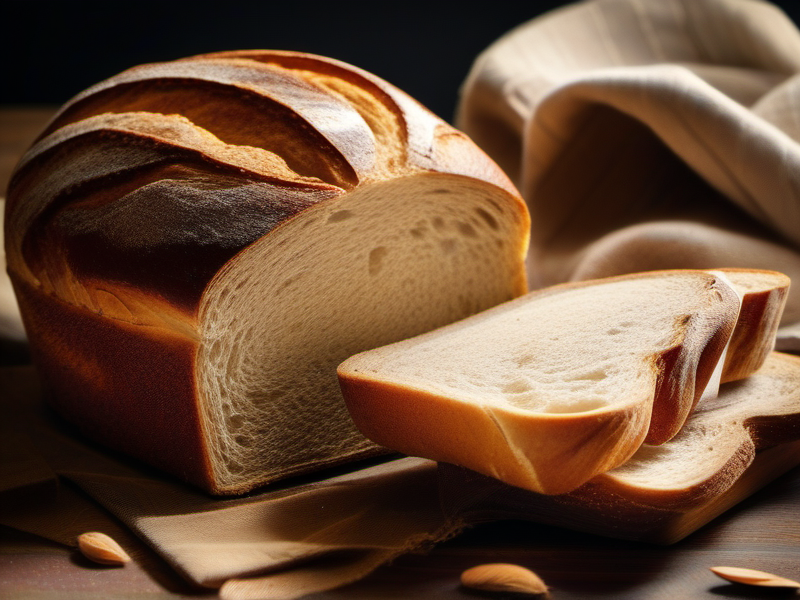
Part X: A Basic Sourdough Loaf
This is not a baking tutorial. Hundreds of those exist, many of them excellent. This is a framework -- the minimum viable recipe that connects the science described in this article to a loaf you can eat.
Ingredients:- 100 grams active sourdough starter (just passed the float test)
- 375 grams bread flour (or a mix: 300 grams bread flour + 75 grams whole wheat flour for maximum phytase activity)
- 275 grams water, lukewarm
- 8 grams fine sea salt
During this period, perform 3-4 sets of stretch-and-folds at 30-45 minute intervals in the first two hours. (Reach under the dough, stretch it upward, fold it over the top. Rotate the bowl 90 degrees. Repeat four times per set.) Then leave the dough undisturbed for the remaining 8-10 hours. Go to sleep.
4am (optional). You will wake up. You will check the dough. It will have roughly doubled in volume, with visible bubbles on the surface and sides. It will smell tangy and alive. You will stand in your kitchen in your underwear and feel something very old stir in you -- the satisfaction of a process that your species has practiced for ten thousand years. Then you will go back to bed. 7am. The dough should be visibly risen -- roughly doubled, with a domed surface and visible bubbles. Gently turn it out onto a floured surface. Shape it into a round (boule) or oval (batard) by folding the edges toward the center and creating surface tension. Place seam-side up into a floured proofing basket (banneton) or a bowl lined with a floured kitchen towel. 7am-8am (or refrigerator for 1-12 hours). Final proof. You can proof at room temperature for 1-2 hours, or place the shaped dough in the refrigerator for an extended cold retard (1-12 hours or even overnight). The cold retard further develops flavor and makes the dough easier to handle and score. Bake. Preheat your oven to 500 degrees Fahrenheit (260 degrees Celsius) with a Dutch oven inside. When the oven is fully preheated, carefully remove the Dutch oven, turn the dough out into it (seam side down), score the top with a razor blade or sharp knife, cover with the lid, and bake for 20 minutes. Remove the lid and bake for an additional 20-25 minutes until the crust is deeply browned and the internal temperature reads 205-210 degrees Fahrenheit. Cool. This is the hardest step. Let the bread cool completely on a wire rack for at least one hour before cutting. The crumb is still setting during this period. Cutting too early produces a gummy interior and releases steam that would otherwise be reabsorbed into the crumb structure.Total active time: approximately 30 minutes. Total elapsed time: approximately 22-24 hours. The organisms did 99% of the work. You provided the flour, the water, the warmth, and the patience. This is the fundamental bargain of fermentation: you give up speed, and in return you receive food that is more nourishing, more flavorful, more digestible, and more alive than anything a factory can produce in ninety minutes.
Part XI: What Was Lost, What Can Be Found
Let us assemble the ledger. When the Fleischmann brothers compressed baker's yeast into a foil-wrapped cake in 1868 and the world's bakeries adopted it over the following century, here is what was lost:
Phytic acid degradation: from 62-80% reduction to 38% or less. Result: reduced mineral bioavailability in every loaf. Across billions of loaves consumed daily worldwide, this represents a staggering cumulative mineral deficit -- iron, zinc, calcium, magnesium -- particularly in populations dependent on bread as a dietary staple [2, 16]. Glycemic modulation: from a GI of 54 to a GI of 71-75. Result: faster glucose absorption, higher insulin spikes, greater glycemic variability. Over a lifetime of daily bread consumption, this is a meaningful contributor to insulin resistance, metabolic syndrome, and type 2 diabetes risk [17]. Gluten pre-digestion: from 50-80% immunogenic peptide reduction to negligible proteolysis. Result: higher loads of intact, resistant gluten peptides reaching the intestinal mucosa. Whether this contributes to the apparent rise in non-celiac gluten sensitivity over the past fifty years is speculative but plausible [23]. B vitamin synthesis: from active de novo production of folate, thiamine, riboflavin, and other B vitamins to zero microbial vitamin synthesis. Result: lower vitamin density per loaf. We compensated by mandating folic acid fortification of flour -- a synthetic bandage on a wound created by abandoning the natural process [28]. GABA production: from up to 258 mg/kg in wholemeal sourdough to zero in yeasted bread. Result: elimination of a dietary source of a neurotransmitter with potential effects on gut motility, blood pressure regulation, and neural signaling [35]. Prebiotic exopolysaccharides: from meaningful EPS production by sourdough LAB to zero in yeasted bread. Result: loss of a prebiotic fiber source that selectively feeds beneficial gut bacteria [38]. Organic acid content: from significant lactic and acetic acid levels to minimal organic acid production. Result: loss of resistant starch formation, loss of delayed gastric emptying, loss of antimicrobial preservation, loss of the complex flavor profile that organic acids create [18]. Microbial diversity: from a complex ecosystem of 2-12 LAB species and 1-3 wild yeast species to a monoculture of a single domesticated yeast strain. Result: loss of all the metabolic synergies, cross-feeding relationships, and emergent properties that arise from microbial community interactions [6].This is the invoice. This is what speed cost us. It is not an argument against modernity -- commercial yeast feeds billions of people who would not otherwise have access to affordable bread, and that matters enormously. But it is an argument for understanding what you are eating and what you are not eating. It is an argument for the 4am check, the overnight ferment, the living jar on your counter. Not because sourdough is trendy. Because sourdough is older than agriculture, more effective than fortification, and more nutritious than anything the Fleischmanns could have imagined.
Your starter is not a pet. It is not a hobby. It is not content for your social media feed.
It is a medicine cabinet. And it is open.
References
[1] Schlemmer, U., et al. "Phytate in foods and significance for humans: food sources, intake, processing, bioavailability, protective role and analysis." Molecular Nutrition & Food Research, 53(S2), S330-S375, 2009.
[2] Lopez, H.W., et al. "Prolonged fermentation of whole wheat sourdough reduces phytate level and increases soluble magnesium." Journal of Agricultural and Food Chemistry, 49(5), 2657-2662, 2001.
[3] De Vuyst, L., and Neysens, P. "The sourdough microflora: biodiversity and metabolic interactions." Trends in Food Science & Technology, 16(1-3), 43-56, 2005.
[4] Zheng, J., et al. "A taxonomic note on the genus Lactobacillus: Description of 23 novel genera, emended description of the genus Lactobacillus Beijerinck 1901, and union of Lactobacillaceae and Leuconostocaceae." International Journal of Systematic and Evolutionary Microbiology, 70(4), 2782-2858, 2020.
[5] De Vuyst, L., et al. "Yeast diversity of sourdoughs and associated metabolic properties and functionalities." International Journal of Food Microbiology, 239, 26-34, 2016.
[6] Gobbetti, M., et al. "Sourdough lactobacilli and celiac disease." Food Microbiology, 24(2), 187-196, 2007.
[7] Pico, J., et al. "Volatile compounds in sourdough breads." Food Chemistry, 345, 128804, 2021.
[8] Reddy, N.R., et al. "Phytates in Cereals and Legumes." Advances in Food Research, 28, 1-92, 1982.
[9] Hurrell, R.F. "Influence of vegetable protein sources on trace element and mineral bioavailability." Journal of Nutrition, 133(9), 2973S-2977S, 2003.
[10] Bohn, L., et al. "Phytate: impact on environment and human nutrition. A challenge for molecular breeding." Journal of Zhejiang University Science B, 9(3), 165-191, 2008.
[11] Hallberg, L., et al. "Iron absorption in man: ascorbic acid and dose-dependent inhibition by phytate." American Journal of Clinical Nutrition, 49(1), 140-144, 1989.
[12] Wessells, K.R., and Brown, K.H. "Estimating the global prevalence of zinc deficiency: results based on zinc availability in national food supplies and the prevalence of stunting." PLoS ONE, 7(11), e50568, 2012.
[13] Sandberg, A.S., and Andlid, T. "Phytogenic and microbial phytases in human nutrition." International Journal of Food Science & Technology, 37(7), 823-833, 2002.
[14] Türk, M., et al. "Phytic acid content and phytase activity of various wheat cultivars." Journal of Agricultural and Food Chemistry, 44(8), 2006-2008, 1996.
[15] De Angelis, M., et al. "Phytase activity in sourdough lactic acid bacteria: purification and characterization of a phytase from Lactobacillus sanfranciscensis CB1." International Journal of Food Microbiology, 87(3), 259-270, 2003.
[16] Leenhardt, F., et al. "Moderate decrease of pH by sourdough fermentation is sufficient to reduce phytate content of whole wheat flour through endogenous phytase activity." Journal of Agricultural and Food Chemistry, 53(1), 98-102, 2005.
[17] Lau, E., et al. "The Mediterranean way: why elderly people should eat wholewheat sourdough bread." Aging Clinical and Experimental Research, 31, 1135-1141, 2019.
[18] Liljeberg, H.G., et al. "Sourdough fermentation or addition of organic acids or corresponding salts to bread improves nutritional properties of starch in healthy humans." Journal of Nutrition, 125(6), 1503-1511, 1995.
[19] Sajilata, M.G., et al. "Resistant starch -- a review." Comprehensive Reviews in Food Science and Food Safety, 5(1), 1-17, 2006.
[20] Ostman, E.M., et al. "Vinegar supplementation lowers glucose and insulin responses and increases satiety after a bread meal in healthy subjects." European Journal of Clinical Nutrition, 59(9), 983-988, 2005.
[21] Novotni, D., et al. "Effect of different fermentation conditions on estimated glycemic index, in vitro starch digestibility, and textural and sensory properties of sourdough bread." Foods, 10(3), 540, 2021.
[22] Sapone, A., et al. "Spectrum of gluten-related disorders: consensus on new nomenclature and classification." BMC Medicine, 10, 13, 2012.
[23] Di Cagno, R., et al. "Highly efficient gluten degradation by lactobacilli and fungal proteases during food processing: new perspectives for celiac disease." Applied and Environmental Microbiology, 73(14), 4499-4507, 2007.
[24] Shan, L., et al. "Structural basis for gluten intolerance in celiac sprue." Science, 297(5590), 2275-2279, 2002.
[25] Rizzello, C.G., et al. "Mechanism of degradation of immunogenic gluten epitopes from Triticum turgidum L. var. durum by sourdough lactobacilli and fungal proteases." Applied and Environmental Microbiology, 76(2), 508-518, 2010.
[26] Klueger, R., et al. "A case study of the response of immunogenic gluten peptides to sourdough proteolysis." Nutrients, 13(6), 1906, 2021.
[27] Di Cagno, R., et al. "Gluten-free sourdough wheat baked goods appear safe for young celiac patients: a pilot study." Journal of Pediatric Gastroenterology and Nutrition, 51(6), 777-783, 2010.
[28] Kariluoto, S., et al. "Effect of baking method and fermentation on folate content of rye and wheat breads." Cereal Chemistry, 81(1), 134-139, 2004.
[29] Hjortmo, S., et al. "Biofortification of folates in white wheat bread by selection of yeast strain and process." International Journal of Food Microbiology, 127(1-2), 32-36, 2008.
[30] Kariluoto, S., et al. "Effects of yeasts and bacteria on the levels of folates in rye sourdoughs." International Journal of Food Microbiology, 106(2), 137-143, 2006.
[31] LeBlanc, J.G., et al. "B-group vitamin production by lactic acid bacteria -- current knowledge and potential applications." Journal of Applied Microbiology, 111(6), 1297-1309, 2011.
[32] Capozzi, V., et al. "Biotechnological production of vitamin B2-enriched bread and pasta." Journal of Agricultural and Food Chemistry, 59(14), 8013-8020, 2011.
[33] Taranto, M.P., et al. "Lactobacillus reuteri CRL1098 produces cobalamin." Journal of Bacteriology, 185(18), 5643-5647, 2003.
[34] Li, H., and Cao, Y. "Lactic acid bacterial cell factories for gamma-aminobutyric acid." Amino Acids, 39(5), 1107-1116, 2010.
[35] Rizzello, C.G., et al. "Synthesis of angiotensin I-converting enzyme (ACE)-inhibitory peptides and gamma-aminobutyric acid (GABA) during sourdough fermentation by selected lactic acid bacteria." Journal of Agricultural and Food Chemistry, 56(16), 6936-6943, 2008.
[36] Abdou, A.M., et al. "Relaxation and immunity enhancement effects of gamma-aminobutyric acid (GABA) administration in humans." BioFactors, 26(3), 201-208, 2006.
[37] Lynch, S.V., and Pedersen, O. "The human intestinal microbiome in health and disease." New England Journal of Medicine, 375(24), 2369-2379, 2016.
[38] Korakli, M., et al. "In situ production of exopolysaccharides during sourdough fermentation by cereal and intestinal isolates of lactic acid bacteria." Applied and Environmental Microbiology, 68(2), 945-952, 2002.
[39] Hongpattarakere, T., et al. "In vitro prebiotic evaluation of exopolysaccharides produced by marine isolated lactic acid bacteria." Carbohydrate Polymers, 87(1), 846-852, 2012.
[40] Poutanen, K., et al. "Sourdough and cereal fermentation in a nutritional perspective." Food Microbiology, 26(7), 693-699, 2009.
[41] Topping, D.L., and Clifton, P.M. "Short-chain fatty acids and human colonic function: roles of resistant starch and nonstarch polysaccharides." Physiological Reviews, 81(3), 1031-1064, 2001.
[42] Lopez, H.W., et al. "Making bread with sourdough improves mineral bioavailability from reconstituted whole wheat flour in rats." Nutrition, 19(6), 524-530, 2003.
[43] Arranz-Otaegui, A., et al. "Archaeobotanical evidence reveals the origins of bread 14,400 years ago in northeastern Jordan." Proceedings of the National Academy of Sciences, 115(31), 7925-7930, 2018.
[44] Samuel, D. "Bread making and social interactions at the Amarna Workmen's Village, Egypt." World Archaeology, 31(1), 121-144, 1999.
[45] Pliny the Elder. Natural History, Book XVIII, Chapter 26, 77 AD.
[46] Marchetti, R., et al. "History of bread and monastic baking traditions in Europe." Food History, 3(1), 45-67, 2005.
[47] Camaldoli Monastery archives. Historical records of food production, c. 1012 AD onward.
[48] Brandt, M.J. "Sourdough products for convenient use in baking." Food Microbiology, 24(2), 161-164, 2007.
[49] Carlson, L. "Sourdough in the Gold Rush." California History, 78(2), 112-125, 1999.
[50] Boudin Bakery. "Our History." boudinbakery.com. Accessed 2026.
[51] Kline, L., and Sugihara, T.F. "Microorganisms of the San Francisco sour dough bread process." Applied Microbiology, 21(3), 459-465, 1971.
[52] Ganzle, M.G. "Lactic metabolism revisited: metabolism of lactic acid bacteria in food fermentations and food spoilage." Current Opinion in Food Science, 2, 106-117, 2015.
[53] Corsetti, A., and Settanni, L. "Lactobacilli in sourdough fermentation." Food Research International, 40(5), 539-558, 2007.
Comments (0)
No comments yet.
Log in to comment.